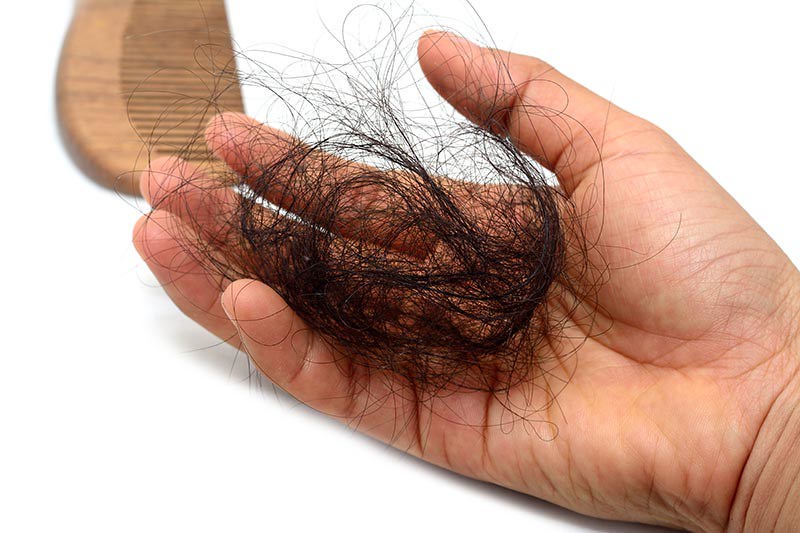
What Happens When You Stop Taking Finasteride?
Finasteride is a medicine used primarily to treat male baldness and benign prostate hyperplasia (BPH).
Although it may be effective in controlling these conditions, some individuals consider taking a break from finasteride due to concerns about possible side effects or just to assess their continued need for the medicine.
When you stop finasteride, your DHT levels will gradually return to their baseline.
As a result, you may experience a return of hair loss, which was effectively managed while using the medicine.
This process may take several months and hair growth may not fully restore the lost hair
In this blog we will explore what happens when you take a break from finasteride, supported by scientific evidence.
We will address frequently asked questions, possible results and considerations to help you make an informed decision.
I've written quite a few blogs about finasteride. At the bottom of the blog you can find them if you are interested.
What exactly does Finasteride do?
Before we discuss what happens when you stop taking finasteride, let's briefly understand how this medicine works.
Finasteride is a 5-alpha reductase inhibitor, which means it converts testosterone into dihydrotestosterone (DHT) disturbed.
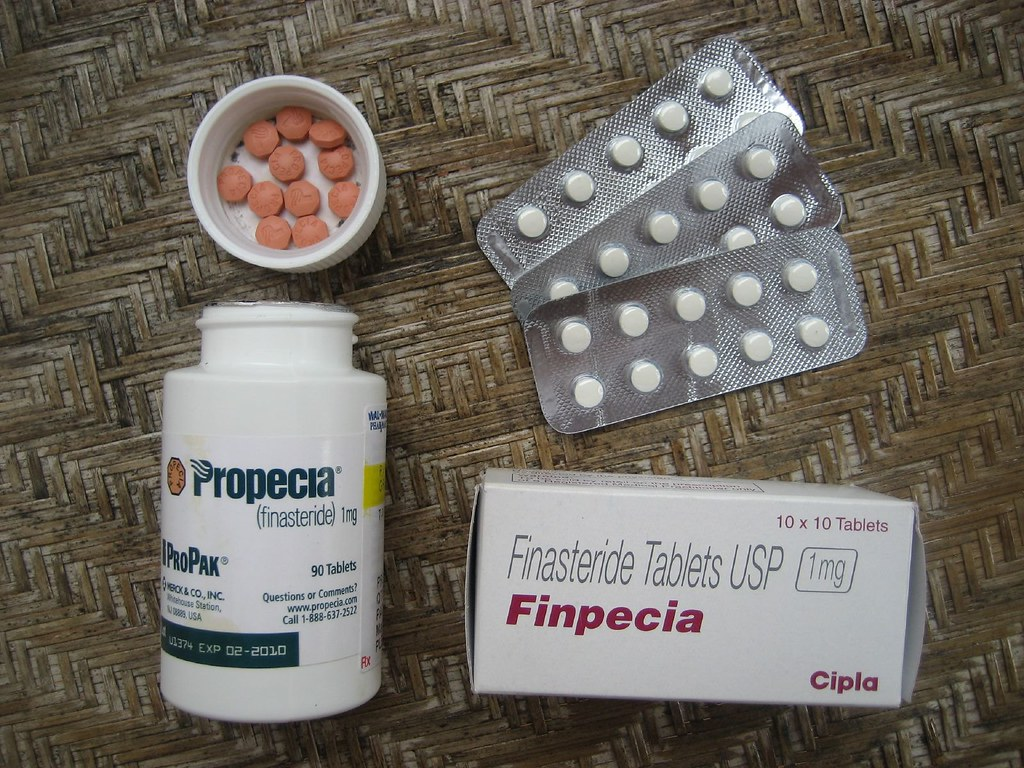
DHT is a hormone that plays an important role in hair loss and enlargement of the prostate gland.
By lowering DHT levels, finasteride can slow down hair loss and relieve BPH symptoms.
What Happens When You Stop Taking Finasteride?
- Hair loss Turns back
When you stop finasteride, your DHT Levels gradually returning to their baseline.
As a result, you may experience a return of hair loss, which was effectively managed while using the medicine.
process can last several months and hair growth may not fully restore the lost hair. - Possible hair loss
Some individuals experience a temporary increase in hair loss when they stop taking finasteride.
This is known as "hair loss" and may be disturbing.
It is important to remember that this hair loss is often a sign that the hair follicles are moving to a new growth phase, and it can be followed by regrowth in the coming months. - Repetition of Prostate symptoms
For those who use finasteride to BPH stopping medication may result in the return of urine symptoms such as increased frequency, urgency and difficulty in urination.
This may be due to the fact that the DHT Levels and increase the prostate gland.
In this Article I went into more detail on the effects of finasteride on the prostate. - Individual Variation
The effects of stopping finasteride can vary considerably from person to person.
may notice minimal changes, while others may experience a more pronounced reversal of the benefits they have experienced while using the medicine.
Do you have to use Finasteride forever?
The use of finasteride to treat hair loss is usually a long-term commitment.
Finasteride is a medicine that inhibits the action of the enzyme 5-alpha reductase, which converts testosterone to dihydrotestosterone (DHT).
DHT is a hormone associated with hair loss in people with androgenic alopecia (male baldness).
The benefits of finasteride are generally observed as long as the medicine is continued.
If someone decides to stop using finasteride, the inhibiting effect on DHT production decreases over time, and the natural progression of hair loss can resume.
It is important to note that individual reactions to finasteride may vary, and not everyone experiences the same level of effectiveness or side effects.
Before you begin to stop finasteride or decide to stop, it is advisable to consult with a healthcare professional who can assess your specific situation, discuss potential benefits and risks, and make personal recommendations based on your health and treatment goals.
Is it safe to take a break from Finasteride?
If you're considering taking a break from finasteride, it's crucial to consult with your health care provider.
Stopping finasteride can result in the return of hair loss driven by DHT, and any benefits obtained by using the medicine may decrease over time.
There is a potential for a gradual reversal of the positive effects on hair growth.
How long would a break from Finasteride take?
The duration of a break of finasteride, if considered appropriate by a healthcare professional, would depend on individual circumstances.
If there are concerns about side effects or other factors that justify a break, your healthcare professional can advise on their duration.
It is essential to approach any decision regarding changes in medication or breaks under the supervision of a healthcare professional.
They can assess your specific situation, discuss potential risks and benefits, and make personal recommendations based on your health and treatment goals.
Can I resume finasteride after taking a break?
Yes, you can usually resume finasteride if you choose to do so.
However, you should discuss this with your healthcare professional to make sure it is still a suitable treatment option for you.
Are there any withdrawal symptoms connected to Finasteride?
There are generally no withdrawal symptoms associated with finasteride. Finasteride works by inhibiting the action of the enzyme 5-alpha reductase, which converts testosterone to dihydrotestosterone (DHT).
DHT is a hormone associated with hair loss in people with androgenic alopecia (male baldness).
When someone stops taking finasteride, the inhibiting effect on the production of DHT decreases over time.
However, this discontinuation is not accompanied by withdrawal symptoms in how some medicines may cause withdrawal symptoms upon abrupt discontinuation.
Instead, stopping finasteride can lead to a gradual return of hair loss caused by DHT, resumes the natural progression of hair loss.
If you are concerned about stopping finasteride or experiencing changes after stopping the medicine, it is recommended to contact your healthcare professional.
They can provide guidance based on your specific situation and discuss possible options for managing hair loss.
Can I use Other Treatments During My Break from Finasteride?
During a break of finasteride it is possible to consider other treatments for hair loss, depending on individual circumstances. Some alternative treatments include:
- Minoxidil: A topical solution that can stimulate hair growth. It can be used independently or in combination with other treatments.
- Low-Level Laser Therapy (LLLT): Devices such as laser combs or helmets that emit low levels of laser light to stimulate hair follicles.
In this article I went into more detail on the laser comb and the possible effect on hair loss. - Topical Hair Growth Products: Miscellaneous shampoos, conditioners and Serums with ingredients that are supposed to support the health of the hair.
- Platelet-Rich Plasma (PRP) therapy: Includes injecting concentrated platelets from the patient's blood into the scalp to stimulate hair growth.
Before trying alternative treatments, it is essential to discuss the possibilities with a healthcare professional.
They can advise on the suitability of specific treatments based on your individual needs and medical history.
It is crucial to tackle any change in your hair loss treatment plan under the supervision of a healthcare professional to ensure a safe and effective approach to your situation.
What are the best tips for when you quit Finasteride?
1. Manage Your Expectations
Understand that stopping finasteride can lead to the return of hair loss or prostate symptoms. Managing your expectations can help to reduce anxiety during this transition period.
2. Explore Alternative Treatments
If you are worried about side effects or want to explore other options, discuss alternative treatments with your healthcare professional. They can help you choose the most appropriate approach to your needs.
3. Monitor Your Progress
During your break from finasteride, keep track of any changes in your condition, such as hair loss or BPH symptoms.
This information may be valuable when discussing your treatment plan with your healthcare professional.
4. Lifestyle factors
During your break from finasteride it is essential to maintain a healthy lifestyle.
Factors such as diet, exercise, stress management and good hair care can all play a role in the health of your hair.
Paying attention to these aspects can complement any ongoing treatments or help reduce the effects of stopping finasteride.
5. Psychological Impact
Hair loss can have a significant psychological impact on individuals.
Taking a break from finasteride may involve emotional challenges, including anxiety or a reduced self-image Because of the recurring hair loss.
It is important to seek support from friends, family or a professional psychologist if necessary.
6. Combine Treatments
Some individuals choose to combine hair loss treatments.
For example, they may use either finasteride or minoxidil at the same time or consider other advanced therapies such as platelet-rich injections (PRP) or hair transplantation.
Discuss these options with your healthcare provider to create a comprehensive treatment plan.
7. Long-term planning
If you decide to take a break from finasteride, it is advisable to consider your long-term goals.
Consider whether you intend to resume the medicine in the future or to explore alternative treatments.
Long-term planning can help you to maintain control of your hair loss management.
8. Monitoring of adverse reactions
If you stop finasteride due to concerns about side effects, be vigilant when monitoring your body for any persistent symptoms.
Although side effects usually disappear after stopping medication, some individuals may experience persistent problems. If this is the case, consult your healthcare professional immediately.
9. Genetic Factors
Please note that genetic factors play an important role in male baldness. In this article I go into more detail.
The effectiveness of finasteride and the results of a pause may vary based on your genetic predisposition to hair loss. Understanding the family history of hair loss can provide insight into your specific situation.
Conclusion
In conclusion, taking a break from finasteride is a complex decision to be taken in consultation with a health care provider.
By considering various factors, such as lifestyle, psychological well-being and long-term planning, you can go through this process with more confidence.
Remember that there is no one-size-fits-all approach to managing hair loss, and the key to adapting your treatment plan to your unique needs and goals, while maintaining your overall health and well-being.
I've written several articles about Finasteride, are you interested in this? Then I suggest you look at one of the blogs below!
Finasteride or Dutasteride? Which one works better against hair loss?
What are the side effects of Finasteride and how to prevent it?
What exactly happens when you stop taking finasteride?
Does Finasteride stop hair loss over the longer term?
What should you do if you prefer no Finasteride wants to take and what are the best options?
Can Finasteride cause depression?
Why is it a good idea to combine Finasteride and Minoxidil treatments?
Why don't you have to be afraid to use finasteride against hair loss?
How can you treat gynecomastia (chest) formed by Finasteride?
Does Finasteride cause prostate cancer or the opposite?
Will Finasteride influence my results at the gym?
What is the optimal Finasteride dose for the treatment of hair loss?
Is Post Finasteride Syndrome real? What can you do about it?
How long can Finasteride keep her: is it permanent?
Can you still have children after using Finasteride?
How Long Does It Take Before Finasteride Starts Working?
What is the best Finasteride brand and is there any difference at all?
What's the best time to take Finasteride?
Does splitting finasteride tablets affect their effectiveness?
Does Finasteride lower testosterone levels?
Does Finasteride's hair growth affect the whole body?
How well does Topical Finasteride work against hair loss? Better than oral?
Can I Stop Oral Finasteride when Using Topic Finasteride? Read all about Topical Finasteride here!


You might like this too.

Lavender oil against hair loss! Is it working?

Minoxidil is dangerous to my cat?