


Can an alkaline diet help with hair loss?
When it comes to maintaining healthy and shiny hair, people are constantly looking for new ways to prevent hair loss and promote hair growth. An emerging trend in nutrition is the alkaline diet, which claims to balance the pH value of the body and improve overall health, including the health of your hair.
Although the theory behind the influence of an alkaline diet on hair loss seems plausible, it is important to note that the scientific research specifically investigating this relationship is limited.
Hair loss may be affected by various factors including genetics, hormonal imbalances, nutritional deficits and underlying health problems. Although following an alkaline diet may contribute to overall health and may indirectly support hair health, it may therefore not be an isolated solution to hair loss.
It is crucial to approach the alkaline diet as part of a holistic approach to health, including maintaining a balanced diet, controlling stress levels, applying good hair care habits and taking professional advice when you are experiencing significant hair loss or worrying about your hair's health.
In this blog post we explore the concept of the alkaline diet, investigate what scientific research has to say about the effects on hair loss and give practical tips on how to include this diet in your daily routine.
What's the alkaline diet?
The alkaline diet is based on the idea that certain foods can affect the pH value of the body. Proponents of this diet claim that consuming base beneficial foods can neutralise an excess of acid in the body, thus improving overall health and preventing various ailments, including hair loss.

The diet usually consists of consuming mainly basic food, such as fruit, vegetables, nuts, seeds and legumes, and avoiding or limiting acid food such as meat, dairy, processed foods and caffeine.
What's the theory behind an alkaline diet to fight hair loss?
The theory behind the ability of an alkaline diet to control hair loss is based on the idea that maintaining a slightly alkaline pH value in the body promotes overall health and prevents various ailments, including hair loss. Proponents of an alkaline diet believe that by consuming mainly alkaline food, you can neutralize an excess of acid in your body, which can have negative effects on your hair's health.
The pH scale measures the acidity or alkalinity of substances and runs from 0 to 14, where 7 is neutral. A pH value below 7 is considered acid, while a pH value above 7 is considered basic. According to advocates of the alkaline diet, the modern western diet, which often contains many processed foods, animal proteins and refined sugars, can lead to an acidic internal environment.
It is believed that this acidic environment can disrupt the natural balance in the body and can contribute to inflammation, oxidative stress and a shortage of nutrients, all of which can affect the health of the hair. By following an alkaline diet, focusing on the consumption of base-forming foods such as fruit, vegetables, nuts and seeds, people are trying to restore a slightly alkaline pH balance in the body.
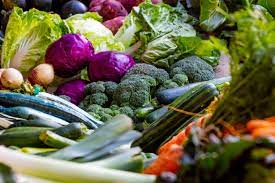
Moreover, the alkaline diet encourages to limit acid foods such as processed foods, refined sugars, caffeine and excess meat and dairy products. By limiting these foods, advocates of the alkaline diet think that it can help reduce inflammation and oxidative stress, which is known to be associated with hair loss.
What does the study say about the effect of the alkaline diet on hair loss?
Although there is little scientific research specifically investigating the direct influence of the alkaline diet on hair loss, it is important to examine the existing evidence regarding nutrition and hair health. Lack of nutrition, hormonal imbalances and underlying health problems can contribute to hair loss. Therefore, a balanced diet with essential nutrients is crucial to maintaining healthy hair.
The alkaline diet focuses on the consumption of food rich in nutrients, including fruits and vegetables, which are packed with vitamins, minerals and antioxidants. These nutrients play a vital role in supporting the overall health of the hair.
Vitamin C, for example, helps to produce collagen, a structural protein essential to the strength and growth of the hair. In addition, minerals such as zinc and iron contribute to the health of the hair follicles and prevent hair loss.
In addition, the alkaline diet promotes a reduction of processed foods and added sugars, which may have adverse effects on overall health. Poor nutritional choices and excessive consumption of sugary or processed foods have been associated with inflammation and oxidative stress, which may indirectly affect the health of the hair. By following an alkaline diet, people can reduce inflammation and oxidative stress, which has a positive effect on the health of their hair.
How do I follow an alkaline diet?
- Focus on fruit and vegetables: Take in a variety of alkaline-forming fruits and vegetables in your meals. These include leafy vegetables, citrus fruits, berries, avocado turnips and crucifixes such as broccoli and cauliflower.
- Choose plant protein: Choose plant protein sources such as pulses, nuts and seeds, as they are generally more alkaline-forming than animal proteins. Examples include lentils, chickpeas, almonds, chia seeds and hemp seeds.
- Stay hydrated: Hydration is crucial to maintaining a balanced pH value. Drink enough water all day long, as it helps to drain toxins and supports overall health.
- Limit acidic foods: While the alkaline diet encourages the consumption of base-forming food, it is also important to limit the intake of acid food. This includes processed foods, refined sugars, caffeine, alcohol and excess meat and dairy products.
Interesting facts about the alkaline diet
- The pH scale ranges from 0 to 14, with 7 being neutral. Foods are classified as acid, neutral or basic based on their influence on the pH value of the body.
- Lemons, although acidic, have an alkaline effect on the body once metabolised.
- The alkaline diet is similar to other healthy diets, such as the Mediterranean diet and vegetable diets, with emphasis on whole foods and limiting processed foods.
Some advocates of the alkaline diet believe that maintaining a slightly alkaline pH value can help prevent chronic diseases and promote overall well-being.
- Although the alkaline diet has potential benefits, it is important to know that the body has a complex system for regulating the pH value and that changes in the diet alone do not significantly affect the pH value in the blood.
Conclusion
Although the alkaline diet has become popular due to its potential health benefits, including its impact on hair loss, it is essential to approach it with a balanced perspective.
Although there is little scientific evidence specifically focused on the direct effects of the alkaline diet on hair loss, a diet rich in fruit, vegetables and plant proteins can provide essential nutrients that support the overall health of the hair.
Moreover, reducing the consumption of processed foods and added sugars can indirectly contribute to improving the health of the hair by reducing inflammation and oxidative stress.
However, it is important to remember that hair loss may have several causes, including genetics, hormonal imbalances and underlying health problems. If you suffer from significant hair loss or if you are concerned about your hair's health, it is therefore advisable to consult a healthcare professional or a dermatologist who can give you personal advice and treatment options.
Ultimately maintaining a balanced diet, in combination with other healthy lifestyles, such as regular exercise, stress management and proper hair care, is the key to promoting optimal hair health. Although the alkaline diet offers certain advantages, it is important to approach it as part of a holistic approach to overall well-being rather than as an isolated solution to hair loss.


You might like this too.

Does the Choline supplement affect hair loss?

The biggest benefits of dermarolls for hair growth!


