


What are the side effects of Finasteride and how to prevent it?
Your hair's falling out?
You're not alone. Millions of men fight this battle every day.
And if you're looking at solutions, you've definitely come across Finasteride, the "wonder pill" that promises to stop hair loss and possibly make lost hair grow back.
But is it worth it?
Let's cut through the noise and focus on what's important: the benefits, the risks, and what you can actually expect.
This video from Haircafe reflects my thought about Finasteride all the way.
I think a lot of the side effects are mental despite that there is a chance that (4%) you get side effects.
Does Finasteride have side effects?
Absolutely. And we need to talk about it.
First the facts: less than 4% of all users experience side effects. So for every hundred people only have 4 side effects!
That means: 96% of men have NO problems! 💯
But for that 4%? The impact is real:
- Libido decreased (less sense of intimacy)
- Erectile dysfunction (difficulty getting or maintaining an erection)
- Ejaculation problems (including decreased sperm volume)
- Depression and mood changes
Less common but reported side effects are:
- Allergic reactions (itching, rash, facial swelling)
- Pain or enlargement of breasts
- Testicle pain
- Heart rate increased
- Fear
- Hepatic enzyme increased
What you don't always hear: These side effects can significantly affect your quality of life. Even though the statistics suggest they're rare, when you're the one experiencing them, that 1% becomes 100% of your reality.
Why not Finasteride?
Despite its proven effectiveness, there are legitimate reasons to doubt before you start this medicine:
- Hormonal manipulation Finasteride works by blocking DHT, a hormone derived from testosterone. Every time you tamper with your hormone system, you play with fire.
- The hormone balance effect . When DHT decreases, estrogen (yes, men also have) can become more dominant. This imbalance does not necessarily affect the medicine itself . . . may be responsible for many side effects.
- Long-term unknowns . We still have no comprehensive data for decades of use.
- Personal risk factors . If you already struggle with depression, problems with sexual function, or hormone-sensitive disorders, you may be at greater risk.
The question is not just "Does it work?" but "Is the potential price worth it to me?"
What happens when you stop Finasteride?
The harsh reality? You're probably losing what you won.
Within 6-12 months of stopping, most men return to where they would have been without treatment. Sometimes they experience even earlier hair loss while the body adapts to changing hormone levels.
See Finasteride as a pause button for hair loss, no cure. As soon as you release that button:
- DHT levels return to normal
- Hair follicles become vulnerable again
- The genetic pattern of hair loss continues
How Great Is The Chance That Finasteride Works?
Honestly? Pretty big.
Studies show that Finasteride is effective in approximately 80-90% of men. But what exactly does "effective" mean?
- For about 65%, stopping further hair loss means
- For about 30% it means actual hair growth
- For a small minority it does not work
Results usually only become visible after 3-6 months of consistent use and optimal results may last 1-2 years.
Important: Finasteride works better with hair loss on the crown and the middle of the scalp. For the temples (about which more later) the results are often less impressive.
Finasteride Adverse Reactions Permanent
A controversial but important subject: Post-Finasteride Syndrome (PFS).
Some users report persistent side effects even after stopping the medicine:
- Prolonged sexual dysfunction
- Chronic depression and anxiety
- Cognitive problems
The medical community is divided. Some doctors recognise PFS, while others remain sceptical about its existence as a direct consequence of Finasteride.
What we do know:
- 99% experience recovery within weeks of discontinuation
- Less than 0.1% reported persistent problems
- Studies show: Most "permanent cases" have other causes
How much does Finasteride Shrink The Prostate
A little discussed effect: Finasteride was originally developed for prostate problems.
At a dose of 5 mg (5 times the typical hair loss treatment), Finasteride may reduce the prostate by approximately 20-30%. This is why it is used for benign prostate hyperplasia (BPH).
At the 1 mg hair loss dose, the effects on the prostate are milder, but still present. This can have both advantages and disadvantages:
Benefits:
- Possible reduced risk of prostate problems later in life
- Reduced symptoms for men who already have mild prostate problems
Cons:
- May affect PSA test results for prostate cancer screening (important to inform your doctor)
- Possible masking of early signs of prostate problems
Finasteride Temple
Let's face it. The temples are the problem area.
Finasteride is the least effective in restoring hair loss to the temples (front corners). Why?
- Hair follicles in the temples are often inactive for longer
- They react less well to DHT blocking alone
- They often require more aggressive, multi-approach treatment
If you're hoping Finasteride will fully restore your hairline to your teenage years, you need to adjust your expectations. It works better for:
- Maintaining existing hair
- Thickening of miniaturising hair
- Restoring the crown and mid-scalp areas
For temple restoration many men consider additional treatments such as Minoxidil, microneedling, or in extreme cases hair transplants.
Long-Term Adverse Reactions Of Preparae
Propecia (Finasteride brand name) has been used for hair loss since 1997, but long-term studies are limited.
Potential concerns with long-term use (10+ years):
- Possible impact on bone density due to altered hormone levels
- Theoretical effect on cognitive function (study is not conclusive)
- Unknown interactions with the ageing process
Reality? Most long-term users do not report increasing side effects over time. Many even think that early side effects decrease as the body adjusts.
But vigilance remains important. Regular checks and open communication with your doctor are essential.
Finasteride Adverse Reaction Recovery
Good news: for most men side effects of Finasteride are reversible.
Typical recovery timelines:
- Sexual function: 2 weeks to 3 months after discontinuation
- Moods and mental effects: 1-3 months
- Hormonal balance: 3-6 months
How to promote the recovery process:
- Gradually phase out instead of abruptly stop (consultation with your doctor)
- Natural testosterone support (activity, sleep, diet)
- Stress reduction and mental health support
A small percentage of men may experience longer recovery periods. If you have side effects that last longer than 6 months after stopping, seek specialist help.
Adverse reactions Finasteride 5mg
The 5mg dose is used for prostate disorders, not for hair loss.
At this higher dose:
- Adverse reactions increase to 15% (versus 4% at 1mg) ⚠️
- Ernst is increasing, especially sexual problems
- 5x higher dose = 4x more side effects
Interestingly enough, research shows that the 5mg hair growth benefits are barely better than those of 1mg, while the risk of side effects is significantly higher.
Warning: Some men try to save costs by sharing 5mg pills. This could be dangerous because of:
- Unequal dose distribution
- Increased risk of excessive exposure
- Lack of medical supervision
Adverse reactions Finasteride 1mg
The standard dose for hair loss treatment is 1mg, with an adverse reaction profile that we have already discussed.
What's less known: some studies suggest that lower doses may be almost as effective with fewer side effects.
A dose of 0.2mg per day may:
- Up to 80% of the DHT depressing effect of the 1mg dose
- Significantly reduce the risk of adverse reactions
- Still fighting effective hair loss
Some doctors now recommend a dosage regimen of 0.2-0.5mg every other day as a more balanced approach.

Sexual Adverse Reactions Finasteride
The most feared side effects. Let's look at the numbers: 📊
Libido loss (reduced sexual desire):
- Only 1.8% of users experience this
- Can start subtly, gradually worsen
- Disappears at 99% after stopping the pill

Erectile dysfunction:
- About 1.3% (13 out of 1,000 men)
- Variations from mild to severe
- Usually resolved within 2 weeks after discontinuation
Ejaculation problems:
- Less than 1% report this
- Reduced volume is most common
- Fully reversible for virtually everyone
The mechanism? Finasteride not only reduces DHT, but also affects neurosteroids feline hormones that affect neurological function, including those related to sexual function.
Side effects Finasteride Men
In addition to the effects already discussed, there are some side effects that are specifically relevant to men:
Gynaecomastia:
- Caused by the altered testosterone/estrogen balance
- Can be painful or cosmetic only
- Usually reversible, but may require surgery in severe cases
Testicular pain:
- Poor pain or discomfort in the testicles
- May combine with reduced volume
- Usually temporary but may persist
Muscle mass effects:
- Some users report harder muscle building
- May affect athletic performance
- Variations strongly per individual
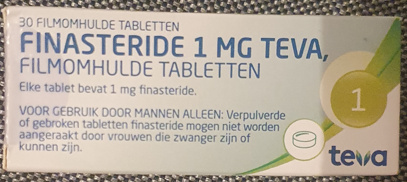
For many men, these risks do not outweigh the benefits of hair retention, but for others, especially those active in fitness or bodybuilding, these considerations can be decisive.
Side effects Finasteride In Women
An important point: Finasteride is NOT approved for use by women, especially by pregnant women or women of childbearing potential.
Why? It may cause severe birth defects, specifically in male foetuses.
For non-pregnant women with hair loss (such as female pattern hair loss):
- Efficacy is much lower than in men
- Hormone disturbance can have serious consequences
- Alternative treatments such as Minoxidil are safer and more effective
Some doctors prescribe off-label Finasteride in women after menopause with severe hair loss, but even then the risk derivatives remain significant.

10 Actionable Tips To Minimize Side Effects 🛡️
Worried about side effects? Don't worry.
Here are proven strategies to reduce the risk DRASTIC:
1. Micro-dosing works! 💊
- 0.2mg per day = 80% efficacy with less risk
- Sharing pills? Create solution: 1mg pill in 5ml alcohol, use 1ml = 0.2mg
- Dose every other day = even less systemic build-up
2. Topical Finasteride = Game Changer 🧴
- Works DIRECT on the scalp
- 70% less systemic absorption
- Almost no sexual adverse reactions reported
3. Nutrition As Medicine 🥦
- Zink: 25-50mg/day = DHT block without adverse reactions
- Saw Palmetto: Natural 5-alpha reductase inhibitor
- Pumpkin seeds: 10g/day reduces DHT naturally
4. Estrogen Blockers Add 🍊
- Crucify vegetables (broccoli, cauliflower) = DIM production
- Citrus fruit = rich in vitamin C = oestrogen killer
- Supplement tip: calcium D-glucarate (500mg/day)
6. Delivery Support = Key 🔑
- Milk thistle (400mg/day) = faster hormone processing
- Turmeric (500mg/day) = anti-inflammatory effect
- Hydration: 3L water = better drug clearance
7. Optimize Sleep = Less Side effects 💤
- 7-8 hours sleep = 31% more testosterone
- Melatonin (1-3mg) = protects against hormonal imbalance
- Dark chamber = better hormone regulation
8. Strategic Timen
- Taking evening
- With food = slower absorption = less peaks
- Consistent time = more stable hormone levels
9. Combine Supplements 💊
- Zinc + Magnesium + B6 (ZMA) = testosterone boost
- Vitamin D3 (5000 IU/day) = hormone optimisation
- Ashwagandha (600mg/day) = lowering stress and cortisol
10. Regular Monitors 📊
- Baseline hormone test before initiation
- Control after 3 months
- Note early warning signs (subtle libido change)
Bonus tip: Start with minimum dose and increase LONG-TERM.
Remember: 96% experience NO problems. With these strategies you make that chance even less! 💯
Create the Balance: Is Finasteride the Value?
Ultimately, this is a personal decision that depends on:
- The severity of your hair loss
- Your sensitivity to potential side effects
- How important your hair is to your self-image and trust
- Your willingness to follow long-term treatment
Alternatives to consider:
- Topical Finasteride (less systemic absorption)
- Minoxidil (acting via another mechanism)
- Microneedling (may improve results without hormone disturbance)
- Laser treatments (proof is mixed but side effects are minimal)
- Acceptance (sometimes the best solution is to embrace your natural look)
Conclusion
Finasteride is not a miracle cure, but it is the most proven drug for male hair loss. With knowledge comes power use this information to make an informed decision about what is best for your particular situation.
Remember: always consult a doctor before starting or stopping Finasteride treatment, and be honest about any side effects you experience.
Whatever your decision is, know that your value is not in your hair density, but in who you are as a person.
Disclaimer: This Article is intended for information purposes only and does not constitute medical advice. Always consult a doctor for personal medical advice.
I've written several articles about Finasteride, are you interested in this? Then I suggest you look at one of the blogs below!
Finasteride or Dutasteride? Which one works better against hair loss?
What are the side effects of Finasteride and how to prevent it?
What are the side effects of Finasteride and how to prevent it?
What exactly happens when you stop taking finasteride?
Does Finasteride stop hair loss over the longer term?
What should you do if you prefer no Finasteride wants to take and what are the best options?
Can Finasteride cause depression?
Why is it a good idea to combine Finasteride and Minoxidil treatments?
Why don't you have to be afraid to use finasteride against hair loss?
How can you treat gynecomastia (chest) formed by Finasteride?
Does Finasteride cause prostate cancer or the opposite?
Will Finasteride influence my results at the gym?
What is the optimal Finasteride dose for the treatment of hair loss?
Is Post Finasteride Syndrome real? What can you do about it?
How long can Finasteride keep her: is it permanent?
Can you still have children after using Finasteride?
How Long Does It Take Before Finasteride Starts Working?
What is the best Finasteride brand and is there any difference at all?
What's the best time to take Finasteride?
Does splitting finasteride tablets affect their effectiveness?
Does Finasteride lower testosterone levels?
Does Finasteride's hair growth affect the whole body?
How well does Topical Finasteride work against hair loss? Better than oral?
Can I Stop Oral Finasteride when Using Topic Finasteride? Read all about Topical Finasteride here!


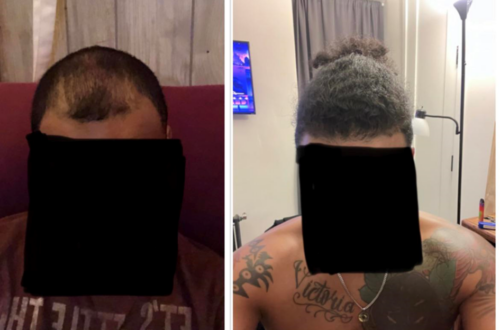


18 reactions
Pingback:
Pingback:
Pingback:
Pingback:
Pingback:
Pingback:
Pingback:
Pingback:
Pingback:
Pingback:
Pingback:
Pingback:
Pingback:
Pingback:
Pingback:
Pingback:
Pingback:
Pingback: