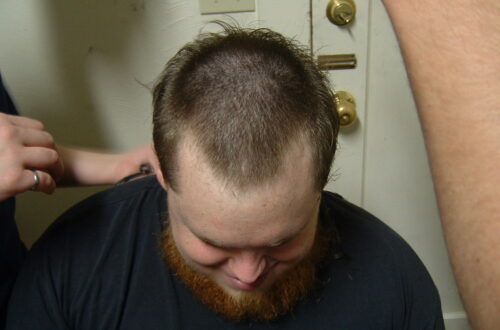
How can you treat gynecomastia (chest) formed by Finasteride?
Okay, let's talk about a subject that many men would rather not talk about: breast growth by finasteride. Yeah, you read it right. That pill you take to keep your hair, it can make your breasts grow. And no, it's not a joke.
I regularly get messages from men who are panicked because they suddenly notice swelling or tenderness in their breasts after they have started finasteride. It is often the same men who have spent months researching the best product against hair loss, but have completely overlooked this particular side effect.
Why? Because there is a lot of misinformation and incomplete information on this subject. Today we are going to change that.
This video explains some solutions!
What Really Happens In Your Body (And Why Your Arts This Often Bagatelliates)
Let's start with the base. Finasteride hampered by brand names such as Propecia and Proscar . This enzyme converts testosterone into DHT (dihydrotestosterone), the hormone responsible for your shrinking hairline.
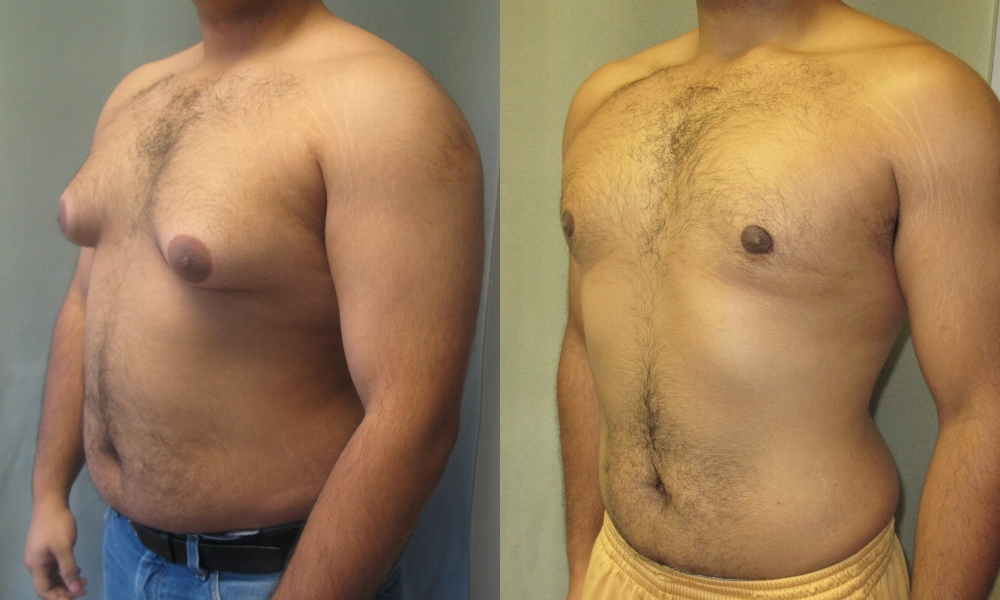
But here's the problem: blocking DHT creates some sort of domino effect in your hormonal system. Your testosterone levels may rise (sounds good, right?), but part of that extra testosterone is converted by the enzyme aromatase to an estradiol form of oestrogen.
And guess what estrogen does to breast tissue? Exactly.
It's like trying to fix a water pipe by turning one tap off, so the water comes from another tap with more pressure. You solve one problem, but you may create another.
The Statistics That you probably don't know
This is where it gets interesting. Official studies claim that gynecomastia occurs in only 0.6% to 1.4% of finasteride users. Doesn't sound so bad, does it?
But here's a big problem: Many men do not report this side effect to their doctor. Why not?
- Shame: Who goes to the doctor to say his breasts are growing?
- Denial: "It's probably just my pectoral muscles growing from the gym"
- Doctors: "Oh, that'll help."
- Lack of consciousness: Many men don't even know this is a possible side effect.
Informal polls on forums such as Reddit and other hair loss communities show that the actual percentage is probably higher. Some users report figures between 5-10%, especially with long-term use.
The Different Types of Breast Growth: Not All Gynaecomastia Is The Same
This is crucial to understand, because it determines your treatment options. There are several types of gynecomastia that can be created by finasteride:
Type 1: Glandular Gynaecomastia
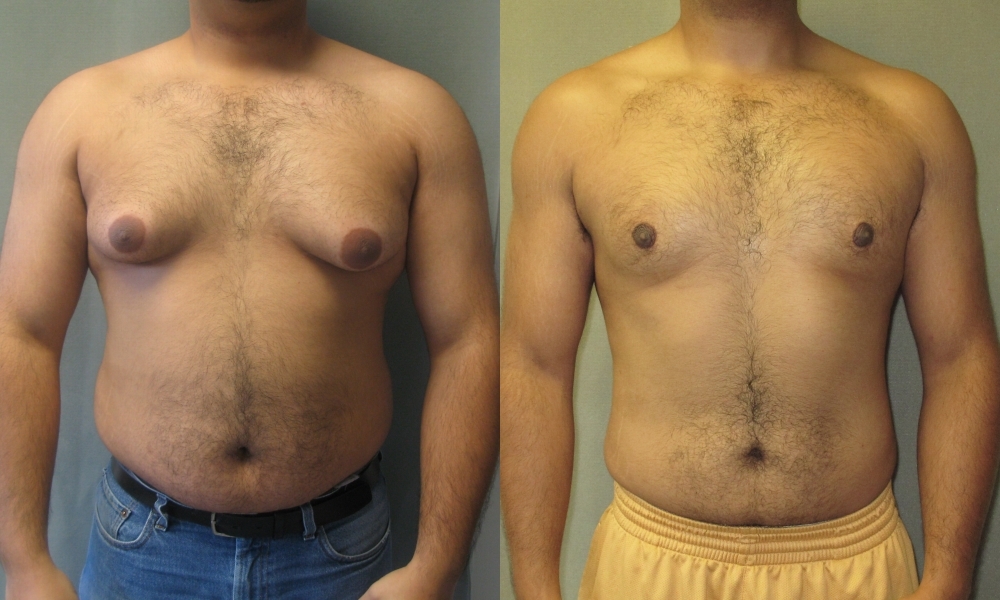
This is "real" gynecomastia where the mammary gland actually grows. You feel a hard, often painful lump behind the nipple. This type is the hardest to treat without surgery.
Type 2: Pseudo-gynaecomastia
These are fat accumulation around the chest, often caused by weight gain (which may also be a side effect of finasteride). This type responds better to diet and sports.
Type 3: Mixed Form
A combination of both, which is most common among long-term finasteride users.
Type 4: Nipple sensitivity
Technically no gynecomastia, but an early warning signal. Many men first notice increased sensitivity of the nipples before actual growth occurs.
Warning Signals You Can't Ignore
FINASTERIDE & GYNAECOMASTIE
Complete Guide to Recognition, Risk Transfer and Treatment
🔬 What's Gynaecomastia like?
Blocks DHT
Production
Testosterone increases
Aromatase active
Oestrogen stimulates
tissue growth
⚠️ Risk factors
📅 Development timeline
📊 Gynaecomastia Classification
💊 Treatment Options
🛡️ Prevention & Monitoring
Before start make photos of your chest for comparison
Feel behind nipples for hardening or nodules
Have estradiol/testosterone checked at initiation
Reduce fatty tissue = less aromatase
Alcohol increases aromatase activity
Stop immediately on first sign
Okay, this is getting personal. I'm gonna tell you what to look for, based on experiences of hundreds of men who've been through this:
Week 1-4 after start finasteride:
- Subtle changes in nipple sensitivity
- Slight swelling that you might attribute to too tight shirts
- Changes in libido (this may be related to hormonal changes)
Month 2-6:
- Clear hardening behind one or both nipples
- Pain upon touch or during exercise
- Visible changes in the shape of your chest (especially visible in profile)
After 6 months:
- Clear enlargement of breast tissue
- Constant sensitivity or pain
- Possible asymmetry between left and right breast
The Treatment Options that Actually Work (And That Not)
Option 1: Stop Finasteride
The obvious advice, but this is where it gets complicated. Gynaecomastia by finasteride is not always reversible, especially after prolonged use. Studies show that:
- For use less than 6 months: 70-80% chance of full regression
- For use longer than 1 year: 30-40% chance of full regression
- For use over 2 years: 10-20% chance of full regression
Option 2: Medication
Tamoxifene is the gold standard. This drug blocks estrogen receptors in the breast tissue. Dosage: usually 10-20mg per day for 3-6 months.
Raloxifene is an alternative with fewer side effects, but also less effective.
Important warning: Use these medicines only under medical supervision. They have their own side effects and interactions.
Option 3: Natural Interventions (With Nuance)
Many websites claim that certain supplements help, but the scientific basis is thin. Which can help:
Zinc Supplementation: Can help regulate aromatase activity DIM (Diindoylmethane): May help with oestrogen metabolism Vitamin D: Deficiencies can exacerbate hormonal problems
But don't expect miracles. This approach only works in mild cases and early detection.
Option 4: Surgery
For severe cases, surgery is often the only option. There are different techniques:
Liposuction: For cases with fat accumulation in particular Excision: For removal of glandular tissue Combined approach: Usually the most effective
Costs vary between €2,000-€6,000, depending on the complexity.
The Costs Nobody Tells You
Let's be honest about money, because this could be pretty expensive:
Medicinal treatment:
- Tamoxifene: €30-50 per month (not reimbursed)
- Raloxifene: €40-70 per month (not reimbursed)
- Hormone tests: €150-300 at a time
- Specialist consultants: €200-400 per visit
Surgical treatment:
- Consultation plastic surgeon: €150-250
- Operation itself: €2,000-6,000
- Aftercare and compression clothing: €200-400
- Possible time off work: variable
Insurance and allowances: Most health insurance companies consider gynecomastia treatment to be cosmetic, unless there is serious mental illness. You can try to get a treatment reimbursed by:
- Generalist reference to endocrinologist
- Psychiatric support for mental illness
- Second opinion with different healthcare providers
Interactions with Other Medicines: The Dangerous Combinations
This is where it gets technical, but important. Finasteride may have interactions that increase the risk of gynaecomastia:
Medicines that increase aromatase activity:
- Some antidepressants (especially SSRIs)
- Antipsychotics
- Certain blood pressure medications
- Spironolactone (ironically also used against hair loss)
Supplements that may exacerbate the problem:
- Soya isoflavones
- Hop extracts
- Lavender oil (topic use)
- Certain herbal teas
Alcohol and drugs:
- Alcohol significantly increases aromatase activity
- Cannabis can disrupt hormonal balance
- Anabolic steroids (for gymgoers among us)
Long Term Health Impact: Further Dan Cosmetics
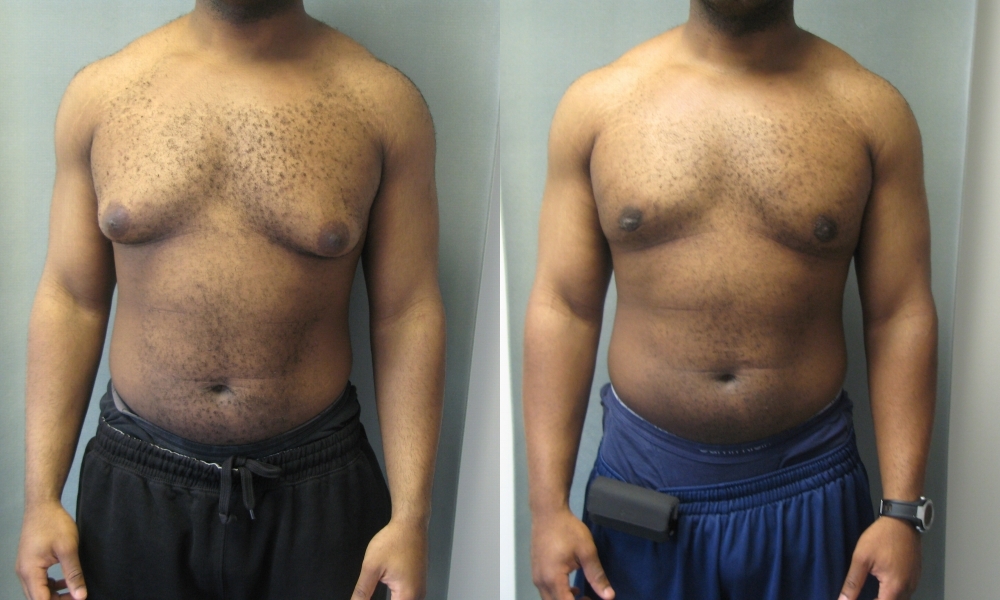
Gynaecomastia by finasteride is not just a cosmetic problem. There are long-term considerations that nobody talks about:
Increased risk of:
- Breast cancer in men (rare but real risk)
- Chronic pain and tenderness
- Skin problems at chest level
- Postal problems caused by compensation mechanisms
Hormonal long-term effects:
- Continuous changes in oestrogen/testosterone ratio
- Possible impact on bone density
- Changes in fat distribution
- Possible cognitive effects
Recovery Timelines: Realistic Expectations
Here are real figures based on follow-up studies:
Stop finasteride alone:
- Month 1-3: Possible further deterioration due to hormone fluctuations
- Month 3-6: Stabilisation, possible slight improvement
- Month 6-12: Maximum natural recovery
- After 12 months: What remains is probably permanent
With tamoxifene treatment:
- Week 2-4: First signs of improvement possible
- Month 2-3: Significant reduction in 60-70% of patients
- Month 6: Maximum effect achieved
- Success ratio: 70-80% with early treatment
After surgery:
- First week: Swelling and pain
- Month 1: Visible improvement
- Month 3: 80% of final result visible
- Month 6-12: Final result
- Satisfaction ratio: 90-95% in good surgeon
The Psychological Impact Nobody Discussing
Let's face it. gynecomastia by finasteride comes with an enormous psychological burden. You started with a medicine to keep your appearance (your hair), and now you have another cosmetic problem.
Many men report:
- Avoid situations where they need to take off their shirt
- Problems with intimacy
- Depression
- Regret about starting finasteride
- Fear of further progression
This is normal and understandable. Get help if you recognize this.
Prevention: What you can do before it's too late
Baseline Measurements: Take photos of your chest before starting finasteride. I know this sounds crazy, but it helps early detection.
Regular Self-examination: Feel weekly behind your nipples for hardening or nodules.
Hormone monitoring: Ask your doctor for regular hormone controls, especially estradiol and testosterone.
Lifestyle Optimization:
- Keep a healthy weight
- Limit alcohol (increased aromatase activity)
- Ensure sufficient sleep
- Eat foods that can inhibit aromatase (green tea, broccoli, mushrooms)
Alternatives For Finasteride who may not call your doctor
Dutasteride: More powerful but also more likely to have side effects Topical Anti-androgens: RU58841 (experimental) Hair transplantation: More expensive but without systemic effects Natural DHT Blockers: Saw Palmetto, Pumpkin Seed Oil (less effective)
What To Do When You Have Al Gynaecomastia
Step 1: Documentation Take pictures and note symptoms. This helps to follow progression or improvement.
Step 2: Medical Evaluation Find a doctor who has experience in finasteride adverse reactions. Not all doctors take this seriously.
Step 3: Treatment plan Discuss all options, including stopping finasteride, medical treatment, or surgery.
Step 4: Accept Timeline Improvement takes time. Be patient but follow the progress closely.
Legal Disclaimers and Liability
It's a subject that isn't discussed very much: your legal status. If you develop gynecomastia by finasteride:
Informed Consumer: Did your doctor adequately inform you of this risk? Medical Malpractice: In serious cases there may be negligence Pharmaceutical liability: Are the side effects adequately listed?
Keep all medical documentation and consider legal advice in case of serious cases.
The Role of Genetics: Why Some More Risk Walk
Recent research indicates genetic factors that increase the risk:
Aromatase polymorphisms: Certain genetic variants lead to higher aromatase activity Oestrogenic receptor sensitivity: Some men have more sensitive receptors DHT sensitivity: Paradoxically, men with lower DHT sensitivity can have more side effects
Genetic tests for these markers are available, but not yet mainstream.
The Uneasy Questions You Must Count
To yourself:
- Is keeping my hair worth the risk of gynecomastia?
- Am I willing to take medication for the rest of my life?
- What if the gynecomastia is permanent?
To your doctor:
- Do you have experience with finasteride-induced gynecomastia?
- What is your protocol for monitoring side effects?
- Are you willing to prescribe tamoxifene if necessary?
Realistic Expectations: The Hard Truth
I'm not gonna lie to you: If you develop gynecomastia through finasteride, there's no guarantee that it'll disappear completely, even if you stop the drug. This is the harsh reality that many men are not prepared for.
But that doesn't mean you're powerless. Early detection and treatment can make a big difference. It doesn't mean that you're stuck with this problem forever.
Community and Support: You're not just standing there.
There are active online communities where men share their experiences with finasteride side effects. Although you have to be careful with anecdotal evidence, these groups can offer valuable practical tips and emotional support.
Search for forums like:
- Reddit communities (r/tressless, r/finasteride)
- Specialized forums for hair loss
- Facebook support groups
The Future: New Developments
Research into safer alternatives to finasteride is ongoing. Topical formulations with less systemic absorption, new mechanisms of action, and personalized medicine offer hope for the future.
Promising developments:
- Topical finasteride with lower systemic absorption
- Selective androgen receptor modulators (SARMs)
- Gene therapy for hair follicles
- Personalized dosage based on genetic profiles
Conclusion: Create an Informed Choice
Finasteride may be effective for hair loss, but gynecomastia is a real side effect that should not be underestimated. The key is consciousness, early detection, and rapid action when you develop symptoms.
Whether you are considering starting with finasteride or already being a user, be proactive in monitoring your body. Your hair is important, but your overall well-being and confidence are more important.
Remember: This is your body and your choice. Don't be pressured by doctors who trivialize side effects, but don't panic because of extreme stories online. Find the balance, stay informed, and make decisions that suit you.
Because in the end it's not just about your hair, it's about how you feel in your own skin.
Do you have any questions about finasteride and gynecomastia? Share your experience in the reactions. Together, we can help others to make better decisions.
I've written several articles about Finasteride, are you interested in this? Then I suggest you look at one of the blogs below!
Finasteride or Dutasteride? Which one works better against hair loss?
What are the side effects of Finasteride and how to prevent it?
What are the side effects of Finasteride and how to prevent it?
What exactly happens when you stop taking finasteride?
Does Finasteride stop hair loss over the longer term?
What should you do if you prefer no Finasteride wants to take and what are the best options?
Can Finasteride cause depression?
Why is it a good idea to combine Finasteride and Minoxidil treatments?
Why don't you have to be afraid to use finasteride against hair loss?
How can you treat gynecomastia (chest) formed by Finasteride?
Does Finasteride cause prostate cancer or the opposite?
Will Finasteride influence my results at the gym?
What is the optimal Finasteride dose for the treatment of hair loss?
Is Post Finasteride Syndrome real? What can you do about it?
How long can Finasteride keep her: is it permanent?
Can you still have children after using Finasteride?
How Long Does It Take Before Finasteride Starts Working?
What is the best Finasteride brand and is there any difference at all?
What's the best time to take Finasteride?
Does splitting finasteride tablets affect their effectiveness?
Does Finasteride lower testosterone levels?
Does Finasteride's hair growth affect the whole body?
How well does Topical Finasteride work against hair loss? Better than oral?
Can I Stop Oral Finasteride when Using Topic Finasteride? Read all about Topical Finasteride here!


You might like this too.

Does Maizena help with hair loss and can it make her fatter?

Does Intermittent Fasting also provide periodic fasting for hair loss or does it help?