Does Finasteride cause prostate cancer or the opposite?
Prostate cancer is a common concern among men, and many are constantly looking for possible causes of this disease. One possible cause that has received a lot of attention in recent years is the use of finasteride, a medicine that is often used against hair loss and an enlarged prostate.
Some studies have suggested that finasteride may increase the risk of prostate cancer while others have not found a significant relationship. Because of this controversial issue many people wonder whether finasteride is safe to use.
Although evidence of the relationship between finasteride and prostate cancer is not entirely consistent, it suggests that the use of finasteride is generally safe for the treatment of benign prostate hyperplasia and male baldness. Men considering using finasteride should discuss the potential risks and benefits with their healthcare provider.
In this blog post we go deeper into the evidence surrounding finasteride and prostate cancer, investigate what the research says and what men need to know before they consider this medication.
What's the connection between Finasteride and the prostate?
Finasteride is a medicine used to treat benign prostate hyperplasia (BPH), which is the enlargement of the prostate gland in men. It works by reducing the production of a hormone called dihydrotestosterone (DHT), which is responsible for the growth of the prostate gland.
Finasteride is also used to treat male baldness, as it can slow hair loss and stimulate hair growth.
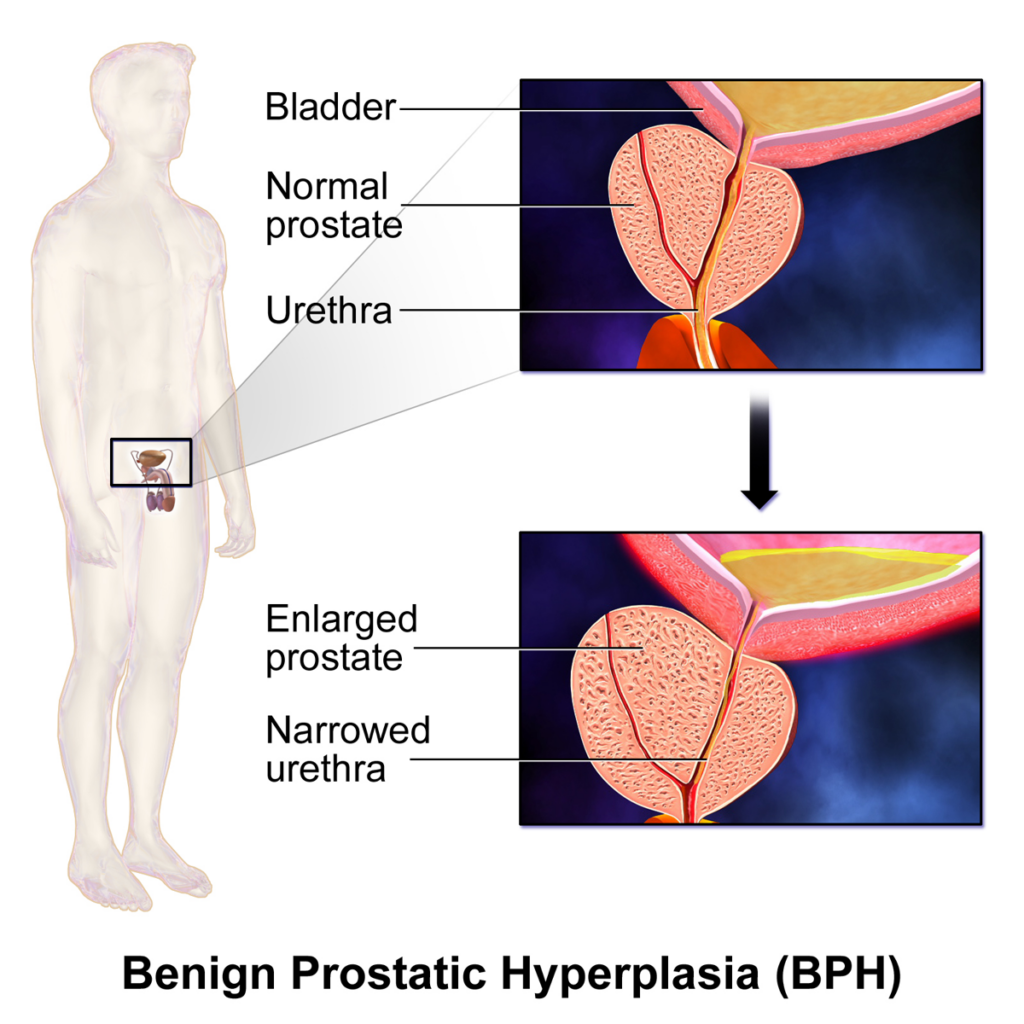
One of the concerns about finasteride is whether it can increase the risk of developing prostate cancer. Prostate cancer is a common type of cancer affecting the prostate gland in men, and it is the second most common cause of death due to cancer in men in the United States.
What exactly does Finasteride do with the prostate?
Finasteride is a medicine that inhibits the activity of an enzyme called 5-alpha reductase. This enzyme is responsible for the conversion of the hormone testosterone into dihydrotestosterone (DHT), a more potent form of testosterone.
In men, DHT is a hormone that is mainly produced in the prostate gland and plays a role in the growth and development of the gland. However, in some men the prostate gland may increase, leading to a condition called benign prostate hyperplasia (BPH).
By inhibiting the activity of 5-alpha reductase, finasteride reduces the production of DHT in the prostate gland. This can help to reduce the size of the prostate gland and improve the symptoms of BPH, such as difficulty passing urine, urgency and urinary frequency.
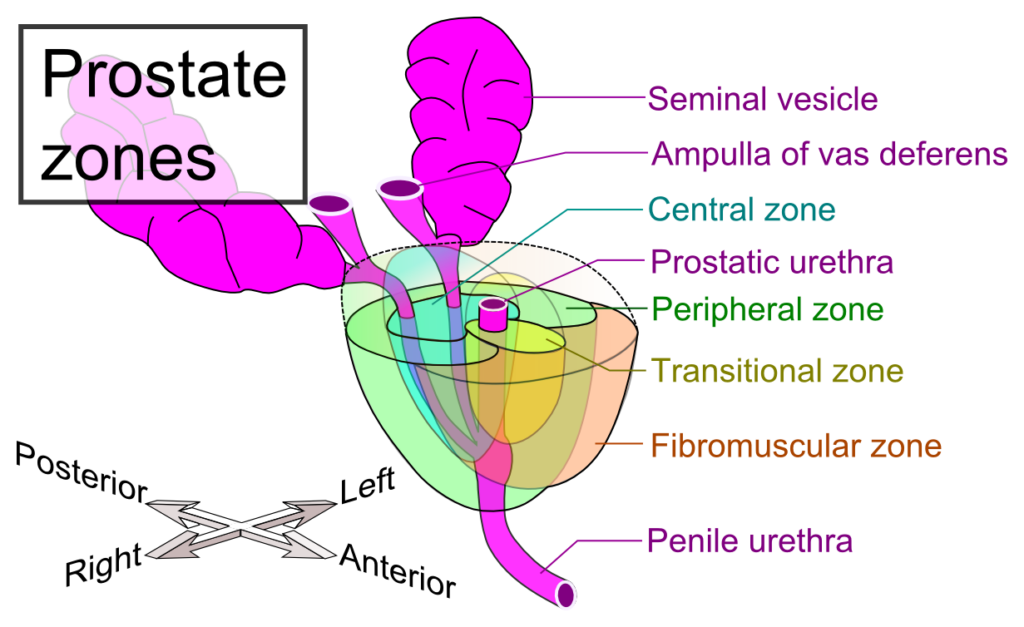
Apart from treating BPH, finasteride is also used to treat baldness in men, because DHT would play a role in hair loss. By reducing the production of DHT, finasteride can slow hair loss in some men and stimulate hair growth.
All in all, finasteride is a medicine that works by reducing the production of DHT, which can help to improve the symptoms of BPH and slow hair loss in men with male baldness.
What does scientific research say about the effect of fiansteride on the prostate?
Research into the relationship between finasteride and prostate cancer has produced somewhat mixed results, with some studies suggesting a potentially increased risk of high-quality prostate cancer when using finasteride, while others have not found a significant link between both.
The Prostate Cancer Prevention Trial (PCPT), a large randomised controlled study, showed that men taking finasteride were 25% less likely to have prostate cancer than men taking placebo.
However, the study also showed that men taking finasteride had a slightly increased risk of high-grade prostate cancer (27% higher than placebo).
Several other observational studies have also reported an increased risk of high-quality prostate cancer when using finasteride, although the general findings were mixed.
For example, a large cohort study involving more than 16,000 men in Sweden showed that men using finasteride were at a slightly higher risk of developing
The results of the PCPT showed that finasteride reduced the overall risk of developing prostate cancer by 25%. However, the study also showed that finasteride was associated with a slightly higher risk of developing high-quality prostate cancer, a more aggressive form of the disease.
In particular, finasteride was associated with a 27% increased risk of high-quality prostate cancer compared to the placebo group.
Since the PCPT several other studies have been carried out to further investigate the relationship between finasteride and prostate cancer.
A meta-analysis of these studies published in the Journal of the National Cancer Institute in 2019 found that finasteride was not associated with an increased risk of general prostate cancer or high-quality prostate cancer.
Although there is still some discussion on the relationship between finasteride and prostate cancer, evidence suggests that finasteride is generally safe and effective for the treatment of BPH and male baldness.
However, it is important for men who consider using finasteride to discuss the potential risks and benefits with their healthcare provider.
high-quality prostate cancer than those who did not use it. However, a meta-analysis of various studies on this subject, published in the Journal of the National Cancer Institute in 2019, found no significant relationship between finasteride use and the overall risk of prostate cancer or the risk of high-quality prostate cancer.
Conclusion
In short, finasteride is a medicine used to treat male baldness. Although there is concern about the relationship between finasteride and prostate cancer, evidence suggests that finasteride is generally safe and effective.
Men considering using finasteride should discuss the potential risks and benefits with their healthcare provider.
Although evidence of the relationship between finasteride and prostate cancer is not entirely consistent, it suggests that the use of finasteride is generally safe for the treatment of benign prostate hyperplasia and male baldness.
Men considering using finasteride should discuss the potential risks and benefits with their healthcare provider.
I've written several articles about Finasteride, are you interested in this? Then I suggest you look at one of the blogs below!
Finasteride or Dutasteride? Which one works better against hair loss?
What are the side effects of Finasteride and how to prevent it?
What are the side effects of Finasteride and how to prevent it?
What exactly happens when you stop taking finasteride?
Does Finasteride stop hair loss over the longer term?
What should you do if you prefer no Finasteride wants to take and what are the best options?
Can Finasteride cause depression?
Why is it a good idea to combine Finasteride and Minoxidil treatments?
Why don't you have to be afraid to use finasteride against hair loss?
How can you treat gynecomastia (chest) formed by Finasteride?
Does Finasteride cause prostate cancer or the opposite?
Will Finasteride influence my results at the gym?
What is the optimal Finasteride dose for the treatment of hair loss?
Is Post Finasteride Syndrome real? What can you do about it?
How long can Finasteride keep her: is it permanent?
Can you still have children after using Finasteride?
How Long Does It Take Before Finasteride Starts Working?
What is the best Finasteride brand and is there any difference at all?
What's the best time to take Finasteride?
Does splitting finasteride tablets affect their effectiveness?
Does Finasteride lower testosterone levels?
Does Finasteride's hair growth affect the whole body?
How well does Topical Finasteride work against hair loss? Better than oral?
Can I Stop Oral Finasteride when Using Topic Finasteride? Read all about Topical Finasteride here!


You might like this too.
Magnesium for hair growth . . .

Does the Supplement PABA affect hair loss?