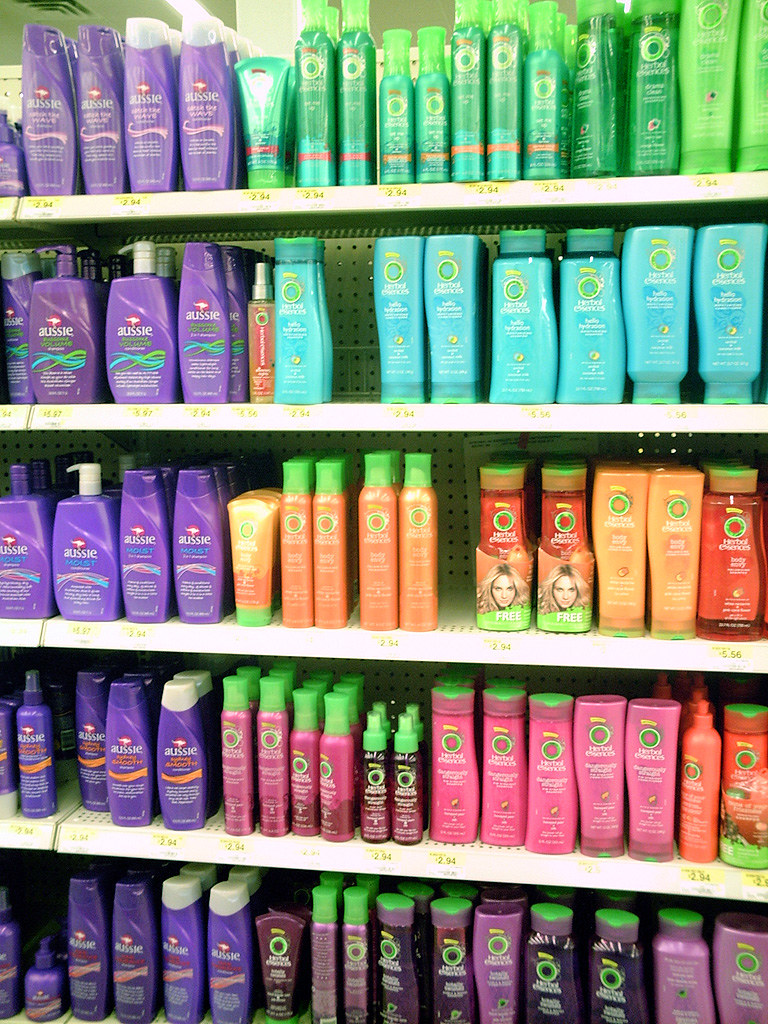
Do conditioners ensure your hair loss? The truth behind conditioners and hair loss
We've all heard rumors that conditioners cause hair loss, but is there any truth in this claim?
The answer is not that simple. Although conditioners themselves do not cause hair loss, certain ingredients in some conditioners may irritate the scalp and lead to hair loss.
Conditioners can be a two-edged sword to the hair. On the one hand, when used correctly and moderately, it can help to maintain healthy and radiant hair.
On the other hand, excessive use or choice of heavy formulas can lead to accumulation and possible hair loss.
It is crucial to choose a conditioner that suits your hair type and use it properly, to maximize positive results and to avoid negative effects.
Let's dive into the science behind hair loss and conditioners to see if there's any connection between the two.
What exactly does a conditioner do to your hair?
Before considering the possible relationship between hair loss and conditioner, it is important to understand how conditioner works.
Each lock consists of overlapping keratin scales, which together are called the hair scales.
The scale layer acts as a protective outer layer for the hair, and when covered with oil, it lays flat and gives the hair a smooth, silky texture with a healthy shine.
However, when the hair scales are up, the hair becomes dull and it gets confused faster.
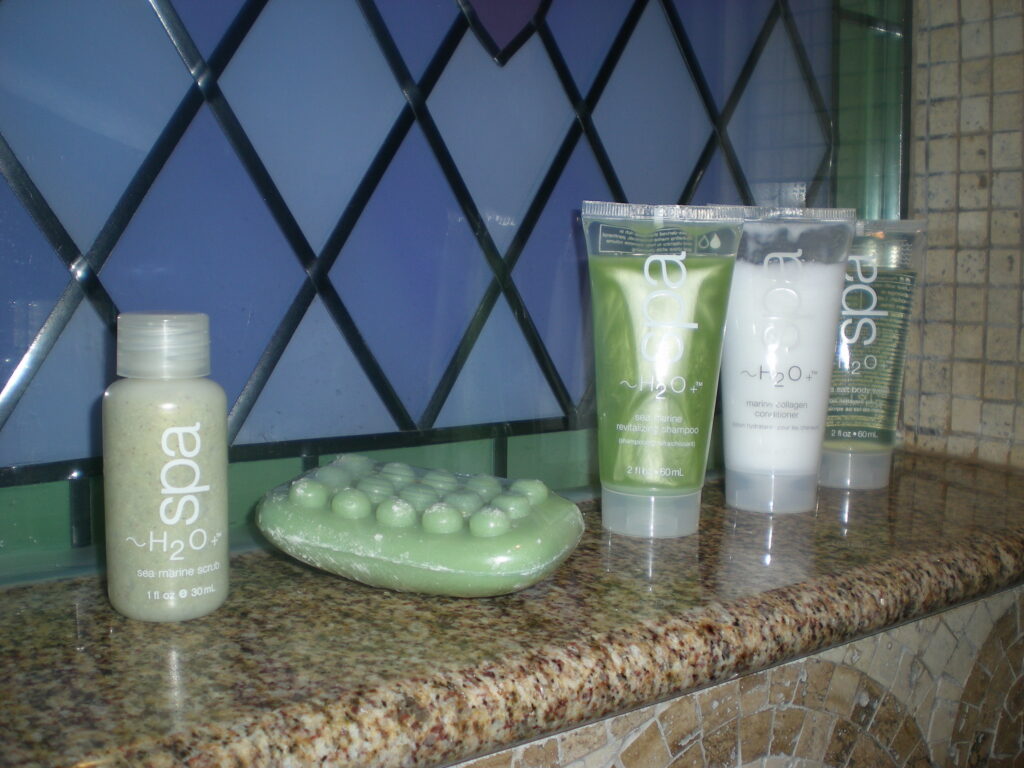
Styling, environmental factors and even shampoo can disturb the hair scales and make them frayed and damaged
Here comes conditioner around the corner.
Conditioners are designed to smooth and cover the hair scales, making the hair shiny and manageable.
Therefore, hair care professionals generally recommend using conditioner after shampoo.
It is also important to use conditioner properly. Too much application or too long working can lead to accumulation.
For best results, apply the conditioner only to the ends of your hair and avoid scalp. Allow to retract for two to three minutes and then rinse thoroughly.
What is the theory behind conditioners as a cause of hair loss?
First, it is important to understand that hair loss is a normal part of the hair growth cycle.
On average, we lose between 50-100 hairs per day, and this may increase due to factors such as age, genetics and stress.
What about conditioners?
Can they actually throw her out? The answer is not that simple.
Although conditioners themselves do not cause hair loss, certain ingredients in some conditioners may irritate the scalp and lead to hair loss.
Ingredients such as sodium lauryl sulphate and sodium lauryl ether sulphate for example are often found in shampoos and conditioners and are known to be hard and strip the hair and scalp.
This can lead to irritation and an increase in hair loss.
The way we apply conditioner can also affect hair loss.
If we apply conditioner too close to the roots or rub too hard on the scalp, the hair follicles may become inflamed and lead to hair loss.

However, too much good can have negative consequences. Although conditioners are intended to moisturize and protect the hair, excessive use or use of heavy, creamy formulas may weigh the hair and leave build-up on the scalp.
This build-up can hide the hair follicles and cause hair loss. Therefore, it is important to choose a conditioner suitable for your hair type.
It is also worth mentioning that there are many other factors that can cause hair loss, such as genetics, hormonal changes and underlying medical conditions.
While it is unlikely that the occasional use of a well-chosen conditioner causes hair loss, it is always a good idea to talk to a doctor or trichologist if you are worried about hair loss or have noticed a sudden increase in hair hair.
What can you do to protect your hair from the negative effects of conditioners? Here are some tips:
Read the ingredients list: Find conditioners that are free of aggressive ingredients such as sodium lauryl sulphate and sodium lauryl ether sulphate. Choose conditioners that are specially formulated for your hair type and needs.
Avoid overconditioning: Although conditioners are important for maintaining healthy hair, overconditioning can lead to build-up and increase your hair, causing it to break and fall out.
. Be careful: When applying conditioner, be careful and do not rub it in the scalp. Instead, focus on the ends of your hair and leave it a few minutes before you rinse it out.
Use a deep conditioner: To give your hair an extra moisture boost, try using a deep conditioner once a week. This helps to repair any damage and keeps your hair healthy.
Should I use Conditioner when my hair becomes thinner?
Sure, using a conditioner is even crucial if you are dealing with thinning hair. I know it sounds counterintuitive.
You'd think, doesn't it make my hair heavier or fatter?
But here's the deal: a good conditioner helps hydrate and strengthen your hair, preventing breakage. It's about finding the right one to match your hair type and condition.
Is it better not to use a Conditioner?
No, I wouldn't say that. Skipping conditioner can make your hair dryer and brittler, which can lead to more hair breakage and loss.
It's like skipping moisturizer for your face; It might seem like a good idea for oily skin, but in the long run it does more harm than good.
Can Conditioner hide the hair bags?
This is a concern I often hear, and it is a valid one. However, conditioners are designed to be applied to your hair, not to your scalp.
If you notice that you suffer from blocked hair follicles or a greasy scalp, you may apply the conditioner too close to your roots.
Try applying it from the middle to the tips of your hair.
Is a Deep Conditioner Good For Thinner Becoming Hair?
Yes, deep conditioners can do wonders for thinning hair by providing intensive hydration and nutrition.
They can help improve the elasticity of your hair and reduce fracture.
I recommend using a deep conditioner once a week as part of your hair care routine.
Does Conditioner Make Hair Thinner Or Dikker?
A good conditioner won't make your hair thinner. On the contrary, it can give her a fuller look by moisturizing and feeding it, making every hair stronger.
However, if you use a product that is too heavy for your hair type, it can weigh your hair and give a flatter appearance, which seems thinner.
Which conditioner is the best against hair loss?
Search for conditioners that contain ingredients known for their hair strengthening properties, such as biotin, keratin, and natural oils such as argan oil or coconut oil.
Personally, I have good experiences with products specifically designed for thinning hair; They are lighter and focus on strengthening the hair fibers.
Is Conditioner Thin Haar making dikker?
Although no product can permanently change your hair type, the right type of conditioner can certainly help to give thin hair a thicker, fuller feel and appearance.
This is due to the moisturizing and strengthening ingredients that help to improve your hair's health, allowing every hair to perform optimally.
Taking care of thinning hair can be a challenge, but with the right knowledge and products it is possible to keep your hair healthy and strong.
Remember, your hair is as unique as you are; What works for one might not work for the other. Experiment, and find what works best for you.
And as always, if you have any questions, drop them below. Let's help each other on our hair care trips.
Conclusion
Although conditioners in themselves do not cause hair loss, certain ingredients in some conditioners and the way we apply them can lead to more hair loss.
To avoid the negative effects of conditioners, choose conditioners with soft ingredients, avoid overconditioning, be careful when applying and use a deep conditioner.

Conditioners can have both positive and negative effects on the hair. When used correctly and in moderation, they can help to keep the hair healthy and shiny.
However, excessive use or use of heavy formulas can lead to accumulation and possible hair loss.
Always choose a conditioner suitable for your hair type and use it in the right way to reap the benefits and to avoid negative effects.
There you go! You don't have to be afraid of conditioners, just pay attention to the ingredients and the way you use them, and your hair will be healthy and strong.


You might like this too.
Beer Gist For Hair Growth: Does it work or not?

Why is your eyebrow dropping her out? What to do?