

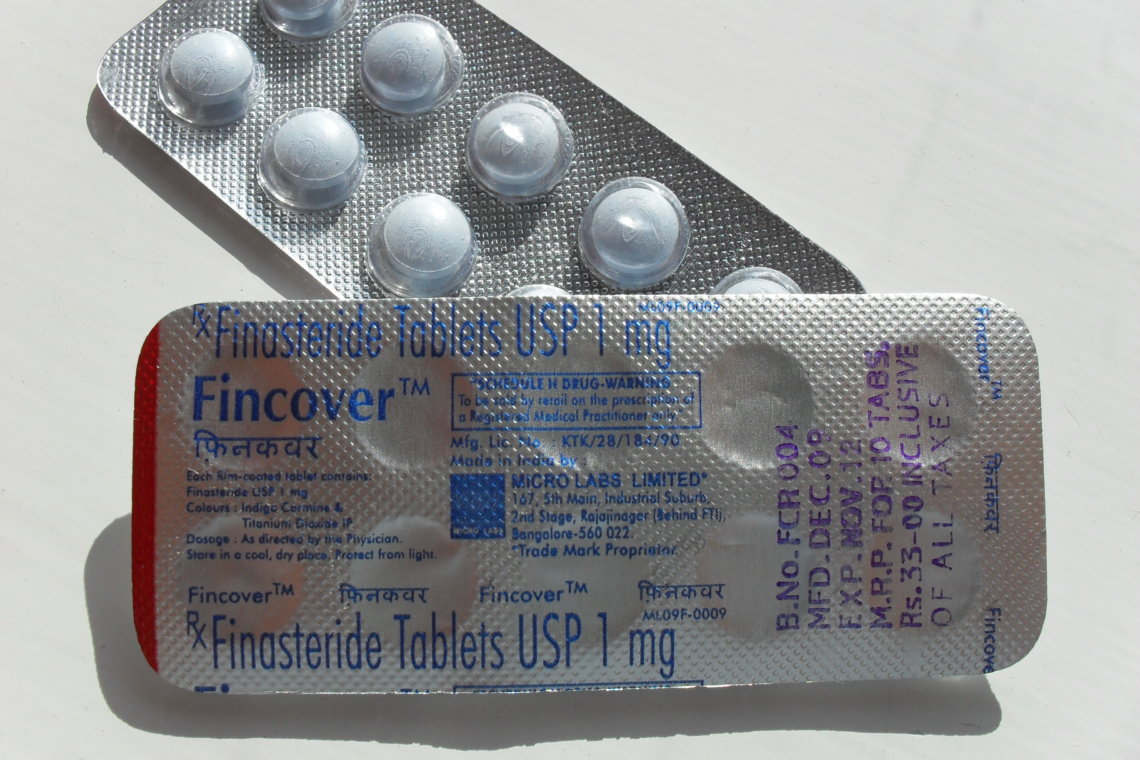
Does Finasteride stop hair loss over the longer term?
Hair loss is a common problem for many people, affecting both men and women. Although a number of treatments are available, finasteride is one of the most commonly used medicines to stop hair loss and promote hair growth. But does finasteride long-term hair loss stop?
It is important to note that finasteride may be effective in stopping hair loss, but it is not a cure.
If you stop finasteride, your hair loss is likely to resume.
Therefore, it is important to take the medication regularly, as prescribed by your doctor, to maintain the benefits.
Finasteride is a long-term solution for hair loss, and it is usually recommended for men who have had hair loss for at least a year.
The results of finasteride are not immediate, and it may take several months for you to see any improvement in your hair.
However, once the medication starts to work, the results can be pretty dramatic. In clinical studies up to two thirds of men using finasteride saw a noticeable improvement in the thickness and fullness of their hair.
This is a question that many people have, and in this blog we go deeper into the answer.
If you want to know more about Finasteride, click on the link or scroll to the bottom of the blog for all covered topics.
How exactly does Finasteride work?
First of all, it is important to understand what finasteride is and how it works. Finasteride is a prescription medicine that is marketed under the brand name Propecia.
It is an oral medicine used to treat male baldness, the most common form of hair loss in men.

Finasteride works by blocking the conversion of testosterone into dihydrotestosterone (DHT), a hormone responsible for causing hair loss in men.
By blocking this conversion, finasteride helps to stop hair loss and to promote hair growth.
What does scientific research on Finasteride hair loss say about longer term?
Studies have shown that finasteride can be effective in stopping hair loss and even promoting hair growth in men with hair loss according to the male pattern.
In a one-year clinical study, men taking finasteride experienced a significant reduction in hair loss and an increase in Hair growth compared to those taking placebo.
Another study showed that men who used finasteride for five years were less hair loss and improved hair density compared to those who did not take the medication.

The results of various clinical studies have shown that finasteride can effectively stop hair loss and promote hair growth in men with male baldness.
In a clinical study of 2 years men taking 1 mg of finasteride per day showed a significant improvement in the number of hair compared to those taking placebo.
Another 5-year study showed that 83% of men taking finasteride kept or increased their hair count, while only 47% of men taking placebo showed the same result.
In addition, a 6-month study in men taking 1 mg finasteride per day showed that they experienced an average improvement of 68% in hair density compared to baseline.
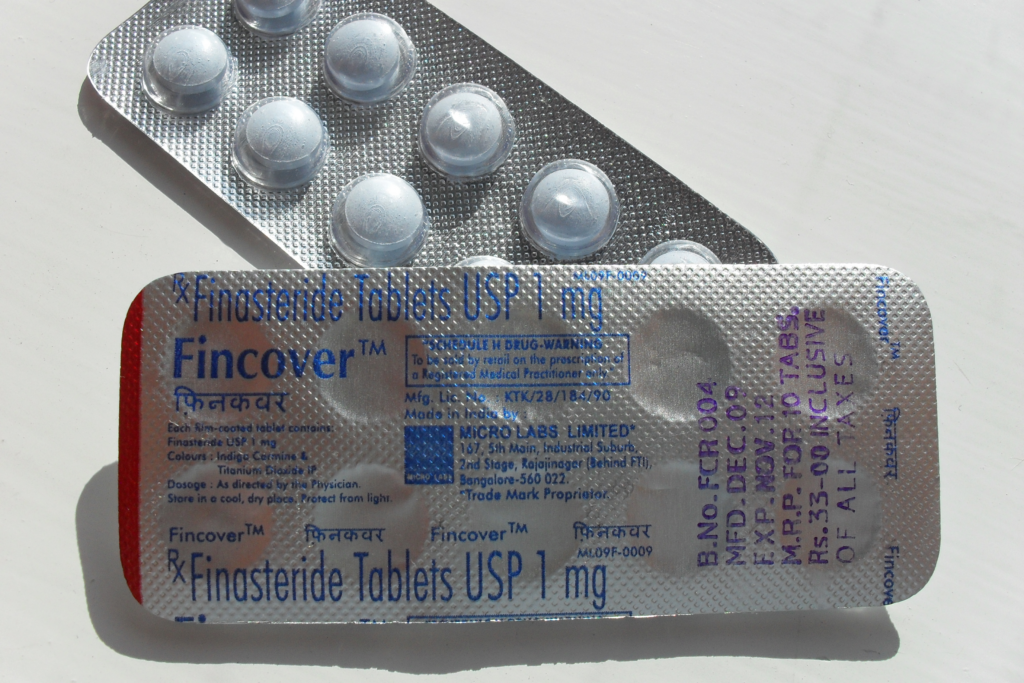
It should be noted that finasteride is more effective in some people than in others, and that results may vary based on individual factors such as age, genetics and the stage of hair loss. T
och suggest the results of these studies that finasteride for many men with male baldness can be a useful means to stop hair loss in the long term.
It is important to note that finasteride is a prescribed medicine and should only be taken under the supervision of a healthcare professional.
If you are considering using finasteride to stop hair loss, it is important to have a conversation with your healthcare professional to determine whether it is the right option for you, and to understand the potential benefits and risk derivatives of the medication.
So does finasteride long-term hair loss stop?
Now let's see if finasteride hair loss stops in the long run. The answer is yes and no.
Although finasteride has been proven to be effective in stopping hair loss and promoting hair growth in many people, it is not a permanent solution.
To maintain the benefits of finasteride, you must continue to take the medication. If you stop finasteride, your hair loss is likely to resume.
It is also important to know that finasteride is not a cure for hair loss. It is a treatment that can help to slow the progress of hair loss, but it will not be able to completely reverse it. However, for many people this is still a significant improvement.

Another thing to keep in mind is that finasteride doesn't work for everyone.
Although it is an effective treatment for many people, some people may not see improvement or experience side effects.
If you are considering finasteride as treatment for your hair loss, it is important to discuss the potential benefits and risks with your doctor.
In short, finasteride can stop hair loss in many people and promote hair growth. However, it is not a permanent solution and you must continue to take the medication to maintain the benefits.
Moreover, finasteride does not work for everyone and it is important to discuss the potential benefits and risks with your doctor before starting treatment.
If you are struggling with hair loss and are looking for a solution, finasteride may be worth considering as a treatment option.
How many years can finasteride help on average to keep your hair?
The extent to which finasteride can help to maintain hair differs per person, and there is no one-size-fits-all answer.
On average, clinical studies show that finasteride can significantly delay the progression of male baldness (androgenic alopecia) and may help to maintain existing hair for a significant period.
In long-term studies, many men using finasteride experienced a reduction in hair loss and improved hair density compared to those not taking the medicine.
The exact duration of how many years finasteride hair retention may add, however varies from person to person.
It is important to note that individual reactions to finasteride differ, and factors such as the stage of hair loss, compliance with the treatment regime and genetic predisposition all play a role.
Consult a healthcare professional for personal advice based on your specific situation and to discuss possible benefits and considerations related to the use of finasteride.
Can finasteride grow her back in bald spots?
Finasteride can stimulate hair growth in areas where hair follicles are still active but are minimized. It is, however, generally less successful in fully growing back from hair to full bald places.
The effectiveness of finasteride may vary based on factors such as the degree of hair loss, duration of drug use and individual reactions to the medicine.
It is important to consult with a healthcare professional or dermatologist.
They can provide personal advice, assess your specific situation, and discuss possible benefits and risks based on your health history.
Does finasteride lose its effectiveness over time?
It is known that the effectiveness of finasteride may vary between individuals over time.
Some people initially experience positive results, such as reduction of hair loss and possible regeneration of hair.
Others may notice less improvement or decrease effects over the years.
There are no clear guarantees about how long finasteride remains effective for a particular person.
Some people may see positive results over many years, while others experience a decrease in effectiveness over time.
Can finasteride work for 20 years?
Regarding the use of finasteride for 20 years, there are studies and long-term follow-ups suggesting that the medicine may remain effective in some people for a longer period of time. However, there are also individual variations, and not everyone will experience the same degree of success.
It is essential to remember that the response to finasteride is individual, and it is possible that the effectiveness may decrease or vary between people over time.
If you are considering taking finasteride for a long period of time, it is advisable to consult your doctor regularly to discuss the benefits and possible side effects and to ensure that it is still a suitable treatment for you.
Conclusion
It is important to note that finasteride may be effective in stopping hair loss, but it is not a cure.
If you stop finasteride, your hair loss is likely to resume.
Therefore, it is important to take the medication regularly, as prescribed by your doctor, to maintain the benefits.
If you are considering finasteride as a solution to your hair loss, it is important to discuss with your doctor whether it is appropriate for you.
Finasteride may cause certain side effects, such as reduced sex drive or impotence, so it is important to consider the potential benefits and risk derivatives before starting treatment.
In addition, finasteride is not suitable for women who are or may become pregnant, as it may cause birth defects in male foetuses.
All in all, finasteride can be an effective solution for men struggling with hair loss. However, as with any medicine, it is important to weigh the potential benefits and risks and to discuss with your doctor whether it is appropriate for you.
I've written several articles about Finasteride, are you interested in this? Then I suggest you look at one of the blogs below!
Finasteride or Dutasteride? Which one works better against hair loss?
What are the side effects of Finasteride and how to prevent it?
What exactly happens when you stop taking finasteride?
Does Finasteride stop hair loss over the longer term?
What should you do if you prefer no Finasteride wants to take and what are the best options?
Can Finasteride cause depression?
Why is it a good idea to combine Finasteride and Minoxidil treatments?
Why don't you have to be afraid to use finasteride against hair loss?
How can you treat gynecomastia (chest) formed by Finasteride?
Does Finasteride cause prostate cancer or the opposite?
Will Finasteride influence my results at the gym?
What is the optimal Finasteride dose for the treatment of hair loss?
Is Post Finasteride Syndrome real? What can you do about it?
How long can Finasteride keep her: is it permanent?
Can you still have children after using Finasteride?
How Long Does It Take Before Finasteride Starts Working?
What is the best Finasteride brand and is there any difference at all?
What's the best time to take Finasteride?
Does splitting finasteride tablets affect their effectiveness?
Does Finasteride lower testosterone levels?
Does Finasteride's hair growth affect the whole body?
How well does Topical Finasteride work against hair loss? Better than oral?
Can I Stop Oral Finasteride when Using Topic Finasteride? Read all about Topical Finasteride here!







One reaction
Pingback: