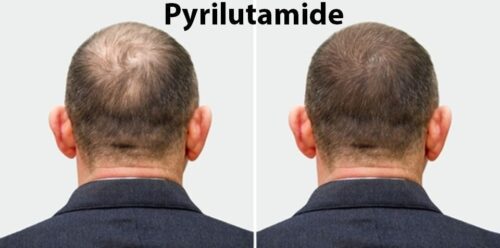
Does Finasteride's hair growth affect the whole body?
Finasteride is a known medicine because of its effectiveness in treating male baldness (androgenic alopecia) by preventing the conversion of testosterone to dihydrotestosterone (DHT), a hormone associated with hair loss.
In conclusion, finasteride is a widely used and effective treatment for male baldness, and the impact on body hair growth is minimal. It is crucial that individuals considering finasteride have a clear understanding of the mechanism of action, possible effects and possible side effects.
However, there is a common myth and care in people who consider finasteride that it can lead to excessive hair growth throughout the body. In this blog post we will discuss the science behind finasteride, its mechanisms of action, and refute the misconception that it causes unwanted body hair growth.
Understanding the Mechanism of Action of Finasteride
Before we treat the myth, it is essential to understand how finasteride works and why it is primarily focused on the scalp. Finasteride belongs to the class of medicines called 5-alpha reductase inhibitors.
It works by specifically inhibiting the enzyme 5-alpha reductase, which is responsible for the conversion of testosterone to DHT. DHT binds, in humans genetically susceptible to hair loss, to hair follicles, causing them to shrink and eventually lead to hair loss.
By lowering the levels of DHT, finasteride helps to maintain the health of existing hair follicles and stimulates hair growth.
The Myth of Excessive Body Hair Growth
The idea that finasteride can lead to excessive body hair growth is a misconception. This myth is probably due to a misconception of the mechanism of action of finasteride and its specificity.
Finasteride is designed to target type II 5-alpha reductase enzyme, which is mainly found in the prostate gland, hair follicles and some other tissues.
It does not significantly affect the type I 5-alpha reductase enzyme, which is responsible for converting testosterone into DHT in other parts of the body, such as skin and hair follicles elsewhere on the body.
Scientific Evidence
Numerous clinical trials and studies have been conducted to assess the safety and efficacy of finasteride.
None of these studies reported a significant increase in body hair growth as an adverse reaction. The specific targeting of type II 5-alpha reductase enzyme, primarily found in the scalp and prostate, ensures that the effects of the medication are limited to these areas.
Addressing the Misunderstanding
The misunderstanding about finasteride and body hair growth may have been caused by its positive effects on head hair. In some cases, people who have successfully used finasteride to combat male baldness have noticed improvements in the appearance of their facial hair.
This can be attributed to the effect of the medication on facial hair follicles, which are also sensitive to DHT.

However, it is important to clarify that these effects are generally subtle and not the same as promoting the growth of coarse or excessive body hair.
Finasteride will not turn an individual into a "werewolf" with excessive body hair. The effect on facial hair is often considered a cosmetic benefit by some users, but it is not the primary purpose of the medication.
Additional Considerations on this topic
Of course there are several additional aspects and considerations regarding the impact of finasteride on hair growth and possible concerns. Let's explore this in more detail:
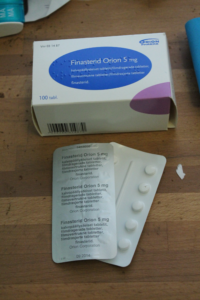
- Maintenance of Existing Hair:
- Finasteride is often used as maintenance treatment to slow or stop the progression of male baldness. It is effective to retain the hair that a person still has, rather than significantly regrowing it in completely bare areas. This underlines the importance of early treatment when hair loss is in the initial phase.
- Finasteride is often used as maintenance treatment to slow or stop the progression of male baldness. It is effective to retain the hair that a person still has, rather than significantly regrowing it in completely bare areas. This underlines the importance of early treatment when hair loss is in the initial phase.
- Individuele Reactie:
- The response to finasteride may vary from person to person. Although many people experience positive results, not everyone reacts in the same way. Some see significant hair growth, while others only experience a delay in hair loss.
- The response to finasteride may vary from person to person. Although many people experience positive results, not everyone reacts in the same way. Some see significant hair growth, while others only experience a delay in hair loss.
- Time frame:
- The effects of finasteride are not immediately visible. It usually takes several months of consistent use to see noticeable improvements in hair density. Patients are often advised to be patient and to continue treatment for at least one year to fully assess efficacy.
- The effects of finasteride are not immediately visible. It usually takes several months of consistent use to see noticeable improvements in hair density. Patients are often advised to be patient and to continue treatment for at least one year to fully assess efficacy.
- Bijwerkingen:
- Like any drug, finasteride can have side effects. These may be sexual side effects such as decreased libido, erectile dysfunction or ejaculation disorders in a small percentage of users. It is essential to discuss possible side effects with a care professional before starting treatment.
- Like any drug, finasteride can have side effects. These may be sexual side effects such as decreased libido, erectile dysfunction or ejaculation disorders in a small percentage of users. It is essential to discuss possible side effects with a care professional before starting treatment.
- Dosering:
- The most commonly prescribed dose of finasteride for male baldness is 1 mg per day. It is important to follow the recommended dose and not to increase it without guidance from a healthcare professional. Higher doses do not necessarily lead to better results and may increase the risk of side effects.
- The most commonly prescribed dose of finasteride for male baldness is 1 mg per day. It is important to follow the recommended dose and not to increase it without guidance from a healthcare professional. Higher doses do not necessarily lead to better results and may increase the risk of side effects.
- Alternatives:
- Some people opt for alternative treatments for hair loss, such as minoxidil (a topical solution) or hair transplant surgery. These treatments can be used alone or in combination with finasteride, depending on the needs and preferences of the individual.
- Some people opt for alternative treatments for hair loss, such as minoxidil (a topical solution) or hair transplant surgery. These treatments can be used alone or in combination with finasteride, depending on the needs and preferences of the individual.
- Long-term use:
- For those who choose to use finasteride for a long time, regular monitoring by a healthcare professional is essential. This allows monitoring of possible adverse reactions and ensures continued suitability of treatment.
- For those who choose to use finasteride for a long time, regular monitoring by a healthcare professional is essential. This allows monitoring of possible adverse reactions and ensures continued suitability of treatment.
- Consultation on Hair loss:
- Persons who are concerned about hair loss should consider consulting a dermatologist or a care professional with expertise in hair and head disorders. These specialists can carry out a thorough evaluation, make personalized recommendations and discuss different treatment options.
- Combinatietherapie:
- Some people can benefit from a combination of treatments. For example, the use of finasteride together with minoxidil can provide a comprehensive approach to hair loss by addressing both the hormonal and topical aspects of the disease.
Conclusion
In summary, the myth that finasteride leads to excessive body hair growth is unfounded and is not supported by scientific evidence. The mechanism of action of finasteride specifically targets the scalp and prostate, and it does not significantly affect body hair growth.
If you are considering finasteride for the treatment of male baldness, you can be confident that it is unlikely to cause unwanted body hair growth.
As with any medicine, it is advisable to consult with a healthcare professional before starting treatment to ensure that it is suitable for your specific needs and to discuss possible side effects and benefits.
I've written several articles about Finasteride, are you interested in this? Then I suggest you look at one of the blogs below!
Finasteride or Dutasteride? Which one works better against hair loss?
What are the side effects of Finasteride and how to prevent it?
What are the side effects of Finasteride and how to prevent it?
What exactly happens when you stop taking finasteride?
Does Finasteride stop hair loss over the longer term?
What should you do if you prefer no Finasteride wants to take and what are the best options?
Can Finasteride cause depression?
Why is it a good idea to combine Finasteride and Minoxidil treatments?
Why don't you have to be afraid to use finasteride against hair loss?
How can you treat gynecomastia (chest) formed by Finasteride?
Does Finasteride cause prostate cancer or the opposite?
Will Finasteride influence my results at the gym?
What is the optimal Finasteride dose for the treatment of hair loss?
Is Post Finasteride Syndrome real? What can you do about it?
How long can Finasteride keep her: is it permanent?
Can you still have children after using Finasteride?
How Long Does It Take Before Finasteride Starts Working?
What is the best Finasteride brand and is there any difference at all?
What's the best time to take Finasteride?
Does splitting finasteride tablets affect their effectiveness?
Does Finasteride lower testosterone levels?
Does Finasteride's hair growth affect the whole body?
How well does Topical Finasteride work against hair loss? Better than oral?
Can I Stop Oral Finasteride when Using Topic Finasteride? Read all about Topical Finasteride here!


You might like this too.

Biotin & Hair loss: Truth or Marketing Hype? 🔍

Tea Tree oil and its possible effect against hair loss!