


Does Finasteride lower testosterone levels?
Finasteride is a medicine known for its effectiveness in the treatment of male baldness (androgen alopecia) and benign prostate hyperplasia (BPH). However, there is ongoing discussion and concern about the possible influence of Finasteride on testosterone levels in the body. In this blog we will explore the scientific evidence surrounding the question:
Is Finasteride lowering testosterone levels? We will address the working mechanisms, research results, deal with frequently asked questions and provide a comprehensive overview of this important issue.
Understanding Finasteride
Before going into the relationship between Finasteride and testosterone levels, it is essential to understand how this medicine works and why it is prescribed for certain conditions:
Mechanism of action
Finasteride is a type II 5-alpha reductase inhibitor. It works by blocking the conversion of testosterone to dihydrotestosterone (DHT), a more powerful androgen hormone. DHT is responsible for shrinking hair follicles in persons with male baldness and contributes to the growth of the prostate gland at BPH.
Use
Finasteride is mainly prescribed for two purposes:
- Treatment of Male Baldness (Androgenic Alopecia): Finasteride is used to slow or reverse hair loss in men with hereditary male baldness.
- Management of Beneficial Prostatic Hyperplasia (BPH): In older men, Finasteride is prescribed to reduce the size of the prostate gland and relieve symptoms associated with BPH, such as frequent urination.
Does Finasteride lower testosterone levels?
The relationship between Finasteride and testosterone levels is a subject of interest and research. This is what the scientific evidence suggests:
Effect on Testosterone levels
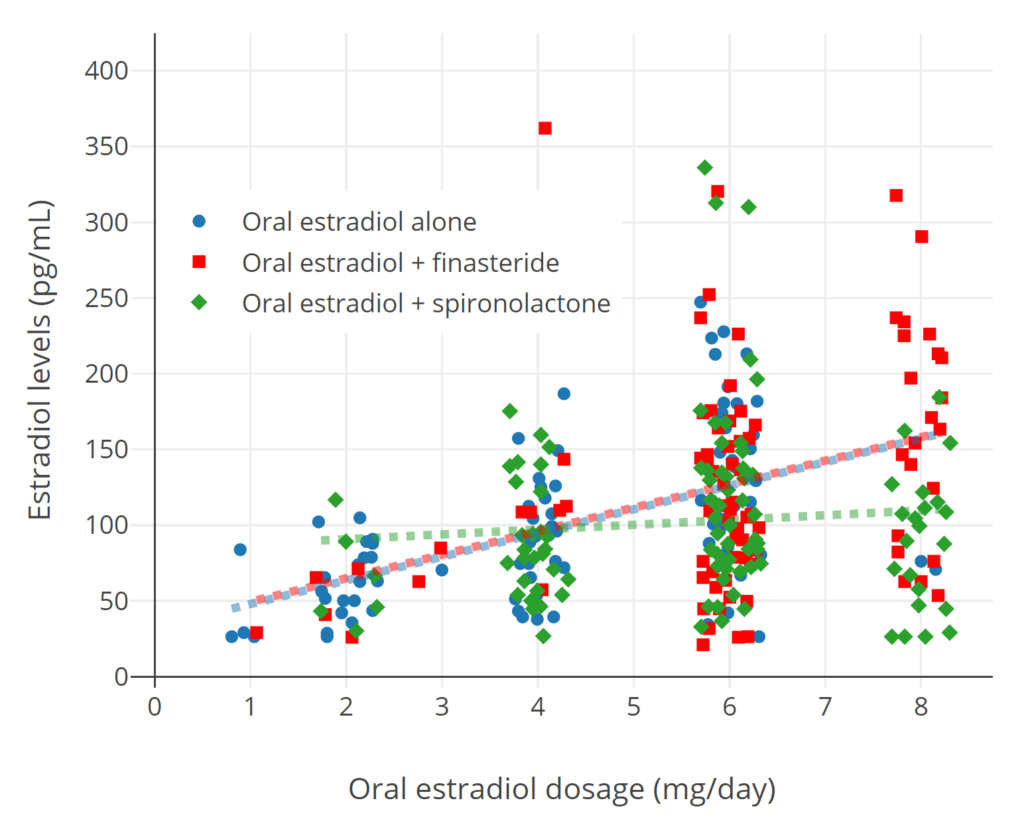
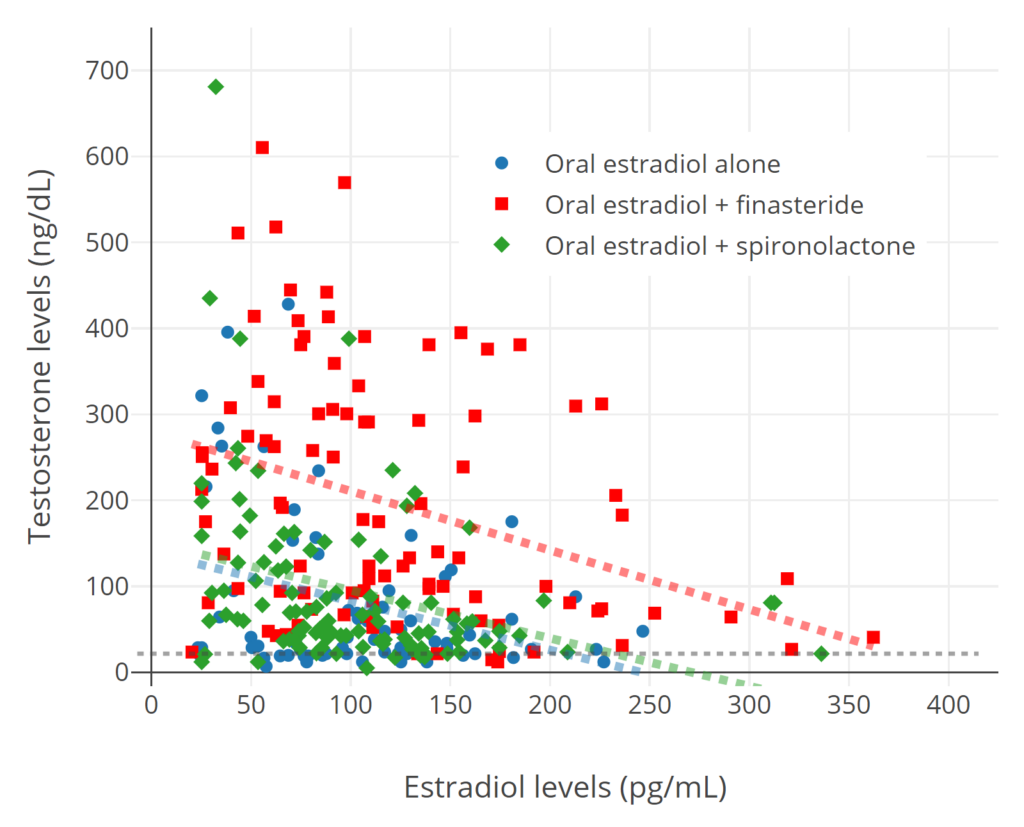
Research has shown that Finasteride does not significantly reduce total testosterone levels in the body. Instead, it essentially affects the DHT levels. Although some studies have reported slight decreases in testosterone levels, these are generally not considered clinically significant.
DHT Reduction
The primary effect of Finasteride is to reduce the DHT levels. DHT is a more powerful form of testosterone, and its role in hair loss and prostate growth makes it a target for treatment. By inhibiting the conversion of testosterone into DHT, Finasteride helps to maintain hair follicles and reduce prostate enlargement.
Free Testosterone
Although total testosterone levels may not significantly change with Finasteride, some studies have shown a slight increase in free testosterone levels. Free testosterone is the form of testosterone that is not bound to proteins and is considered more biologically active.
Hormonal Balance
Finasteride is generally well tolerated and does not lead to hormonal imbalances among most people. It does not affect the production of testosterone by the testicles and does not interfere with other hormones in the endocrine system.
FAQ
To provide a more comprehensive understanding of the subject, let us address some frequently asked questions about Finasteride and its effects on testosterone levels:
Can Finasteride cause sexual side effects?
Yes, Finasteride can cause sexual side effects in a small percentage of users. These side effects may include decreased libido, erectile dysfunction and a decrease in ejaculation volume. These side effects usually disappear after the medicine has stopped.
Is Finasteride safe for long-term use?
Finasteride is considered safe for long-term use when prescribed by a medical professional. It is essential to follow the prescribed dose and talk to a doctor if you are worried or experience any side effects.
Does Finasteride affect fertility?
There is limited evidence suggesting that Finasteride may affect sperm quality and fertility in some individuals. However, the impact is generally reversible upon discontinuation of the medicine. If you are planning to try to get pregnant, discuss this with your healthcare professional.
Can women use Finasteride?
Finasteride is not recommended for women, especially for pregnant women, as it may potentially harm a developing fetus. It is usually prescribed to men with male baldness or BPH.
Can Finasteride be used in combination with other hair loss treatments?
Yes, Finasteride can be used in combination with other treatments for hair loss, such as minoxidil. Combining treatments can provide more extensive results in managing hair loss.
Posology and duration of treatment
Discuss the recommended dosage and treatment time for Finasteride. Highlight the importance of following the prescribed regimen and not adjusting the dosage without advice from a medical professional.
Clinical Studies
Specify specific clinical studies or studies that have investigated the relationship between Finasteride and testosterone levels. Explain remarkable findings or conclusions from these studies to provide readers with concrete evidence.
Adverse Reactions and Their Management
Explore the possible side effects of Finasteride, including sexual side effects. Explain that although these side effects are rare, they should be reported to a medical professional if they are experienced. In addition, indicate strategies for managing or reducing these adverse reactions, such as dose adjustment or discontinuation.
Alternatives to Finasteride
Acknowledging that Finasteride may not be suitable for everyone and that there are alternative treatments for hair loss and BPH. Name other medicines, such as dutasteride, and non-pharmaceutical options such as hair transplant for hair loss.
Consultation with a Medical Professional
Stress the importance of consulting a qualified medical professional before you start using or stopping a medicine, including Finasteride. Encourage readers to have open and informed discussions with their medical professionals to make the best decisions for their health.
Experiences of Patients
Share some anecdotal experiences or testimonies of individuals who have used Finasteride for hair loss or BPH. Express both positive and negative experiences to provide a balanced perspective.
Future Research and Developments
Please mention that ongoing research continuously improves our knowledge about the effects of Finasteride and its alternatives. Please note that new developments and treatments may appear in the future.
Regulatory Approval and Safety
Discuss the regulatory approval of Finasteride by relevant health authorities (such as the FDA in the United States) and the thorough safety assessments carried out during the approval process.
Personal Approach
Emphasise that the decision to use Finasteride or any other medicine should be personalised based on the specific health status, goals and risk factors of an individual.
Support and Resources
Provide information about support groups, forums or resources where individuals can find additional information and contact others who have had similar experiences with Finasteride.
By including these additional points, your blog will provide a more comprehensive and balanced perspective on the subject of Finasteride and the potential impact on testosterone levels, allowing readers to make informed decisions about its use
Conclusion
Finally, Finasteride is a drug that is often prescribed in male baldness and benign prostate hyperplasia. Although it inhibits the conversion of testosterone to dihydrotestosterone (DHT), it does not significantly reduce total testosterone levels in the body.
The decrease in DHT levels is the primary mechanism of action responsible for its effectiveness in the treatment of hair loss and BPH.
It is important to note that Finasteride may have possible side effects, including sexual side effects, although these are generally rare and reversible.
The decision to use Finasteride should be made in consultation with a medical professional, who can assess your specific needs and discuss any concerns.
As with any medicine, the individual response to Finasteride may vary, and it is crucial to monitor its effects and report any adverse reactions to your medical professional.
Eventually, Finasteride remains a valuable option for those seeking treatment for male baldness and BPH, with the effect on testosterone levels generally considered minimal.
I've written several articles about Finasteride, are you interested in this? Then I suggest you look at one of the blogs below!
Finasteride or Dutasteride? Which one works better against hair loss?
What are the side effects of Finasteride and how to prevent it?
What are the side effects of Finasteride and how to prevent it?
What exactly happens when you stop taking finasteride?
Does Finasteride stop hair loss over the longer term?
What should you do if you prefer no Finasteride wants to take and what are the best options?
Can Finasteride cause depression?
Why is it a good idea to combine Finasteride and Minoxidil treatments?
Why don't you have to be afraid to use finasteride against hair loss?
How can you treat gynecomastia (chest) formed by Finasteride?
Does Finasteride cause prostate cancer or the opposite?
Will Finasteride influence my results at the gym?
What is the optimal Finasteride dose for the treatment of hair loss?
Is Post Finasteride Syndrome real? What can you do about it?
How long can Finasteride keep her: is it permanent?
Can you still have children after using Finasteride?
How Long Does It Take Before Finasteride Starts Working?
What is the best Finasteride brand and is there any difference at all?
What's the best time to take Finasteride?
Does splitting finasteride tablets affect their effectiveness?
Does Finasteride lower testosterone levels?
Does Finasteride's hair growth affect the whole body?
How well does Topical Finasteride work against hair loss? Better than oral?
Can I Stop Oral Finasteride when Using Topic Finasteride? Read all about Topical Finasteride here!


You might like this too.

No more balding crown by Topical Finasteride, Minoxidil and Dermarolling!

Why switching to a wooden hairbrush is important for healthier hair!


