

Why doesn't Finasteride work the same for everyone?
Hair loss, a common concern affecting millions of people worldwide, has stimulated the development of various treatments, with finasteride appearing as a prominent player. Nevertheless, the response to finasteride varies among individuals, despite its effectiveness for many.
In this extensive exploration, we unravel the complexity of why finasteride doesn't work uniformly for everyone, and address the complex factors that affect effectiveness.
What is the mechanism of action of Finasteride?
Before discussing the variability of the effects of finasteride, it is crucial to understand the mechanism of action. Finasteride acts as a 5-alpha reductase inhibitor, addressing the enzyme responsible for the conversion of testosterone to dihydrotestosterone (DHT). By reducing the levels of DHT, finasteride aims to slow down hair loss and promote regrowth in people suffering from androgenic alopecia.
Factors influencing Response to Finasteride:
- Genetic Variation:
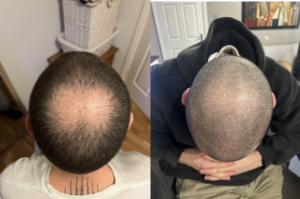
- Genetics play a significant role in how individuals react to finasteride. Genetic variations may affect the activity of enzymes involved in DHT metabolism, affecting the effectiveness of finasteride in inhibiting DHT production. Some people have genetic factors that make them more sensitive or less sensitive to the effects of finasteride.
- Hormonal Environment:
- The hormonal environment in the body is complicated and can vary widely between individuals. Hormone levels, including testosterone and DHT, may be affected by factors such as age, overall health and lifestyle. Variations in these factors contribute to differences in how finasteride interacts with the hormonal environment.
- The hormonal environment in the body is complicated and can vary widely between individuals. Hormone levels, including testosterone and DHT, may be affected by factors such as age, overall health and lifestyle. Variations in these factors contribute to differences in how finasteride interacts with the hormonal environment.
- Individual Sensitivity to DHT:
- The degree to which an individual is sensitive to DHT plays a crucial role. Some people may have increased sensitivity to DHT, making them more responsive to finasteride. On the other hand, people with lower sensitivity may experience a less pronounced response.
- The degree to which an individual is sensitive to DHT plays a crucial role. Some people may have increased sensitivity to DHT, making them more responsive to finasteride. On the other hand, people with lower sensitivity may experience a less pronounced response.
- Stage of Hair Loss:
- The stage at which individuals start using finasteride may affect its effectiveness. Finasteride is generally more effective in maintaining existing hair and promoting regrowth in the early stages of hair loss. In advanced stages, where follicles are extensively minimized, response may be limited.
- The stage at which individuals start using finasteride may affect its effectiveness. Finasteride is generally more effective in maintaining existing hair and promoting regrowth in the early stages of hair loss. In advanced stages, where follicles are extensively minimized, response may be limited.
- Individual Lifestyle and Health Factors:
- Lifestyle factors, including diet, exercise and overall health, may affect the body's response to finasteride. People with healthier lifestyles can experience better results. In addition, underlying health problems and medicines may interact with finasteride, which may affect its effectiveness.
Scientific Studies and Varied Responses
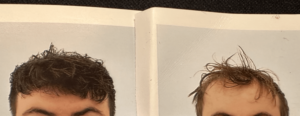
Scientific studies have investigated the varied reactions to finasteride. A study in the Journal of the American Academy of Dermatology (2004) highlighted the heterogeneous nature of the response, with some individuals experiencing significant improvement, while others showed more modest or limited results. These findings underline the need for personalised approaches to hair loss management.
Expectations of Patients and Psychological Factors
Expectations and psychological factors can significantly influence an individual's perception of finasteride effectiveness. Factors such as fear of hair loss, unrealistic expectations or increased sensitivity to changes in hair density may affect how people perceive the results of finasteride treatment.
Why do some people have more serious side effects than others? Does the level of testosterone affect the body?
Scientific Studies and Clinical Observations:
Several studies have investigated the variability of adverse reactions in finasteride users. A study published in the Journal of the American Academy of Dermatology (1999) reported that although adverse reactions were generally mild and reversible, there was variability in their occurrence and severity among study participants.
Role of Testosterone levels:
Although finasteride focuses primarily on the conversion of testosterone to DHT, the relationship between testosterone levels and adverse reactions is not fully unambiguous. Research suggests that the impact of finasteride on sexual function is not solely dependent on testosterone levels, but involves complex interactions with other hormonal pathways.
Are side effects psychological?
Physical side effects
Finasteride is known for physical side effects such as changes in sexual function such as decreased libido, erectile dysfunction and changes in ejaculation. These side effects are believed to be linked to the mode of action of the medicine, which changes the hormonal balance by inhibiting the conversion of testosterone to dihydrotestosterone (DHT).
Psychological factors
However, psychological factors can also play a role in the way individuals perceive and experience side effects. Here are some important considerations:
- Nocebo effect: The "nocebo effect" refers to the phenomenon in which the expectation of experiencing adverse reactions can contribute to their actual action. If a person is aware of the possible side effects of a medicine and expects to experience them, this psychological expectation may affect their perception and reporting of symptoms.
- Anxiety and stress: Fear and stress, related to concerns about hair loss, unrealistic expectations or increased sensitivity to changes in hair density, may contribute to physical symptoms. These symptoms can be wrongly attributed to the medicine, creating a complex interplay between psychological and physiological factors.
- Individual perception: Individual differences in the perception and interpretation of physical sensations may lead to variations in reported adverse reactions. Two people taking the same medicine may have different reactions based on their subjective experiences and awareness of possible side effects.
- Underlying mental health disorders: People with underlying mental health conditions, such as depression or anxiety, may be more susceptible to the psychological aspects of side effects. These conditions can increase the impact of stress factors and contribute to increased perception of symptoms.
- Coping mechanisms: Coping mechanisms and resilience can influence how people handle and minimise the psychological impact of observed side effects. Those with effective coping strategies may be better able to manage the psychological impact of experienced side effects.
Balance between physical and psychological considerations
Healthcare professionals should approach the assessment of adverse reactions holistically, taking into account both the physiological impact of the medication and the possible influence of psychological factors. Open communication between patients and healthcare providers is crucial to understand the full spectrum of experiences with finasteride use.
Conclusion:
In the complicated carpet of hair loss and its treatments, the variable effectiveness of finasteride is a versatile phenomenon. Genetic, hormonal, lifestyle and psychological factors contribute together to the various reactions observed.
Although finasteride has proven to be a valuable tool for many, nuanced interactions with individual biology emphasize the need for continuous research and a holistic understanding of the factors that affect its effectiveness.
The variability in adverse reactions of finasteride in individuals is a versatile interaction of genetic, hormonal and individual factors. Recognising this complexity underlines the importance of personalised approaches to medication management.
Healthcare professionals play a crucial role in assessing individual health profiles, genetic considerations and potential risk factors to guide informed decisions and to optimise the balance between the benefits and possible side effects of finasteride.
Ongoing research continues to deepen our knowledge of this dynamic, contributing to more tailored and effective treatments for people suffering from androgenic alopecia.
Although finasteride has established physiological side effects, the psychological aspects of these side effects are complex and multifactorial. The interaction between physical and psychological factors underlines the importance of personal care, comprehensive patient information and continuous communication between individuals and their caregivers.
I've written several articles about Finasteride, are you interested in this? Then I suggest you look at one of the blogs below!
Finasteride or Dutasteride? Which one works better against hair loss?
What are the side effects of Finasteride and how to prevent it?
What are the side effects of Finasteride and how to prevent it?
What exactly happens when you stop taking finasteride?
Does Finasteride stop hair loss over the longer term?
What should you do if you prefer no Finasteride wants to take and what are the best options?
Can Finasteride cause depression?
Why is it a good idea to combine Finasteride and Minoxidil treatments?
Why don't you have to be afraid to use finasteride against hair loss?
How can you treat gynecomastia (chest) formed by Finasteride?
Does Finasteride cause prostate cancer or the opposite?
Will Finasteride influence my results at the gym?
What is the optimal Finasteride dose for the treatment of hair loss?
Is Post Finasteride Syndrome real? What can you do about it?
How long can Finasteride keep her: is it permanent?
Can you still have children after using Finasteride?
How Long Does It Take Before Finasteride Starts Working?
What is the best Finasteride brand and is there any difference at all?
What's the best time to take Finasteride?
Does splitting finasteride tablets affect their effectiveness?
Does Finasteride lower testosterone levels?
Does Finasteride's hair growth affect the whole body?
How well does Topical Finasteride work against hair loss? Better than oral?
Can I Stop Oral Finasteride when Using Topic Finasteride? Read all about Topical Finasteride here!


You might like this too.

Why do I get bald and not my brother?
Waarom hebben mannen met meer lichaamshaar meestal minder hoofdhaar?


