

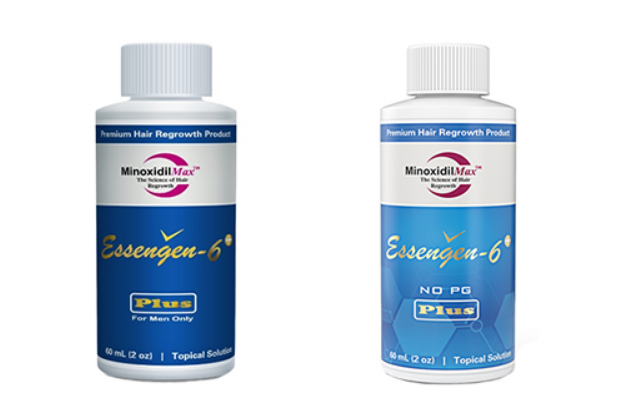
Can I Stop Oral Finasteride when Using Topic Finasteride? Read all about Topical Finasteride here!
The search for a full, healthy hairdo has led to the exploration of various treatments, with the spotlight now focused on topical finasteride.
This innovative application of a well-known drug aims to address hair loss with a localized approach.
In this comprehensive guide we dive into the effectiveness of topical finasteride, compare it to its oral counterpart and answer urgent questions about its use, such as the impact on oral finasteride, suitability for women and optimal application frequency.
Can I Stop Oral Finasteride when Using Topic Finasteride?
For those already on the oral finasteride journey, the possibility of switching to a topical application raises questions about continuity. Indeed, you can stop taking the oral finasteride pill (1 mg) after switching to 0.1% topical finasteride, and you should be able to maintain your results effectively.
We investigate whether users can seamlessly switch from oral to topical finasteride and provide insights to help individuals make informed decisions about their treatment against hair loss.
Can women use topical finasteride?
Although the use of finasteride for hair loss is usually associated with men, there is growing interest in its possible use by women. However, it is important to note that women who are pregnant, breast-feeding or planning to become pregnant soon should not use finasteride in any form, both orally and topically. The potential risk
Evidence and considerations regarding the use of topical finasteride in women are still being investigated.
Some studies suggest that it may play a role in the treatment of hair loss patterns in women, but more research is needed to establish its safety and effectiveness for women.
Before women consider using finasteride in any form, they should consult a medical professional to discuss possible risk derivatives and alternatives tailored to their individual circumstances.
Do you need to use topical finasteride once or twice a day?
The optimal frequency of topical finasteride application may vary, and the choice between once or twice daily depends on different factors, including individual preferences, convenience and possible side effects.
Efficacy: Some studies suggest that applying twice daily may be more effective in reducing the levels of dihydrotestosterone (DHT), the hormone associated with hair loss. However, once daily application may still offer benefits to some individuals.

Convenience: Applying medication twice daily may be more challenging for some people due to lifestyle factors or daily routines. Applying once a day may be a more convenient option for those who prefer a simpler regime.
Possible side effects: It is essential to look for possible side effects such as skin irritation or allergic reactions. If adverse reactions are observed, consideration should be given to reducing the frequency of use or discontinuation.
Ultimately, the choice between once or twice daily application should be made based on individual circumstances and preferences. Consultation of a medical professional or dermatologist can offer personal advice tailored to your specific needs and considerations. They can help to assess your response to treatment and make adjustments if necessary.
The practical aspects of including topical finasteride in a daily routine raise questions about the optimal application frequency. We provide guidance on whether to apply once or twice daily is more appropriate, taking into account factors such as effectiveness, convenience and possible side effects.
Does Topical Finasteride work and how long will it take me to see results?
Finasteride is the best studied intervention for androgenic alopecia, with clinical studies showing improvements in 80-90% of men. However, visible hair growth can only occur after 10-12 months of treatment, and the full effects manifest in two years.
Keep progress
Objective measurements are crucial for evaluating improvement.
Although not everyone has access to specialized equipment for trichoscopic hair count, almost everyone has a smartphone.
Use this to create standardised photos for simple and consistent progress registration. This simple but effective method allows individuals to observe changes over time and to make informed decisions on the effectiveness of treatment.
Keeping track of progress is crucial, and simple methods such as using a smartphone for standardised photocopiers can be effective.
These measures maximise the risk of measurable hair growth results and minimise possible effects of systemic DHT reduction.

Finasteride is known as one of the most extensively studied interventions for androgenic alopecia. Understanding the full scope of the effects requires a patient and thoughtful approach. Here is a more in-depth look at what to expect and how to follow progress over a longer period:
Results Timeline:
Clinical studies indicate that finasteride improves outcomes in 80-90% of men with pattern hair loss. However, visible hair growth can only occur after 10-12 months of treatment, and the full effect of the medicine generally manifests over a longer period, often two years.
The most significant degrees of cosmetic hair growth are generally observed between the first and second years of treatment. Patience is essential; wondrous results within the first six months are unlikely, and the full two-year timeline should be considered for a comprehensive assessment of effectiveness.
Where to Buy Topical Finasteride?
Although popular online platforms such as Amazon and eBay do not offer topical finasteride, it is available in this site at an affordable price. Look at it here.
Conclusion:
In the dynamic landscape of hair recovery, topical finasteride appears as a promising player, offering a localized alternative to its oral counterpart. This guide aims to shed light on the effectiveness of topical finasteride and to help individuals to make informed choices tailored to their unique journey against hair loss.
Whether you are considering moving from oral to topical, considering the suitability for women, or considering the optimal frequency of application, this guide may serve as a beacon leading you to a path of informed decisions and renewed self-confidence.
A long-term perspective on expectations and careful monitoring enables individuals to better understand the evolving impact of finasteride on their health. This long-term approach not only provides a realistic understanding of the effectiveness of treatment, but also facilitates timely adjustments and informed decision-making during the journey of hair recovery.
I've written several articles about Finasteride, are you interested in this? Then I suggest you look at one of the blogs below!
Finasteride or Dutasteride? Which one works better against hair loss?
What are the side effects of Finasteride and how to prevent it?
What are the side effects of Finasteride and how to prevent it?
What exactly happens when you stop taking finasteride?
Does Finasteride stop hair loss over the longer term?
What should you do if you prefer no Finasteride wants to take and what are the best options?
Can Finasteride cause depression?
Why is it a good idea to combine Finasteride and Minoxidil treatments?
Why don't you have to be afraid to use finasteride against hair loss?
How can you treat gynecomastia (chest) formed by Finasteride?
Does Finasteride cause prostate cancer or the opposite?
Will Finasteride influence my results at the gym?
What is the optimal Finasteride dose for the treatment of hair loss?
Is Post Finasteride Syndrome real? What can you do about it?
How long can Finasteride keep her: is it permanent?
Can you still have children after using Finasteride?
How Long Does It Take Before Finasteride Starts Working?
What is the best Finasteride brand and is there any difference at all?
What's the best time to take Finasteride?
Does splitting finasteride tablets affect their effectiveness?
Does Finasteride lower testosterone levels?
Does Finasteride's hair growth affect the whole body?
How well does Topical Finasteride work against hair loss? Better than oral?
Can I Stop Oral Finasteride when Using Topic Finasteride? Read all about Topical Finasteride here!


You might like this too.

The Ultimate Guide to Pumpkin Pit Oil: The secret weapon against hair loss

Impressive Hair Transformation after 2 Months on Finasteride and oral Minoxidil


