

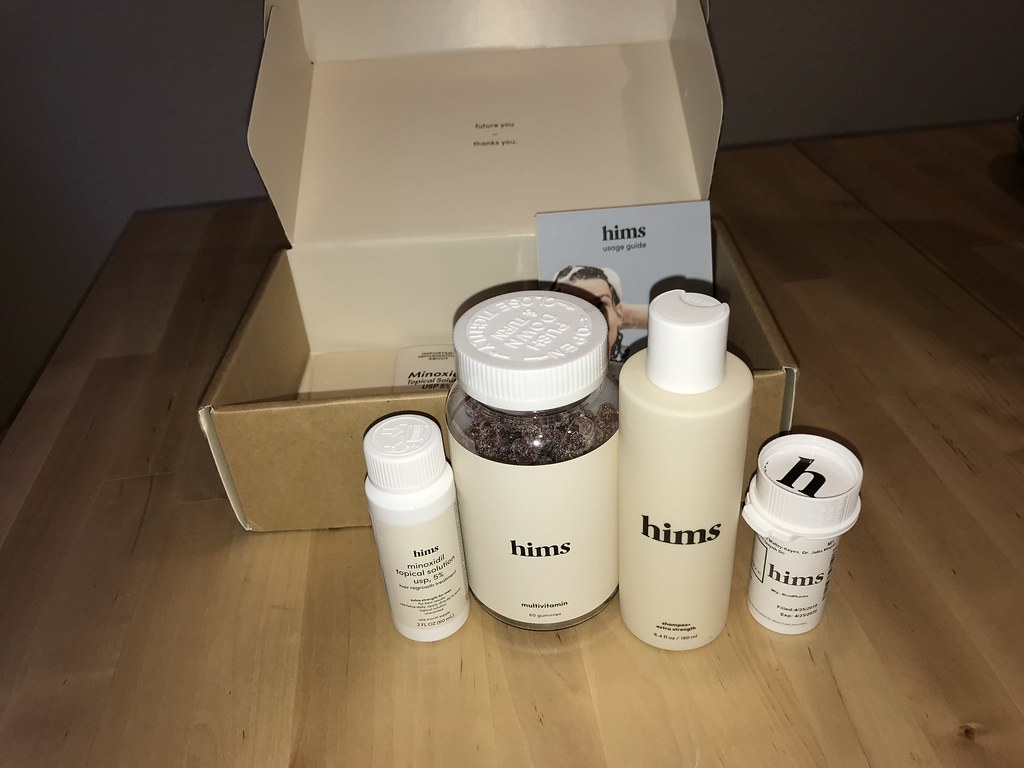
How well does Topical Finasteride work against hair loss? Better than oral?
While individuals are seeking effective solutions to hair growth, the popularity of topical finasteride as an alternative to the oral counterpart continues to increase.
Rooted in the desire to minimize systemic exposure and focus on the scalp, this extensive exploration dives into the complexions of topical finasteride, dissecting the mechanisms, challenges and nuanced balance needed to achieve optimal results while limiting potential systemic effects.
The Mechanism of Topical Finasteride Understanding:
At the core of the mechanism of topical finasteride lies the inhibition of the enzyme type II 5-alpha reductase.
This enzymatic intervention aims to selectively address dihydrotestosterone (DHT) levels on the scalp, with the ultimate aim of promoting hair growth while avoiding the side effects associated with the oral counterpart.
The emphasis here is on achieving a balance between effectiveness and localised action.
The Role of DHT in Androgenic Alopecia (AGA):
To appreciate the significance of DHT reduction in the context of androgenic alopecia (AGA), we need to recognise its direct influence on key factors.
The involvement of DHT in increasing the telogen:anogenic ratio, regulating anagene cycles and contributing to the miniaturization of hair follicles underlines his crucial role.
Although several DHT reducing agents exist, including oral finasteride, the shift towards topical formulations aims for a more nuanced and scalp-oriented approach. In general, side effects are much less likely to occur than oral Finasteride.
Is Topical Finasteride working?
The efficacy of topical finasteride in the treatment of hair loss, specifically androgenic alopecia (AGA), has been the subject of interest and research.
Topical finasteride is designed to provide a more localized approach to reducing dihydrotestosterone (DHT), a hormone associated with miniaturization of hair follicles and hair loss.

To assess whether topical finasteride works, let's look into the available evidence and key findings:
What does scientific research on Topsiche Finasteride say?
Deeper consideration of the clinical landscape offers valuable insights into formulation considerations. A 1% topical finasteride formulation, when applied twice daily, may be potentially equivalent to 1 mg of oral finasteride tablets, with comparable efficacy.
But the study does not stop there at lower percentages, such as 0.25%, showing decreased serum DHT levels with positive results in hair growth. Ultra-low 0.005% formulations, although minimally systemic absorption, offer intriguing potential with potentially less adverse reactions.
With the topsiche Finasteride I have less chance of side effects?
An important concern in the use of topical finasteride is the potential for unintentional systemic absorption, which may lead to adverse reactions that go against the intended purpose of treatment.
The high sensitivity and dose dependence of the response underline the need for precision in application to avoid unintentional effects on systemic DHT levels.
Clinical studies highlight guidelines for optimal use suggesting that daily exposure to volumes of 0.228 mg and below, achieved with low dilutions from 0.005% to 0.02%, offers benefits with reduced systemic risk derivatives.
However, individual solutions require regular laboratory tests for serum DHT levels before and during the use of topical finasteride. Determination of baselines and monitoring of systemic effects allows for tailor-made adjustments, ensuring a personalised approach.
Topical vs. Oral Finasteride which is better?
The choice between topical and oral finasteride is subject to considerable debate in the world of hair recovery treatments. Both formulations aim to address the common problem of androgenic alopecia (AGA) by reducing dihydrotestosterone (DHT), a hormone involved in hair loss. In the battle between these two approaches, is there a clear winner?
Topical Finasteride: Focused Precision
Topical finasteride, applied directly to the scalp, offers a more localized approach to DHT reduction. The main advantage lies in its ability to minimise systemic exposure, limit effects to the target area and possibly reduce the risk of systemic adverse reactions associated with the oral counterpart.
Benefits:
- Localized Action: By focusing on the scalp, topical finasteride tries to reduce the impact of DHT on hair follicles without affecting systemic DHT levels throughout the body.
- Less side effects: The limited systemic exposure may lead to fewer adverse reactions compared to oral finasteride, making it an attractive option for those who are concerned about possible adverse reactions.
Cons:
- Risk of Systemic Absorption: Despite efforts to limit the effects to the scalp, there is a risk of systemic absorption, especially at higher concentrations. This potential systemic exposure may go against the intended benefits.
Oral Finasteride: Systemic Impact
Oral finasteride, as tablets, works worldwide by reducing DHT levels throughout the body. It has long been a commonly used and prescribed solution for hair loss, with effectiveness in many cases.
Benefits:
- Extended DHT reduction: Oral finasteride causes systemic reductions in DHT levels, affecting not only the scalp but also other parts of the body where DHT plays a role.
- Based Effectiveness: Oral finasteride has a longer track record of success and is often considered the standard in hair loss treatment.
Cons:
- Systemic Side Effects: The systemic impact of oral finasteride increases the risk of adverse reactions such as decreased libido, erectile dysfunction and other hormonal imbalances.
- Wider range of side effects: Due to its wider impact, oral finasteride can cause side effects that go beyond those associated with topical application.
The Decision Take: Individual Factors
The choice between topical and oral finasteride is not one size for everyone. Individual factors play a crucial role in determining the most appropriate option. Considerations include the severity of hair loss, personal tolerance to possible side effects, and preferences regarding application methods.
When Topical Finasteride Consider
Mild to Moderate hair loss: Topical finasteride can be an excellent choice for those with mild to moderate hair loss seeking a targeted solution.
• Concerns about Systemic Side Effects: People who are concerned about systemic side effects may find the localized approach to topical finasteride attractive.
Read where you can buy it or even make it yourself!
When Oral Finasteride Consider
Advanced Hair Loss: For more advanced cases of hair loss, the systemic effects of oral finasteride may be more appropriate.
• Tolerance to Undesirable Effects: Some individuals may tolerate the possible side effects of oral finasteride and prefer the comprehensive approach.

What does scientific research say about which one is better?
- Equality to Oral Finasteride: • Several studies suggest that topical finasteride can produce similar results to the oral variant in hair growth. It works by inhibiting the enzyme type II 5-alpha reductase, like oral finasteride, but with the aim to reduce DHT specifically in the scalp.
- Less side effects: • One of the observed benefits of topical finasteride is the potential to minimise systemic exposure, leading to a reduced incidence of systemic adverse reactions compared to oral finasteride. This is particularly attractive for people who are concerned about the side effects profile of the oral form.
- Localized DHT reduction: • The primary goal of topical finasteride is to target DHT levels on the scalp with minimal effects on DHT levels elsewhere in the body. This approach aims to address the underlying cause of androgenic alopecia without the wider impact of oral administration.
Clinical Studies:
- Comparison studies: • Studies have compared the efficacy of topical finasteride to oral finasteride. Some studies suggest that a 1% topical finasteride formulation, when applied twice daily, may be non-inferior or equivalent to 1 mg oral finasteride tablets in hair growth.
- Dose customer reaction: • The effectiveness of topical finasteride appears to be dose dependent. Studies indicate that even lower concentrations, such as 0.25%, can show positive results in hair growth, although the decrease in serum DHT levels may be less compared to the oral drug.
Factors influencing Efficacy:
- Systemic Absorption: • The efficacy of topical finasteride is influenced by the ability to remain localized on the scalp. There is a risk of systemic absorption, especially at higher concentrations, which may lead to systemic adverse reactions.
- Individual Variation: • Individual response to topical finasteride may vary. Factors such as the severity of hair loss, duration of use and individual genetic factors may influence the results.
Conclusion
In the versatile journey to maximize profit while minimising side effects with topical finasteride, the recommended strategy is: 1-2 ml from 0.005% to 0.02% solutions. This approach aims not only to achieve positive results in hair growth but also to reduce the risk of unintentional systemic effects.
The concept acquired highlights the need for personalised adjustments and vigilance in monitoring, recognising the uniqueness of each individual's response to treatment.
In addition, scientific research suggests that topical finasteride can be effective in promoting hair growth, especially in localized reduction of DHT levels on the scalp.
However, individual reactions may differ, and considerations of systemic absorption and potential adverse reactions should be considered. It is essential that individuals considering topical finasteride consult with a medical professional for personal advice based on their specific circumstances and preferences.
I've written several articles about Finasteride, are you interested in this? Then I suggest you look at one of the blogs below!
Finasteride or Dutasteride? Which one works better against hair loss?
What are the side effects of Finasteride and how to prevent it?
What are the side effects of Finasteride and how to prevent it?
What exactly happens when you stop taking finasteride?
Does Finasteride stop hair loss over the longer term?
What should you do if you prefer no Finasteride wants to take and what are the best options?
Can Finasteride cause depression?
Why is it a good idea to combine Finasteride and Minoxidil treatments?
Why don't you have to be afraid to use finasteride against hair loss?
How can you treat gynecomastia (chest) formed by Finasteride?
Does Finasteride cause prostate cancer or the opposite?
Will Finasteride influence my results at the gym?
What is the optimal Finasteride dose for the treatment of hair loss?
Is Post Finasteride Syndrome real? What can you do about it?
How long can Finasteride keep her: is it permanent?
Can you still have children after using Finasteride?
How Long Does It Take Before Finasteride Starts Working?
What is the best Finasteride brand and is there any difference at all?
What's the best time to take Finasteride?
Does splitting finasteride tablets affect their effectiveness?
Does Finasteride lower testosterone levels?
Does Finasteride's hair growth affect the whole body?
How well does Topical Finasteride work against hair loss? Better than oral?
Can I Stop Oral Finasteride when Using Topic Finasteride? Read all about Topical Finasteride here!


You might like this too.

How come Robbie Williams, despite a hair transplant, still has hair loss?
What's the best place in the world for a hair transplant?


