

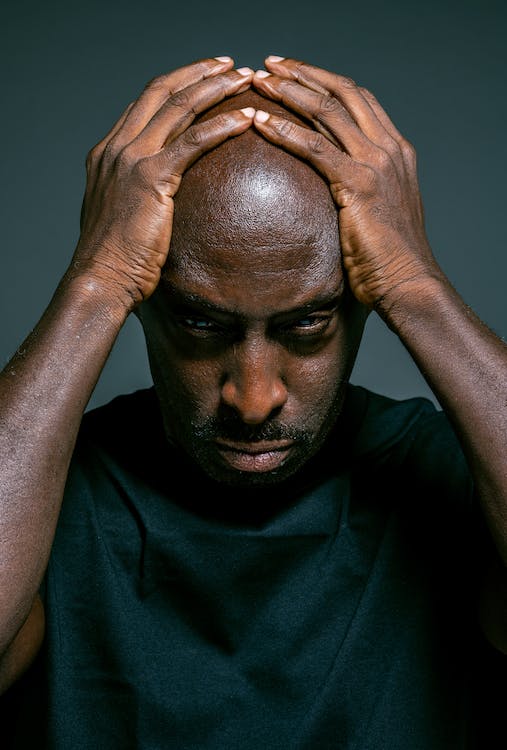
Why You Don't Have To Wait With Treatment of Hair Loss!
Hair loss is a common concern affecting millions of people worldwide, regardless of age or gender. Whether you notice that your hair is getting thinner, that you have backsliding hairline or you see bald spots, it's natural to wonder when the right time to seek treatment is.
In summary, the saying "preserving her is easier than growing back" emphasizes the importance of acting in the first signs of hair loss.
The natural hair growth cycle, the process of miniaturisation and the psychological impact of hair loss all support the idea that the prompt approach to hair loss is the most effective approach.
In this extensive blog we will explore the importance of not waiting to treat hair loss, supported by scientific evidence, and give convincing reasons to take action sooner than later.
Why Hair Loss Addressing Important Is?
Hair loss can have a profound impact on an individual's appearance, self-image and overall quality of life.
Although it is often considered a cosmetic problem, it is essential to recognise that hair loss can also be an indicator of underlying health problems.
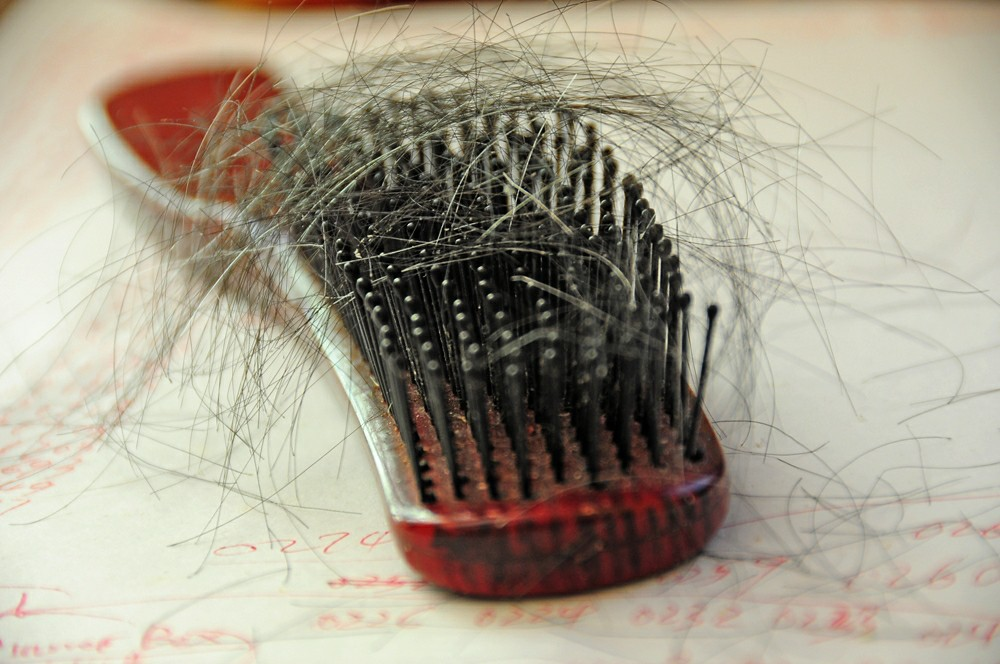
Delaying treatment can lead to a series of negative consequences, which we will explore in detail.
Reasons to Take Action Now
Early Intervention Delivers Better Results On:
- Scientific studies have consistently shown that early intervention in the treatment of hair loss yielded better results. Hair follicles that have been inactive for a long time may become less responsive to treatment.
- Preventing Further Hair Loss:
- Hair loss is often progressive, which means it tends to get worse over time. By starting treatment early, you can prevent or slow down the progress of hair loss, thus preserving more of your existing hair.
- Improved Self-image and Self-confidence:
- Hair loss can have a significant psychological impact and influence self-image and self-confidence. Doing something about it promptly can lead to an improved self-image and general well-being.

- Reduced Emotional Stress:
- Dealing with hair loss can be emotionally incriminating. Early intervention may reduce the emotional burden associated with hair loss.
- Improved Treatment Options:
- The sooner you seek treatment, the more options you may have. Delaying treatment may limit your choices or require more major interventions.
- Addressing Underlying Health Problems:
- In some cases hair loss can be a symptom of an underlying medical condition, such as thyroid disorders or nutrient shortages. Early treatment can help to identify and address these health problems.
- Prevention of Scap Damage:
- Sustained hair loss can lead to scalp damage, making it more difficult to make future treatments effective. Early intervention can help to maintain a healthy scalp environment.
Scientific Evidence
Clinical Studies:
Numerous clinical studies have shown the effectiveness of treatments such as minoxidil and finasteride in slowing down or reversing hair loss. These studies consistently show that early treatment leads to better results.
Hair growth cycle:
Hair loss often occurs in phases, with hair follicles moving from active growth to rest periods. Early intervention may reactivate inactive follicles and stimulate new hair growth.
Inflammation and hair loss:
Some types of hair loss are associated with inflammation of the scalp. Early treatment can help to reduce inflammation and prevent further hair loss.
Frequently Asked Questions about Early Treatment of Hair Loss:
At what age should I consider treatment for hair loss?
There is no specific age limit for treatment. If you experience hair loss and it bothers you, consult a healthcare professional or dermatologist for personalized advice.
Are there any side effects associated with hair loss treatments?
Some treatments may have mild side effects. It is crucial to discuss possible side effects with your healthcare professional and follow your response to the treatment.
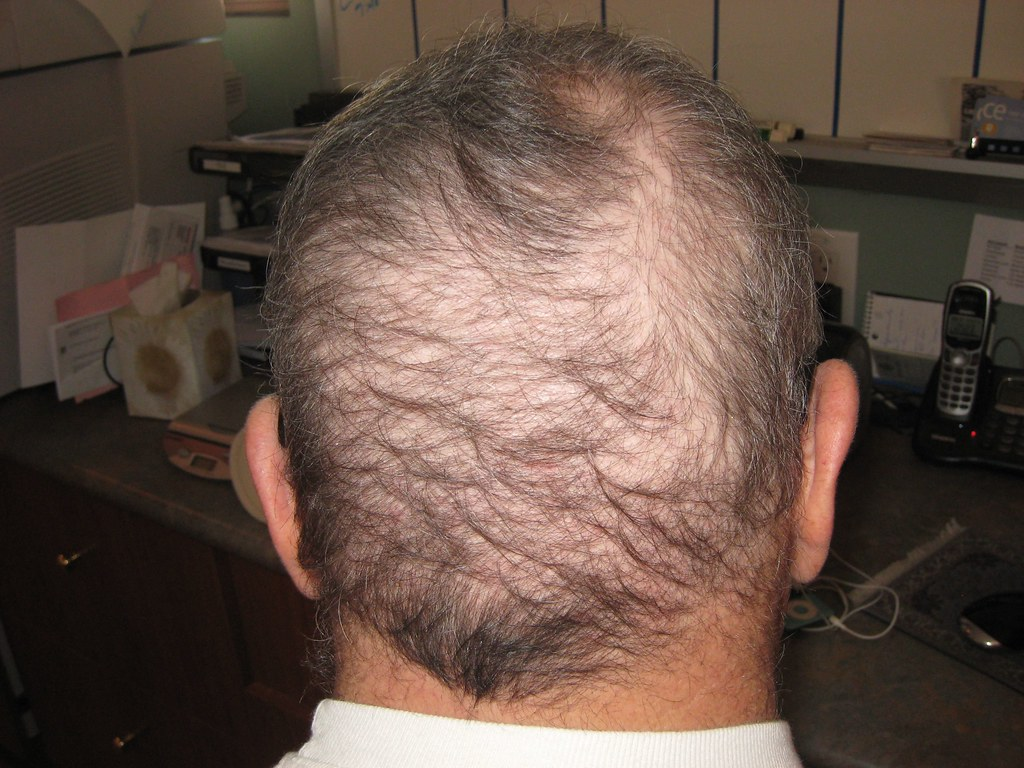
What if I've already lost a significant amount of hair?
Even if you've already lost a significant amount of hair, treatment can still be beneficial. Your healthcare provider can help determine which one is the most appropriate action.
Can I use natural remedies for hair loss, and should I start these remedies early?
Natural remedies may be an option, but their effectiveness varies. If you are considering natural treatments, consult a health care provider for guidance on use and the right time.
Value of Early Treatment
The saying "preserving her is easier than growing back" emphasizes the value of early treatment of hair loss. This concept has several important implications:
1. The Natural Hair Growth Cycle:
Understanding the natural hair growth cycle is crucial to understand why retaining existing hair is easier than growing back lost hair. Its stages in this cycle include the anagenic (growth phase), catagene (transition phase), telogene (rest phase), and exogenous (disappearance phase).
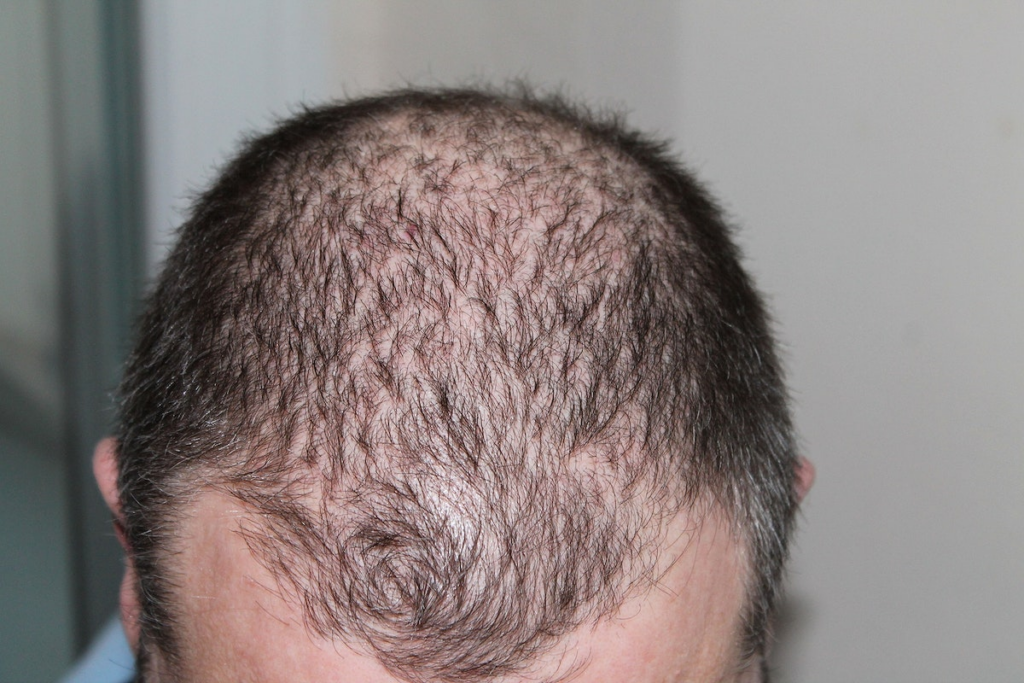
Not all hair is in the same phase. If you have a lot of hair in the anagenic phase, the risk of noticeable hair loss is less. But as hair follicles go through these phases, some may become inactive or miniaturized, leading to hair dilution and eventually loss.
2. Early Treatment of Miniaturization:
One of the most important factors in hair loss is miniaturisation, in which hair follicles become progressively smaller and produce thinner and shorter hair. This process is often associated with conditions such as androgenic alopecia (male or female pattern baldness).
Miniaturization usually starts subtlely, with the affected hair becoming less visible and more vulnerable. The importance of early intervention lies in the fact that miniaturisation is a reversible process when noticed at an early stage.
Medicine such as minoxidil and finasteride, when used in time, can help to reverse the miniaturization process, leading to the growth of thicker, healthier hair. However, once hair follicles have become inactive for a longer time, their reactivation becomes increasingly challenging.
3. Maintaining scalp health:
Healthy hair growth is closely linked to scalp health. A scalp environment without excessive inflammation, excessive sebum production and fungal infections is conducive to robust hair growth.
Delaying treatment may lead to persistent scalp problems that may require more intensive interventions to resolve.
4. Psychological Impact:
Hair loss can have a profound psychological impact, with consequences for self-image, body image and overall mental health. This emotional burden can be aggravated when hair loss is more noticeable.
By addressing hair loss early, individuals can reduce emotional stress associated with visible hair dilution or baldness.
5. Treatment options and Effectiveness: The effectiveness of treatments for hair loss such as minoxidil and finasteride is often clearer in early stages of hair loss. These treatments work best when they are used on active hair follicles that have not been inactive for long.
Conclusion: The Importance of Early Intervention
In short, the saying "preserving her is easier than growing back" emphasizes the importance of acting in the first signs of hair loss. The natural hair growth cycle, the process of miniaturisation and the psychological impact of hair loss all support the idea that the prompt approach to hair loss is the most effective approach.
Early intervention not only preserves your existing hair, but also maximizes your treatment options and the chance of successful hair growth.
Whether you choose pharmaceutical treatments, natural remedies or a combination of approaches, consultation with a healthcare provider or dermatologist at the start of your hair loss journey is essential to achieve the best possible results and to maintain your self-confidence and self-image. Don't wait to take action to keep and improve your hair.


You might like this too.

COVID-19 Vaccines and Hair loss: The Complete Guide Your Doctor Not Gives 💉

Amazing Hair Transformation with Daily 1 mg Finasteride and Twice per Week Dermarolls!


