

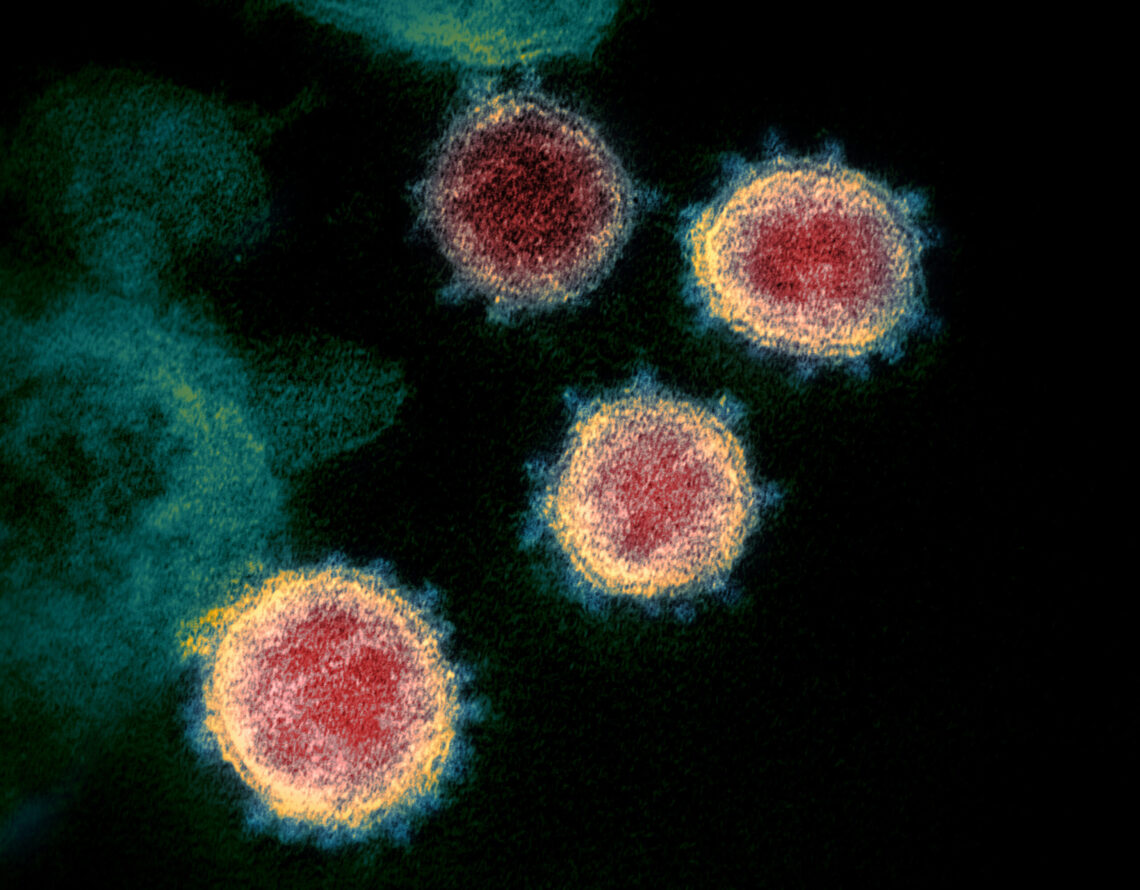
Does the Corona virus (COVID-19) cause hair loss?
Coffee? Let's talk about something that hit a lot of us after COVID-19: hair loss. Yeah, you read that right.
As if the virus itself was not enough, some of us still have to deal with losing more hair than usual.
While the pandemic of the new corona virus continues to rage around the world, many of us experience new and disturbing changes in our daily lives.
One such change, which may have escaped our attention, is the possibility of hair loss, a result of the virus that has become a growing concern for many of us.
Although the effects of the virus on our physical health and emotional well-being are already considerable, this additional care can exert considerable pressure on our self-feeling and general state of mind.
The question of whether or not the coronavirus causes hair loss is complex and still unknown.
There is no definitive answer at the moment and more research is needed on this issue.
However, the virus has been associated with a condition called telogene effluvium, or TE, which may cause hair loss.
COVID-19 does not cause direct hair loss. However, the physical and mental stress associated with the pandemic can cause temporary hair loss in some people.
To prevent and treat hair loss, people need to focus on both their physical and mental health.
In this blog I investigated how the virus can cause hair loss and what treatments are possible.
I wrote in another article about whether Corona vaccinations hair loss. Several people claim that the vaccination caused their hair loss. Read here More.
Corona virus and hair loss
There is much concern about the possibility of hair loss due to the new coronavirus, COVID-19.
Although the virus can cause many other health complications, hair loss is not included.
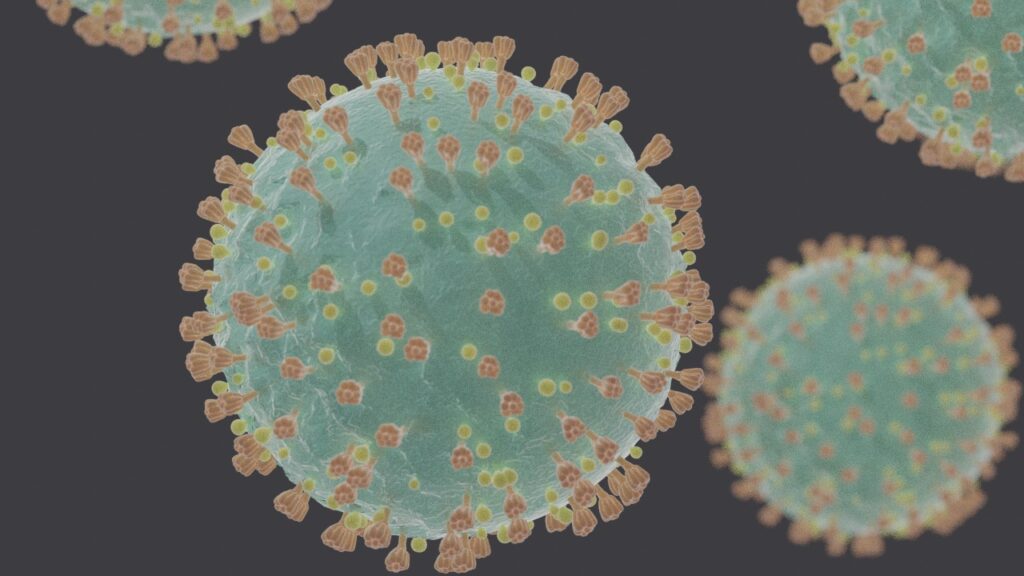
However, an individual's response to the virus and the stress it causes may lead to temporary hair loss.
This article deals with the possibility of hair loss by COVID-19. And ways stress can affect hair growth and options to prevent and treat hair loss.
When does the typical hair loss occur after COVID-19?
So about 2 to 3 months after you've been sick, it can happen. You think you just had everything, and bam, your hair feels differently. It's more out of control than you're used to. Don't be alarmed. You're not the only one.
How long will it take to hair?
It is a bit of a "how long is a piece of rope" question, but generally this phase lasts 2 to 3 months. The good news?
For most people, it stops by itself. You don't have to panic to google new hairstyles that hide bald spots.
What treatments are available for this type of hair loss?
This is a different cause than what we discuss on this site (Androgenic Alopecia).
Traditional means such as Minoxidil, Finasteride and Durasteride will therefore not work in this type of hair loss.
So there aren't many options against this kind of hair loss.
Before investing your savings in miracle remedies, keep it simple, often this form is only temporary:
- Healthy nutrition: Really, your body and hair will thank you. Think iron, zinc, and vitamins.
- Being gentle to your hair: Skip those tight ponytails and hot styling tools. Your hair needs love now, no extra stress.
- Stress management: Easier said than done, but stress is a culprit when it comes to hair loss.
- Consultation with a professional: Sometimes you just need a little more. A dermatologist or trichologist (yes, that's a hair doctor) can help you with specific treatments.
What does science say about the Corona virus as a cause of hair loss?
The question of whether or not the coronavirus causes hair loss is complex and still unknown.
At present there is no definitive answer and more research is needed on this subject.
However, the virus has been associated with a condition called telogene effluviumOr TE, which could cause hair loss.
People with high stress can experience hair loss in two ways. Telogenic effluvium is a form of hair loss where hairs that are in the rest phase fall out faster than normal.
Telogenic effluvium is a temporary form of hair loss resulting from a decrease in growth hormone telogen.
This decrease can be caused by various physical or psychological tensions. Think of surgeries, trauma complications and serious diseases.
So it is possible that the coronavirus causes TE and causes hair loss in some people.

Source: Wikimedia Commons
In other words, people can experience an increased rate of hair loss. A more severe form of hair loss, known as anagenic effluvium, is a condition in which follicles are blocked so that hair cannot grow further.
This can cause bald spots on the scalp. Stress can cause both types of hair loss.
Studies of people who have contracted the coronavirus suggest that TE is a possible side effect. For example, a low telogenic number was observed in a study in 30 coronavirus patients. In which 18 patients showed signs of hair loss.
In another study in 83 COVID-19 patients in Italy, 52 patients had telogene effluvium.
In addition, 36 patients had alopecia areata, a condition that causes hair loss.
However, it is important to note that studies on this subject are limited. Moreover, much of the reported hair loss may possibly be attributed to other physical or psychological stress associated with the virus.
Think of isolation or financial worries. Further research is therefore needed to determine whether the virus can cause hair loss directly or indirectly.
In the meantime, it is important to remember that TE is a temporary condition and that hair loss due to this cause is usually reversible.
If you suffer from telogenous effluvium or Uncommon hair loss, it is important that you are treated by a doctor.
In addition, there are simple measures that you can take to reduce the risk of developing TE or other forms of hair loss such as reducing stress, eating a balanced diet and avoiding Overprocessing and warmth styling of your hair.
In short, although there are limited indications that the coronavirus may cause hair loss, more research is needed to determine the true cause of the condition.
In the meantime, it is important to seek treatment and a Healthy lifestyle to reduce the risk of developing telogue effluvium or other forms of hair loss.
Temporary hair loss is normal after fever or illness
This is perhaps the most important thing to remember. It's normal. Your body's had a blow-up and this is how it reacts. The good news? It's growing back. Really.
So, if you find more hair in your brush than on your head, don't panic.
It is a known after-effect of COVID-19 and in most cases only temporarily.
Stay healthy, take care of yourself and your hair, and before you know it, you'll be stuck with your hands through a bunch of hair. And if you're through, we're here for you.
Leave your experiences, tips or questions below. Together we stand strong, with or without full hair.
Conclusion
The conclusion is that COVID-19 does not directly cause hair loss.
However, the physical and mental stress associated with the pandemic may occur in some individuals. temporary cause hair loss.
To prevent and treat hair loss, people need to focus on both their physical and mental health. It is also important to consult a doctor if hair loss is significant or persistent.
It is important to note that hair loss by COVID-19 rare is. The virus can cause a series of other health complications, but does not cause hair loss directly.
However, it is possible that some people temporary hair loss in response to the virus or the associated stress.
When people have a lot of stress, their body tends to give priority to vital functions over nonvital functions, such as hair growth.
To prevent and treat hair loss by COVID-19, people need to address both physical and mental health.
Self-care and good hygiene, a balanced and nutritious diet and regular exercise can promote physical health. Mental health must also be given priority.
People can use techniques such as deep breathing, meditation and keeping a diary to control the stress associated with the pandemic.
It is also important to talk to a health professional if you are experiencing significant hair loss.
Although hair loss due to COVID-19 is unusual, hair loss may be a sign of an underlying medical condition and should be evaluated by a doctor.
A doctor may continue to accompany you and may suggest medicines to treat hair loss


You might like this too.

Is Ryan Reynolds going bald?

Is immunotherapy possible a cure for hair loss?


