


How can you reduce DHT levels in a healthy way and prevent hair loss?
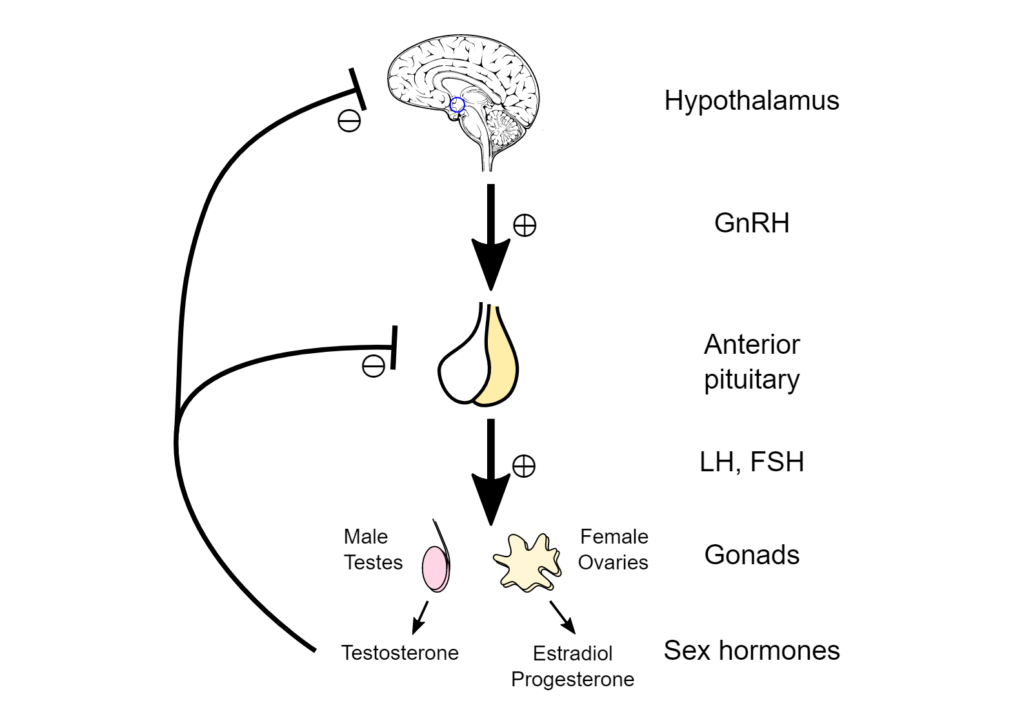
Hair loss is a disease that affects millions of people worldwide and can be caused by various factors. One of the most common causes of hair loss in men is dihydrotestosterone (DHT), a hormone produced from testosterone.
DHT can shrink the hair follicles, leading to thinning hair and eventually hair loss. Although hair loss can have a major impact on one's self-esteem, there are several ways to fight it. One of the most effective ways to prevent hair loss is to naturally reduce the DHT level.
In this blog post we explore various methods to lower the DHT level, including changes in your diet, lifestyle and supplements. We also discuss the potential benefits of reducing DHT levels and the importance of consulting with a healthcare provider before making important changes to your diet or taking supplements.
At the end of this post you will better understand how to lower the DHT level and promote healthy hair growth. Lowering the DHT level can help to prevent hair loss and promote healthy hair growth.
There are several ways to do this, including changes in your diet, lifestyle and use of certain supplements. Although research into the effectiveness of these methods is limited, it has been shown that they have potential benefits for reducing DHT levels.
What does your body need DHT for?
Dihydrotestosterone (DHT) is a hormone derived from testosterone, a major male sex hormone produced in the testicles. DHT plays a crucial role in the development of male sexual characteristics, such as facial hair growth, voice deepening and prostate gland development.
In addition, DHT is also responsible for regulating the growth and maintenance of the prostate gland and plays a role in the development of baldness with a male pattern, also known as alopecia androgenics. Although DHT has important functions in the body, high DHT levels can cause hair loss and other health problems. It is therefore essential to keep the DHT level healthy to promote overall health and well-being.
One of the most effective ways to reduce DHT levels is by making changes to your diet. Foods that contain a lot of lycopene, such as tomatoes, watermelon and grapefruit, appear to lower DHT levels in the body. In addition, foods rich in zinc, such as oysters, beef and pumpkin seeds, can also help to reduce DHT levels.
In addition to changes in diet, lifestyle changes can also help to reduce the DHT level. Stress has been shown to increase the DHT level in the body, so practicing stress reducing techniques such as yoga, meditation or deep breathing can be useful. Exercise has also been shown to reduce DHT levels and promote overall health.
Supplements can also be effective to reduce the DHT level. Saw palmetto is a natural supplement that has been shown to inhibit the production of DHT in the body. Green tea extract, pumpkin seed oil and pygeum extract have also been shown to reduce DHT levels.
Although a reduction in DHT levels may help to prevent hair loss, it is important to note that hair loss can also be caused by other factors such as genetics, medical conditions or medication. It is important to consult a doctor to determine the underlying cause of hair loss and appropriate treatment.
What does scientific research say about the effectiveness of different methods to lower the DHT level?
Various studies have been carried out on the effectiveness of different methods to reduce the DHT level. Here are some of the most important findings:
1. Exercise: A study published in the Journal of Endocrinology and Metabolism showed that regular exercise can significantly reduce levels of DHT in the blood.

2. Diet: A study published in the Journal of Steroid Biochemistry and Molecular Biology showed that a diet with lots of fruits, vegetables and whole grains, and little processed food, can help to lower DHT levels.
3. Stress management: A study published in the Journal of Investigative Dermatology showed that chronic stress can increase the DHT level in the scalp and contribute to hair loss.
4. Natural supplements: Several studies have shown that natural supplements such as saw palm, pygeum and nettle root can help to lower the DHT level and promote hair growth.
5. Hair loss shampoos: A study published in the Journal of Dermatological Treatment showed that shampoos with ketoconazole and caffeine can help to lower the DHT level in the scalp and promote hair growth.
In general, these studies suggest that certain lifestyle changes and the use of natural resources may be effective to lower the DHT level and to promote hair growth. However, it is important to note that more research is needed in this area and that these methods may not work for everyone.
It is essential to consult a doctor before making important changes to your diet or taking supplements. Moreover, if you suffer from significant hair loss, it is essential to consult a doctor to determine the underlying cause and correct treatment.
Which medicines lower DHT?
There are several medicines available that can help to reduce the DHT level, including finasteride and dutasteride. These medicines are often prescribed to treat an enlarged prostate, but they can also be used to treat baldness with a male pattern. Finasteride inhibits the enzyme that converts testosterone to DHT, reducing the DHT level in the body. Dutasteride acts the same as finasteride, but blocks both types of the enzyme that DHT produces. It is important to note that these medicines should only be taken under the supervision of a doctor because they may have possible side effects and may interact with other medicines.
Conclusion
In short, reducing the DHT content naturally can be an effective way to prevent hair loss and promote healthy hair growth. Changes in diet and lifestyle and the use of certain supplements may help to lower the DHT level in the body.
Although the effectiveness of these methods is limited, they have demonstrated potential benefits for lowering the DHT level. However, it is important to consult a healthcare professional before making important changes to your diet or taking supplements. Moreover, if you suffer from significant hair loss, it is essential to seek medical advice to determine the underlying cause and the appropriate treatment.




2 reactions
Pingback:
Pingback: