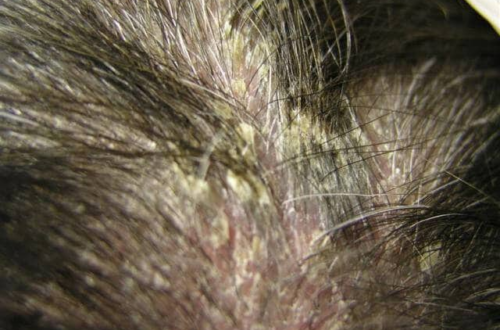
What's the best way to keep track of your daily hair loss?
Hair loss is a common concern for many people, and keeping track of the amount of hair you lose daily can provide valuable insights into the health of your hair and scalp.
Although it is normal to lose some hair daily, excessive hair loss may indicate an underlying problem.
In this comprehensive guide we will explore the best methods to keep track of daily hair loss, including the use of haircatchers and other techniques.
Supported by scientific evidence we will address frequently asked questions, discuss possible causes of hair loss, and close with tips for maintaining healthy hair.
What's the average amount of hair falling out?
Before we go into ways to keep track of hair loss, it is essential to understand what normal hair loss means.
On average, it is considered normal to lose approximately 50 to 100 hairs of the scalp daily.
This fallout is part of the natural hair growth cycle, which consists of three phases:

- Anagenic Phase: This is the active growth phase in which it is produced. It takes several years.
- Catagenic Phase: In this transition period hair growth slows down and the hair follicle begins to shrink. This phase takes a few weeks.
- Telogenic Phase: During the rest phase, the hair is discarded and new hair begins to grow in the same place. This phase usually lasts a few months. The loss of hair during the tealous phase contributes to the daily hair loss.
However, if you notice a significant increase in hair loss that is outside the normal range, it may be time to investigate possible causes.
In this Article I have looked more closely at the various hair stages And how you can possibly influence them.
What are the best ways to keep track of daily hair loss?
1. Haircatcher or drain filter
One of the most effective ways to monitor daily hair loss is by using a hair trap or drain filter in the shower or bathtub. These devices are designed to catch her while falling out during the washing.
By inspecting the amount of collected hair, you can get a daily estimate of your hair loss.
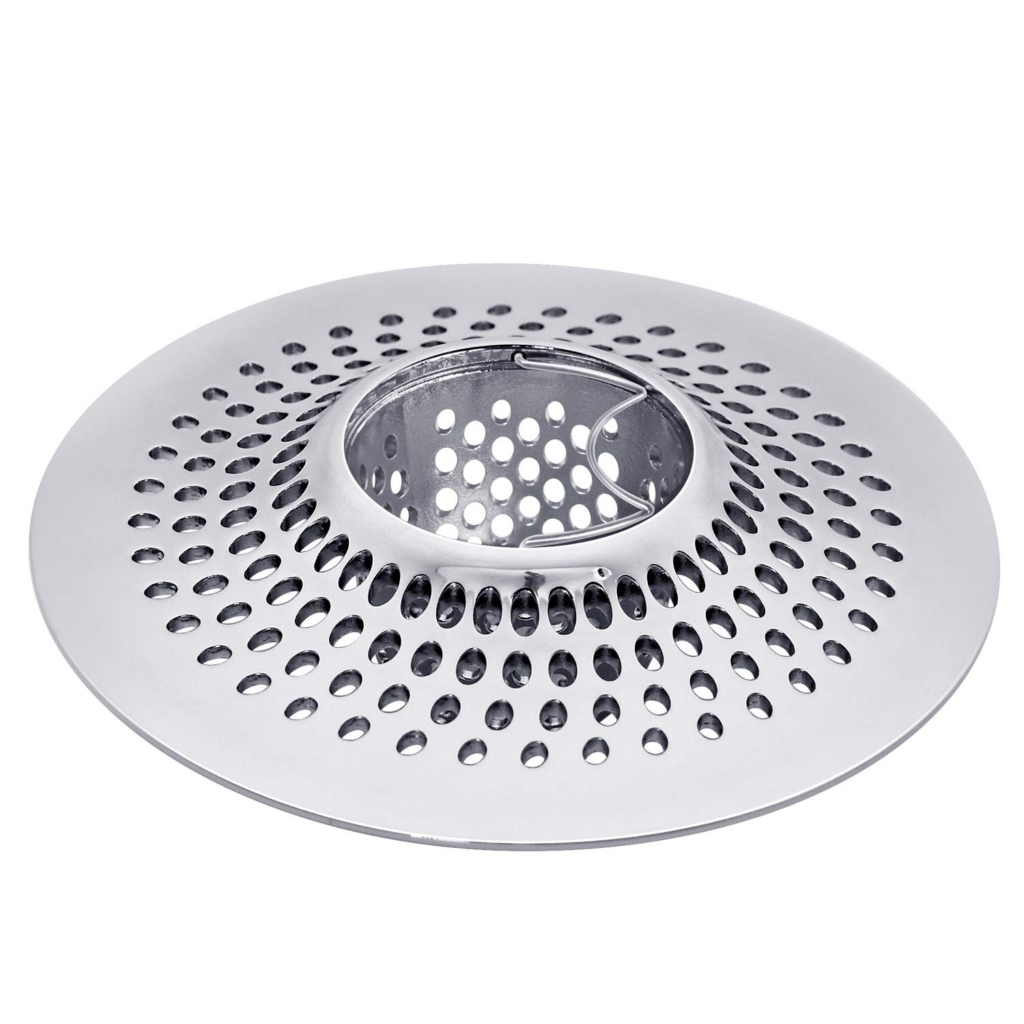
What's the best way to use a hair trap?
• Place the haircatcher or drain filter over your shower or bath drain.
• Gently massage your scalp and hair while washing and rinse.
While the hair fails naturally during this process, it is captured by the device.
• After your shower or bath, remove and inspect the collected hair to estimate the amount.
Study of the Kussensloop
You can also track hair loss by examining your pillowcase in the morning. If you notice an excessive amount of hair on your pillow, this could be an indication of increased hair loss.
In this article, I go into the pillowcase As a possible cause for your hair loss?
Collection with Kam or Brush
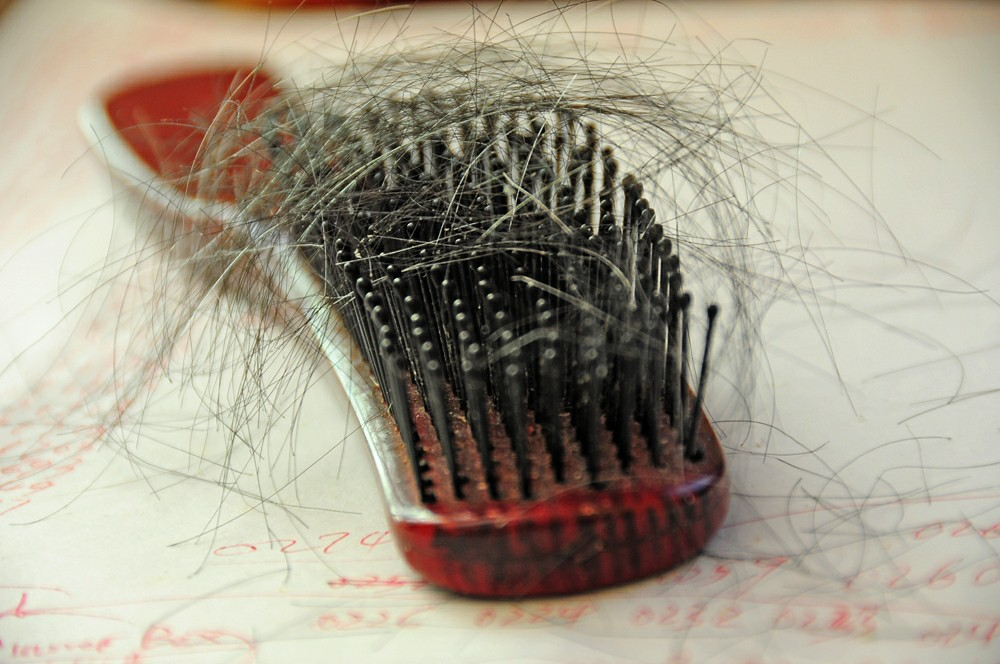
Another method is collecting her from you daily comb or brush.
Pull the comb or brush through your hair, and every hair falling out will gather on it.
You can then count the number of hair collected.
In this Article I go deeper into the best brush for your hair.
Visual Inspection
A visual inspection of your hairbrush, shower drain or bathroom floor can also give clues about daily hair loss.
Excessive hair in these places can justify further research.
Photographic Registration
For a more objective approach you can consider taking daily photos of your hairbrush, shower drain or pillowcase.
Over time you can view these photos to see any changes in hair loss patterns to keep up.
In this Article I go deeper into the male baldness pattern also called the Norwood scale .
When am I supposed to worry about daily hair loss?
If you notice a significant increase in daily hair loss that lasts for weeks, it is advisable to have a healthcare professional or dermatologist to be consulted.
They may help to identify the underlying cause and to recommend appropriate treatment options.
Is it normal for hair loss to vary throughout the year?
Yeah, it's normal that hair loss seasonal varies. Many people experience increased hair loss in autumn and spring, a phenomenon known as seasonal hair loss.
This is usually temporary and no cause for concern.
In this Article I'm going to go deeper into whether your hair's out. seasonal is.
Can tracking daily hair loss help identify the cause of hair loss?
Although monitoring hair loss can provide insight into the degree of failure, it cannot always identify the specific cause.
Identifying the cause often requires a comprehensive assessment by a healthcare professional, including a medical history and possible diagnostic tests.
What can I do to keep healthy hair and reduce hair loss?
To maintain healthy hair, practice good hair care habits, eat a balanced diet rich in essential nutrients, manage stress and avoid tight hairstyles or treatments that stress the hair shaft.
Also consider using hair products that are suitable for your hair type.
What other factors play a role in hair loss?
1.Lifestyle Factors
Lifestyle choices can have a significant impact on the health of the hair.
Sufficient sleep, regular exercise and stress management can contribute to overall well-being, which in turn can support healthy hair growth.
2.Food and Diet
A balanced diet rich in vitamins, minerals and proteins is essential to maintaining healthy hair.
Nutrients such as biotin, zinc, iron and omega-3 fatty acids are particularly important.
If you have concerns about your diet, consult a registered dietician for personal advice.
3. Haircare habits
Soft hair care practices may cause damage and break minimise the appearance of hair loss.
Avoid hard brushing, excessive use of heat styling and tight hairstyles that pull the hair shaft.
Use a comb with wide teeth or a brush with soft hair, and let your hair dry in the air as much as possible.
In this Article I'll go into this in more detail.
4. Head skin health
A healthy scalp is essential for healthy hair. Keep your scalp clean and free of excess oil and product residues.
Consider the use of a mild, sulphate free shampoo and conditioner suitable for your hair type.
5. Medical Evaluation
If you're worried about hair loss, consult a caregiver or dermatologist.
They may carry out a thorough assessment, including: blood tests and scalp examinations, to determine the underlying cause of hair loss and to recommend appropriate treatments.
6. Hair loss treatments
Depending on the cause and severity of hair loss, treatments such as minoxidil, finasteride, laser therapy or hair transplantation surgery options are to consider. These treatments should be discussed with a healthcare professional.

Patience
It is important to have realistic expectations when tackling hair loss. Hair regrowth takes time and results can vary from person to person. Consistency in your chosen treatment or care regimen is essential.
In conclusion, keeping track of daily hair loss can provide valuable insights into the health of your hair and identify possible problems.
By combining monitoring with a healthy lifestyle, good nutrition, gentle hair care practices and, if necessary, medical evaluation and treatments, you can follow a proactive approach to maintaining and promoting healthy hair.
Remember that professional advice is crucial if you notice significant and persistent changes in your hair loss patterns or overall hair health.
Conclusion
Keeping track of daily hair loss can be a useful tool to gain insight into your hair health and identify possible problems.
Using a haircatcher or drain filter, examining your pillowcase or collecting hair daily with a comb or brush are practical methods to estimate daily hair loss.
However, it is crucial to remember that some degree of hair loss is normal and that factors such as seasonal variations can affect daily counts.
If you notice a significant increase in hair loss that lasts for a longer period of time, it is advisable to consult a healthcare professional or dermatologist.
They may carry out a thorough assessment, identify possible causes and recommend appropriate treatments or interventions. Maintaining healthy hair includes a combination of good hair care habits, a balanced diet and stress management.
By staying proactive and attentive to changes in your hair loss patterns, you can take steps to promote healthy hair and address any underlying problems in time.


You might like this too.

Keratine & Hair loss: The Uneasy Truth

Does smoking pot and cigarette cause hair loss?