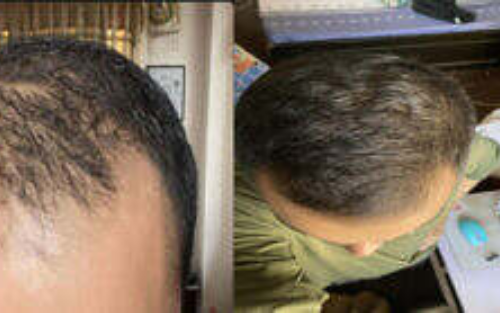
Is Niacinamide safe to use in case of hair loss
Hair loss is a common concern that affects millions of people worldwide. Although there are several factors that can contribute to hair loss, such as genetics, hormonal changes and lifestyle factors, many people are looking for effective ways to address this problem.
Niacinamide, also known as vitamin B3, has recently drawn attention to its potential role in promoting hair growth and addressing hair loss.
Niacinamide is generally considered safe for most people when used correctly. However, it is advisable to perform a patch test before applying niacinamide products to your scalp to check possible allergic reactions.
If you have specific concerns or medical conditions, consult a healthcare professional before taking niacinamide in case of hair loss.
In this extensive blog post we will go into the scientific evidence behind the connection between niacinamide and hair loss and give answers to frequently asked questions.
What is Niacinamide?
Niacinamide is a water-soluble B-vitamin, also known as nicotinamide, which plays a crucial role in various body functions. It is common in foods such as meat, fish and nuts and is also available as a food supplement. In recent years, niacinamide has generated interest in dermatology and hair care because of the potential benefits for skin and hair health.

The Connection Between Niacinamide and Hair Loss
Improved blood circulation: Niacinamide is known for its vasodilating properties, which means it can dilate blood vessels and improve blood circulation.
Good blood flow is essential for delivering essential nutrients to the hair follicles, which promotes the growth of healthy hair. Improved circulation may help to prevent hair loss and promote the regrowth of thinning hair.

Inflammation reduced: Inflammation of the scalp can contribute to hair loss and hair thinning. Niacinamide has anti-inflammatory properties that can help to soothe irritated or inflamed scalp conditions, creating a more favourable environment for hair growth.
DHT-Remming: Dihydrotestosterone (DHT) is a hormone associated with hair loss, especially in cases of androgenic alopecia (male and female baldness). Some studies suggest that niacinamide may inhibit the production of DHT, potentially reducing its negative effects on hair follicles.
Reinforcement of the hair shaft: Niacinamide appears to improve the structural integrity of the hair, making it less susceptible to damage and fracture. This can result in thicker and fuller-looking hair.

Improved hair texture: Niacinamide can improve the overall texture and manageability of the hair, making it easier to stylize and maintain.
FAQ
Is niacinamide safe to use in case of hair loss?
Niacinamide is generally considered safe for most people when used correctly. However, it is advisable to perform a patch test before applying niacinamide products to your scalp to check possible allergic reactions.
If you have specific concerns or medical conditions, consult a healthcare professional before taking niacinamide in case of hair loss.
How can I include niacinamide in my hair care routine?
Niacinamide can be applied locally via hair care products such as shampoos, conditioners and serums, or taken orally as a food supplement. Follow the instructions on the product label or consult a dermatologist for personalized recommendations.
How long does it take to see results with the use of niacinamide in hair loss?
Results may vary from person to person, and it is essential to have realistic expectations. Some people may notice improvements in their hair health after several months of consistent use, while others may need more time.
Are there any side effects associated with the use of niacinamide in hair loss?
Niacinamide is generally well tolerated, but some people may experience mild side effects such as skin redness or irritation with local use. These side effects are usually temporary and disappear upon discontinuation. When taken orally, niacinamide is generally safe, but high doses can cause flushing, stomach discomfort or liver problems. Always follow the recommended dose.
Combine Niacinamide with other ingredients
Niacinamide can be even more effective when used in combination with other hair strengthening ingredients.
Some hair care products contain a combination of niacinamide, biotin, caffeine and other vitamins and minerals that work synergistically to promote hair growth and strength. Look for products that offer a comprehensive approach to its health.
Patience and consistency
Visible results with niacinamide may require time and consistency. Hair growth is a gradual process, and it is important to be patient and committed to your hair care routine. Set realistic expectations and understand that significant changes may not occur overnight.
Addressing underlying causes
Although niacinamide may be beneficial to certain types of hair loss, it is essential to identify and address underlying causes. If your hair loss is due to factors such as hormonal imbalance, thyroid disorders or autoimmune disorders, it is important to work with a healthcare provider to address these underlying causes, in addition to using niacinamide.
Custom hair care
Everyone's hair is unique, and what works for one person may not work for another. Consider adapting your hair care routine to your specific needs and hair type. Experiment with different products and routines to discover what suits you best.
Lifestyle factors
Remember that lifestyle factors play a major role in the health of the hair. A balanced diet, sufficient hydration, stress management and avoiding harmful practices such as excessive use of heat styling or tight hairstyles are essential to maintaining healthy hair.
Monitor and Customize
While you include niacinamide in your hair care routine, you regularly monitor your progress. Take notes of any improvements or changes in the texture, thickness and overall health of your hair. If you do not see the desired results, consider adjusting your approach or consult a dermatologist for personalised guidance.
In summary, niacinamide offers potential benefits as a valuable addition to your hair care routine, with scientific evidence pointing to improving hair health and combating hair loss. But individual reactions may vary, and it should be used as part of a broader approach to hair care. By being patient, consistent and attentive to the needs of your hair, you can exploit the maximum potential of niacinamide and work to achieve and maintain healthy, vibrant hair. Always consult a healthcare professional for personal advice and guidance on including niacinamide in your hair care routine.
Conclusion
Niacinamide, a form of vitamin B3, has emerged as a possible ally in the fight against hair loss. Scientific evidence suggests that niacinamide can stimulate hair growth by improving blood circulation, reducing inflammation, inhibiting the production of DHT, strengthening the hair shaft and improving overall hair texture. Although promising, it is essential to approach niacinamide as an additional part of a comprehensive approach to its health.
Maintaining a balanced diet, controlling stress and adopting proper hair care practices are essential elements of a comprehensive strategy to effectively tackle hair loss.
Before you include niacinamide in your hair care routine, consult a healthcare professional or dermatologist to check if it is suitable for your specific needs and conditions. In conclusion, niacinamide offers potential benefits to people who want to combat hair loss and improve the health of their hair.
However, individual reactions may vary, and patience is important in pursuing any method for hair recovery. By staying informed, gaining professional advice and following a holistic approach, you can take proactive steps to reach her healthier and more vivid.


You might like this too.

Thyme oil as a possible effective treatment of hair loss?
Is bleaching or dyeing bad for your hair and can it cause hair loss?