What blood tests can you do to determine the cause of your hair loss?
Hair loss is a concern that goes beyond aesthetics and often points to underlying health problems. Understanding the root causes is crucial to effective management.
Moreover, when exploring medicines such as Finasteride or Dutasteride, it is essential to assess potential side effects through specific blood tests. This guide provides a comprehensive overview of the blood tests relevant to discovering the causes of hair loss and monitoring possible side effects of these medicines.
When investigating the causes of hair loss or assessing possible side effects of medicines such as Finasteride or Dutasteride, dermatologists or healthcare professionals may recommend specific blood tests to gain insight into different aspects of your health. The choice of tests may vary depending on the individual's symptoms, medical history and probable underlying causes.
All About Blood Testing For Haadiamond fall
Can a blood test definitively identify the cause of my hair loss?
Although blood tests provide valuable insights, identifying the exact cause of hair loss may be complex. They help to reveal nutritional deficiencies, hormonal imbalance or other health problems that can contribute to hair loss. A comprehensive assessment, including medical history and physical examination, is crucial to a more accurate diagnosis.
How often do I have to have blood tests to monitor hair loss or side effects of medication?
The frequency of blood tests depends on individual circumstances and treatment plans. Generally, monitoring can take place at first every few months and then less often once stability is achieved. Consult your healthcare professional to determine the most appropriate schedule based on your situation.
Can hormonal changes in women contribute to hair loss?
Yes, hormonal imbalance, including fluctuations in estrogen and progesterone, can contribute to female hair loss. Blood tests assessing hormone levels, especially during various stages of the menstrual cycle, can provide insight into hormonal effects on the health of the hair.
Are there specific lifestyle changes that can have a positive impact on the results of blood tests and hair health?
Yes, maintaining a balanced and nutritious diet, controlling stress, regular movement and ensuring adequate sleep can affect both the results of blood tests and the overall health of the hair positively. Lifestyle changes contribute to a holistic approach to managing hair loss.
Are there alternative or additional therapies for hair loss that may not detect blood tests?
Yes, alternative therapies such as head massages, laser therapy and certain topical treatments may be considered. Although blood tests are internal factors to
These therapies focus on external aspects of hair health. Consult your healthcare professional to discuss a comprehensive approach tailored to your needs.
Can stress affect the results of blood tests related to hair loss?
Stress can affect both hormonal balance and nutritional status, which may reflect in the results of blood tests. Managing stress through relaxation techniques and mindfulness can contribute positively to overall health and possibly affect hair loss.
Can genetic testing determine my risk of hereditary hair loss?
Yes, genetic tests can identify certain genetic markers related to hereditary hair loss, such as variations in the androgen receptor gene. However, genetic testing is not a definitive predictor, and their role is often complementary to other diagnostic methods.
How long does it take for improvements in hair health to be visible after addressing problems identified by blood tests?
The timeline for improvement varies between individuals and depends on the underlying causes. Improvements in nutrition may be visible within a few months, while hormonal balance and other factors may take longer. Consistency with recommended treatments and lifestyle changes is essential.
Are there age-specific considerations for blood tests related to hair loss?
Yes, age can affect hormonal changes and nutritional needs, affecting the health of the hair. Blood tests can be adjusted based on age, and caregivers take into account age-related factors when interpreting results and recommending interventions.
Can I request specific blood tests for hair loss, or is it for the discretion of my healthcare professional?
You can express your concerns and discuss specific tests with your healthcare professional. However, the selection of blood tests is often based on your symptoms, medical history and the healthcare professional's clinical judgement. Open communication provides a collaborative approach to address your unique situation.
This comprehensive understanding of blood tests and their role in assessing hair loss provides a valuable basis for collaboration with healthcare professionals to develop an effective management approach. Research also supports the safety and effectiveness of medicines such as Finasteride and Dutasteride, allowing individuals to make informed decisions about their health and hair loss.

What blood tests can you do to determine the cause of your hair loss?
1. Complete CBC: • A VBB assesses the counts of red and white blood cells and can help to identify conditions such as anaemia, which can contribute to hair loss
2. Ferritin content: • Ferritine is a marker of iron stores in the body. Low levels, even within normal range, may be associated with hair loss.
3. Thyroid function tests: • Tests such as TSH (Thyreoid Stimulating Hormone), Free T4 and Free T3 evaluate thyroid function. Turtle balance is a common cause of hair loss.
4. Vitamin D levels: • Vitamin D deficiency is linked to hair loss. Checking the levels helps to determine whether supplements are necessary.
5. Hormone levels (Testosterone, DHEA-S, Oestrogene): • Assessing hormone levels can help to identify imbalances that can contribute to hair loss. For example, increased levels of testosterone or DHEA-S may play a role.
6. Blood glucose fasting and insulin levels: • Monitoring fasting blood glucose and insulin levels may help to identify insulin resistance and potential metabolic problems that may affect hair health.
Metabolism-related Blood markers: • In addition to iron levels (ferritin) assessing other nutritional markers, such as vitamin and mineral levels (such as B vitamins, zinc and biotin), can provide insight into the overall nutritional status. Deficiencies in these nutrients can contribute to hair loss.
8. C-reactive protein (CRP): • CRP is a marker of inflammation in the body. Chronic inflammation is linked to various health problems, including hair loss. Monitoring CRP levels can help to identify possible inflammation factors.
9. Estradiol levels: • Evaluating estradiol levels provides additional information on hormonal balance. Low levels of oestrogen can contribute to hair loss, especially in women.
10. Antinuclear antibodies (ANA) Test: • ANA tests are used to detect autoimmune diseases. Some autoimmune diseases, such as alopecia areata, can cause hair loss. If autoimmune factors are suspected, ANA tests may be considered.
11. Serum Zinc levels: • Zinc is essential to the health of the hair, and low levels are associated with hair loss. Monitoring serum zinc levels can help to identify possible shortages.
12. Haemoglobin A1c: • Hemoglobin A1c gives an average blood sugar level over the last few months. Elevated levels may indicate diabetes or insulin resistance, which may contribute to hair loss.
13. Androgen profile (Free and Total Testosterone): • A more detailed assessment of androgen levels, including free and total testosterone, can provide a nuanced understanding of hormonal balance, especially in cases where androgens play a role in hair loss.
14. Folic acid levels: • Folic acid is another B-vitamin that is important to overall health, and a deficiency is linked to hair loss. Assessing folic acid levels can be valuable to understand the extended nutritional profile.
15. Genetic Tests: • While it is not a blood test, genetic tests, such as a DNA test for variations related to hair loss (such as the presence of the androgen receptor gene), can provide insights into genetic predisposition for certain types of hair loss.
16. Medical assessment: • Inform your healthcare professional about any medicines or supplements you are currently taking, as certain medications may promote hair loss or affect the results of blood tests.
Blood tests For Monitoring Side Effects of Finasteride or Dutasteride:
1. Dihydrotestosterone (DHT) levels: • Both Finasteride and Dutasteride work by inhibiting the production of DHT. Monitoring DHT levels can help to assess the effectiveness of medications and possible side effects.

2. Liver function tests: • Regular liver function tests, including ALT (Alanin Aminotransferase) and AST (Aspartate Aminotransferase), may detect any abnormalities as liver problems may be associated with these medications.
3. Prostate specific antigen (PSA) Test: • The PSA test is essential to monitor prostate health, especially in individuals using Finasteride or Dutasteride for conditions such as benign prostate hyperplasia.
4. Sex hormone-binding globulin (SHBG): • Monitoring SHBG levels provides insight into hormonal balance and possible side effects of Finasteride.
These blood tests, when analysed together, provide a comprehensive picture of different health factors that may affect the health of the hair or may be affected by medications.
It is essential to discuss symptoms, medical history and any concerns with your dermatologist or healthcare provider to determine the most appropriate tests for your specific situation. Regular monitoring ensures a personalised and proactive approach to managing both hair loss and possible side effects of medicines.
Conclusion:
Addressing hair loss requires a thorough understanding of underlying causes and considerations for potential medication. Working with healthcare professionals for personal assessments and treatment plans is crucial.
Regular monitoring through blood tests improves safety and effectiveness, allowing individuals to make informed decisions about their health and manage hair loss confidently.


You might like this too.
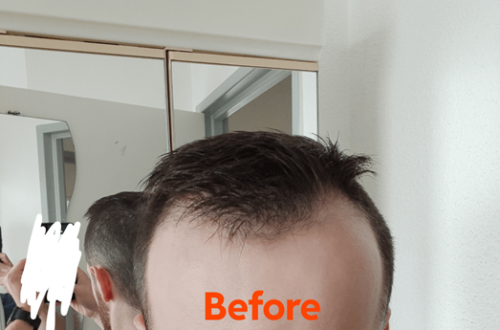
The Hair Transformation Chronicles: 11 Months with Finasteride and Minoxidil!

Does TikTok thrill Batana oil really work against hair loss?