Does supplementing L-citrulline help with hair loss?
Hair loss is a common problem affecting millions of people worldwide, regardless of age, gender or ethnicity. Although many treatments are available to prevent hair loss, some natural resources are becoming increasingly popular because they are considered safer and more effective. One such agent is L-citrulline, an amino acid that occurs in various foods and food supplements.
All in all, L-citrulline is a promising natural remedy against hair loss and has several other potential health benefits. Although more research is needed to fully understand the effects, it is generally considered safe and well tolerated in appropriate doses.
In this blog post we discuss L-citrulline, the potential benefits in hair loss, how to use it and what research says about its effectiveness.
What is L-citrulline?
L-citrulline is an amino acid that is naturally produced in the body and also occurs in certain foods, such as watermelon, cucumbers and pumpkin. It is a precursor of L-arginine, another amino acid involved in the production of nitric oxide, a molecule that plays a crucial role in the dilation of blood vessels and the regulation of blood flow. L-citrulline is also available in food supplements as capsules, powders and tablets.
How do you use L-citrulline against hair loss?
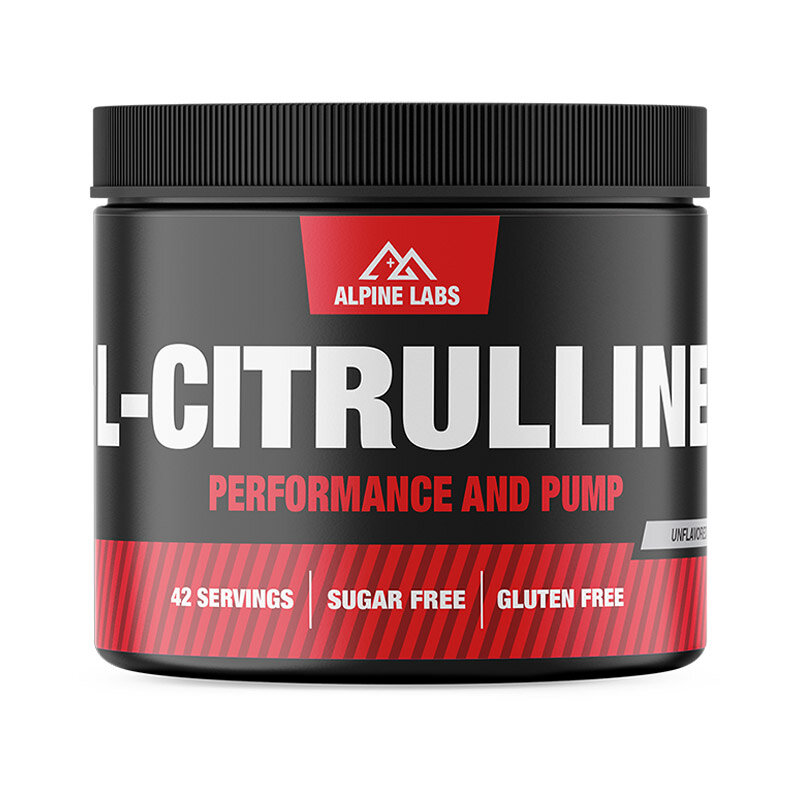
There is no specific dose for L-citrulline when used for hair loss. However, most food supplements give a recommended dose of 3-6 grams per day. You should follow the manufacturer's instructions on the package or seek medical advice on the correct dosage.
L-citrullin can be taken orally or applied locally. Oral supplements are usually the most convenient way to take L-citrulline, but topical solutions can also be effective. To apply L-citrulline locally, mix a small amount of L-citrulline powder with water or a carrier oil, such as coconut oil or jojoba oil, and apply it directly to the scalp.
What does research say about the effectiveness of L-citrulline in hair loss?
Research into the effectiveness of L-citrulline in hair loss is limited, but several studies have shown promising results. Here are some of the most important findings:
1. Increases blood flow: L-citrulline is known to increase blood flow by promoting the production of nitrogen oxide in the body. Nitrogen oxide is a molecule that helps to relax and widen the blood vessels, causing more blood to flow to the scalp and hair follicles. This increased blood flow can help to bring more nutrients and oxygen to the hair follicles, which can stimulate hair growth and reduce hair loss.
2. Promotes collagen production: L-citrulline has been shown to promote collagen production, which is important for maintaining the strength and elasticity of the hair follicles. Collagen is a protein that helps to support the structure of the hair follicles, and a lack of collagen can lead to weakened hair follicles and hair loss.
1. Reduces oxidative stress: Oxidative stress is a process that can damage cells and lead to hair loss. L-citrulline has been shown to have antioxidant properties, which can help reduce oxidative stress and protect the hair follicles from damage.
2. Supports hormone balance: Hormonal imbalances, especially those related to androgens such as dihydrotestosterone (DHT), may contribute to hair loss. L-citrulline has been shown to support hormone balance by promoting the production of luteinising hormone (LH) and follicle stimulating hormone (FSH), which can help regulate androgen levels.
While these studies suggest that L-citrulline may be beneficial to hair loss, more studies are needed to determine the optimal dosage and method of administration. Moreover, it is important to note that L-citrulline is not a remedy for hair loss and may not be effective for everyone. Other factors, such as genetics, nutrition and stress, can also contribute to hair loss and need to be addressed in combination with natural resources.
What different potential health benefits does L-citrulline have?
In addition to the potential benefits for hair loss, L-citrullin has several other potential health benefits that have been studied. These include:
1. Improving training performance: L-citrulline has been shown to improve training performance by increasing blood flow and reducing fatigue.
2. Reduction of blood pressure: L-citrulline has been shown to lower blood pressure in people with hypertension, possibly by promoting nitric oxide production and relaxing blood vessels.
3. Cardiovascular health support: L-citrulline has been shown to have a number of potential benefits for cardiovascular health, including reducing inflammation, improving endothelial function and reducing oxidative stress.
4. Support for immune function: L-citrulline has been shown to support immune function by promoting white blood cell production and improving body response to infections.
All in all, L-citrulline is a promising natural remedy against hair loss and has several other potential health benefits. Although more research is needed to fully understand the effects, it is generally considered safe and well tolerated in appropriate doses. As with any supplement or natural remedy, it is important to talk to your doctor before using L-citrulline to make sure it is safe and suitable for you.
What foods do L-citruline contain?
L-citrulline is an amino acid that occurs naturally in different foods. Here are some of the main food sources of L-citrulline:
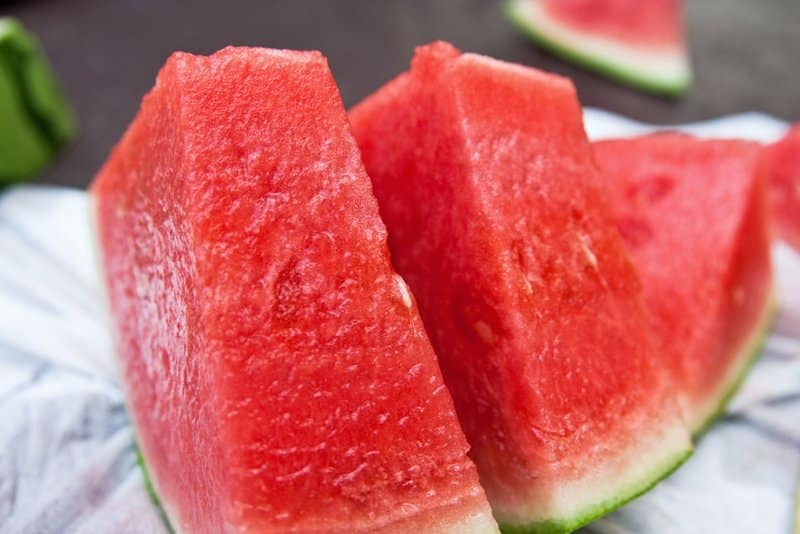
1. Watermelon: Watermelon is a rich source of L-citrulline, with one cup diced watermelon containing approximately 250 milligrams of L-citrulline.
2. cucumbers: cucumbers are another good source of L-citrulline, with one cup of cucumber cut into cubes containing about 100 milligrams of L-citrulline.
3. Pumpkin: Pumpkin seeds are a good source of L-citrulline, with one pumpkin seeds containing about 170 milligrams of L-citrulline.
4. Squash: Squash, including both winter and summer varieties, are a good source of L-citrulline.
5. Table grapes: Turnips are a nutritious vegetable containing a moderate amount of L-citrulline.
6. Meat: Various types of meat, including pork, beef and poultry, are good sources of L-citrulline.
7. Seafood: Certain types of seafood, such as shrimp and salmon, are also good sources of L-citrulline.
In addition to these foods, L-citrulline is also available in food supplements in the form of capsules, powders and tablets. However, it is always best to extract nutrients from whole foods as much as possible, because they also provide other beneficial nutrients and fibres.
Conclusion
L-citrulline is an amino acid that occurs in various foods and food supplements. Although little research has been done on the specific effects on hair loss, studies suggest that it can stimulate hair growth and improve hair quality.
L-citrulline also has several other potential health benefits including improved training performance, decreased blood pressure, improved erectile dysfunction and reduced muscle pain. If you are considering using L-citrulline for hair loss or other potential benefits, it is important to consult a doctor to determine the correct dosage and method of administration.
It is also important to note that although L-citrulline is generally considered safe for most people, it may interact with certain medicines or have side effects in some people. Therefore, it is important to talk to your doctor before you start taking L-citrulline supplements or use them locally.
In general, L-citrulline is a promising natural remedy against hair loss and has several other potential health benefits. However, more studies are needed to fully understand its effects and to determine the optimal dose and route of administration. As with any supplement or natural product, it is important to talk to your doctor before using L-citrulline to make sure it is safe and suitable for you.


You might like this too.

Is Trioxidil better than Minoxidil against hair loss?

How Long Does It Take Before Finasteride Starts Working?