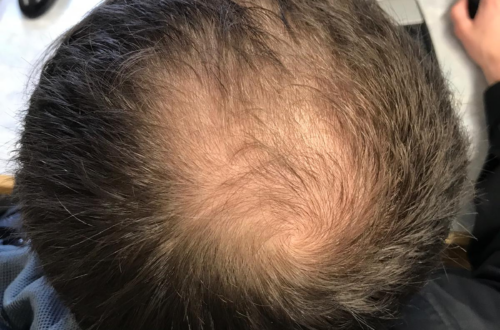
Is immunotherapy possible a cure for hair loss?
It seems as if the battle against hair loss is as old as the time itself, with a series of remedies ranging from snake oil to advanced scientific breakthroughs. And as we continue to look for answers, one term increasingly appears: immunotherapy. So is immunotherapy possibly a cure for hair loss?
The answer might be! It's still in the early stages of research. But the results are very promising.
Scientific studies, such as those published in the "Journal of Clinical and Aesthetic Dermatology," have shown that certain immunotherapeutic treatments can be successful in stimulating hair growth in patients with alopecia areata by modulating the immune system.
Immunotherapy is a form of therapy that uses the power of the immune system to fight diseases.
In the event of hair loss, immunotherapy uses immunomodulators, medicines that can suppress or stimulate the immune system, to tackle the hair follicles and promote hair growth.
But what exactly does this mean for someone who has to do with the loss of his or her crown of glory?
Let's explore this subject, like we're sitting together with a cup of coffee, ready to explore the world of modern wonders.
Are you curious about my personal hair loss routine then scroll to the bottom of the blog. There are all the products I use for the best results against hair loss.
Moreover, these are the only means that are scientifically proven to work.

What is Immunotherapy and how can it possibly work against hair loss?
Immunotherapy, in the context of hair loss, is a treatment that the body's own immune system uses to prevent hair loss.
But how exactly does this work?
Essentially immunotherapy trains the immune system to recognize and attack or protect the correct cells, depending on the cause of the hair loss.
In some forms of hair loss, such as alopecia areata, the immune system accidentally attacks the hair follicles, resulting in hair loss. Immunotherapy focuses on correcting this error, allowing the hair follicles to grow undisturbed.
Scientific studies, such as those published in the "Journal of Clinical and Aesthetic Dermatology," have shown that certain immunotherapeutic treatments can be successful in stimulating hair growth in patients with alopecia areata by modulating the immune system.
This means that immunotherapy has the potential to treat not only the symptoms of hair loss but also the underlying immune-related causes.
Topical Immunotherapy with DCP
The only version that can possibly be used against hair loss is the topical variant.
Topical immunotherapy, in particular the use of contact allergen Diphenylcyclopropenone (DCP), is an innovative approach designed to re-activate the recognition and response mechanisms of the immune system, which effectively stops hair loss.
This method aims to create a small allergic reaction to the scalp. The attention of the immune system is distracted to this new threat, which allows hair follicles to recover and the hair to grow.
DCP treatment has shown promise, with studies indicating that approximately two thirds of patients experience a stop in hair loss.
However, it is important to note that DCP has not yet been widely approved and is mainly available in specialised centres or university clinics at the forefront of dermatological research.
As DCP is not universally approved and is only available through specialised centres, access to treatment can be a challenge. This underlines the importance of thorough research and consultation with healthcare professionals who can guide you through the process and help you weigh the benefits against the risk derivatives.
When will topical immunotherapy be available?
The landscape of treatments for alopecia areata evolves, with topical immunotherapy that protrudes as a promising option for many.
Yet the journey does not end here. Continuous research and clinical trials continue to shed light on the effectiveness of DCP and other potential treatments, with the aim of providing hope and solutions to those who navigate through the complex world of hair loss.
If you or someone you know is considering topical immunotherapy for alopecia areata, remember that knowledge is power.
Understanding the treatment, its implications and the necessary precautions can make a world of difference on your way to recovery.
Which types of hair loss could possibly be treated with Immunotherapy?
Although hair loss may have many forms and causes, immunotherapy is apparently effective in the treatment of alopecia areata, a condition in which the immune system attacks the hair follicles, resulting in spotless baldness.
This specific approach to treatment works by reprogramming the immune system to stop these seizures, allowing hair growth to resume.
It is a hopeful option for those suffering from this particular type of hair loss, but it is important to mention that the success of treatment may vary from person to person.
How effective is Immunotherapy in treating hair loss?
The effectiveness of immunotherapy in the treatment of hair loss is promising, but as with any treatment, results vary.
According to studies and patient testimonies, a significant number of patients experienced positive results.
Statistics from these studies show that patients see improvements in hair growth and a reduction in hair loss. Personal testimonies, such as those shared on forums and in support groups, often offer hope and perspective to others who compete with hair loss.
Do you have any experience with immunotherapy for hair loss, or do you know anyone who's been through this?
Your story can inspire others, so feel free to share your experiences in the comments below.
And if this article has somehow helped or informed you, why not share it on social media? Let us together raise awareness and support those who struggle with
What are the side effects of Immunotherapy?
Although immunotherapy is a beacon of hope for many suffering from certain types of hair loss, it is essential to understand that no treatment comes without potential side effects.
Patients receiving immunotherapy may experience a range of adverse reactions ranging from mild to more pronounced.
These may include local skin reactions at the treatment site, such as redness, itching, and sometimes blistering. These reactions are usually temporary and indicate an activation of the immune system.
In rare cases more systemic side effects may occur, such as fatigue, a general feeling of unwellness, or even flu-like symptoms.
It is crucial to communicate with your treating physician about all experienced side effects, as they are best able to advise on how to control or reduce them.
What are the different types of immunotherapy besides DCP?
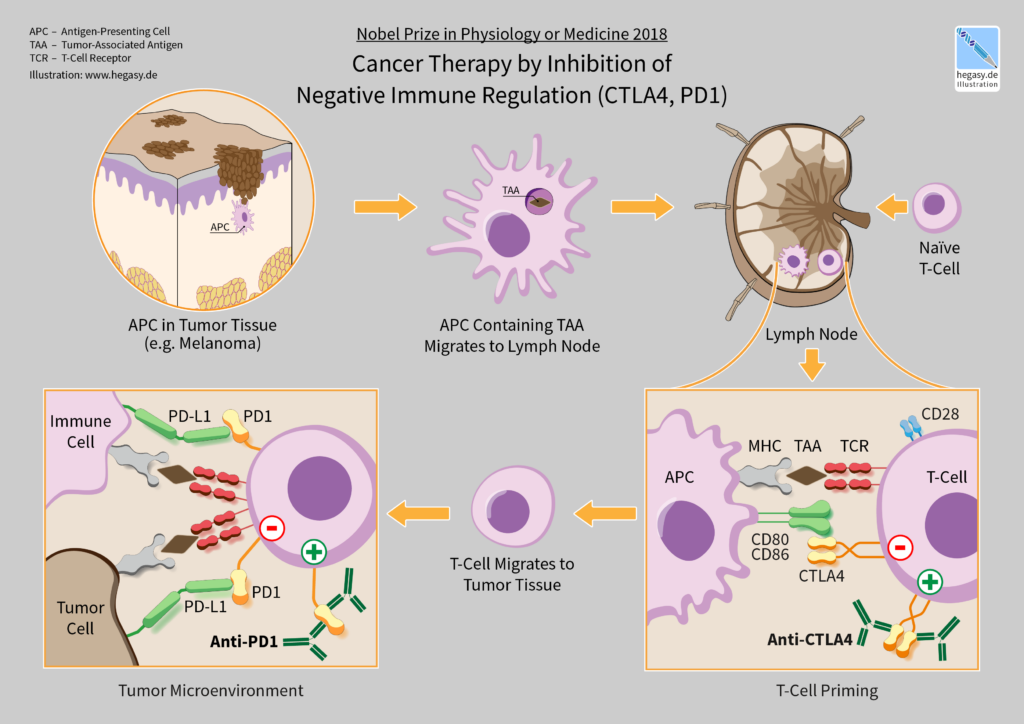
1. Checkpoint inhibitors: These drugs block proteins that prevent the immune system's ability to attack cancer cells.
2. CAR-T cell therapy: It manipulates immune cells to recognise and attack cancer cells.

3. Monoclonal antibodies: These are synthetic antibodies that can target specific proteins on the surface of cancer cells.
4. Vaccines: These stimulate the immune system to recognise and attack cancer cells.
5. Immune system modulators: These medicines can stimulate or suppress the immune system, depending on the specific disease or condition being treated.
Now that you're armed with this knowledge, what are your thoughts on immunotherapy for hair loss?
Share your stories, questions, and insights into the comments below. Together we can build a community of support and hope, looking forward to the future developments that will bring us even closer to the solution. And remember, if this article has helped or inspired you, share it with others who may also be looking for answers and support.
Conclusion
In short, immunotherapy is an emerging treatment option for hair loss which in some cases can promote hair regrowth.
Although not suitable for everyone, it can be a good option for people with certain types of hair loss, such as alopecia areata.
If you suffer from hair loss, talk to your doctor to determine the underlying cause and discuss appropriate treatment options.
My Routine
Curious about my personal routine against hair loss? An overview:
- Pumpkin seed oil: Twice a week for a natural boost. Try it. here.
- Dermapen: Essential for my scalp care and research has shown that it doubles the action of minoxidil. 1x per week 20 min. Available here.
- Minoxidil: Only agent that can accelerate and double hair growth.
Daily support for hair growth. At least once every day. Find it here. - Finasteride: The only proven remedy that works against the main cause of hair loss is DHT. Supports in the fight against thinning hair. 0.5mg a day. More info on doctoronline.com.
- Haircatcher: Keep track of how much hair you lose. You use this to see if the bahndelingen have any effect. Take a look here.
- Pill Splitter: For easy intake and doubling your Finasteride supply. This allows you to split 1 to 5mg pills, to save money. Available here.
- Ketoconazole shampoo: For a healthy scalp. 3x a week at the shower. Try it. here.
Always consult your doctor before trying new products!


You might like this too.

Nettle & Hair Growth: The Natural Solution You Miss 🌿

Does alcohol consumption cause hair loss?