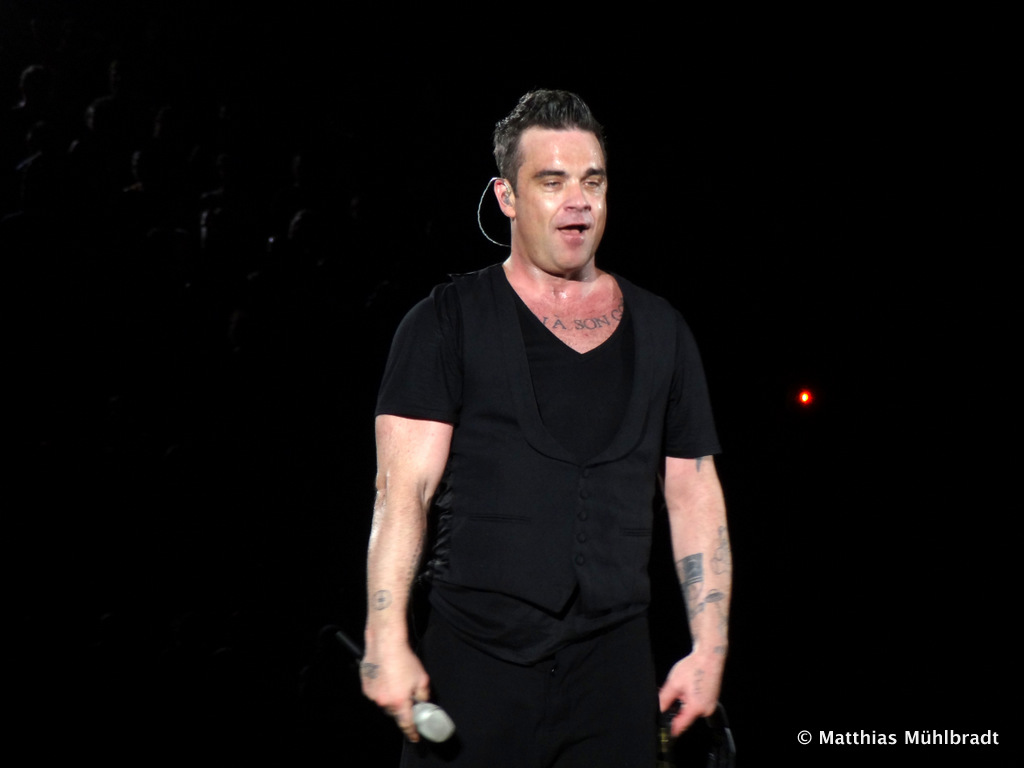
How come Robbie Williams, despite a hair transplant, still has hair loss?
In the dazzling world of the entertainment industry, where image and appearance often dominate the spotlight, Robbie Williams has unexpectedly become a spokesperson for the challenges of hair loss.
Despite the glitter and glamour surrounding this musical legend, his frank confession of embracing hair loss after several failed recovery attempts highlighted the complex journey that many people are going through to maintain their desired aesthetics.
In general, hair transplantation can only improve the aesthetics of the hair by moving healthy hair follicles to balding or thinning areas. However, it does not treat the underlying cause of hair loss. If the hair loss is due to genetic factors, it may persist even after a hair transplant.
Finasteride and minoxidil are two commonly used medicines to treat hair loss. Finasteride works by reducing the conversion of testosterone to dihydrotestosterone (DHT), which is a common cause of hereditary hair loss. Minoxidil stimulates hair growth and can be applied to the scalp.
Maintaining hair after hair transplantation may vary from person to person and is affected by various factors including genetics, the cause of hair loss, and the treatments used after transplantation.
In general, hair transplantation can only improve the aesthetics of the hair by moving healthy hair follicles to balding or thinning areas. However, it does not treat the underlying cause of hair loss. If the hair loss is due to genetic factors, it may persist even after a hair transplant.
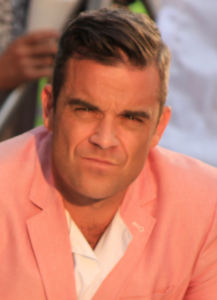
Other celebrities that have so far come up in this series include: Donald Trump, Andrew Tate, Lebron James, Elon Musk, David Beckham, Rafael Nadal, Lewis Hamilton, Wayne Rooney, Justin Bieber, Matthew McConaughey, Jamie Foxx, Jada Pinkett, Chris Hemsworth and Chris Evans, Ashton Kutcher, Floyd Mayweather, Pete Davidson, Bradley Cooper, Akon, Prince Harry, Conor McGregor, Arnold Schwarzenegger, Robbie Williams, Johnny Depp, Ben Affleck, Tristan Tate, Hugh Jackman, Andrew Garfield, Jordan Peterson, Robert Pattinson, Ryan Reynolds, John Cena, Steve Carrell, Sebastian Vettel, Nicolas Cage, Tom Hanks, George Clooney, James Franco, Adam Levine, Matt Damon, Sylvester Stallone, Elton John, Daniel Craig, John Travolta, Mel Gibson, Henry Cavill, Chris Brown, Brad Pitt, Gordon Ramsay, Tiger Woods, Brendan Fraser, Harry Styles, Sam Smith, Kanye West, Joe Biden, Machine Gun Kelly, Logan Paul, Jake Paul and Joe Rogan.
The intention behind the "Celebrities with Hair Loss' series is to emphasize That you're not alone in the challenge against hair loss.
This blog post dives deep into the versatile aspects of the relationship between Robbie Williams and his hair, looking at expert opinions, his experiences with different treatments, and the overarching story of his ongoing struggle against thinning locks.
Expert opinions
Leading hair loss experts give their views on Robbie Williams' unique situation, highlighting the complexity of his individual case. The openness of the singer about the limitations of popular remedies, such as hair transplants and medication, emphasizes the complexity of his situation.
Which Norwood Stadium is he in?
To understand the depth of Robbie Williams' hair loss, exploration of the Norwood stage is a classification system for male baldness. At present, he is between 3 and 4.
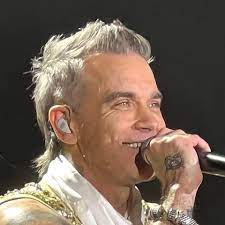
The unveiling of the singer that his hair is progressively thinning suggests a potentially advanced Norwood stage, adding additional layers of complexity to his search for a viable solution.
Robbies Personal Fight
During a recent appearance in the Zoe Ball Breakfast Show, Robbie Williams offered an unfiltered look at his personal struggle against hair loss. His statement that no professional wanted to perform a hair transplant because of the thinness of his hair underlines the unique challenges he faces.
Moreover, his refusal to rely on medication because of the impact on his mental health gives extra insight into the deep personal nature of his journey.
Failed Attempts and Precious Injections:
Robbie Williams' history with hair loss treatments is characterized by both triumphs and disappointments. The singer underwent a hair transplant in 2013 and sought a second transplant in 2020, but was informed that his hair was too thin for the procedure.
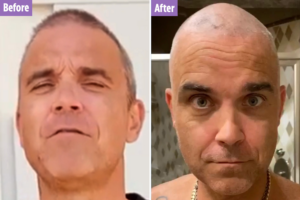
Moreover, his investment in hair loss injections, which promised a thicker hairdo, proved to be pointless. The openness of the singer about these failed attempts adds a low vulnerability to his public persona.
What could he have done to keep his hair transplant?
Maintaining hair after hair transplantation may vary from person to person and is affected by various factors including genetics, the cause of hair loss, and the treatments used after transplantation.
In general, hair transplantation can only improve the aesthetics of the hair by moving healthy hair follicles to balding or thinning areas. However, it does not treat the underlying cause of hair loss. If the hair loss is due to genetic factors, it may persist even after a hair transplant.
Finasteride and minoxidil are two commonly used medicines to treat hair loss. Finasteride works by reducing the conversion of testosterone to dihydrotestosterone (DHT), which is a common cause of hereditary hair loss. Minoxidil stimulates hair growth and can be applied to the scalp.
Whether these treatments are suitable depends on different factors, including the cause of hair loss, the health of the person, and individual reactions to the medications. It is important to consult with a medical professional before deciding on hair loss treatments, as they may have possible side effects and contraindications.
In the case of Robbie Williams, he might have been advised by his doctor on the most appropriate treatments for his particular situation.
The Curiosities of Celebrities Choices
Robbie Williams' decision to undergo a hair transplant in 2013, accompanied by his nonchalante comment on life in Los Angeles, paints a vivid picture of the unique choices made in the world of celebrities.
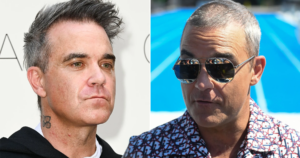
His humorous view of the inevitability of an operation in LA adds a recognizable touch to his cosmetic journey, showing the sometimes airy approach of celebrities towards their own transformations.
Possible Solutions and Considerations
With progress in hair recovery technologies, there are several options Robbie Williams could have explored to maintain his locks. Some possible strategies are:
Topical Finasteride
Topical finasteride, a local use of the medication, serves as an alternative to oral form and addresses the underlying cause of androgenic alopecia without possible systemic adverse reactions. By inhibiting dihydrotestosterone (DHT) directly on the scalp, it aims to prevent hair follicle miniaturization, contributing to the preservation and potential recovery of the hair.
PRP (Platelet-Rich Plasma) Therapy
PRP therapy includes a non-invasive procedure whereby the patient's blood is taken, processed to concentrate the platelets, and then injected into the scalp. The growth factors in the platelets would stimulate hair follicles, resulting in increased blood flow and cell activity, eventually stimulating hair growth.
Low-Level Laser Therapy (LLLT)
LLLT is a non-invasive treatment using lasers to stimulate hair follicles, improve cell activity and generally promote the health of the hair. This approach is believed to increase the energy available to cells, which promotes a favourable environment for hair growth.
Mesotherapy
Mesotherapy means that a specialised combination of vitamins, minerals and other active ingredients is injected directly into the scalp. This targeted approach feeds the hair follicles, improves blood circulation and promotes overall scalp health. The goal is to provide essential nutrients to stimulate and support healthy hair growth.
Lifestyle changes
Taking a healthy lifestyle largely contributes to the overall health of the hair. Nourishing diets, regular exercise and effective stress management have a positive impact on hair growth. Integrating supplements with essential vitamins and minerals, such as biotin and zinc, into the daily routine can further support optimal conditions for healthy hair.
Scalp Micropigmentation (SMP) and hair system: 6. Scalp Micropigmentation (SMP)
Scalp Micropigmentation is a non-invasive cosmetic tattoo technique designed to create the illusion of thicker hair. By applying small pigment particles to the scalp, it effectively cloaks thinning areas, provides a defined hairline and generally improves the appearance of hair density.
Hair system (Pump or Hairpiece)
A hair system, including wigs or hairpieces, offers direct and customizable solutions for a full hairdo. These systems are designed to fit natural hair color, texture and style preferences, providing versatility and a natural look.


You might like this too.

Inositol and Hair Health: Disable Myths and Explore Science

Using Sophora Root Extract to Treate Hair Loss