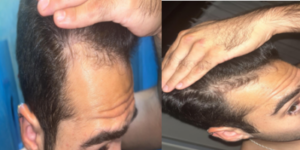
Does Taurine as a natural remedy help to prevent hair loss?
Hair loss is a common condition affecting millions of people worldwide. It can be caused by various factors including genetics, hormonal changes and nutritional shortages.
Although there are many treatments available, including medications, topical treatments and hair transplant surgery, some people may be interested in natural means to promote hair growth.
One such agent is taurine, an amino acid that has been shown to have potential benefits for hair growth.
Taurin is a type of amino acid naturally produced by the body and involved in various body functions, including regulating electrolyte balance, improving heart and blood vessels and supporting the immune system.
It also occurs in some foods, such as meat, fish and dairy products. Taurin supplements are available as capsules or powders and can be taken orally.
Research into the effects of taurine on hair growth is still early, but some studies have shown promising results.
A study published in the Journal of Cosmetic Dermatology showed that taurin supplementation increased hair density and thickness in subjects with alopecia androgenics, a common form of hair loss.
Another study, published in the Journal of Medicinal Food, showed that taurine increased hair growth in mice.
In this blog we explore taurine for hair growth, including how to use it, what research says about its effectiveness, potential benefits and a conclusion.
What exactly is taurine?
Taurine is a species amino acid which is naturally produced by the body.
It is found in high concentrations in the brain, heart and skeletal muscles, and is involved in various body functions, including regulating electrolyte balance, improving heart and blood vessels, and supporting the immune system.
Which food sources contain taurine?
Taurin is an amino acid that is not present in many foods, but is naturally present in some animal products. Here are some common food sources of taurine:
Meat: Taurine is found in high concentrations in meat such as beef, pork and chicken.
Seafood: Taurin occurs naturally in fish and shellfish, especially in scallops, mussels and shrimps.
Dairy products: Milk and dairy products such as cheese and yogurt contain small amounts of taurine.
Eggs: Taurin is found in egg yolk.

Energy drinks and supplements: Taurin is often added to energy drinks and food supplements.
It is important to note that taurine is not considered an essential amino acid, because the body can produce it itself.
However, some people choose to take taurine supplements because of different health benefits. As with any supplement, it's important to talk to a health expert before taking taurine.
What does research on the effectiveness of taurine for hair growth say?
Several studies have investigated the potential benefits of taurine for hair growth, although more research is needed to fully understand the effects.
One study, published in the Journal of Cosmetic Dermatology, investigated the effects of taurin supplementation on hair density and thickness in subjects with alopecia androgenics.
Alopecia androgenetics, also known as male or female baldness, is the most common form of hair loss and is caused by a combination of genetic and hormonal factors.
The study included 40 subjects with alopecia androgenic agents divided into two groups: a taurine group and a placebo group. The taurine group received a daily supplement of 1 gram of taurine for 6 months, while the placebo group received a daily supplement of placebo for the same period.
The researchers found that the taurine group had a significant increase in hair density and thickness compared to the placebo group. They concluded that taurin supplementation may be an effective treatment for alopecia androgenic agents.

Another study published in the Journal of Medicinal Food investigated the effects of taurine on hair growth in mice.
The researchers found that taurine increased hair growth and thickness in mice that were shaved, suggesting that taurine can have a beneficial effect on hair growth.
Although these studies are promising, it is important to note that more research is needed to fully understand the effects of taurine on hair growth, including the optimal dosage and duration of supplementation.
It is also important to remember that individual results may vary, and that taurine may not be effective for everyone.
Although the study of taurine for hair growth is still in an early stage, these studies suggest that taurine may be a useful supplement to promote hair growth, especially in people with alopecia androgenic agents.
Is Taurine increasing DHT?
Taurin, an amino acid with different physiological functions, is not uniquely linked to DHT dihydrotestosterone levels.
DHT is a hormone associated with hair loss. Although some studies suggest that taurine can play a role in hormone regulation, evidence regarding the specific impact on DHT is limited.
More research is needed to establish a direct connection between taurin supplementation and DHT-levels.
What are the side effects of Taurine?
Taurin is generally considered safe when consumed within recommended levels, and adverse reactions are rare.
As with any supplement or treatment, it is important to consult a doctor before starting a new treatment.
The usual doses in supplements or energy drinks are usually well tolerated.
However, excessive ingestion may lead to adverse reactions such as gastrointestinal discomfort, nausea or diarrhoea.
As with any supplement, it is crucial to follow recommended doses to minimise the risk of side effects.
Does Taurin increase Testosterone?
There is limited evidence that a potential role of taurine in modulating testosteronniveaus support.
Some studies suggest that taurine may affect aspects of male reproductive health, but the overall effect on testosterone levels remains included.
More research is needed to establish a clear link between taurin supplementation and testosterone regulation.
Does Taurin deficiency cause hair loss?
Although taurine is involved in various physiological functions, including the formation of bile salts and eye health, there is no direct evidence that a shortage of taurine causes hair loss.
Hair loss is often multifactorial, and nutritional deficiencies can contribute to certain types of hair loss.
However, a shortage of taurine in itself is not a well-established cause of hair loss.
Is Taurine Collagen increasing?
Taurin plays a role in the synthesis of collagen, a crucial part of skin, hair and connective tissue.
Collagen provides structural support, and the involvement of taurine in this process can contribute to skin and hair health.
However, the direct impact of taurine supplementation on collagen production is not fully understood, and more research is needed to establish specific relationships.
Advantages and Disadvantages of Taurine in Hair Loss
Benefits
- Collagen synthesis: The involvement of taurine in collagen synthesis can support the overall health of skin and hair.
- Antioxidant Properties: Taurin has antioxidant properties and may protect cells, including hair follicles, from oxidative stress.
Disadvantages
- Limited Evidence: The scientific evidence that taurine is a direct remedy for hair loss is limited.
- Bijwerkingen: Excessive intake of taurine may lead to gastrointestinal problems, stressing the importance of moderation.
Can taurine treat hair loss on its own?
The role of taurine in her health is not fully understood, and there is insufficient evidence to support its use as a standalone treatment for hair loss.
Is taurine replacement safe?
Taurine is generally safe when consumed within recommended levels. However, it is crucial to follow the proposed doses to avoid possible side effects.
How does taurine affect hair growth?
The impact of taurine on hair growth is versatile and includes collagen synthesis and possible antioxidant effects. However, the specific mechanisms have not been fully clarified.
Can a shortage of taurine contribute to her dilution?
Although a shortage of taurine may affect different physiological functions, the direct link to hair dilution is not well established.
Nutritional deficiencies are just one of many factors affecting the health of the hair.
How do you use taurine for hair growth?
Taurin supplements are available as capsules or powders and can be taken orally.
The recommended dose of taurine for hair growth is not well established, but most studies have used doses of 1-3 grams per day.
It is important to consult a doctor before starting a new supplement.

Other potential benefits of taurine outside hair loss
In addition to the potential benefits for hair growth, taurine has been shown to have several other potential health benefits.
1. Improves training performance: Taurine has been shown to improve training performance by increasing endurance and reducing fatigue.
It is thought to do so by regulating calcium levels in muscle cells and reducing oxidative stress.
2. Reduces ignition: Taurin has anti-inflammatory properties and various animal and human studies have shown that it reduces inflammation. This may be beneficial for people with chronic conditions of inflammation, such as arthritis.
3. Improves heart health: Taurine has been shown to improve heart health by lowering blood pressure, improving cholesterol levels and reducing the risk of heart disease. It is believed to do this by improving the function of the heart muscle and reducing oxidative stress.
4. Supports the immune system: Taurine has been shown to support the immune system by increasing white blood cell production and improving their function. This can be beneficial to people with a weakened immune system, such as those with chronic disease.
5. Can improve mental health: Some studies have suggested that taurine may have beneficial effects on mental health, including reducing anxiety and improving cognitive function. However, more research is needed in this area.
Although more research is needed to fully understand the potential benefits of taurine, these studies suggest that taurine may have a variety of health benefits beyond promoting hair growth.
As with any supplement or treatment, it is important to consult with a health professional before starting a new treatment.
Conclusion
Although hair loss may be a frustrating and disturbing condition, there are many treatment options available.
Taurin, a natural amino acid, has shown promising results in some studies for promoting hair growth.
Although more research is needed to fully understand its effects, taurine can be a useful supplement for people who want to promote their hair growth.
As with any supplement or treatment, it is important to consult a doctor before starting a new treatment.


You might like this too.
Does Sesame oil work as a natural alternative to hair loss?

Is er een verband tussen Sjögren’s Syndroom en Haaruitval?