

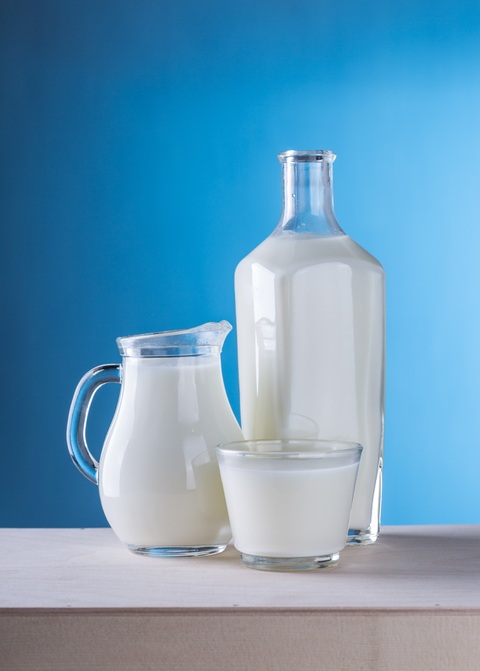
Can dairy products such as milk and yoghurt cause hair loss?
Are you concerned that your love for dairy products causes your hair loss?
You're not the only one. Many people wonder if there is a connection between dairy and hair loss.
There is currently no scientific evidence that dairy products cause hair loss. A high-fat diet may contribute to hair loss, but is not the only cause.
It is always important to have a balanced diet that delivers all essential nutrients for hair growth and general health.
In this blog post we investigate the research on this subject and help you understand whether there is any truth in the claim that dairy causes hair loss.
We also discuss what you can do to prevent hair loss, whether it is caused by dairy or other factors.
So, if you're worried about your hair loss, keep reading for more information.
What is the theory dairy products as a cause for hair loss?
The theory that dairy products can cause hair loss is based on the idea that a high fat diet can lead to an increase in the level of androgen, a hormone associated with hair loss.
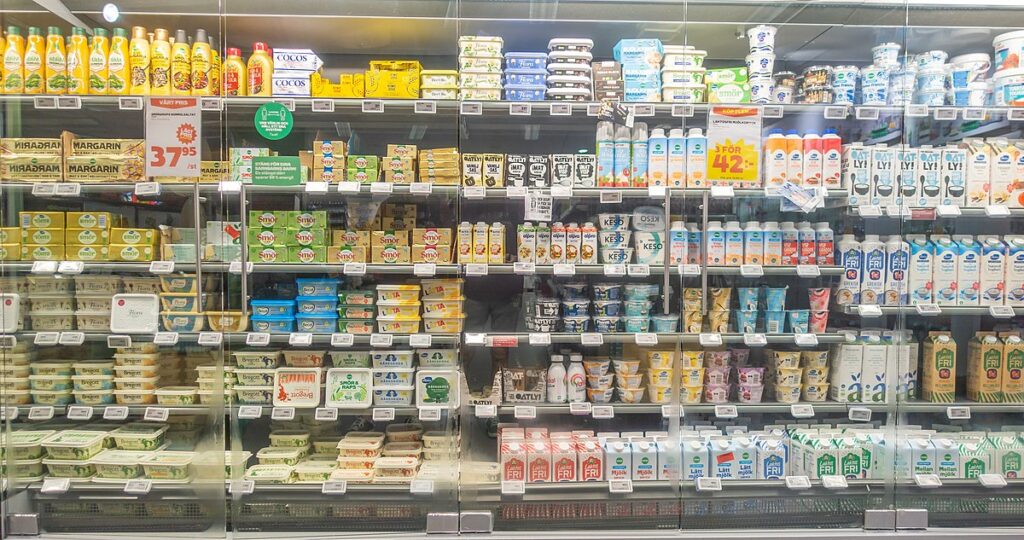
Dairy products are not directly associated with hair loss.
However, some studies suggest a link between a high diet and an increased risk of hair loss, as a high fat diet can lead to an increase in androgen levels, a hormone associated with hair loss.
Androgens are a group of hormones that play a role in the development of male characteristics such as facial hair and a deeper voice.
High levels of androgens, especially dihydrotestosterone (DHT), may lead to hair loss.
Dairy products, especially whole fat dairy products such as whole milk, cream and cheese, often contain a lot of fat.
Some studies have suggested that a high fat diet may contribute to hair loss by increasing body androgen levels.
However, it is worth noting that not all studies have found a link between a high fat diet and hair loss.
Does Milk reduce hair growth?
The relationship between milk consumption and hair growth is a complex subject. Although milk is a rich source of essential nutrients such as protein, vitamins and minerals, it does not seem to directly affect hair growth.
Instead, hair health is often linked to a balanced diet with sufficient intake of essential nutrients.
Nutrient deficiencies, rather than milk itself, probably contribute to hair problems.
It is essential to consider general dietary habits and the intake of different nutritious foods for optimal hair health.
How does Dairy Cause Hair Loss? Does Lactose play a role?
There is limited scientific evidence that directly links milk consumption to hair loss.
However, some studies suggest that some individuals may experience negative reactions to dairy, potentially leading to inflammation or sensitivity problems that may affect hair health.
Lactose, a sugar in milk, can be a factor for some people.
Lactose intolerance, the inability to digest lactose well, may cause digestive discomfort, but the direct association with hair loss is not well established.
It is crucial to consult a health professional to determine whether dairy or lactose intolerance is a contributing factor to hair problems.
Does Melk raise DHT?
Dihydrotestosterone (DHT) is a hormone associated with hair loss, especially in people with androgenic alopecia.
Although some studies suggest that there is a link between high levels of DHT and hair loss, there is no convincing evidence that milk consumption directly increases DHT levels.
DHT is mainly affected by genetic factors and hormonal changes.
If there are concerns about DHT and its potential impact on the hair, it is advisable to consult a health professional for an extensive evaluation.
Here is a List of Great Alternatives for Various Dairy Products
For those exploring alternatives to dairy, different plant-based options can offer similar nutritional benefits without the potential disadvantages of lactose or other components in dairy.
Almond milk, soy milk, coconut milk and oat milk are popular alternatives that offer a range of vitamins and minerals.
In addition, non-dairy sources of calcium, such as leafy vegetables and fortified plant products, contribute to the overall nutritional needs.
Can dairy cause immediate hair loss?
There is no convincing evidence that shows a direct link between the consumption of dairy and hair loss.
Hair health is affected by various factors, including genetics, general nutrition and possible sensitivities or intolerances.
Does lactose in milk contribute to hair loss?
Although lactose intolerance may cause digestive discomfort, the direct connection to hair loss is not firmly established. However nutritional deficiencies due to digestive problems may indirectly affect hair health.
Are there specific nutrients in dairy essential to the health of the hair?
Dairy products contain nutrients such as proteins, vitamins and minerals, which are important for overall health.
Getting these nutrients from a diverse range of sources, including non-dairy options, is equally effective for supporting hair health.
Should I eliminate dairy if I experience hair loss?
Individual reactions vary. It is recommended to consult a health professional to identify potential causes of hair loss, including nutritional factors, before making significant changes to the diet.
Are there plant-based alternatives that promote hair health?
Yes, several plant-based alternatives such as almond milk, soy milk and fortified vegetable foods can offer similar nutritional benefits without possible problems related to dairy.
A balanced diet with various nutritional resources is essential for optimal hair health.
In summary, although there is some discussion about the potential impact of dairy on the health of the hair, the relationship is complex and is influenced by various factors.
It is crucial to approach the subject with a nuanced understanding and to take into account individual health conditions and nutritional needs.
What does scientific research on dairy products and food high in fat say as a cause of hair loss?
There have been several studies on the relationship between nutrition and hair loss But the results are mixed.
Some studies suggest a link between a high-fat diet and an increased risk of hair loss while others found no association.
A study published in the International Journal of Trichology in 2016 looked at the nutritional habits of individuals with hair loss and compared it to those without hair loss.
The study showed that those with hair loss increased intake of total fat, saturated fat and cholesterol compared to those without hair loss.
However, the study did not specifically examine the relationship between dairy products and hair loss.
A study published in the Journal of the Academy of Nutrition and Dietetics in 2014 found that there was no connection between dairy intake and hair loss in men.
The study included a sample of 1,151 men and investigated the relationship between food intake and hair loss.
The study showed that there was no link between dairy intake and hair loss.
A study published in the International Journal of Trichology in 2013 found that a high-fat diet was associated with an increased risk of hair loss.
The study included a sample of 100 persons with hair loss and 100 persons without hair loss.
The study showed that those with hair loss had a higher intake of total fat and saturated fat than those without hair loss.
It should be noted that these studies are observational in nature, which means that they can identify links, but cannot show cause and effect.
Moreover, the sample size in these studies was relatively small and more research is needed to fully understand the relationship between nutrition and hair loss.
It is important to note that hair loss can be caused by several factors and it is unlikely that a single food or nutrient is solely responsible for hair loss.
Therefore, it is always important to consult a doctor or trichologist if you suffer from hair loss.
They will help you to understand the specific cause of your hair loss, and what can be done about it.
Conclusion
It is therefore important to know that hair loss can be caused by several factors and that it is unlikely that a single Food or nutrient is solely responsible for hair loss.
Hair loss can be caused by various factors including genetics, stress, medical conditions and hormonal imbalances.
It is important to note that hair loss can be caused by several factors, and it is unlikely that a single food or nutrient is solely responsible for hair loss.
The studies which examined the relationship between dairy products and hair loss did not find a clear link between the two.
Overall, the studies have shown that there is no link between intake of dairy products and hair loss.
However, some studies have shown that a high fat diet can be associated with an increased risk of hair loss.
Moreover, it is not necessary to avoid dairy products at all if you suffer from hair loss, because they are a rich source of essential nutrients such as calcium, Vitamin D and proteins.
Instead, it is important to focus on a healthy and balanced diet, with a variety of different foods, and to consult a doctor or trichologist if you suffer from hair loss.
They can help you understand the specific cause of your hair loss and what can be done about it.




One reaction
Pingback: