


Why do I get bald and not my brother?
Hair loss can be a disturbing experience affecting people of all ages and genders. It is a common concern that some people experience hair loss while their brothers or relatives do not.
If you're wondering why you're losing your hair when your brother still has a full hairdo, you're not the only one!
The reasons why one person experiences hair loss while their brother does not, are versatile and complex.
Genetics undoubtedly plays an important role, in which variations in androgen receptor genes and genetic predisposition to hormonal imbalance contribute.
However, environmental influences, lifestyle choices, autoimmune diseases, medical conditions and medication can also play a role.
In this extensive blog we will explore the reasons behind this phenomenon and look at the intriguing studies of twins to better understand which factors affect hair loss.
Understanding hair loss
Before we go into the specific reasons why you're going bald when your brother doesn't, it's important to have a basic understanding of hair loss.
The most common form of hair loss is known as androgenic alopecia or male baldness, affecting both men and women. Genetics, hormones, aging and a range of other factors contribute to this condition.
Hair follicles gradually become smaller and produce thinner, shorter and less pigmented hair until they finally stop producing completely.
Study in twins
Studying twins offers a unique opportunity to explore the role of genetics in hair loss. Identical twins, sharing almost identical genetic codes, provide valuable insights into the hereditary aspect of hair loss.
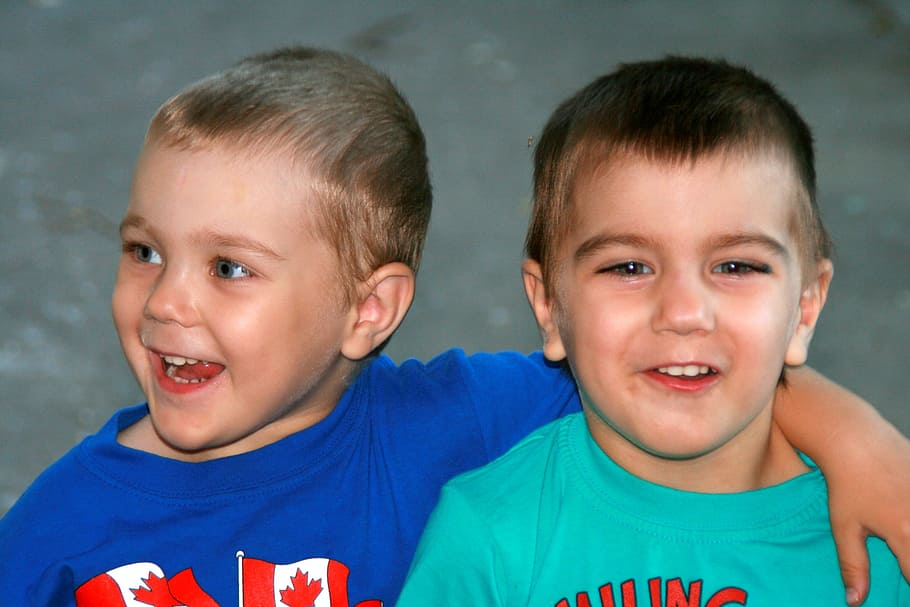
Numerous studies have been carried out to compare the incidence and severity of baldness in twins, with the aim of unravelling genetic and environmental factors.
What does the investigation say?
1.Genetic factors
Research suggests that genetic predisposition plays an important role in hair loss. Studies comparing identical and non-identical twins have consistently found a higher degree of baldness in identical twins, supporting the strong genetic influence.
Genetic variations related to hair growth and sensitivity to androgens (male hormones) are believed to contribute to the risk of developing hair loss.
2. Androgen receptors and hormonal factors
An important genetic factor associated with hair loss is the androgen receptor gene.
Variations in this gene can make hair follicles more sensitive to the effects of androgens. In particular, dihydrotestosterone (DHT), which is responsible for reducing hair follicles and producing thinner hair.
Differences in the expression of the androgen receptor gene between twins may explain the differences in hair loss.
Hormonal imbalance can also exacerbate hair loss, whereby fluctuations in hormone levels, especially androgens such as DHT, accelerate the miniaturisation of hair follicles.
Environmental factors
Although genetics play a crucial role, environmental factors also contribute to hair loss.
These factors may include lifestyle choices, stress levels, diet and exposure to certain toxins or medication.
Environment influences can vary considerably between individuals, even within the same family, resulting in differences in hair loss patterns. For example, if you have a more stressful life or follow an unhealthy diet, this can contribute to hair loss. Even if you have a genetic predisposition.
Autoimmune disorders
Some people may experience a form of hair loss called alopecia areata, which occurs in response to an autoimmune response.
In this condition, the immune system accidentally attacks the hair follicles, leading to site-by-site hair loss.
Although the exact cause of autoimmune diseases is not fully understood, genetic factors, environmental disorders and immune system disorders are assumed to contribute.
It is possible that one twin has a genetic sensitivity to autoimmune diseases, while the other does not.
Medical disorders and medication
Certain medical conditions and medication may also contribute to hair loss. Disorders such as thyroid abnormalities, scalp infections and nutrient deficiencies may affect the health of the hair. In addition, certain medicines used to treat conditions such as cancer, arthritis, depression and high blood pressure may cause temporary or permanent hair loss.
Let's look at some additional factors that can play a role:

- Ethnicity:
Hair loss patterns may vary between different ethnicities. For example, individuals of African descent may experience hair loss differently than people of European or Asian descent.
Genetic variations specific to certain ethnicities may affect the susceptibility to hair loss and the pattern in which it occurs. - Haarverzorgingspraktijken:
Hair care practices, such as excessive use of heat styling tools, chemical treatments, tight hairstyles (such as braids or ponytails) and rough hair treatment, can contribute to hair loss.
Differences in hair care routines and styling choices between siblings may affect the overall health and integrity of the hair, and may affect the occurrence of hair loss. - Age and hormonal changes
Hair loss patterns may change with age due to hormonal fluctuations. Although male baldness usually begins at adult age, it may be expressed differently in individuals within the same age group.
Factors such as the timing and extent of hormonal changes, including puberty, menopause and male transition, can contribute to variations in hair loss patterns between siblings. - Headache and inflammation
Certain head disorders, such as seborroic eczema or psoriasis, can cause inflammation and disrupt the hair growth cycle. Inflammation can lead to hair loss or impaired function of hair follicles. Differences in the occurrence or severity of head disorders between siblings may contribute to variations in hair loss. - Stress and lifestyle factors
Stress, both acute and chronic, can contribute to hair loss. People who experience a lot of stress or a stressful lifestyle may be more prone to hair loss.
Life style factors such as smoking, excessive alcohol consumption, poor diet and lack of exercise may also affect the health of the hair and contribute to differences in hair loss between siblings. - Exposure to environmental factors
Exposure to environmental factors such as pollution, ultraviolet (UV) radiation and extreme weather conditions may affect hair health and possibly lead to hair loss.
Differences in exposure levels to these factors between siblings due to differences in geographical locations, working environments or outdoor activities may contribute to different experiences of hair loss. - Hair styling products
Regular use of certain hair styling products, such as gels, mousses and sprays, can affect the health of the hair. Some products contain aggressive chemicals that can damage hair follicles and contribute to hair loss. Differences in use or types of styling products between siblings may affect hair loss.
It is important to note that hair loss is a complex phenomenon that is influenced by multiple factors. Although these factors provide insight into possible reasons for differences in hair loss between siblings, it is essential to consult a medical professional or dermatologist for a thorough evaluation and personal advice tailored to your specific circumstances.
Conclusion
The reasons why one person experiences hair loss while their brother does not, are versatile and complex. Genetics undoubtedly plays an important role, with variations in androgen receptor genes and genetic predisposition to hormonal imbalance as contributing factors.
However, environmental influences, lifestyle choices, autoimmune diseases, medical conditions and medication can also play a role.
It is important to remember that the hair loss journey of each person is unique and that consulting a medical professional or dermatologist can help to determine the specific causes and available treatment options.
The search for professional advice can help to identify underlying medical conditions, evaluate possible genetic factors and explore personalized treatments such as medications, topical solutions, laser therapy or hair transplantation procedures.
Although the mystery of why you lose her while your brother doesn't have a simple answer, understanding the interaction between genetics, hormones, environmental factors and other possible causes provides insight into the complexity of hair loss.
Eventually, embracing your unique appearance and searching for appropriate professional guidance can enable you to face with confidence the challenges of hair loss.
Remember that different solutions and support are available to help you feel comfortable and maintain your self-confidence throughout the process.


You might like this too.
Why doesn't Minoxidil work for your hair? The Complete Guide

Examination of the relationship between Crohn's disease and hair loss


