


Is the cause of your hair loss a fungal infection? Read more here!
Hair loss is a common problem affecting millions of people around the world. Although there are many different causes of hair loss, fungal infections are one of the less known causes.
Fungal infections may affect different parts of the body, including the scalp, and may lead to hair loss if not treated.
In this article we investigate fungal infections and their relationship to hair loss. We'll discuss what fungal infections are, how they develop, what the research says, how to prevent them, and conclude with some important conclusions.
What are fungal infections?
Fungal infections are caused by a kind of organism known as a fungus. Fungi are everywhere and are part of the natural world.
However, if they get out of control, they can cause infections. Fungal infections can affect different parts of the body, including skin, nails and scalp.

fungal infections of the scalp are also called tinea capitis. They are most common in children, but can also affect adults.
The fungi that cause these infections can live on the skin and quickly multiply under certain conditions and cause an infection.
How do fungal infections occur in the scalp?
Fungal infections of the scalp may have several causes. The fungi that cause these infections are often transmitted by contact with infected persons or contaminated objects such as comb, Brushes or Hats.
They can also be spread through soil, animals or contaminated water.
Certain factors may increase the risk of fungal infection of the scalp. Examples include a weakened immune system, poor hygiene and living in a warm and humid environment.
What does fungus look like on your scalp?
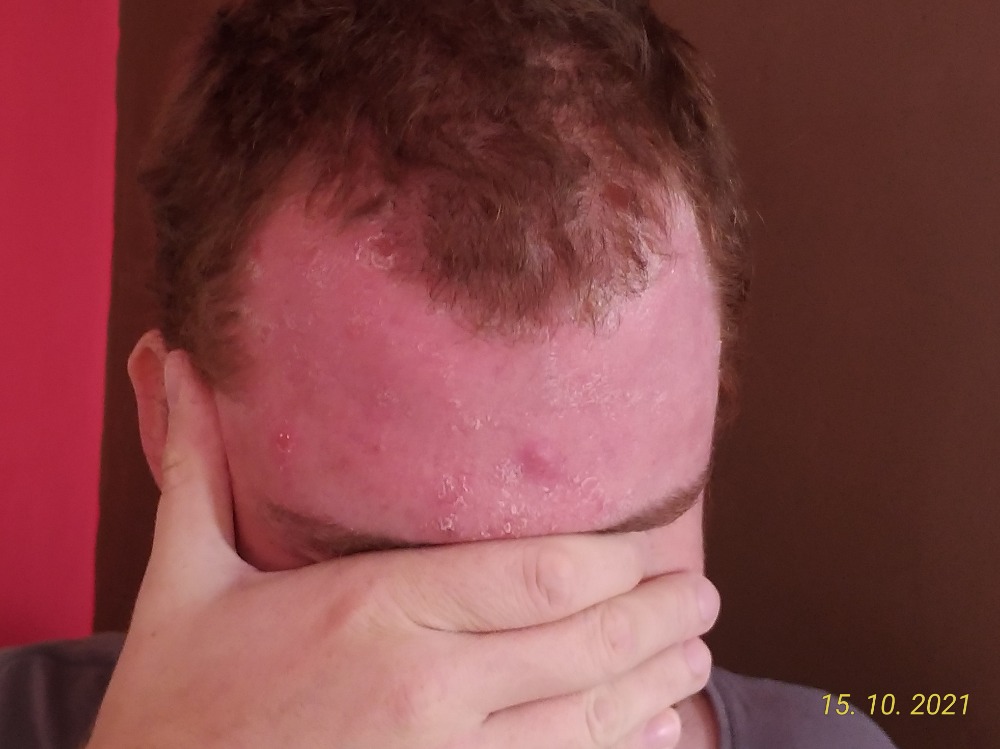
Fungal on the scalp may look like red, scaly patches that itch. Sometimes the small bumps form and crusts can develop.
In severe cases it may lead to hair loss and an inflamed scalp.
What shampoo with head fungus?
In the case of the main fungal, an antifungal scamp is often recommended. Shampoos with ketoconazoleSelenium sulphide or zinc pyrithione are common choices.
These ingredients can help to fight fungus on the scalp.
Ketoconazol is an antifungal commonly used in shampoos. It also has anti-androgenic properties, which means it may possibly help with hair loss caused by an excess of androgen.
However, more studies are needed to fully confirm effectiveness.
How do you know you got head fungus?
Symptoms of main fungal include itching, redness, scaling and sometimes hair loss. It is important to consult a doctor for proper diagnosis if you suspect you have head fungus.
Is the hair growing back after a scalp infection?
Hair can grow back after a scalp infection, depending on the severity and treatment of the infection. In some cases hair loss can be temporary, and with proper treatment the hair can grow again.
Is mold on the scalp the only cause of hair loss?
No, hair loss can be caused by various causes, including genetics, hormonal changes and medical conditions.
Can antifungals completely cure hair loss?
Antifungals can treat hair loss caused by fungal infections. However, other causes of hair loss may require different approaches.
How long does it take to improve symptoms of head fungus with treatment?
The improvement in symptoms may vary, but with consistent treatment improvements can usually occur within a few weeks.
Can you treat head fungus without medication?
In mild cases, certain home remedies and hygiene adjustments may help, but severe fungus often require medical treatment.
Can you prevent a recurrent fungal infection on the scalp?
Maintaining good hygiene, avoiding shared items such as combing, and quickly treating skin lesions can help to prevent recurrent fungal infections on the scalp.
How do you know you got head fungus?
It's important to know that I'm not a medical professional, but I can provide general information.
The presence of head fungus can cause different symptoms. Here are some signs that may indicate a fungal infection on the scalp:
- Itching and Irritation: An itchy, irritated scalp is a common symptom of head fungus. The itching may be mild to severe.
- Red Spots: Mold can cause red spots or ring-shaped lesions on the scalp.
- Painting: The affected areas can become scaly, similar to dandruff, but often with a more scaly and thick texture.
- Crust formation: In more serious cases, scab formation may occur on the infected areas of the scalp.
- Hair loss: Some fungal infections may lead to hair loss in the infected areas. This may range from mild to severe hair loss.
If you suspect you have head fungus, it is advisable to seek medical attention. A doctor may make an appropriate diagnosis based on the symptoms and, if necessary, prescribe appropriate treatment.
It is important not to make a self-diagnosis because other conditions can cause similar symptoms.
What does the research say about the relationship between fungal infections and hair loss?
Several studies have investigated the relationship between fungal infections and hair loss. One study, published in the Journal of the European Academy of Dermatology and Venereology, analysed a sample of patients with hair loss and found that fungal infections were responsible for hair loss in 4.5% of cases.
The study also showed that fungal infections occurred more frequently in children and in subjects with a history of eczema.
Another study, published in the Journal of Dermatology, investigated the effectiveness of antifungal medication in the treatment of fungal infections of the scalp.
The study showed that a combination of antifungal medication and steroids was effective in treating scalp fungal infections and restoring hair growth.
The study concluded that early detection and treatment of fungal infections may prevent hair loss.
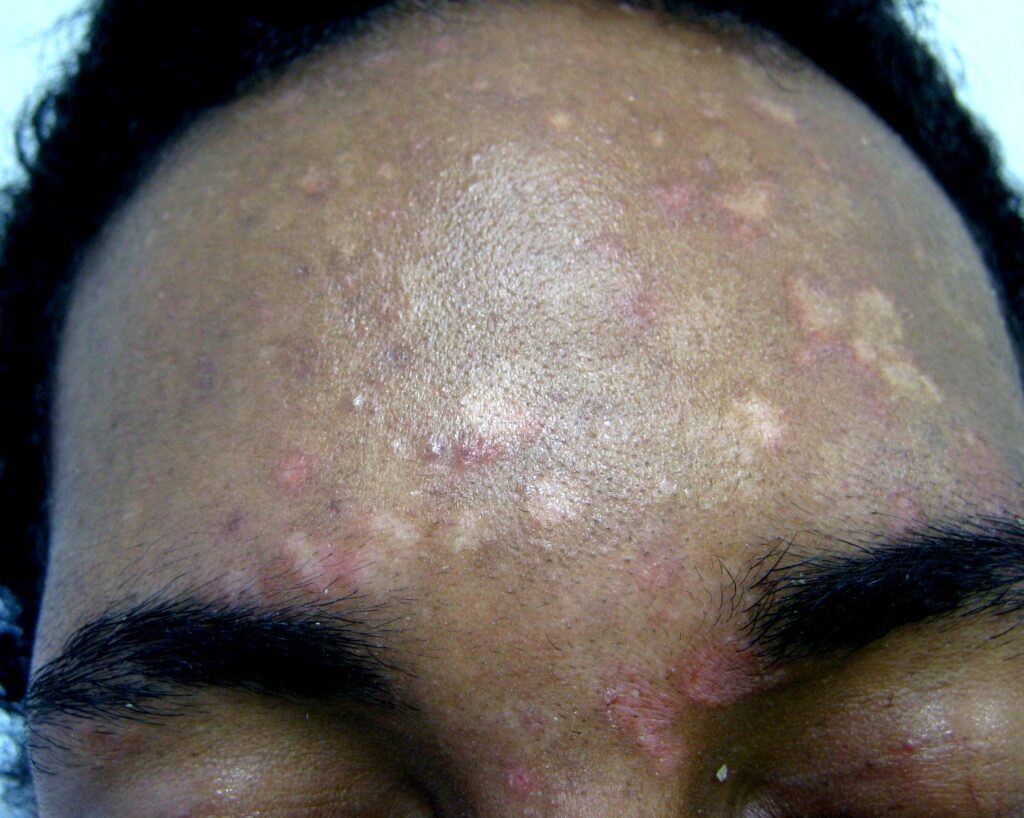
fungal infections of the scalp may lead to inflammation and damage to the hair follicles, which may cause hair loss.
The study also emphasised the importance of early diagnosis and treatment to prevent hair loss and scarring.
In general, the study suggests that fungal infections may cause hair loss if not treated.
Early diagnosis and treatment with antifungal medication can prevent hair loss and promote hair regrowth.
What fungal infection causes hair loss?
Different types of fungal infections can cause hair loss.
The most common fungal infections of the scalp leading to hair loss are caused by dermatophytes, a type of fungus that can infect the skin, hair and nails.
The most common dermatophyte causing scalp fungal infections is Trichophyton tonsurans, which can cause a condition known as tinea capitis.
Tinea capitis is an infectious fungal infection that can cause hair loss in areas of the scalp.
The fungus can penetrate the hair shaft, making the hair fragile and breaking off on the surface of the scalp.
In some cases hair loss can be more severe and result in scarring.

Other types of fungi may also cause scalp infections and hair loss, including yeasts such as Malassezia and non-dermatophytic fungi. However, these infections are less common than dermatophytic infections.
If you suspect that you have a fungal infection that causes your hair loss, it is important to go to a dermatologist or other medical expert for proper diagnosis and treatment.
How do I know my hair loss is due to a fungal infection?
Fungal infections of the scalp may be difficult to diagnose without the help of a doctor.
However, there are some symptoms that may indicate that a fungal infection is the cause of your hair loss. These symptoms may include:
1. Itching or burning on the scalp
2. Redness or inflammation of the scalp
3. Skin or dandruff painting
4. Spots of hair loss that are round and smooth
5. Thick, scaly patches on the scalp
6. Swollen lymph nodes in the neck
If you experience any of these symptoms, it is important to go to a dermatologist or other medical expert as soon as possible.
They can physically examine your scalp and take a sample of your hair or skin for examination under a microscope or for laboratory examination.
If a fungal infection is detected, they may prescribe antifungal medicines to treat the infection and prevent further hair loss.
How to prevent fungal infections of the scalp?
To prevent fungal infections of the scalp, you should observe good hygiene and avoid contact with infected objects or persons. Here are some tips to prevent fungal infections:
1. Wash your hair regularly with a mild shampoo.
2. Avoid sharing combs, brushes or hats with others.
3. Keep your scalp clean and dry.
4. Avoid tight hairstyles that may pull the hair and scalp.
5. Wear a hat or head cover in public areas, such as changing rooms and swimming pools.
6. Avoid touching or scratching the scalp.
7. If you suspect you have a fungal infection, seek medical attention immediately.
Conclusion
fungal infections of the scalp may cause hair loss if they remain untreated.
These infections are caused by fungi that can penetrate the hair follicles and lead to inflammation and damage.
Research has shown that antifungal medicines and steroids may be effective in treating scalp fungal infections and restoring hair growth.
To prevent fungal infections, you should maintain good hygiene and avoid contact with infected objects or persons.
By following these tips, you can reduce the risk of fungal infection of the scalp and prevent hair loss. If you suspect you have a fungal infection, seek medical attention immediately.






3 reactions
Pingback:
Pingback:
Pingback: