Is a hair transplant without taking Finasteride useless?
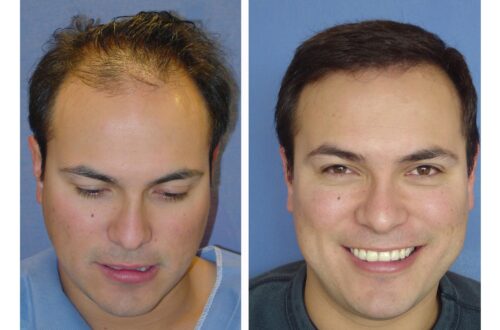
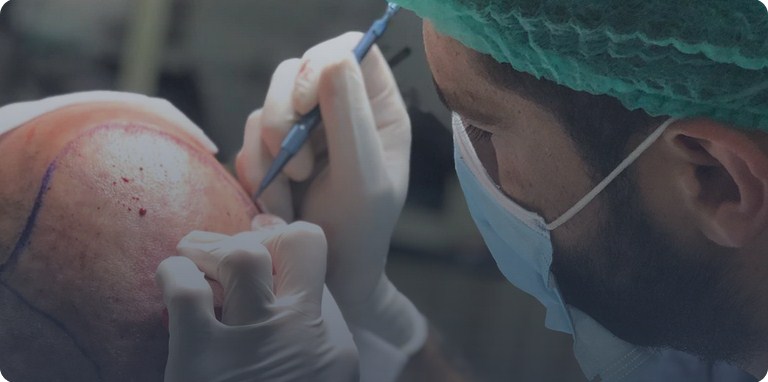
Hair transplants have become increasingly popular in recent years as a solution to hair loss and to regain a fuller hairdo.
Although the procedure itself is effective, it is essential to recognise the importance of additional treatments to ensure long-term success.
Without finasteride, a hair transplant only treats the cosmetic aspect of hair loss by moving hair follicles, while the underlying cause (DHT) remains untouched.
This means that the transplanted hair, as well as the existing hair, is still susceptible to the harmful effects of DHT, leading to continuous hair loss over time.
One of these crucial additions is the use of finasteride, a medicine that plays a crucial role in preventing further hair loss. In this blog we explore the reasons why a hair transplant without finasteride can be considered useless, exploring research results and addressing frequently asked questions.
The Biology of Hair Loss
Understanding the mechanisms behind hair loss is crucial to understand the need to combine hair transplants with medicines such as finasteride.
Androgenetic alopecia, also known as male or female baldness, is the main cause of hair loss. It is associated with genetics and the hormone dihydrotestosterone (DHT), a derivative of testosterone.
DHT gradually reduces hair follicles, leading to hair dilution and eventually hair loss.
The Role of Finasteride
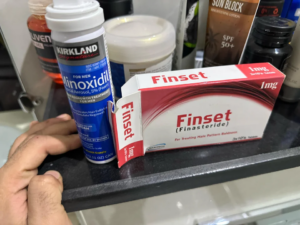
Finasteride is a FDA-approved drug designed to reduce hair loss by inhibiting the conversion of testosterone into DHT.
This helps to maintain and strengthen existing hair follicles, preventing further hair loss.
Although it may not stimulate significant hair growth, finasteride acts as a powerful means to stop the progression of androgenic alopecia.
What does scientific say? Research About hair transplants without finasteride?
Various studies have shown the effectiveness of combining finasteride with hair transplants for optimal results. Research published in renowned medical journals consistently highlights the benefits of a comprehensive approach to hair recovery.
A study in the "Journal of the American Academy of Dermatology" found that patients who used finasteride after transplantation experienced better hair density and thickness compared to those who did not.
Another study in the "International Journal of Dermatology" highlighted the importance of finasteride in preventing shock loss, a temporary failure of transplanted and existing hair after surgery. Shock loss can compromise the overall success of a hair transplant, making finasteride a valuable asset to minimise this.
Does minoxidil also work on transplanted hair?
Yes, minoxidil can be effective in promoting hair growth on transplanted hair.
Minoxidil is a topical medicine commonly used in androgenic alopecia, or male and female baldness.
It is not specifically aimed at natural or transplanted hair and can be applied to both. After a hair transplant, the transplanted hair follicles undergo a recovery period.
During this period some of the transplanted hair may temporarily fall out before they start to grow again.
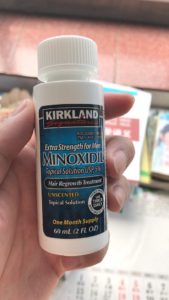
Applying minoxidil to the transplanted area may help to stimulate blood flow to follicles, promote hair growth and possibly accelerate the recovery process. It is important to note that the effectiveness of minoxidil may vary from person to person and individual reactions may vary.
Some people may experience significant hair growth, while others see more modest results. In addition, minoxidil is generally recommended for long-term use to maintain its benefits.
If you have had a hair transplant and are considering using minoxidil, it is advisable to seek advice from your transplant surgeon or a dermatologist.
They can provide personalised advice based on your specific situation and help you to determine the most appropriate follow-up regimen after transplantation, including the use of minoxidil.
IV. Frequently Asked Questions about Hair Transplants and Finasteride
Why do many people need a second hair transplant?
Hair transplantations may not prevent further hair loss, and persons who do not address the underlying cause . . . . . . . . . . . . . . . . . . . . . . . . . . . . . . . . . . . . . . . . . . . . . . . . . . . . . . . . . . . . . . . . . . . . . . . . . . . . . . . . . . . . . . . . . . . . . . . . . . . . . . . . . . . . . . . . . . . . . . Finasteride serves as a preventive measure to protect the transplanted and existing hair.
Can a hair transplant only offer a permanent solution?
Although a hair transplant moves her from one area to another, it does not treat the underlying cause of androgenic alopecia. Without a preventive measure such as finasteride, the transplanted hair is susceptible to the same factors that caused hair loss in the first place.
Any side effects of finasteride?
Like any medicine, finasteride can have side effects, but these are generally mild and reversible. It is crucial to consult a health professional to assess individual risk derivatives and benefits.
So why is a hair transplant without finasteride useless?
Hair transplantation without concomitant use of finasteride may be considered less effective and potentially pointless for several important reasons:
- No Approach to Underlying Cause: • Finasteride works by inhibiting the conversion of testosterone to dihydrotestosterone (DHT), a hormone involved in androgenic alopecia . Without finasteride, a hair transplant only treats the cosmetic aspect of hair loss by moving hair follicles, while the underlying cause (DHT) remains untouched. This means that the transplanted hair, as well as the existing hair, is still susceptible to the harmful effects of DHT, leading to continuous hair loss over time.
- Risk of Shock Loss: • Shock loss is a phenomenon in which transplanted hair or existing hair in the receiving area temporarily falls out after surgery. Research suggests that the use of finasteride can help reduce the risk of shock loss. Without finasteride, the transplanted hair can be more vulnerable to shock loss, reducing the overall success and aesthetic outcome of the hair transplantation.
- Optimal Long-Term Results: • A hair transplant is a significant investment in time, money and emotional well-being. In order to ensure optimal long-term results, it is essential to adopt a comprehensive approach that not only restores its cosmetic performance, but also tackles the ongoing progression of hair loss. Finasteride complements the physical recovery achieved with a hair transplant by actively working to prevent further hair loss and promote the preservation of existing hair.
- Reduced hair density and Thickness: • Studies have consistently shown that individuals who use finasteride in combination with hair transplantation experience better hair density and thickness compared to those who do not. Without finasteride, the transplanted hair may be subject to the same process of dilution and reduction that affected the original hair, leading to less satisfactory aesthetic results.
- Possible Need for Additional Transplants: • Persons undergoing hair transplantation without addressing the underlying cause of their hair loss with medicines such as finasteride may find themselves able to find with the need for additional transplant procedures in the future. This not only adds to the financial costs, but also exposes the person to the potential risks and inconveniences associated with multiple operations.
Conclusion
In short, hair transplantation without finasteride can be suboptimal to ensure long-term success. Research consistently highlights the synergistic benefits of combining these approaches, providing a comprehensive solution to counter hair loss.
As the area of hair recovery continues to evolve, understanding the importance of medicines such as finasteride will play a crucial role in achieving the desired results and maintaining a full, healthy hairdo.
I've written several articles about hair transplants, are you interested in this? Then I suggest you click on one of the blogs below!
Why do people still lose their hair after a hair transplant?
10 Things you should not do after a hair transplant!
Which hair transplant is better for you? FUE or FUT
When will you no longer qualify for a hair transplant?
What's the best place in the world for a hair transplant?
The DHI hair transplant: A revolutionary hair repair technique?
Kunnen vrouwen ook een haartransplantatie ondergaan?
The truth about side effects hair transplantation: crucial information you should not miss!
What is a graft and how is it made? All about hair transplants!
Is it time for a hair transplant and how do you prepare for this?
Is a hair transplant without taking Finasteride useless?


You might like this too.

FUE vs FUT Hair transplantation: The Complete Guide to Your New Hair
What's the best place in the world for a hair transplant?