

Why is the right pillowcase important if you want to prevent hair loss?
Have you ever thought about the impact of your pillowcase on your hair? I mean, who would think something as simple as sleeping Can affect your hair's health, right? But here's the thing: the fight against hair loss and hair damage starts surprisingly enough on your pillow. So why is the right pillowcase important if you want to avoid hair loss?
Spoiler Alert!
It's very important!
The pillowcase you sleep on can have a significant impact on the health and appearance of your hair.
Friction, moisture absorption, pulling and allergens are all factors that can contribute to hair damage.
By choosing the right pillowcase material and paying attention to the quality and cleanliness of your bedding, you can create a sleeping environment that supports your hair's health and minimizes damage.
However, there is one element that is often overlooked, but which can have a significant impact on the health and appearance of our hair: The pillowcase we sleep on.
Yeah, you read that right!
The kind of pillowcase you choose can play a role in damaging your hair.
In this blog we investigate the theories why your pillowcase can damage your hair and give insight into the research behind it.
By understanding these factors, you can make informed choices to protect your precious locks while you sleep.
In my opinion, this is the best pillowcase against hair loss!
Are you wondering how I my hair Grow back?
Scroll to the bottom of the blog for my personal hair loss routine? . There are all the products I use for the best results against hair loss.
Moreover, these are the only means that are scientifically proven to work.
Can a cotton pillowcase cause hair loss?
Let's talk about friction. Yeah, that nasty power we remember from physics classes. It plays a bigger role in our lives than you might think, especially when it comes to our hair.
You know, after a long night of spinning and turning, you wake up, look in the mirror, and there it is: Your hair looks like it went through a little storm.
This is partly due to friction pillowcase.
Now, before we move on, let's dive a little bit into science. Researchers have a term for hair damage due to friction: traction alopecia.
Sounds serious, right?
And it is. Traction alopecia is primarily associated with continuous friction and pulls the hair, which is more common in people who wear their hair long.
But here's the good news: There's a simple switch you can make to fight this. Have you ever considered getting your cotton pillowcase In exchange for something... smoother?
Satin or silk, for example, can make a world of difference.
These materials are not only luxurious to your skin; They can also do you a great service by drastically reducing the friction. And less friction means less chance of hair fracture and split ends.
In this article I went into more detail traction alopecia. Read here More!
By switching to a smoother pillow cases, like satin or silk, you can reduce friction and minimise the risk of hair damage.
Which pillowcase materials is best for your hair?
- Best: Silk and satin are often considered the best for her, because they provide a smooth surface that minimizes friction and reduces hair fracture.
- Good: Bamboo- Offset fabrics are soft and may be more friendly to the hair than cotton or polyester.
- Average: Cotton pillowcases can be rough to the hair and can cause friction, leading to tangles and fluffs.
- Less ideal: Polyester cushions can also cause friction and are less breathable than natural substances.
Summarized are silks and satins Pillows often recommended for healthier hair, while cotton and polyester may be less ideal due to their potential for friction and tangles.
Eventually, choosing a pillowcase that minimizes friction and fits your hair type contribute to better hair health.
Takes care of you pillowcase For dry hair?
Have you ever wondered why your hair sometimes seems drier when you wake up?
The answer might be in you pillowcase Sit down. Yeah, you read it right.
The material of your pillowcase plays a surprisingly large role in your hair's health, especially when it comes to hydration
Cotton, although deliciously soft and breathable to your skin, has a small downside to your hair. It is known to absorb moisture, including the natural oils that your scalp produces to keep your hair hydrated and healthy.
The result?
You can wake up with her feeling drier and more fragile than you want.
But here's the interesting part: not all fabrics are the same when it comes to your hair. Satin and silk, for example, have moisture-depleting properties.
This means she's less likely to fight your hair pulling out while you sleep.
Instead they help to maintain your hair's natural humidity, resulting in a healthier shine and less dryness.
I made the switch to one side myself. pillowcase and the difference was noticeable. Not only did my hair feel softer, but it also looked shiny in the morning. And who doesn't want to wake up with that salon pebble? Every day?
So, if you find out your hair is drier than your sweetheart, maybe it's time to get your pillowcase Let's take a look. A small change, such as switching to satin or silk, can make a world of difference to the health and hydration of your hair.
Can a rough pillowcase cause hair loss?
It may seem surprising, but the pillowcase You sleep on every night can actually affect your hair's health. And for those of us who wake up every morning wondering why our hair looks like a bird's nest, the answer might be simpler than you think.
Let's consider the fact that sleeping on a rough pillowcase It's like letting her walk through a miniature obstacle course. Yeah, you heard right.
That rough texture can cling to your hair, resulting in any twist or movement in your sleep resulting in unnecessary tension and pulling power on you. Especially for the fine-haired among us, this can lead to hair loss. Not exactly the good night, sleeping well, which we were hoping for, right?
Which pillows don't confuse your hair?
So, how do we make sure our hairdos get through the night without getting tangled? The answer seems to lie in the softness of silk and satin. These materials are the superheroes of the sleeping world.
They provide a smooth surface for your hair to slide over, reducing the risk of tangles, fracture, and yes, even hair loss.
Think about it: less friction means less damage. It actually makes sense.
These materials offer a smoother surface where you can slide hair on, reducing the chance of clipping and fluffing.
How to protect your hair while sleeping?
Use a silk or satin pillowcase to reduce friction.
Tie your hair into a loose, low ponytail or Braid to prevent tangles.
Consider using a silk or satin hair cap or scarf to protect your hair while sleeping.
Does it help to sleep without a pillow for hair growth?
There is no scientific evidence to show that sleeping without pillow directly promotes hair growth.
Hair growth is influenced by factors such as genetics, nutrition and general health.
However, using a silk or satin pillowcase can help to prevent hairbreak, resulting in healthier looking hair.
Are you allergic to your pillowcase?
Last but not least, pay attention to allergens. Yeah, your pillowcase could be the silent culprit behind that itchy scalp. Materials of lower quality or synthetic substances can be a hotbed of allergens.
Pillows made from certain materials, such as synthetic fabrics or low quality cotton, may be allergens, dust mite and contain other particles that may irritate your scalp.
This may lead to scalp inflammation, itching and in some cases even hair loss.
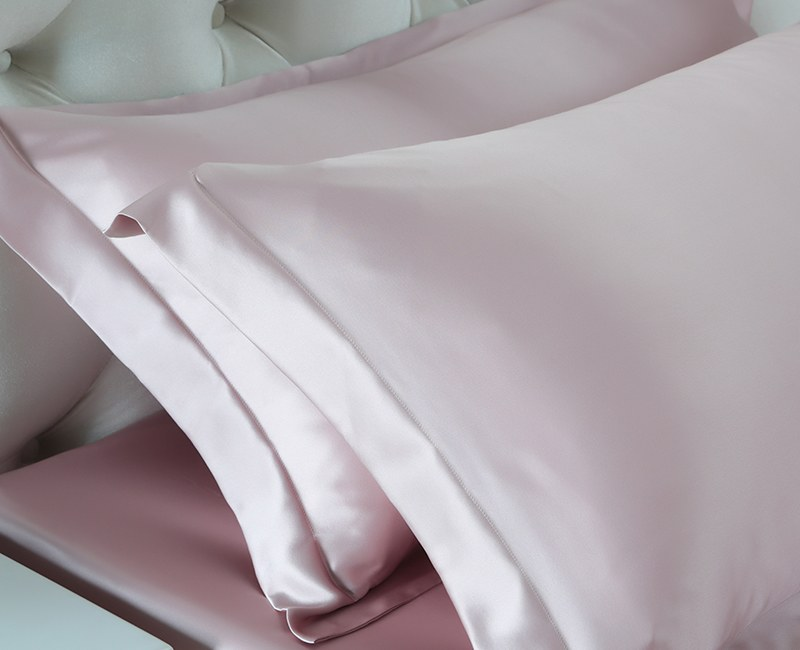
By choosing a hypoallergenic pillowcase made of natural fibers such as silk or high-quality cotton, you can alleviate these problems and promote a healthier scalp.
So, ready to give your night routine a hair-friendly makeover? It could just be the secret behind waking up with a shiny, healthy hairdo.
And who knows, maybe your pillowcase is the key to a good hair day every day.
Share your thoughts and experiences below . . have you noticed a difference since you switched to a silk or satin pillowcase?
What does scientific research say about the effects of pillowcases on her?
First of all, there's a study that stands out from his insights on how silk pillowcases can reduce hair fracture. The smooth surface of silk helps to minimize friction, which is essential because, well, less friction means less damage.
Think about it. Every time you turn around in bed, you could sand hair against a rough cotton surface, which could lead to split ends.
In contrast, silk lets you just let her sneak out instead of pulling . Pretty cool, right?
Now, if we dig deeper, we discover another study published in the Journal of the American Academy of Dermatology.
This study highlights how participants who slept on silk pillowcases, had better controllable hair, less tangles and significantly less time spent on their morning detachment routine.
It's almost as if silk is a nocturnal hair treatment in itself.
But what does all this mean to you? Well, if you have trouble with dry, fragile hair or you seem to fight forever against tangles, then a silk pillowcase could just be your new best friend.
And yes, silk may sound luxurious (and it is!), but it is also an investment in the health of your hair.
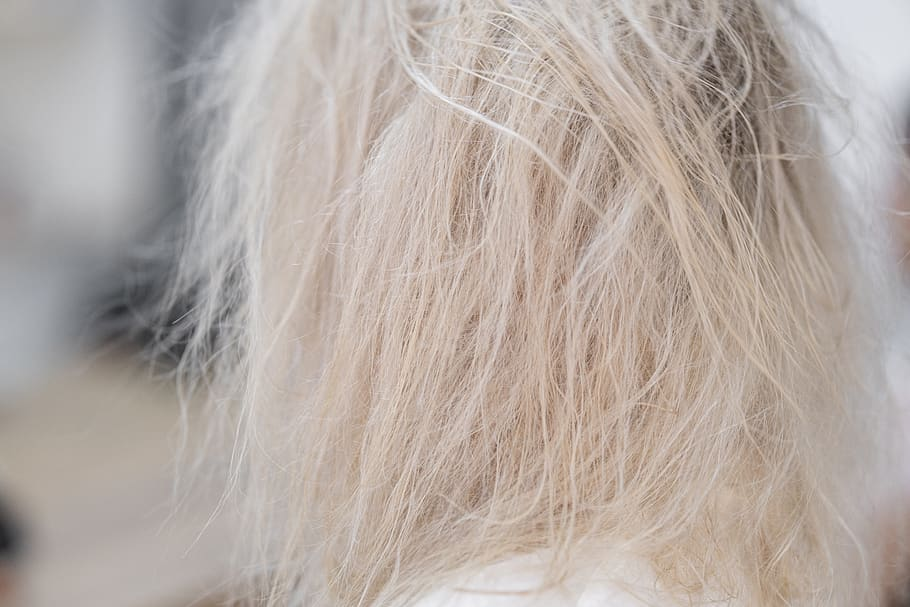
Personally, I made the switch, and it was one of the best decisions for my hair.
Not only does it feel softer in the morning, but I also notice less hair on my pillow.
And let's be honest, who doesn't want to wake up with her that looks like it's already been styled?
So, are you still wondering if your pillowcase could really make such a big difference to your hair? I invite you to take the test.
Switch to a satin or silk pillowcase and see for yourself the difference.
I personally recommend this pillowcase On.
Conclusion
The pillowcase you sleep on can have a significant impact on the health and appearance of your hair.
Friction, moisture absorption, pulling and allergens are all factors that can contribute to hair damage.
By choosing the right pillowcase material and paying attention to the quality and cleanliness of your bedding, you can create a sleeping environment that supports your hair's health and minimizes damage.
So look at your pillowcase today and make the switch to protect your precious locks during those precious hours sleep. Your hair will thank you!
My Routine
Curious about my personal routine against hair loss? An overview:
- Pumpkin seed oil: Twice a week for a natural boost. Try it. here.
- Dermapen: Essential for my scalp care and research has shown that it doubles the action of minoxidil. 1x per week 20 min. Available here.
- Minoxidil: Only agent that can accelerate and double hair growth.
Daily support for hair growth. At least once every day. Find it here. - Finasteride: The only proven remedy that works against the main cause of hair loss is DHT. Supports in the fight against thinning hair. 0.5mg a day. More info on doctoronline.com.
- Haircatcher: Keep track of how much hair you lose. You use this to see if the bahndelingen have any effect. Take a look here.
- Pill Splitter: For easy intake and doubling your Finasteride supply. This allows you to split 1 to 5mg pills, to save money. Available here.
- Ketoconazole shampoo: For a healthy scalp. 3x a week at the shower. Try it. here.
Always consult your doctor before trying new products!


You might like this too.

Grapefruit extract for hair loss, is it worth it?

What are the best hair fibers and bad for your hair?


