

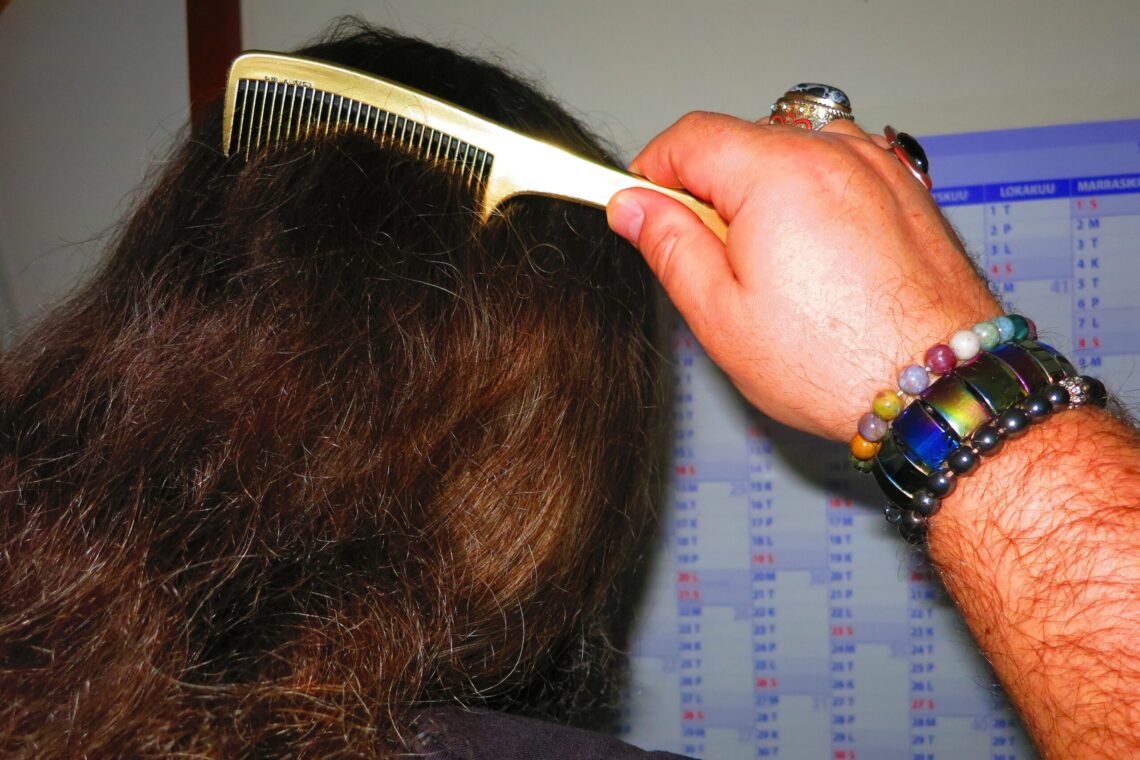
Correct Techniques for Untangled Hair to Prevent Hair Broken
Klitting and knots can be a frustrating part of hair care, but with the right techniques and a gentle approach you can effectively untangle your hair without causing hairbreak or damage.
In this informative tblog, we will explore the right techniques to untangle her and give tips to prevent hairbreak and to maintain healthy, shiny hair.
Understanding the Hair Structure
Before we discuss the detangle techniques, it is important to understand the structure of your hair. Each strand consists of layers, including the cuticle (outer protective layer), cortex (medium layer with proteins) and medulla (inner layer, sometimes absent from fine hair).

The cuticle layer consists of overlapping scales that can rise and be prone to damage when the hair gets confused.
Tips for Untangling to Prevent Hairbreak
- Start with Dry Hair or Use a Conditioner: • Detangling dry hair or applying a moisturizing conditioner to detangle may help to minimize hair fracture. Wet hair is more vulnerable and sensitive to rack, making it easier to break.
- Divide and Conquer: • You divide her into manageable parts to make it easier to untangle. This prevents overwhelming tangles and enables you to work systematically on each part.
- Use your Fingers: • Start by gently using your fingers to disassemble large knots or tangles. This helps to loosen them without excessive pulling or breaking.
- Choose the Right Instruments: • Choose a comb with wide teeth or a hairbrush with flexible brush to minimize damage. These instruments are designed to easily slide through the hair without excessive tension or hooks.
- Start with Points and Work to Top: • Start detangling from the tips of your hair and work gradually towards the roots. This approach prevents velcro accumulation and minimises stress on the hair shaft.
- Use a Disruption Product: • Consider using a leave-in conditioner, detangling spray or a hair oil to provide smoothness and lubrication, making it easier to untangle without hair breaking. Apply the product to the confused parts and distribute evenly.
- Be careful and patient: • Untanglement requires patience and gentle touch. Do not tear vigorously through tangles, as this can lead to hair fracture. Take the time and work gradually through the knots, taking into account the delicate nature of your hair.
- Disrupted in Minor Sections: • Work in small sections so you can pay attention to every part of your hair. This ensures thorough detangle without unnecessary stress or breakage.
- Cam or Brush Careful: • Use a comb with wide teeth or a hairbrush to comb the hair in downward movements. Start at the points and slowly work upwards, where the comb or brush slides smoothly through each section. Hold the hair above the cliff with your other hand to reduce tension.
- Rinse and Care: • After untangle thoroughly rinse your hair to remove any remaining products or loose hair. Then use a moisturizing conditioner or deep conditioning to supplement moisture and nourish your hair.
Main differences in detangle dry and wet hair
Detangling dry hair and wet hair requires slightly different approaches due to their different flexibility and sensitivity to fracture. Let's explore the main differences and techniques for detangling each hair type:

Detangling Dry Hair
- Apply a Pre-Dirupting Product: Start by applying a detangling product or hair oil to dry hair. This helps to provide smoothness and lubrication, making it easier to work through knots and tangles.
- Divide and Conquer: Divide your dry hair into manageable parts using clips or hair elastics. This allows you to focus on one section at a time and prevents overwhelming tangles.
- Use your Fingers or Cam with Wide Teeth: Start by using your fingers carefully to disassemble large knots or tangles. Then work gradually through the rest of the section with a comb with wide teeth. Start at the points and work towards the roots, where you are careful to avoid excessive pulling or breaking.
- Be careful and patient: Take your time and be patient when detaching dry hair. Do not tear vigorously through the tangles, as this can lead to hair fracture. Apply more product if necessary and work gradually through knots.
Untangled Nat Haar
- Apply Conditioner: Start by getting your hair thoroughly wet in the shower. Apply a large amount of conditioner from mid-length to tips, with extra attention to areas sensitive to knotting. Have the conditioner retract for a few minutes to soften the hair.
- Use your Fingers or Cam with Wide Teeth: Start at the points and use your fingers or a comb with wide teeth to gently untangle through the hair. Work your way up the hair strand, working in small sections. Be careful when clinging stubbornly and use your fingers to gently disassemble them.
- Detangled under Flowing Water: If you're seriously confused, you might consider untangling it under running water. The water helps to provide extra smoothness and makes it easier to work by knots. Let your fingers or a comb through the hair as the water flows down to separate and untangle the strands.
- Use a Torture Brush: Once most of the tangles are removed with your fingers or comb, you can switch to a detangle brush that is specially designed for wet hair. These brushes usually have flexible brush hairs that glide smoothly through wet hair with minimal tension and fracture.
- Rinse and Care again: After detangle, rinse your hair thoroughly to rinse out all the conditioner. Then use a leave-in conditioner or extra moisturizing products to hold moisture and protect the hair.
Remember that detangling both dry and wet hair is crucial to be careful, patient and with the right tools and products. Each hair type may require something different techniques, so adjust the process based on your individual needs. With consistent care and attention, you can successfully untangle your hair while minimising hair fracture and maintaining health and beauty.
Here are some tips to prevent tangles in your hair:
- Regular Hydration and Conditioning: Dry hair is more sensitive to tangles, so it is important to keep your hair well hydrated and conditioned. Use a moisturizing shampoo and conditioner suitable for your hair type and consider incorporating deep conditioning treatments or hair masks into your routine to nourish and moisturize your hair.
- Use a Cam with Wide Tooth or Disruption Brush: Record regularly comb or brush sessions with a comb with wide teeth or a detachment brush. This helps to prevent the formation of knots and tangles by dividing natural oils evenly and carefully separating the strands.
- Protective Caps: Choose protective hairstyles that control your hair and reduce friction and tangles. Examples are braids, knots, twists or raised hairstyles. Be careful not to create tight styles that cause too much tension on the hair.
- Sleep on a silk or satin pillowcase or use a hair hat: Replace your cotton pillowcase with a silk or satin variant. These materials provide a smoother surface on which to slide more easily, reducing friction and tangles during sleep. You can also use a silk or satin hair hat or headscarf to protect your hair at night.
- Avoid Excessive Styling with Heat: Excessive styling with heat can dry out the hair and make it more sensitive to tangles. Limit the use of heat tools such as straighteners and curling irons and always apply a heat-protective spray before styling to minimise damage and dryness.
- Avoid Excessive Washing: Too often washing your hair can remove the hair from natural oils, making it dry and velcro sensitive. Determine a washing frequency that fits your hair type and scalp condition and consider using dry shampoo or co-wash (use of conditioner instead of shampoo) between washes to freshen your hair without drying it out.
- Be wary of Activities: Take precautions to protect your hair during activities that can cause tangles. For example, tie your hair or wear a protective hairstyle while exercising, exercising or swimming to prevent tangles by movement, sweat or water.
- Limit Exposure to Wind and Bad Weather: Windy conditions and rough weather can make the hair feel easy. Consider wearing a hat or using a scarf to protect your hair when you are in such circumstances.
By including these preventive measures in your hair care routine and paying attention to the needs of your hair, you can reduce tangles and enjoy smoother, more manageable hair. Remember that consistent care and attention are essential to maintain healthy, cling-free hair.
Conclusion:

The correct detanglement of the hair is essential to prevent hair fracture and to maintain healthy hair. By following these tips and techniques, you can gently untangle your hair, minimize damage and achieve shiny, manageable hair. Remember that patience, gentle treatment, and the right tools and products are keys to successfully untangle. Embrace the process as a ritual of self-care, and your hair will reward you with strength, resilience and beauty.


You might like this too.

Murumuru butter for hair loss helps?

Does Topical Cetirizine help with hair loss?


