Why switching to a wooden hairbrush is important for healthier hair!
In hair care we often focus on choosing the right products and treatments. But the tools we use to brush our hair are just as important.
Wooden hair brushes gain popularity as a natural and soft alternative to plastic or metal brushes.
The soft detanglement, scalp stimulation, reduced static electricity and fluff, and the environmentally friendly nature of wooden brushes make them a favorite choice for hair care enthusiasts.
In this informative blog post we will discuss the reasons to switch to a wooden hairbrush, the benefits it offers to the health of the hair, and practical tips to include it in your haircare routine.
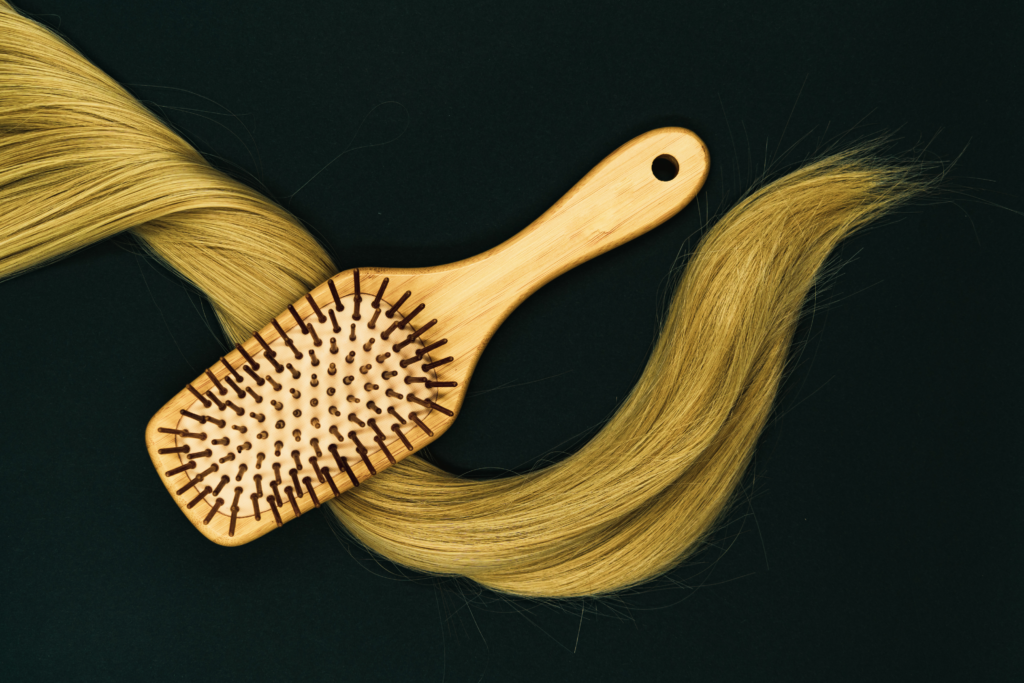
What is the big difference between a wooden brush and other brushes?
The main differences between wooden hair brushes and other types of brushes, such as plastic or metal brushes, lie in their materials, functionality and impact on the health of the hair. Here are the main distinguishing features:
1. Material
Wooden hair brushes are usually made from natural, durable materials such as bamboo, beechwood or other types of wood. In contrast, plastic brushes are made from synthetic materials from fossil fuels, while metal brushes are made from different metals or metal alloys.

Wooden brushes offer an environmentally friendly option compared to plastic brushes, as they are biodegradable and have a lower environmental impact.
2. Brush hair
Wooden brushes often have natural brush hairs, made from materials such as boar hair or vegetable fibers. These brush hairs are generally softer and more flexible compared to the plastic or metal brush hairs often used in other brushes.
The softer hairs of wooden brushes are more friendly to the hair and reduce the risk of fracture, split ends and irritation of the scalp.
3. Stimulation of scalp:
Wooden brushes offer a soothing scalp massage due to the soft brush action and the use of natural materials. The brush hairs stimulate blood circulation, promote healthy hair growth and ensure a nourished scalp.
Plastic and metal brushes may have harder, stiffer hairs that may cause discomfort or irritation of the scalp.
4. Untangle and fluff control
The smooth surface of wooden brush hair helps to untangle the hair with minimal friction and tangles, reducing fracture and damage.
Wooden brushes have antistatic properties, so they can help to control fluff and confused hair, making the hair smoother and more manageable.
On the other hand plastic brushes can generate static electricity, which can lead to more fluff and tangles.
5. Personal preference
Some people prefer the natural, environmentally friendly appearance of wooden brushes and enjoy the tactile experience in their use.
Others believe that plastic or metal brushes better match their hair type or styling needs.
Personal preference, hair type and individual styling routine play a role in determining the ideal brush for each person.
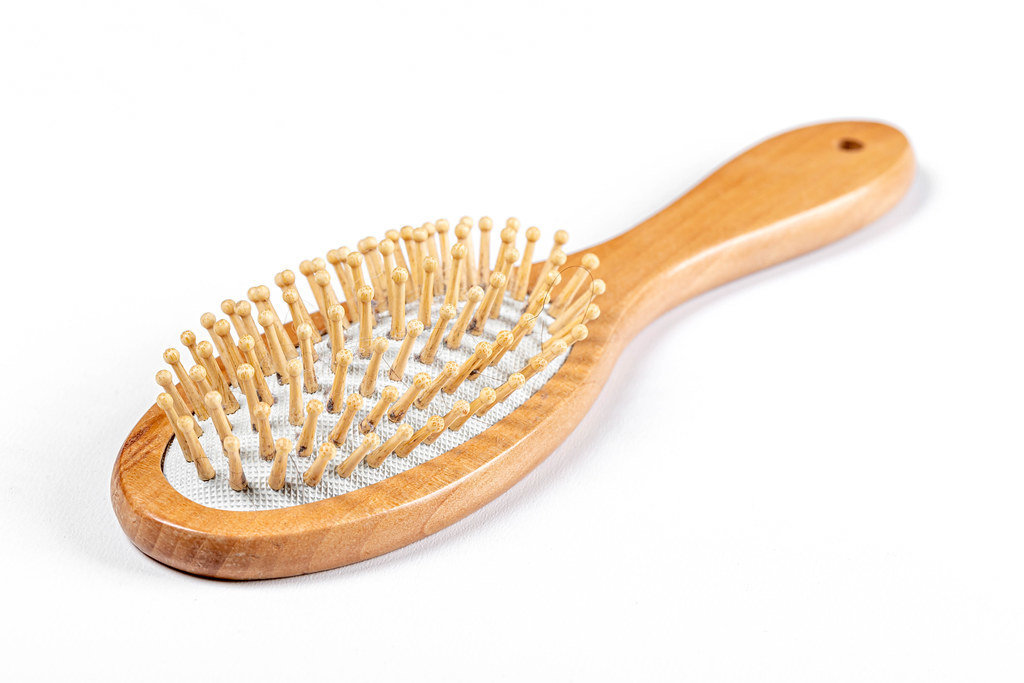
Although wood hair brushes offer various benefits to the health of the hair and the environment, it is important to note that the effectiveness and suitability of a brush may vary from person to person.
Factors such as hair texture, thickness and specific hair care needs should be considered when choosing the right brush for one's hair. Moreover, regular cleaning and maintenance of each brush is important to ensure optimal hygiene and performance.
Ultimately, the choice between a wooden brush and other types of brushes depends on personal preferences, hair type and desired results.
6. Environmentally friendly
Unlike plastic brushes that contribute to plastic waste and environmental pollution, wood hair brushes are a sustainable and environmentally friendly choice.
Wood is a renewable source and by choosing a brush made of responsibly produced wood, you can reduce your ecological footprint and have a positive impact on the environment.
- Natural and free of chemicals: Wooden hair brushes are free of harmful chemicals that contain some plastic brushes, such as BPA and phthalates. They are a natural option that promotes a hair care routine without toxins. This is particularly beneficial for people with sensitive scalp or those who want to minimise their exposure to synthetic materials.
Tips for incorporating a wooden hairbrush into your routine:
- Choose the right brush: Look for a wooden hairbrush with high-quality hairbrush suitable for your hair type. Notice the space between the brush hairs, as wider spaces can work better for thicker hair, while denser spaces can be suitable for finer hair.
- Begin with caution: If you first use a wooden hairbrush, start soft movements to prevent pulling or pulling the hair. Gradually increase the pressure as you get used to the brush.
- Brush from the hair roots to the hair tips: Start brushing at the hair roots and work towards the hair tips. This helps to distribute natural oils and detangles the hair more effectively.
- Clean your brush regularly: Wooden brushes should be cleaned regularly to remove accumulated hair, dust or product residue.
- Use a comb with wide teeth or fingers to remove hair strands and wash the brush gently with mild soap and warm water. Allow the brush to dry completely before using it again.
Conclusion
Switching to a wooden hairbrush is a simple but impactful change you can make to improve your hair's health and contribute to a more sustainable lifestyle.
The soft detanglement, scalp stimulation, reduced static electricity and fluff, and the environmentally friendly nature of wooden brushes make them a favorite choice for hair care enthusiasts.
By incorporating a wooden hairbrush into your hair care routine and taking advantage of the natural benefits, you can enjoy healthier, shiny transmitter and better manageable hair as you step towards a greener future. So, why not spoil your hair and the environment with the soft touch of a wooden hairbrush?


You might like this too.

Where can you buy the best hair loss resources in the Netherlands? (Minoxidil, Finasteride, Ketoconozal and Dermarollers)

How did Sebastian Vettel get his hair back?