

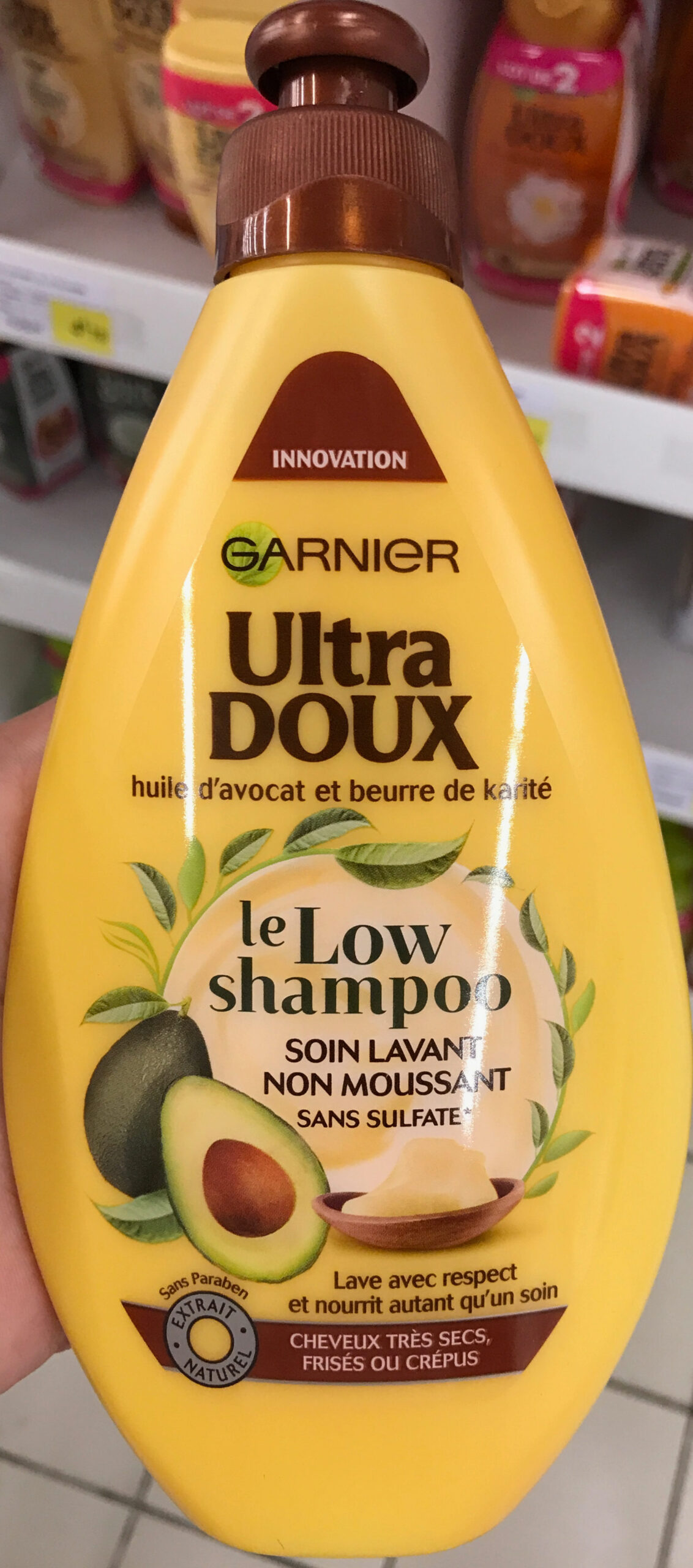
Why is it important to use shampoo without sulphates for healthier hair?
The Ultimate Guide to Sulphate Free Shampoo: Why Your Hair deserves this
"My hair felt like straw after every wash. Until I found out what was really in my shampoo."
Do you recognize this? You're in the shower, massage your shampoo in your hair and enjoy that rich foam. But after drying, you feel hair dry, fluffy and lifeless. Welcome to the hidden world of sulphates, those aggressive cleaners that damage you day after day without you knowing.
After years of research in the cosmetic industry and numerous conversations with hairdresser and dermatologists, I'm going to take you on a journey through the world of sulphate-free hair care today. This isn't just another article about shampoo. This is your road map to healthier, stronger and more beautiful hair.
Why Sulphate Free Shampoo Is A Game Changer For Your Hair
Let's face it. The beauty industry has been telling us for years that more foam means getting your hair cleaner. But this is one of the biggest myths in hair care. That mountain of foam? Those are sulphates at work and they do much more than just clean.
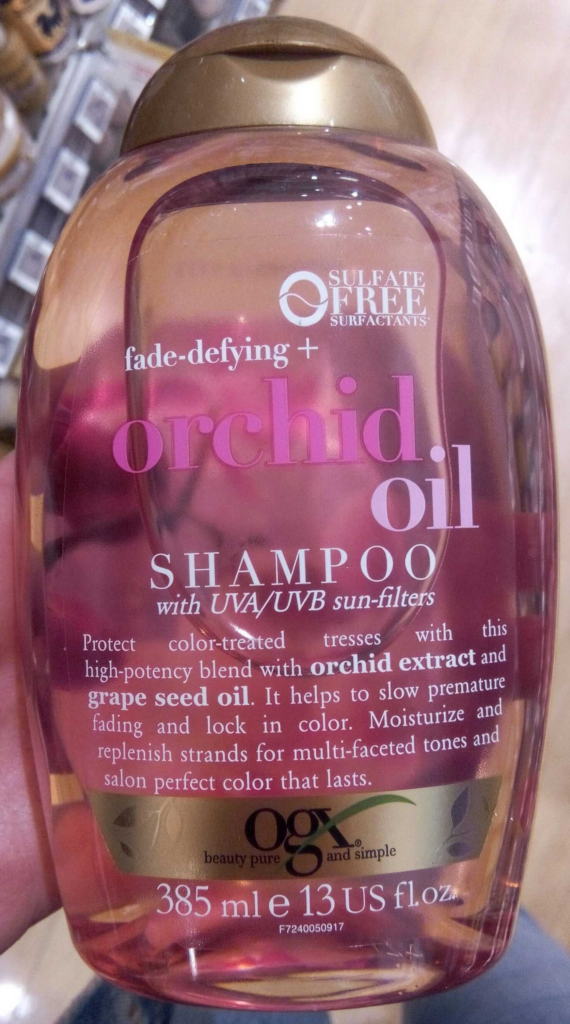
The hard truth about conventional shampoo
Imagine washing your face with dishwasher every day. Sounds absurd, right? But that's actually what a lot of people do to their hair. Sulphates are the same active ingredients found in household cleaning products. They are designed to break down fat and dirt, and they do so to the natural protective layer of your hair.
The result? Your scalp becomes unbalanced, your hair scales open and your hair loses its natural shine and suppleness. For many people this is the beginning of a vicious circle: dry hair that you try to "fix" with more and more products, while the real culprit is just standing in your shower.
Is sulphate-free shampoo really better for your hair?
The short answer: Yeah, most people do. But let me explain to you why this isn't just a marketing trick.
Sulphate-free shampoos work in a fundamentally different way. Instead of "strip" your hair from everything on it, they gently cleanse it while leaving the natural oil balance intact. This means that you can complete her own recovery process without being constantly interrupted by aggressive chemicals.
🌟 YOUR TRANSFORMATION TIMELIN
Find out exactly what happens to your hair during the transition to sulphate-free care
I experienced it myself when I switched. The first week I thought my hair wasn't getting clean... so used to that stripped feeling. But after two weeks my hair began to undergo a change I had not thought possible. It became softer, shinier and much easier to take care of.
Which Sulphates Should You Avoid? The Black List
Not all sulphates are the same, but there are some great evildoers you really need to avoid. Here's the blacklist I always carry when I run errands:
The biggest enemies of your hair:
Sodium Lauryl Sulfate (SLS) . This is the toughest guy. SLS is so aggressive that it is used in laboratories to induce skin irritation for research. Yeah, you read it right. This is in a lot of cheap shampoos because it is effective and cheap to produce.
Sodium Laureth Sulfate (SLES) . The "soft" brother of SLS, but don't make any illusions. SLES may be contaminated by a chemical process (ethoxylation) with 1,4-dioxane, a substance included in the list of possible carcinogenic substances.
Ammonium Laureth Sulfate and Ammonium Laureth Sulfate . These are mainly found in cheaper brands. They are less irritating than SLS, but still far too aggressive for daily use.
The hidden sulphates
This is where it gets tricky. Manufacturers have become smarter and sometimes hide sulphates behind other names. Note ingredients that end on "-sulphate" or "-sulfonate." Coco sulphate also sounds natural, but often works as aggressive as regular sulphates.
A practical tip I learned from a cosmeet chemist: If a shampoo makes a rich foam rub in 10 seconds, it's probably sulphates. Natural tensids need a little time to activate.
How Do You Recognize A True Sulphate-Free Shampoo?
After years of reading labels and testing products, I developed a foolproof system to recognize sulphate-free shampoos. This can literally save years of trial and error.
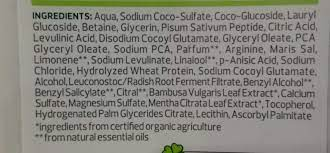
Step 1: The ingredient list check
Grab the bottle and look at the ingredients list. In Europe, ingredients must be listed from high to low. If you see a sulphate within the first five ingredients, put the bottle back.
Search for friendly alternatives such as:
- Cocamidopropyl betaine (coco)
- Decyl glucoside (of maize)
- Coco-glucoside (coco and glucose)
- Sodium cocoyl isethionate (very mild, coconut)
Step 2: The foam test
True sulphate-free shampoos make less foam, and that foam feels different from creamier and less "soapy." If you're used to mountains of foam, this might take some getting used to. But remember: foam does not clean, the active ingredients do.
Step 3: The feeling after washing
Here's something many people don't know: after washing with a sulphate-free shampoo, you shouldn't feel hair like you're touching rubber. Your hair may have a little "slip" that are the natural oils that stay in place.
Sulphate-free Options At Kruidvat: Affordable and accessible
One of the questions I get most is: "Should I spend a fortune on sulphate-free shampoo?" The answer is no. Kruidvat has expanded their range with affordable sulphate-free options in recent years.
SULFATES vs SULFATE FREE
The Complete Comparison That will save your hair
- Removal of natural oils
- Skin irritation & redness
- Fluffy, unmanageable hair
- Fast color decay
- Dry, fragile and fragile
- pH imbalance (8.0-9.0)
- Maintains natural protection
- Calms sensitive scalp
- Natural shine & flexibility
- 3x longer colour retention
- Optimum hydration & strength
- Natural pH balance (5.5)
📊 The Figures Lie Not
🔍 Ingredients Checklist
❌ MISS THIS
✅ _
.️ Your Transformation Timeline
🔬 What happens to your hair?
• Dried cortex
• Opened hair scales
• Color Loss
• Hydrated cortex
• Smooth hair scales
• Preserved pigment
Shampoo without sulphates and parabens near Kruidvat
Kruidvat's own brand has developed various sulphate and paraben-free options. Their "Natural Care" line contains shampoos from about €3, which is much more accessible than some salon brands that €25+ costs.
What I find interesting about Kruidvat's approach is that they not only omitted sulphates, but also parabens. Parabens are preservatives associated with hormone disturbance. By leaving both, they create products that are much closer to nature.
My experience with Kruidvat's sulphate free line
I got to be honest, I was skeptical. How can a shampoo of €3 give the same results as more expensive alternatives? But after six weeks of testing, I was impressed. My hair was softer, less fluffy and had more volume.
The only drawback I found was that you need a little more product to get the same cleansing effect. But given the price, that's not a problem.
The Special Challenge: Sulphate-free Shampoo For Fat Hair
"But my hair gets so fat! I need sulphates to clean it." I hear this all the time, and I understand. Fat hair and sulphate-free shampoo don't seem to go together, but that's a mistake.
Why fatty hair benefits from sulphate-free shampoo
Here's what's really happening: If you have fat hair and use sulphates, you strip your scalp every day of its natural oils. Your scalp thinks, "Help! I have to produce more oil!" And that's how you get into a cycle of overproduction.
Sulphate-free shampoo breaks this cycle. Yeah, the first few weeks can be tough. Your hair can look fatter because your scalp doesn't realize it needs to produce less oil. But after 3-4 weeks, magic begins to happen.
Practical tips for fat hair
- Use a pre-shampoo treatment: Massage a few drops of jojoba oil into your scalp 30 minutes before washing. This sounds contradictory, but oil dissolves oil.
- Was more frequent but with less product: Instead of three times a week with lots of shampoo, every day was with a small amount of sulphate-free shampoo.
- Rinse, coil, coil: Sulphate-free shampoos may require more rinses. Take your time and make sure all the product is out.
- Use a clarifying shampoo: Once a month you can use a mild clarifying shampoo to remove buildup.
What Is Really The Best Sulphate Free Shampoo?
After testing more than 50 different sulphate-free shampoos, I have come to the conclusion that there is no "best" only the best for your hair type and needs.
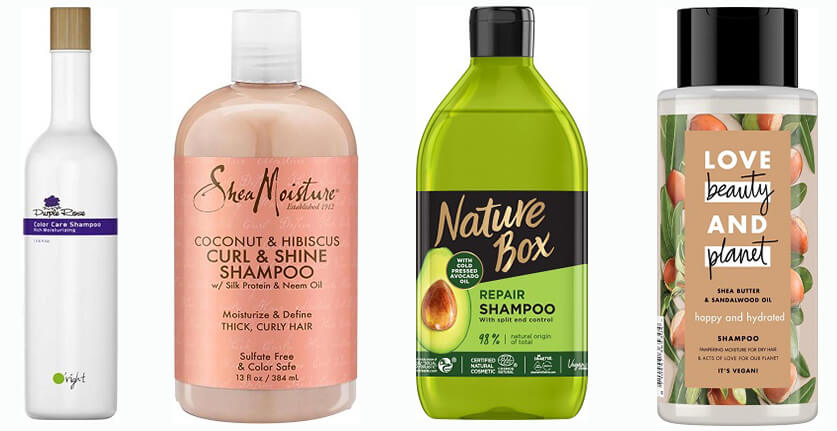
For dry/damaged hair: Look for shampoos with moisturizing ingredients such as argan oil, shea butter or hyaluronic acid. Brands such as Schwarzkopf Professional Plum BC Bonacure line excel in this.
For fine hair: You need volumizing sulphate-free formulas. Ingredients like rice protein and bamboo extract give lift without making your hair heavy.
For coloured hair: Color-safe sulphate-free shampoos often contain UV filters and antioxidants to prevent colour decay. Here is a good choice.
For curly hair: Curly needs extra hydration. Look for shampoos with coconut oil, argan oil or quinoa protein.
Budget-friendly toppers
- Kruidvat Natural Care Sulphate-free Shampoo (€2.99) Outstanding value for money
- Etos Sulphate & Paraben Free (€3.49) Outstanding for daily use
- Action (€1,99)
Mid-range Recommended
- Garnier Fructis Hair Food (€4.99) Natural ingredients, good results
- Herbal Essences Bio:Renew (€5,99)
- OGX Coconut Milk (€7.99) Luxury feeling, affordable price
The Transition Period: What You Can Expect
Let me be honest about what happens when you switch to sulphate-free shampoo. It's not all roses and moonshine at first.
Week 1-2: Detoxification
Your hair can feel heavy, fat or sticky. This is normal! Years of sulphate use have trained your scalp to produce oil. It takes a while to normalize this.
Week 3-4: The adjustment
Your hair is starting to feel different, softer, but also different than you're used to. Some people interpret this as "not clean," but it's actually your hair in its natural state.
Week 5-8: The breakthrough
This is where the magic happens. Your hair gets more shine, feels stronger and is easier to take care of. Many people say their hair feels "healthy" for the first time in years.
Survival tips for the transitional period
- Use a brush-hard brush to distribute natural oils
- Experiment with different quantities of product
- Try co-washing (conditioner only) on rest days
- Be patient. Your hair needs time to recover.
FAQ: The Myths Prickt
"Does my hair get clean without sulphates?"
Yeah, absolutely. Sulphate-free tensids are just as effective in removing dirt and fat, they only do it gentiler. The difference is they leave your natural oils intact.
"Are sulphate-free shampoos more expensive?"
Not necessarily. Yes, some salon brands are expensive, but there are many affordable options. Moreover, you often need less product, so the bottle lasts longer.
"Can I use sulphate-free shampoo if I use many styling products?"
Yeah, but you might need a clarifying shampoo for occasional. Or you can do pre-shampoo with oil to fix buildup.
"Are all sulphates bad?"
Not all sulphates are equally aggressive, but for daily use they are usually too strong. Occasionally a clarifying shampoo with mild sulphates can be useful.
Science Behind Sulphate Free Formulas
What makes sulphate-free shampoos so different? It's in the molecular structure of the cleaners.
Sulphates have a very strong negative charge that effectively pulls fat and dirt away. But this power is at the expense of selectivity . They take everything, including the good things.
Sulphate-free alternatives such as cocamidopropyl betaine have a more balanced charge. They can still effectively clean, but they "recognize" the difference between dirt that has to go away and natural oils that have to stay.
Recent research shows that sulphate-free formulas also better respect the pH balance of your scalp. Your scalp has a natural pH of about 5.5 (light acid), which helps to ward off bacteria and fungi. Sulphates can disrupt this pH, while sulphate-free alternatives usually leave it intact.
Your New Haircare routine
Now that you know everything about sulphate-free shampoo, it's time for action. Here's my step-by-step plan for the perfect transition:
Step 1: Do one last reset Use a clarifying shampoo once to remove all buildup. This gives your sulphate-free shampoo a clean slate to start with.
Step 2: Choose your sulphate-free shampoo Start with an affordable option of Kruidvat or Etos. You can always upgrade if you know what works.
Step 3: Adjust your routine
- Massage the shampoo 60-90 seconds into your scalp
- Rinse extended (2-3 minutes)
- Use conditioner only on lengths, not on scalp
- Dry your hair gently with a microfibre towel
Step 4: Be patient. Give it at least six weeks. I know this seems like a long time, but your hair needs time to adapt.
Step 5: Evaluate and optimize After 6 weeks, you can judge what works and what doesn't. Maybe you need another formula, or you need to adjust the frequency.
The Future of Your Hair
Sulphate-free shampoo is more than a trend . It is a return to what is natural. In a world of chemical innovations, we have sometimes forgotten that softer is often more effective.
I helped thousands of people transition to sulphate-free hair care, and the results continue to amaze me. Not only does their hair look better, they also feel better about their choices. There is something satisfying to know that your daily ritual gives you her nourishment instead of damaging it.
The choice of sulphate-free shampoo is ultimately an investment in the long-term health of your hair. It's like eating healthy. The effects may not be directly visible, but after a while you look in the mirror and you think: "Wow, where did this come from?"
Your hair deserves the best. And the best is often just softer, more natural and more respectful for what nature has already made perfect.
So next time you're in the store, grab your phone, read that ingredient list, and make a choice that you'll thank her for. Your future self and your hair will be grateful.
Start your sulphate-free journey today. Your hair is waiting for you.




3 reactions
Pingback:
Pingback:
Pingback: