


Why do people still lose their hair after a hair transplant?
Are you tired of staring at your balding head in the mirror, even after spending a small fortune on a hair transplant?
Well, you're not the only one!
A hair transplant can be a very effective way to restore hair growth, but in some people the hair loss can persist even after the procedure.
One hair transplantation may be an effective way to restore hair growth in areas of scalp that have suffered hair loss, including baldness according to the male pattern.
However, it will not stop or reverse the underlying genetic condition that causes the hair loss, and it is important to have realistic expectations about the results of the procedure.
It is always best to discuss with a hair transplant specialist whether a hair transplant is the right choice for you.
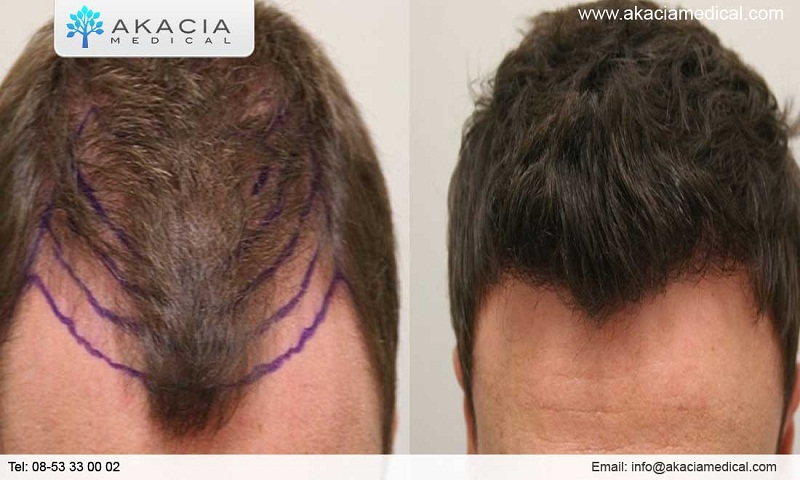
But don't let that scare you, because in this blog we go deeper into why some people hair transplantation Still having hair loss and what to do about it.
I personally have also looked at Hair transplants, but have decided not to go into this because my loss is not yet satisfied. So, grab a cup of coffee and let's dive in!
What exactly happens with a hair transplant?
Hair transplantation is a surgical procedure whereby hair is taken from an area of the scalp resistant to hair loss, the so-called donor area, and is transplanted to the area of the scalp that has suffered hair loss, the so-called reception area.
The procedure is usually used to treat male baldness and female baldness. But can also be used to restore hair growth in other areas of the body.
There are two main types of hair transplantation: Follicular Transplantation Unit (FUT) and Follicular Extraction Unit (FUE).
I have a separate Article written about the two types and which might be more suitable for you. Read here More.
FUT (Follyicular Unit Transplantation)
With Follicular unit transplantation (FUT) a strip of hair is removed from the donor area and then divided into smaller units.
Also called follicular units. These units are then transplanted into the receiving area. FUT is a more invasive procedure and usually requires longer recovery time than FUE.
FUE (Follicular Unit Extraction)
Follicular Unit Extraction (FUE) is a newer technique in which individual hair follicles are removed from the donor area and placed in the receiving area. transplanted.
Unlike the FUT, no strip of hair is removed from the FUE. Instead, the hair follicles are removed with a small instrument surrounding the base of the follicle.
The FUE is considered less invasive and usually has a shorter recovery time than the FUT.

Both techniques have their own advantages and disadvantages, which must be discussed with a hair transplant specialist to determine which is best suited to one's needs.
After the procedure, the transplanted hair usually falls out in the first few weeks. However, this is normal and within 3-4 months new hair starts to grow instead.
The final result of the hair transplantation can be seen after 6-12 months. The transplanted hair will grow in the same way as the natural hair, and it can be styled, cut and colored just like natural hair.
It is important to know that hair transplantation is a surgical procedure and there are certain risks associated with it. Like bleeding, infections and scars.
It is essential to work closely with a hair transplant specialist to understand the potential risks and benefits of the procedure.
But also to ensure that the procedure is carried out correctly. It is also important to take good care of the hair before and after the procedure for an optimal result.
Why does transplanted hair fall out to many people?
A hair transplant can be an effective way to restore hair growth in areas of the scalp that have suffered hair loss, including baldness in men.
Male baldness, also known as alopecia androgenetics, is a genetic disorder characterized by a regressing hairline and thinning hair on the crown of the head.
It is important to note that a hair transplant can restore hair growth in the transplanted area, but it will not stop or reverse the underlying genetic condition that causes hair loss.
In some cases, even after successful hair transplantation, people continue to experience hair loss in the non- transplanted areas.
This is because the procedure only addresses the visible symptoms of hair loss and not the underlying cause.
In addition, it is essential to have realistic expectations before undergoing a hair transplant.
It is important to understand that the results vary from person to person and that a hair transplant cannot always restore a complete hairdo.
Moreover, as he gets older, someone may continue to experience hair loss. Which could affect the appearance of the transplanted hair.
Transplanted hair that falls out, a phenomenon known as shock loss, is a temporary and expected part of the hair transplantation process.
This happens because hair follicles undergo trauma during the transplant.
The trauma disrupts the normal hair growth cycle, causing the transplanted hair to enter a rest phase before it begins to grow again.
Although it may be disturbing for patients to initially see hair loss, it is crucial to understand that this is a natural reaction to the stress exerted on the hair follicles during transplantation.
Is it normal to lose existing hair after a hair transplant?
Yes, it's normal to experience shock loss of existing hair after a hair transplant. The trauma of the surgical procedure can affect the adjacent, non-transplanted hair, causing it to fall out temporarily.
This loss is usually transitory, and most of the existing hair should grow back within months, while the hair follicles recover from the stress caused by the transplant.
Can a hair transplant cause more hair loss afterwards?
Although well performed hair transplantation should not cause permanent hair loss, there is a risk of temporary shock loss affecting both transplanted and existing hair.
The surgeon's skill is crucial to minimise this risk, as improper transplantation techniques or excessive trauma to the donor area and the receiving area may contribute to additional hair loss.
Choosing a qualified and experienced surgeon is essential to reduce such risk derivatives.
What happens 10 years after a hair transplant?
The long-term success of a hair transplant may vary between individuals.
Ten years after transplantation, most patients may experience lasting results if the procedure is successful.
However, factors such as natural aging, genetic predisposition and general health may affect the appearance of the transplanted hair over time.
Regular follow-ups with the transplant surgeon and appropriate maintenance measures can help to optimise the lifespan of the results.
Will a hair transplant stay forever?
Although hair transplantations offer long-lasting results, the understanding of permanence with nuance should be understood.
The lifetime of the results depends on various factors, including the patient's genetics, overall health and quality of transplantation.
Over time, natural aging and genetic factors can affect the transplanted hair, potentially leading to thinning or loss.
Patients should have realistic expectations and be aware that periodic adverse reactions or additional treatments may be necessary to maintain optimal results.
What is shock loss of existing hair after transplant?
Shock loss refers to the temporary loss of existing hair near the transplant area due to trauma during the hair transplantation procedure.
This is a normal physiological reaction because hair follicles experience stress and enter a rest phase.
Patients experiencing shock loss should be reassured that this is generally transient and that the lost hair will grow again within few months of the procedure.
Can a second hair transplant damage existing hair?
Although a second hair transplant is generally safe, there is a potential risk of further shock loss of existing hair in the receiving area.
An experienced surgeon may minimise this risk by carefully planning the procedure, avoiding unnecessary trauma to surrounding follicles and assessing the overall health of the patient's scalp.
Thorough consultations and proper preoperative evaluations are essential to anticipate and reduce potential risk derivatives of a second transplant.
What are the disadvantages of a hair transplant?
Hair transplantation procedures, although generally effective, have potential disadvantages.
These may include the risk of infection, scar formation and the possibility of an unnatural result if the procedure is not performed by a competent and experienced surgeon.
In addition, the cost of the procedure, the need for multiple sessions and recovery time can be considered as disadvantages.
Patients should discuss these potential disadvantages thoroughly with their surgeon before deciding on the procedure.
What do failed hair grafts look like?
Failed hair grafts may show several signs, including poor growth, uneven distribution or unnatural appearance.
The grafts cannot attach properly, resulting in thin or irregular hair growth in the transplanted area.
Early recognition of these signs is crucial to quickly address concerns. A failed hair transplant may require further corrective procedures to achieve the desired aesthetic outcome.
How is a failed hair transplant corrected?
Correcting a failed hair transplant requires extensive evaluation by an experienced surgeon to identify specific problems.
Possible corrective measures may include additional grafting sessions, modification of the placement of existing grafts or use of alternative techniques to improve overall aesthetic outcome.
Patients experiencing problems with their initial transplantation should contact their surgeon promptly to assess concerns and determine the most appropriate and effective corrective strategies.
Regular follow-ups and open communication between the patient and surgeon are essential to achieving satisfactory results.
Less common reasons why people can still experience hair loss after a hair transplant
1. Traction alopecia: Traction alopecia is a form of hair loss caused by consistent tension or pulling the hair.
This may occur in the donor area if the hair is not properly cared for after the procedure or if the transplanted hair is styled to put tension on the hair.
Traction alopecia may also occur in the receiving area if the transplanted hair is not properly cared for or if the area is exposed to excessive tension or pulling.
2. Shock loss: Shock loss is a temporary condition in which the hair falls out after the procedure. This may occur both in the donor area and in the receiving region.
Shock loss is usually temporary and hair will grow back, but in some cases it may be permanent.
3. Rejection: The transplanted hair follicles are foreign and the body can react to them as such.
In some cases the body can reject the transplanted hair, leading to hair loss.
4. Incorrect technique: Hair transplantation is a surgical procedure that can only be performed correctly by an experienced surgeon.
If the procedure is not carried out correctly, this may lead to hair loss.
5. Medical disorders: Some medical conditions such as autoimmune disorders, hormonal imbalances or medications can cause hair loss.
So even after a hair transplant.
The most common and effective treatments against male baldness are:
1. Minoxidil: In particular Minoxidil in combination with dermarolling. This is a topical medicine applied to the scalp and used to stimulate hair growth.
It is freely available and can be used by men and women.
It is believed to work by increasing the blood supply to the hair follicles. Which can help to promote hair growth.
2. Finasteride or Dutasteride: Finasteride or Dutasteride is an oral medicine used to reduce levels of the male hormone dihydrotestosterone (DHT) in the body.
DHT is supposed to play a role in male baldness. So reducing its levels can help to slow or stop hair loss.
Finasteride is only available on prescription and is only approved for use in men.
It is important to know that while these treatments may be effective in slowing down or stopping hair loss, they do not work for everyone.
Moreover, they cannot always restore a full hairdo, and the results may vary from one person to another. It's always best to consult a hair specialist.
And thus determine the best treatment for your individual needs.
I've written several articles about hair transplants, are you interested in this? Then I suggest you click on one of the blogs below!
Why do people still lose their hair after a hair transplant?
10 Things you should not do after a hair transplant!
Which hair transplant is better for you? FUE or FUT
When will you no longer qualify for a hair transplant?
What's the best place in the world for a hair transplant?
The DHI hair transplant: A revolutionary hair repair technique?
Kunnen vrouwen ook een haartransplantatie ondergaan?
The truth about side effects hair transplantation: crucial information you should not miss!
What is a graft and how is it made? All about hair transplants!
Is it time for a hair transplant and how do you prepare for this?
Is a hair transplant without taking Finasteride useless?







One reaction
Pingback: