Can gelatin cure hair loss?
Hair loss is a common concern for many people, and it often leads people to different diet and nutrition approaches in the search for healthier hair.
Such a food component that has received attention is gelatin.
Hlatine is not a cure for hair loss. Hair loss can be caused by various factors including genetics, hormonal changes and medical conditions.
Glutine can contribute to better hair health, but is unlikely to reverse hair loss in cases of hereditary baldness.
In this extensive blog we will discuss the relationship between gelatin and hair loss, supported by scientific evidence.
We will explore what gelatin is, the nutritional profile, possible benefits to the health of the hair and treat frequently asked questions.
What exactly is gelatin?
gelatin is a protein derived from collagen, which is a structural protein found in the connective tissues of animals, including skin, bones And tendons.
It is usually used in the culinary world because of its properties, often used in the preparation of desserts, sweets and even some savoury dishes.

In addition to its culinary applications, gelatine has also been studied because of its potential health benefits, including those related to the health of the hair. The
What exactly is gelatine made of?
Hlatin consists mainly of amino acids, which are the building blocks of proteins.
Some of the most important amino acids found in gelatin are _glycine, proline and hydroxyproline.
These amino acids are essential for various body functions, including the synthesis of collagen, which plays a crucial role in the structure of hair, skin and nails.
What's the theory behind gelatin as a cure for hair loss?
The potential benefits of gelatin to the health of the hair are rooted in its amino acid composition, in particular the glycone and proline. Here's how gelatin can contribute to better hair health:
Collagen synthesis: gelatin supplies the necessary amino acids for the body to produce collagen.
Collagen is a crucial part of the hair shaft and surrounding structures, and it contributes to the strength and elasticity of the hair.

Hair structure: Hair consists mainly of a protein called keratin. Collagen, which can be enhanced by gelatin intake, supports the overall structural integrity of the hair.
Fluid retention: Adequate collagen levels in the body can help to improve the moisture retention of the hair, preventing dryness and fracture.
Reduction of hair loss: Some gelatin advocates for hair health suggest that it may help to reduce hair loss by strengthening hair follicles and improving overall scalp health.
Is there any scientific evidence that gelatin is effective against hair loss?
Although there is limited scientific research specifically investigating the effects of gelatine on hair health, some studies suggest that collagen supplements rich in the same amino acids found in gelatine may have potential benefits for the skin and hair.
These studies have shown improvements in skin elasticity, hydration and hair texture.
Can gelatin cure hair loss?
Hlatine is not a cure for hair loss. Hair loss can be caused by various factors including genetics, hormonal changes and medical conditions.
Glutine can contribute to better hair health, but is unlikely to reverse hair loss in cases of hereditary baldness.
How should I include gelatin in my diet for the health of the hair?
gelatin can be consumed in various forms, including gelatin powders, supplements or as a food component from foods such as bone broth or collagen rich meat cuts.
It is important to seek advice from a healthcare professional or nutritionist for personalized recommendations.

Are there any risks associated with the consumption of gelatin for the health of the hair?
Hlatin is generally considered safe for most people when consumed to a degree as part of a balanced diet.
However, individuals with specific dietary restrictions or allergies should be cautious and consider alternative sources of amino acids.
How long does it take to see results when using gelatin for the health of the hair?
Results may vary from person to person, and it may take several weeks to months of consistent consumption of gelatin to see possible improvements in hair health.
How to use gelatin for hair growth?
gelatin can be used as part of homemade hair masks or hair gel products. Here is a simple way to use gelatin for hair growth:
- Ingredients:
- 1 tablespoon unsweetened gelatin powder
- 1/2 cup of hot water
- Optional: a tablespoon of apple vinegar or aloe vera-gel for extra benefits.
- Instructions:
- Mix the gelatin in warm water until completely dissolved.
- Add if necessary Apple vinegar Or aloe vera-gel.
- Apply the mixture to clean, moist hair and allow to soak for 15-20 minutes.
- Wash thoroughly with water and wash your hair as usual.
gelatin vs collagen for hair growth: What's better?
Both gelatine and collagen contain proteins that can be beneficial to hair growth. gelatin is derived from collagen, but they have some differences in texture and application.
While gelatin is often used in hair masks, collagen can also be taken as a supplement. The best depends on personal preferences and needs.
Does gelatin contain keratin?
No, gelatine does not contain keratin. Keratin is a structural protein that occurs naturally in human hair, skin and nails.
However, gelatine is derived from collagen, another protein extracted from animal tissues such as bones and cartilage.
Whereas keratin is specific to animal and human tissues, gelatine is a collagen product that can come from various sources.
What foods is gelatin in?
Hlatin is often used as a binder, thickening agent or stabilizer in foods. It occurs in a variety of products, such as:
- Gummy sweets and gelatin desserts
- Marshmallows
- Jell-O and other gelatine puddings
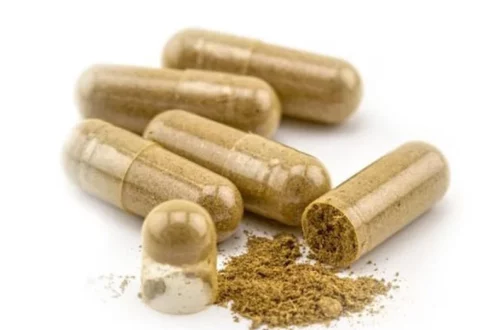
- Metallic capsules for supplements
- Some yoghurts and dairy desserts
- Yellow and jelly-like products
- Meat products such as gelatine in Boiler cubes
It is important to note that gelatine is an animal product and is obtained primarily from the skin, bones and cartilage of animals.
Who should avoid gelatin?
People who are allergic to certain animal products, such as beef or pork, should avoid gelatine, as it is often extracted from animal bones and cartilage.
Vegetarians and vegans will also want to avoid gelatin, unless it comes from plant sources.
If you have health problems or have doubts about the use of gelatine, it is advisable to consult a healthcare professional first.
What really works against hair loss?
- Dutasteride and Finasteride:
- Description: Dutasteride and finasteride are oral medicines that inhibit the action of dihydrotestosterone (DHT), a hormone associated with hair loss.
- Efficacy: Proven to slow hair loss and promote hair growth, especially in individuals with androgenic alopecia.
- Recitals: Medications on prescription only with possible side effects; consultation with a healthcare professional is essential.
- Minoxidil:
- Description: Minoxidil is a topical solution or foam applied directly to the scalp.
- Efficacy: Proven to stimulate hair follicles, promote hair growth and slow the progress of hair loss.
- Recitals: Available without prescription; consistent, prolonged use is usually required for optimal results.
- Dermarolling:
- Description: Dermarolling, or microneedling, means that a device with small needles is rolled over the scalp to stimulate collagen and improve blood circulation.
- Efficacy: Studies suggest possible benefits in combination with other treatments, improving the absorption of topical products.
- Recitals: The best used as additional therapy; correct technique and hygiene are crucial to prevent complications.
- Ketoconazole:
- Description: Ketoconazole is an antifungal shampoo used to treat dandruff and is also believed to have anti-androgenic effects.
- Efficacy: Some studies suggest that it may help to reduce hair loss and improve hair thickness.
- Recitals: Available without prescription; regular use may be necessary for noticeable effects.
Conclusion
Hlatin, a protein derived from collagen, has received attention because of its potential benefits in promoting the health of the hair.
Although scientific research specifically on the effects of gelatin on hair health is limited, its amino acid composition suggests a plausible relationship between the consumption of gelatin and improved hair strength, moisture retention and general quality.
It is important to note that gelatine should not be considered as a panacea for hair loss, especially in cases of hereditary baldness, where complex genetic and hormonal factors play a role.
Instead, gelatine can be a valuable addition to a balanced diet and an overall approach to promote healthy hair.
If you are considering using gelatin or collagen supplements to support your hair health, it is advisable to contact a healthcare professional or nutritionist to determine the most appropriate and effective dietary strategies for your specific needs.
As with any diet or dietary approach, consistency and patience are essential to potentially seeing positive results in the health of the hair.


You might like this too.

Is olive oil a natural alternative to hair loss?

Ashwagandha & Hair loss: Friend or Enemy?