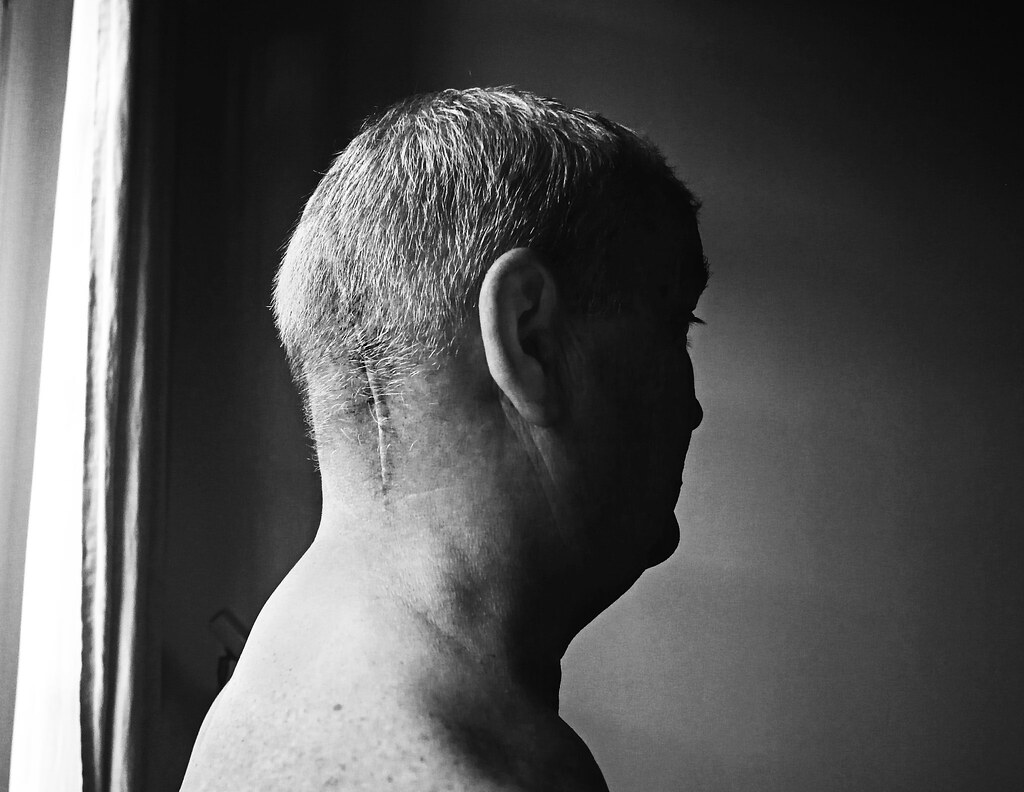
Can her grow back on scars?
Scars are a common skin disorder that develops when the skin is damaged and heals. Although they are a natural part of the healing process, scars can be destructive and cause self-awareness, especially if they occur in visible places such as the face or scalp.
This can lead to questions about whether hair can grow on scars and what can be done to encourage or prevent this. Although the ability of hair to grow on scars varies depending on the type and severity of the scar, there are ways to promote hair growth on scars and possibly reduce their appearance.
Although hair growth on scars is possible, the extent to which this occurs is strongly influenced by various factors such as the location, severity and type of scar. Although little research has been done on this subject, some studies have shown that hair growth on scars is possible in certain cases.
If you suffer from hair loss on scars, it is vital that you are accompanied by a dermatologist or specialist in hair loss to determine the main cause of the problem and the most appropriate treatment options.
In this blog we investigate the science behind hair growth on scars and the strategies that can be used to promote healthy hair growth on scars.
What does scientific research say about hair growth in scars?
Research into hair growth on scars is relatively limited, but some studies have been carried out on this subject. A study published in 2001 in the Journal of Investigative Dermatology investigated hair growth on scars in mice. The researchers found that the hair growth in scars was significantly less than in normal skin, and that the hair follicles in scars were smaller and less well organized.
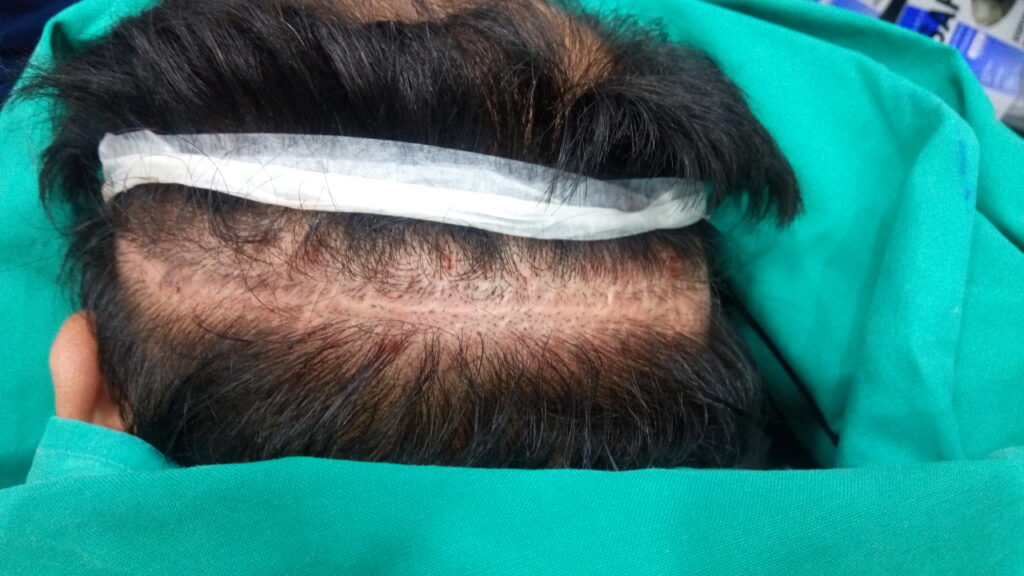
However, they also found that when the skin in the scar area was damaged again, new hair follicles could grow and connect to the existing one, resulting in better hair growth.
Another study, published in the Journal of Dermatological Treatment in 2017, evaluated the effectiveness of hair transplantation on scarring in human patients. The study included 11 patients with scars on the scalp undergoing hair transplantation. The researchers discovered that hair growth was successfully restored in all patients and that the transplanted hair could shoot root and grow normally on the scar tissue.
Although these studies suggest that hair growth on scars is possible, it is important to note that the location, severity and type of scar can all influence the success of hair growth. It is also important to consult a dermatologist or hair loss specialist to determine the underlying cause of hair loss on scars and to determine the most appropriate treatment options.
Which different factors determine whether hair can grow on scars?
The ability of hair to grow on scars depends on several factors. One of the most important factors is the location and size of the scar. Scars on the scalp, for example, are more likely to grow hair than scars on other parts of the body. In addition, the severity of the scar plays a crucial role. If the scar is deep, it could have irreparable damage to the hair follicles, preventing hair from growing.
Another crucial factor that affects hair growth on scars is the type of scar. There are different types of scars, including hypertrophic scars, keloid scars and atrophic scars. Hypertrophic and keloid scars are increased scars that can cause itching, redness and discomfort. These scars can inhibit hair growth, because they can cause inflammation and damage to the hair follicles. Atrophic scars, on the other hand, are depressive scars that are usually caused by acne or other skin disorders. Hair growth on atrophic scars is possible, but may be limited by the lack of blood flow to the affected area.
How can you promote hair growth on scars?
Although there is no guarantee that hair will grow on scars, there are some things you can do to promote hair growth on scars. Here are some tips:
1. Massage the scalp: Massaging the scalp can increase the blood flow to the affected area, which can stimulate hair growth.
2. Use topical treatments: Applying topical treatments such as minoxidil or hair growth serums in the affected area can stimulate hair growth.
3. Try hair transplant: During hair transplantation, hair follicles are transplanted from one part of the scalp to another. This could be an effective treatment for scars that have lost hair follicles.
4. Eating a healthy diet: Eating a diet rich in vitamins and minerals such as zinc, biotin and iron can stimulate hair growth.
It is possible to undergo a hair transplant on scar tissue, although this type of procedure is not performed as often as a standard hair transplant. The process of a scar hair transplant differs from a typical hair transplant because scar tissue differs from normal skin and tissue.
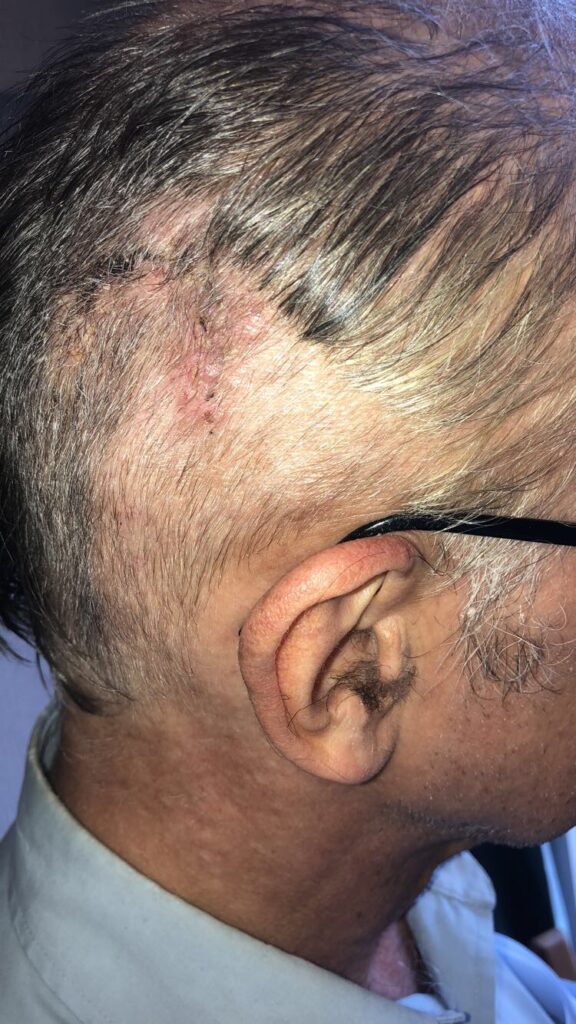
To achieve the desired result, a hair transplant specialist, like the experts of a renowned hair transplant clinic in Delhi, will put hair follicles in the scar while they are still in their follicle.
Once the transplanted hair comes into contact with the blood vessels, they start to root and grow, resulting in new hair growth.
However, hair transplants on scar tissue require careful attention to ensure that the hair is implanted properly. Multiple procedures may be required due to initial lack of blood supply to the affected area.
Scar tissue can not only be raised and thickened, but also have an uneven surface. For a more natural appearance, a doctor may recommend corticosteroid injections around the scar to level the scar surface.
Ultimately, undergoing a hair transplant on scar tissue requires careful consideration and consultation with a qualified hair transplant specialist to determine the best approach and to ensure optimal results.
Conclusion
Hair growth on scars is possible, but it depends on different factors such as location, severity and type of scar. Although little research has been done on this subject, some studies suggest that hair growth on scars is possible in certain cases. If you are concerned about hair loss on scars, it is essential to consult a dermatologist or specialist in hair loss to determine the underlying cause and proper treatment.


You might like this too.

When is the right time to start treatment for hair loss?

Haar klonen de oplossing tegen kaal worden: Wanneer zal het beschikbaar zijn?