


Does the natural supplement pygeum work against hair loss?
Hair loss can be a frustrating and stressful experience for many people. Although different treatments are available, including medications and hair transplants, some people prefer natural hair loss remedies. Pygeum is such a natural remedy that has received attention because of its potential benefits in hair loss.
Although little research has been done on its effectiveness, some studies have shown promising results. Pygeum can help block the production of DHT, a hormone known to cause hair loss.
However, more research is needed to confirm these findings and to determine the optimal dosage and form of pygeum for the treatment of hair loss.
In this blog we discuss pygeum, the applications, potential benefits, side effects and what research says about effectiveness in treating hair loss.
What's pygeum?
Pygeum is a natural supplement that is extracted from the bark of the African cherry tree (Prunus africana). It has been used in traditional African medicine for centuries to treat various ailments, including problems with the urinary tract and prostate. Pygeum contains a combination of fatty acids,sterols and other vegetable chemicals that are believed to have medicinal properties.

What's the theory behind Pygeum against hair loss?
Pygeum is also believed to have potential benefits for hair loss. The supplement contains beta-sitosterol, a plant component that would block the conversion of testosterone to dihydrotestosterone (DHT). DHT is a hormone known to cause hair loss in persons with genetic predisposition to baldness. By blocking the production of DHT, pygeum can help prevent hair loss and promote hair growth.
What does scientific research on pygeum say for hair loss?
Several studies have investigated the effects of pygeum on hair loss and general hair health. Here are some of the most important findings:
Pygeum extract can help to reduce hair loss: A study published in the Journal of Cosmetic Dermatology in 2008 found that pygeum extract can help to reduce hair loss in men and women with alopecia androgenics. The study included 75 participants randomised to receive either pygeum extract or placebo for 4 months. At the end of the study period, the pygeum extract group showed a significant reduction in hair loss compared to the placebo group.
1. Pygeum extract can improve hair thickness: A study published in the International Journal of Trichology in 2016 investigated the effects of pygeum extract on hair thickness in men with alopecia androgenics. The study included 30 participants randomised to receive either pygeum extract or placebo for 24 weeks. At the end of the study period, the pygeum extract group showed a significant improvement in hair thickness compared to placebo.
2. Pygeum extract may have anti-inflammatory effects: Inflammation can play a role in hair loss, and pygeum extract has been found to have anti-inflammatory effects. A study published in the Journal of Ethnopharmacology in 2015 found that pygeum extract can inhibit the production of pro-inflammatory cytokines in cells. This suggests that pygeum extract could help to reduce inflammation in the scalp and potentially improve hair growth.
3. Pygeum extract can improve scalp health: A study published in the Journal of Medicinal Food in 2016 investigated the effects of pygeum extract on scalp health in men with alopecia androgenic agents. The study involved 20 subjects randomised to receive either pygeum extract or placebo for 24 weeks. At the end of the study period, the pygeum extract group showed a significant improvement in scalp health compared to placebo.
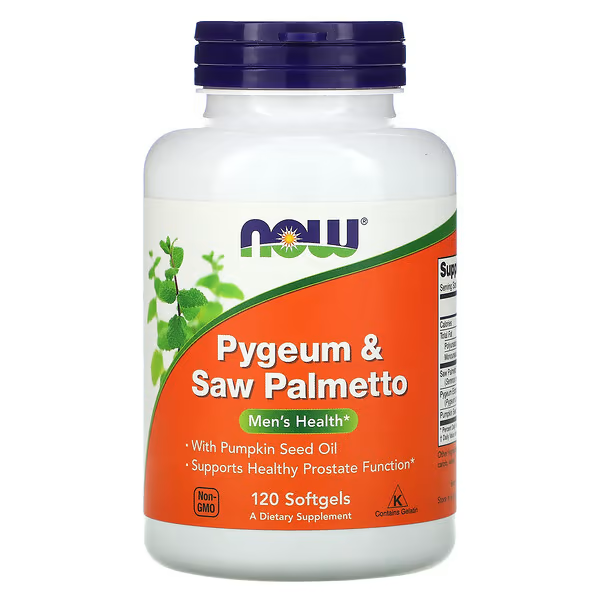
While these studies suggest that pygeum extract may be beneficial to hair loss and overall hair health, more research is needed to fully understand the effects. Moreover, it is important to note that pygeum extract is not suitable for everyone and may cause side effects in some people. It is recommended to speak to a healthcare professional before using pygeum extract for hair loss or any other purpose.
What other potential benefits does pygeum have?
Pygeum has also been studied for its potential benefits in the treatment of other conditions. Thus, the supplement has been shown to be effective in reducing inflammation in the prostate gland, which can help to treat symptoms of benign prostate hyperplasia (BPH). Pygeum has also been studied for its potential benefits in the treatment of acne, urinary problems and kidney diseases.
What are the possible side effects of pygeum
Although pygeum is generally considered safe when used as prescribed, there are some potential side effects to be considered. The most common side effects are mild gastrointestinal disorders such as stomach upset, nausea and diarrhoea. These symptoms usually resolve by themselves, but if they persist or worsen, it is important to talk to a doctor.
There have also been rare reports of allergic reactions to pygeum, including rash, hives and difficulty breathing. If you experience any of these symptoms after taking pygeum, stop using them immediately and seek medical attention.
It is important to note that pygeum may interact with certain medications, especially those used to treat prostate or hormonal disorders. It is important to talk to a healthcare professional before taking pygeum if you are taking medicines or have an underlying medical condition.
Pregnant women or women who are breast-feeding should also avoid pygeum, as there is little evidence of its safety during pregnancy or lactation.
As with any supplement, it is important to use pygeum as prescribed and to consult a healthcare professional for use, especially if you are concerned about possible side effects or interactions with other medicines or supplements.
Conclusion
Pygeum is a natural supplement that can have potential benefits for hair loss. Although little research has been done on its effectiveness, some studies have shown promising results. Pygeum can help block the production of DHT, a hormone known to cause hair loss. However, more research is needed to confirm these findings and to determine the optimal dosage and form of pygeum for the treatment of hair loss. If you are considering taking pygeum against hair loss, it is essential to consult a doctor to determine the correct dosage and to ensure that you can safely use the supplement.


You might like this too.

Can the DIM Supplement reverse hair loss?

Can gel or wax cause hair loss?


