Does Tulsi (holy basil) help to prevent hair loss?
When it comes to hair care, natural remedies have received a lot of attention in recent years.
One such agent that has aroused interest is the extract of tulsi leaves, also known as sacred basil.
Although tullib load extract is promising as a natural option for hair growth, it is important to approach it as part of a comprehensive approach to hair care that includes a healthy diet, proper hair care practices and a balanced lifestyle.
Embrace the potential benefits of Tusli extract and enjoy discovering its role in your hair growth journey.
Tusli extract is known for its many health benefits and has been traditionally used in the Ayurvedic Medicine.
In this Article I went deeper into Ayurvedic methods against hair loss.
In this blog, we investigate whether Tusli extract really helps with hair growth, explore the potential benefits and examine the study that supports the efficacy.
We also provide insight into how to use Tusli extract for optimal results.
What exactly is Tusli extract?
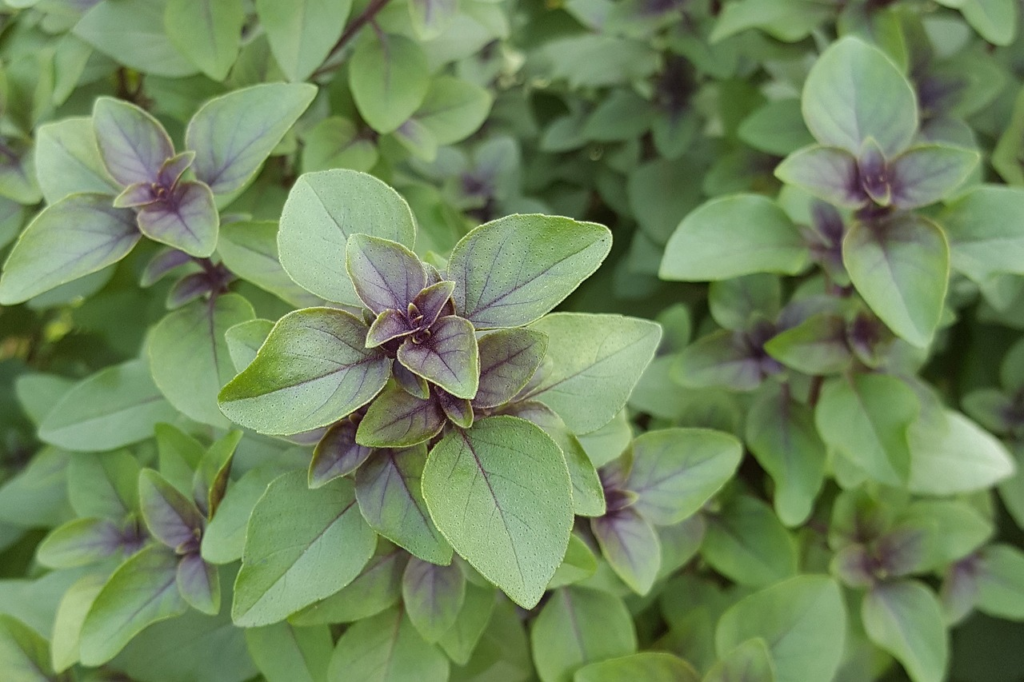
Tulsi, or Ocimum tenuiflorum, is a sacred plant in Hindu culture and is highly regarded for its medicinal properties.
The leaves are rich in essential Oils, antioxidants and phytochemicals contributing to the therapeutic effects.
Tusli extract is obtained by soaking the leaves in a solvent, resulting in a concentrated liquid form.
What are the potential benefits of Tusli extract for hair growth?
1. Food and health of the scalp: Tusli extract contains nutrients and antioxidants that nourish the hair follicles and promote healthy scalp. It helps to reduce dryness, itching and dandruff, which may hinder hair growth.
2. Reinforcement of hair follicles: The active ingredients in Tusli extract are said to be the haarzakjes strengthen, hair fracture minimize and improve the strength of the hair. This may result in thicker and more resilient locks over time.
3. Anti-inflammatory properties: Tusli extract owns anti-inflammatory characteristics that can soothe the scalp and reduce conditions such as scalp irritation, inflammation and hair loss associated with certain inflammatory head conditions.
Can Tulsi turn gray hair?
There is no scientific evidence suggesting that Tulsi (basil) grey hair.
Hair colour is mainly determined by genetics and the decrease in melanin production in the hair follicles over time.
Although Tulsi has many health benefits, including antioxidant properties, there is no evidence that it can specifically reverse gray hair.
In this Article I'm going to go deeper into what might be working, against early. grey Become!
What is the difference between Tulsi and holy basil?
Tulsi and sacred basil refer to the same plant, Ocimum sanctum. However, in different parts of the world the herb is called different.
- Tulsi: In India it is often called Tulsi and is considered sacred. It is known for its medicinal and spiritual significance.
- Sacred basil: In some other regions the holy basil is called because of its cultural and religious significance.
In essence, both terms refer to the same plant species, and they are often used interchangeably.
Tulsi has adaptogenic properties and is used in various traditional treatments due to its potential health benefits.
Why is holy basil called Tulsi?
In India sacred basil (Ocimum sanctum) is often called "Tulsi" because of its cultural and religious significance.
Tulsi is considered sacred and has a special place in Hinduism. It is considered a symbol of purity and is often worshipped in houses and temples.
What is Tulsi/holy basil used for?
Tulsi, or sacred basil, has been used in traditional medicine for centuries because of its potential health benefits.
The herb is supposed to have adaptogenic properties, which means that it could increase the body's ability to cope with stress. Some applications of Tulsi are:
- Medicinal use: Tulsi is used in various traditional medicines because of its antimicrobial, anti-inflammatory and antioxidant properties. It is often used to treat colds, coughs and other conditions.
- Religious and cultural significance: In India Tulsi is considered sacred and is often planted in houses and temples. It is associated with divine energy and is worshipped in different ceremonies and rituals.
- Ayurvedic applications: In Ayurvedic medicine, Tulsi is used to balance body and mind. It is sometimes also used as a tonic for the immune system.
The use of Tulsi may vary depending on the cultural context and specific medical traditions.
Does Holy Basil influence Hormones?
Sacred basil is considered an adaptogen herb and is believed to affect hormone levels, especially in helping the body to adapt to stress.
Adaptogens are substances that allegedly stabilise physiological processes and promote homeostasis.
Although the effects of sacred basil on hormones are not as powerful as those of pharmaceutical drugs, some studies suggest a potential effect on stress related hormones such as cortisol.
What are the Disadvantages of Holy Basil?
Possible disadvantages of sacred basil include:
- Limited Scientific Evidence: Although sacred basil has a long history of traditional use and is generally considered safe, it lacks robust scientific evidence for some of its claimed benefits.
More research is needed to determine the efficacy of sacred basil for various health conditions. - Possible Interactions: Sacred basil can interact with certain medications or conditions. It is important to seek advice from a healthcare professional, especially if you are using medicines for existing health problems.
- Caution with Pregnancy: Zwangere Women are advised to exercise caution with saintly basil because of the possible influence on hormones.
It is advisable to seek advice from a health care provider before you include it in your routine.
Can I take Holy Basil daily?
Many people take sacred basil daily into their routines and it is generally considered safe when consumed in moderate amounts as part of a balanced diet.
However, individual reactions may vary, and it is advisable to start with smaller amounts to observe how your body reacts.
As with any supplement or herbal remedy, it is essential to seek advice from a health care provider, especially if you already have existing health problems, are taking medicines, or are pregnant.
They can provide personal advice based on your specific health situation and ensure safe and effective use of sacred basil.
Is Basil a DHT blocker?
Basil, including saintly basil or Tulsi (Ocimum sanctum), is generally not recognised as a direct dihydrotestosterone (DHT) blocker.
DHT is a hormone associated with male baldness (androgenic alopecia).
Although basil may have different health benefits and is rich in antioxidants, it does not specifically target DHT in the same way as medicines such as finasteride, known as a DHT blocker.
However, some herbs and plants are examined due to their potential to support the overall health of the hair and may indirectly contribute to maintaining a healthy scalp.
It is important to note that scientific evidence that supports the efficacy of herbs such as basil as treatments against hair loss is limited, and more research is needed to establish their specific roles.
What does scientific research on Tusli extract say for hair growth?
1. In a study published in the Journal of Applied Pharmaceutical Science researchers investigated the hair growth-promoting activity of tullib load extract in mice.
The investigation showed that the extract significantly increased the number and length of the hair follicles, suggesting that it can stimulate hair growth.
Although further research is needed to confirm these findings in humans, this study provides the first evidence of the positive effects of tullib leaf extract on hair follicles.
2. Another study, published in the Indian Journal of Pharmacology, investigated the antioxidant and free radical neutralising activities of tulsiblad extract.
The study highlighted the ability of the extract to reduce oxidative stress, which is known to contribute to hair damage and hair loss.
By protecting the hair follicles from oxidative damage, tulsiblad extract can support healthier hair growth.
3. The antimicrobial properties of tulsiblad extract have also been investigated in various studies.
A publication in the Journal of Ethnopharmacology investigated the ability of the extract to inhibit microbial growth.
As microbial infections and head skin disorders may interfere with hair growth, the antimicrobial effects of tulsi leaf extract may help to maintain a healthy scalp, conducive to hair growth.
It is important to note that, although these studies point to the potential benefits of Tusli extract for hair growth, more extensive studies with human subjects are needed to fully understand the effects and mechanisms of action.
In addition, individual reactions may vary and factors such as overall health, genetics and lifestyle may influence hair growth results.

To maximise the potential benefits of Tusli extract, you can consider combining it with other natural ingredients known for their hair care properties.
Remember aloe vera gel, Coconut oil, yogurt or other herbs and oils that promote scalp health and hair growth.
What herb does the hair thicken?
The herb that is often associated with possibly promoting thicker hair is saw palmetto (Serenoa repens).
It is believed that saw palmetto acts by inhibiting the conversion of testosterone to dihydrotestosterone (DHT), a hormone associated with hair loss, especially in cases of androgenic alopecia (male and female baldness).
However, it is important to note that scientific evidence that supports the effectiveness of saw palmetto to thicken it is limited, and more research is needed to establish its effectiveness.
In addition, herbs such as Rosemary (Rosmarinus officinalis) and aloe vera are sometimes considered beneficial to the overall health of the hair.
They can contribute to a healthy scalp environment, which is essential to promote the growth of strong and thick hair.
Again, scientific evidence that supports their specific role in thickening her is not decisive.
If you are considering using herbs or natural remedies to thicken hair, it is advisable to consult with a healthcare professional or a dermatologist.
They can provide guidance based on your specific situation and help you to make informed decisions about possible treatments.
How to use Tusli extract for hair growth?
Tusli extract can be included in your hair care routine in various ways:
1. Homemade hair masks: Mix Tusli extract with other natural ingredients such as aloe vera gel, coconut oil or yogurt to make nourishing hair masks.
Apply the mixture to your scalp and hair, allow to withdraw for 30 minutes to an hour and then rinse thoroughly.
2. Dilution of lavage: Add a few drops of Tusli extract to water and use it as last rinse after washing. This can enhance the health of your scalp and give your hair a refreshing boost.
3. Herbal hair oil: Infuse Tusli extract in carrying oils such as coconut oil or Almond oil. Massage the oil into your scalp and let it withdraw overnight for deep nutrition and potential benefits for hair growth.

Conclusion
Although further research is needed to fully understand the efficacy of tullib load extract for hair growth, the rich nutrient profile and traditional use in the Ayurveda make it a promising natural remedy.
Including tullib load extract in your hair care routine, along with a balanced diet and a healthy lifestyle, can help to promote scalp health, strengthen hair follicles and possibly support hair growth.
As with any new hair care product or product, it is advisable to perform a patch test and to consult a healthcare professional or dermatologist before use, especially if you have an underlying head condition or allergy.
Embrace the power of nature and consider exploring the potential benefits of Tusli extract on your hair travel.


You might like this too.

The Truth about Masturbation and hair loss: At last Clarity 🔍

Is peppermint oil good for your hair? The Unexpected Truth