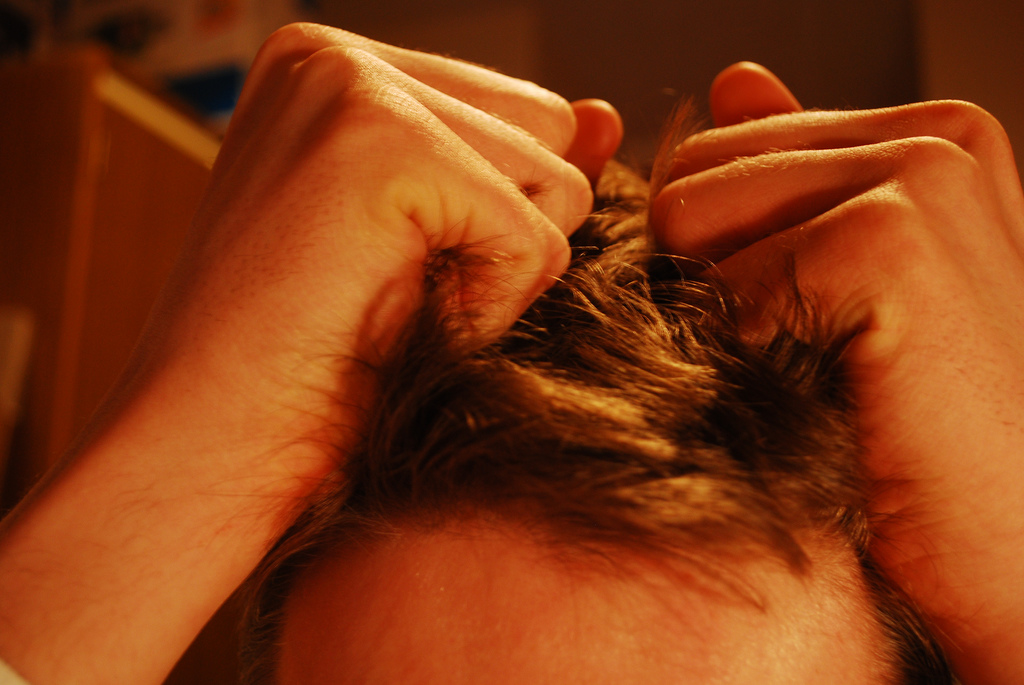
Trichotillomania: The Complete Guide You Need
Do you feel that irresistible urge? That tension that only disappears when you take off that one hair?
You're not crazy. Not weak. Not alone.
Trichotillomania is not a question of bad habits or lack of willpower.
It's more complex. Fascinating. And more importantly—treatable.
Watch the video below of Aneela Idnani, to see how she deals with Trichotillomania!
What Is Trichotillomania (And What Is Not)
Trichotillomania = irresistible urge to pull hair out.
Not just a bad habit. An officially recognized mental illness (DSM-5) with a major impact on your life.
The pattern is recognizable:
- Tension before pulling hair️
- Temporary relief while pulling ✓
- Shame and sadness afterwards️
This isn't a question of "stopping for a while." It's deeper.
TRICHOTILLOMANIA
Understand. Stop it. Recovery.
Trichotillomania Cause: Why are you pulling?
The exact cause? Not one answer. Several factors are involved:
Biological:
- Impaired brain chemistry (serotonin, dopamine, glutamate) 🧠
- Genetic predisposition (runs in families)
- Neurological circuits in the basal ganglia (same area as with OCD)
Psychological:
- Response to stress and anxiety
- Way to regulate emotions
- Obsessive-compulsive trait
- Dissociative state while pulling
Environmental factors:
- Traumatic events
- Long-term stress
- Difficult living conditions
- Learning history (strengthening behaviour)
Important: It's NOT your fault. There is no "guilty"—Only factors that come together.
You now recognize a trigger moment. Great!
Recognizing these moments is step 1 in breaking the habit.
At the next trigger, try another activity for your hands:
- Squeeze stressball
- Wear elastic around wrist
- Use Figget spinner
Trichotillomania and Autism: The Hidden Link
The overlap between trichotillomania and autism? Remarkably big.
The numbers speak:
- Up to 20% of people with autism exhibit trichotillomania
- 4-8% of people with trichotillomania have autism
- In women with autism the percentage is even higher
Why?
In autism:
- Increased sensitivity to incentives
- Need for stimulation (self-stimulation)
- Difficulty with emotion regulation
- Increased tactile sensitivity
- Resistance to repetitive behaviour
Hair pulls can serve as:
- Self-regulation ✓
- Predictable sensation in an unpredictable world ✓
- Way to deal with overstimulation ✓
- Form of self-stimulation ✓
Do you recognize this? Know then: the treatment can be different if autism is involved. Customization is necessary.
The Physiological Reality of Her Trekking
What exactly happens in your body while pulling your hair? Here we dive deeper:
- Endorfine release: Similar to a runner high
- Autonomous activation: First sympathetic (excitation), then parasympathetic (calming)
- Trance-like state: Changed time experience, sometimes hours without consciousness
- Tactical satisfaction: Specific hair textures give specific sensations
- Sensory feedback loop: The sound and feeling of a hair pulled strengthens the behaviour
Trichotillomania in Children: Early Signals
A kid pulling his hair when are you worried?
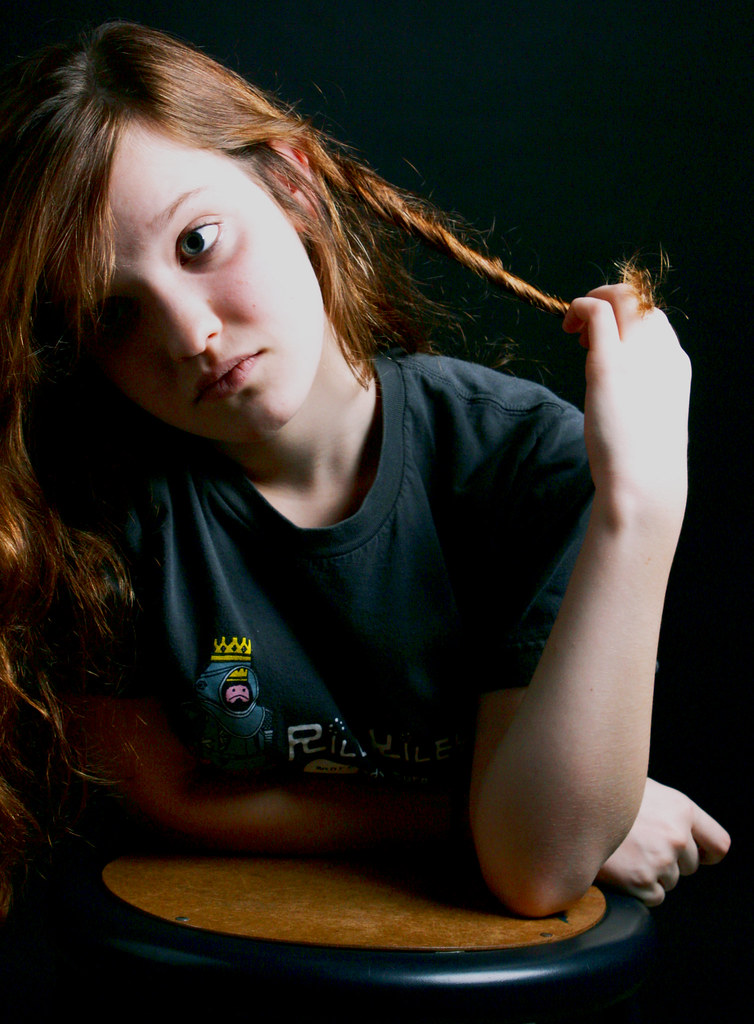
Alarm signals:
- Skin and subcutaneous tissue disorders
- Hide bald spots (caps, hats, makeup)
- Avoiding activities (swimming, sport)
- Changes in behaviour and mood
- Deterioration of school performance
- Social isolation and bullying behaviour
In children often unnoticed or misunderstood. "It's a phase" doesn't work as an excuse.
Age-related aspects:
- Peuters (2-4): Usually self-limiting, part of normal development
- Primary school (5-12): Critical period for intervention, formation of long-term patterns
- Teenagers (13-18): Increased impact through social pressure, often hidden from parents
Action = crucial. Early intervention = better prognosis
Trichotillomania Eyebrows: Visible and Vulnerable
Why are eyebrows such a popular place?
- Easy access
- Constantly visible (mirror = trigger)
- Specific texture giving satisfaction
- Visible result (fatter, rougher than head hair)
- Symmetry obsession (one pulled out = both have to match .
The impact? Huge.
Daily makeup becomes a must. Swimming will be a nightmare. Every wind blows a moment of fear.
Specific techniques for eyebrow tractors:
- Dim lighting in bathrooms (reduces visibility of individual hairs)
- Custom mirrors (avoid magnifying mirrors)
- Microblade as a temporary solution
- Special eyebrow care that makes pull less satisfying
The Body-Focused Repetitive Behaviors (BFRB) Family
Trichotillomania is not on its own. It belongs to a family of related disorders:
- Dermatillomania: Skin picks
- Trichotemnomania: Haircuts/shavings
- Onychophagi: Nail bites
- Cheek biting: Wang bites
- Dermatophagie: Skin food
- Rhinotillexomania: Nose spitting
- Lip/cheek chewing: Lip or cheek chewing
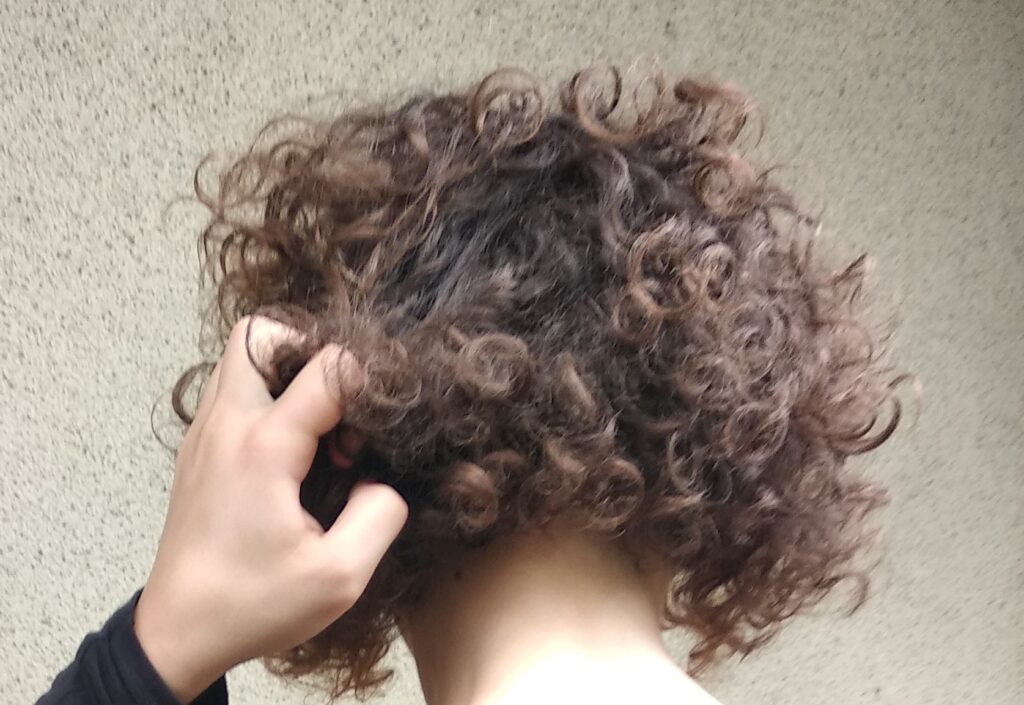
The overlap? Large:
- 38% of people with trichotillomania also have dermatillomania
- 65% has at least one other BFRB
Why this is important: Dealers who only focus on hair pulling miss the bigger picture. If you stop the hair pulling, the behavior can shift to another BFRB.
Treatment: More Options Than You Think
Forget the idea of "learn to live with it."
Effective treatments exist:
Cognitive behavioural therapy (CGT):
- Identifying triggers
- Learning alternative reactions
- Exposure and response prevention
- Success in 60-80% of patients
- Average 12-20 sessions required
Habit Reverse Training (HRT):
- Awareness of the need
- Developing competitive response
- Systematic weakening of habit
- More effective in the case of automatic pulling than in the case of focused pulling
Acceptance and Commitment Therapy (ACT):
- Learning to live with the urge without admitting
- Mindfulness and acceptance
- Focus on valuable life despite trichotillomania
- Often combined with HRT
Dialectical behavioral therapy (DGT):
- Emotional regulation skills
- Distress tolerance
- Specifically effective with comorbid borderline
Hypnotherapy:
- Access to the subconscious
- Suggestions for alternative behaviour
- Limited scientific evidence, but anecdotally successful
The key? Not one method. A combination. Customized for you.
Trichotillomania Stop: Practical Strategies
You want to get to work? Start here:
Direct interventions:
- Creating barriers (gloves, patches, thimbles)
- Figget toys for distraction (specific: texture variation important)
- Hair-free zones (quiet places where you don't pull)
- Environmental changes (mirrors, lighting)
- Identifying and avoiding trigger situations
Daily habits:
- Stress management (meditation, breathing exercises)
- Sufficient sleep (fatigue = more pulling)
- Movement (reduces voltage)
- Regular meals (blood sugar fluctuations worsen urge)
- Caffeine and alcohol restriction (both intensify the urge)
Tracking tools:
- Keep diary (when, where, emotions)
- Apps specific to trichotillomania (TrichStop, Slightly Robot)
- Photographic evidence of progress
- Hair growth trackers (measurable evidence of recovery)
Recovery strategies:
- Specific scalp care
- Food supplements for hair growth (biotin, zinc, iron)
- Protective hairstyles
- Temporary solutions (wigs, extensions, microblade)
Remember, relapse is part of it. Progress is rarely linear.
Trichotillomania Medicine: When does it help?
Medicine alone? Rare solution. In combination with therapy? Potentially powerful.
Options that doctors consider:
SSRIs (Selective serotonin reuptake inhibitors):
- Fluoxetine (Prozac), Sertraline (Zoloft), Escitalopram (Lexapro)
- Reduce Obsessive Thoughts
- Soothing the urge
- Help with comorbid depression/fear
- Efficacy: 30-50% experience significant improvement
- Side effects: sexual dysfunction, weight gain, difficulty sleeping
N-acetylcystin (NAC):
- Amino acid with antioxidant properties
- Promising in recent studies
- Influences glutamate (neurotransmitter)
- Dosage: 1200-2400mg/day
- Less side effects than traditional medication
- Efficacy: 44-56% response in clinical trials
- Side effects: mild gastrointestinal discomfort, sulfur odour
Atypical antipsychotics:
- Olanzapine (Zyprexa), Aripiprazole (Abilify)
- In specific cases
- Doses lower than psychosis
- Often if other options fail
- Efficacy: 30-40% response
- Side effects: weight gain, metabolic changes
Glutamate modulators:
- Memantine, Riluzole
- Experimental but promising
- Influences of glutamate NMDA receptors
- Efficacy: 40-60% in small studies
- Side effects: dizziness, confusion
Opioid antagonists:
- Naltrexone
- Blocks rewarding aspects of hairdressing
- Efficacy: mixed results
- Side effects: nausea, liver problems
Cannabis-derived products:
- CBD oil
- Anecdotal evidence for reduced anxiety and urge
- Efficacy: insufficient scientific evidence
- Legal status varies by country/region
Important: medication always accompanied by a doctor. Never self-drug.
Neurobiology: What happens in your brain?
Time for a deeper dip in the brain. What do the latest studies say?
Brain areas concerned:
- Basal ganglia: Monitoring custom behaviour
- Prefrontal cortex: Impulsion control and decision-making
- Amygdala: Emotional reactions
- Nucleus accumens: Reward system
- Anterior cingular cortex: Error detection and conflict monitoring
Neurotransmitters:
- Serotonin: Regulates mood and fear
- Dopamine: Regulates reward and motivation
- Glutamate: Main exciting neurotransmitter
- GABA: Main inhibiting neurotransmitter
Neuroplasticity: Repeated hair twitching actually changes brain structures, strengthening neural pathways. This explains why stopping is so hard: you're fighting your own brain wiring.
Neuroinflammation: New direction of research suggests that inflammation processes in the brain can play a role in trichotillomania.
Trichotillomania And Comorbidity: Never alone
Trichotillomania rarely comes alone. The figures:
- 65% have at least one other mental illness
- 38-40% have depression
- 32-34% have anxiety disorders
- 20-30% has OCD
- 18-22% has ADHD
- 10-15% has eating disorder
- 5-10% has substance abuse
Why is this important?
- The underlying condition may exacerbate the trichotillomania
- Some treatments work for both conditions
- Prioritisation in treatment (approach what first?)
Specific comorbid patterns:
- Trichotillomania + depression: Higher risk of suicide
- Trichotillomania + anxiety: Draw more focus
- Trichotillomania + ADHD: Pull more auto-moulding
- Trichotillomania + eating disorder: More perfectionism, worse treatment outcome
Life With Trichotillomania: Beyond Treatment
Treatment is one thing. Living with trichotillomania is something else.
How do you make it more bearable?
Social:
- Open communication with relatives
- Selective sharing with who you trust
- Lottery contact (online forums, support groups)
- Develop Script for unexpected questions
- Setting limits to unsolicited advice
Practical:
- Hair styling camouflaging bald spots
- Makeup techniques for eyebrows and eyelashes
- Accessories that offer comfort and camouflage
- Seasonal strategies (summer vs. winter)
- Emergency kits for difficult moments
Emotional:
- Developing self-compassion
- Reduce shame
- Strengthen identity outside the condition
- Celebrate highlights (days without pull)
- Humor as a coping mechanism
The target? Not perfection. Control. And if that doesn't work, acceptance.
The Impact on Relationships
Trichotillomania affects not only you. Your relationships, too.
Romantic relations:
- Intimacy problems (fear of discovery)
- Hidden behaviour (night pulling)
- Miscommunication (partner does not understand)
- Sexual impact (brain on body)
- Dependency (partner as . . .
Parent-child relationships:
- Parent with trichotillomania: guilt, fear of transfer
- Child with trichotillomania: frustration, misunderstanding
- Overprotection or avoidance
Friendships:
- Selective openness
- Social withdrawal
- Avoidance of activity (swimming, sports)
Work relations:
- Hiding from fellow officers
- Fear of professional consequences
- Productivity problems (time spent on pulling)
The Economic Impact: Hidden Costs
Speaking of costs: Trichotillomania is expensive. Literally.
Direct costs:
- Medical treatment (therapy, medication)
- Cosmetic solutions (wigs, extensions, microblade)
- Hair growth agents and supplements
- Specific care products
Indirect costs:
- Productivity loss (work/study)
- Failure to work
- Suboptimal career choices
- Long-term health impacts
Average annual costs:
- $4000-8000 for direct treatments
- $2000-5000 for cosmetic solutions
- Unknown amount of missed career opportunities
Trichotillomania and Trauma: The Hidden Connection
The link between trauma and trichotillomania? Stronger than I thought.
Show studies:
- 38-42% of people with trichotillomania reported significant traumatic events
- At early onset of trichotillomania (before 10 years), this rate is higher
- Correct specific trauma types with specific tensile patterns
How does this work?
- Trauma disrupts emotional regulation
- Dissociation during trauma and during pull overlaps
- Trauma creates need for control (track = control)
- Physical border crossing in trauma leads to impaired body experience
Treatment implications:
- Trauma-informed care necessary
- EMDR can help to pull trauma-related
- Treating extended without addressing trauma = symptom control

Digital Technology: New Solutions
Technology changes the landscape of trichotillomania treatment.
Apps specific to trichotillomania:
- TrichStop: Tracking, Reminers, Progression
- Slightly Robot: Motion sensors, awareness
- HabitAware: Smart bracelet, detection of pull motion
- Trichster: Community, Accountability
Online therapy:
- Videoconferencing with specialists
- CBT applications for custom conversion
- VR exposure therapy
- AI-controlled cognitive restructuring
Wearables:
- Smart gloves (detect and alert)
- Stress monitoring (stress monitoring)
- Hair growth monitoring
Hormones And Trichotillomania: The Female Factor
Why do women have 3-4x more trichotillomania than men?
Hormonal factors play a role:
- Menstruation cycle affects tensile behaviour (70% report cyclical worsening)
- Pregnancy often leads to improvement (hormonal reason)
- Postpartum period shows increased risk
- Menopause can change migration patterns
Physiological mechanisms:
- Estrogen affects serotonin system
- Progesterone modulates GABA receptors
- Interact stress hormones with both
Treatment implications:
- Hormonal contraception may help (or worsen)
- Menstruation tracking as part of treatment
- Perinatal specific interventions
Trichotillomania In Different Cultures
How culture trichotillomania forms:
Prevalence:
- Similar in different countries (1-3%)
- Different appearances and interpretations
- Treatative behaviour varies widely
Cultural interpretations:
- Western medical model: disorder
- Some Asian cultures: spiritual meaning
- African communities: sometimes linked to ancestral influences
- Indigenous peoples: different ritual interpretations
Regional approach:
- North America: medication + CGT dominant
- Europe: Psychodynamic approach more often
- Asia: family integration more central
- Africa: traditional medicine alongside modern medicine
Future of Trichotillomania Treatment
Where's it going? The latest developments:
Genetic treatments:
- Personalised medication based on genetic profile
- Gene therapy for specific causes
- Pharmacogenetic tests for medication selection
Neuromodulation:
- Transcranial magnetic stimulation (TMS)
- Deep brain stimulation (DBS) for severe cases
- Transcranial direct current stimulation (tDCS)
Psychedelic assisted therapy:
- Psilocybin research promising
- MDMA facilitated therapy
- Ketamine for treatment-resistant cases
Microbioma approach:
- Darm brain examination
- Probiotics in addition
- Food interventions
Artificial intelligence:
- Prediction models for relapse
- AI coaches for daily support
- Machine learning for optimal treatment matching
Trichotillomania In the Elderly: A Forgotten Group
Little attention to trichotillomania at 65+. Why it's important:
Unique aspects:
- Confusion with other disorders (dementia)
- Medication interactions
- Comorbidity with age-related disorders
- Changed social context (solitude)
Challenges under consideration:
- Generation differences in psychological openness
- Physical limitations for behavioural interventions
- Cognitive challenges for CGT
- Limited study data for this population
Special considerations:
- Adjusted treatment frequency
- Access to therapy
- Involvement of carers
- Simplification of interventions
Personal Stories: The Power of Experience Expertise
Numbers tell one story. Personal experiences another.
Rebecca (34): "After 20 years of hiding, I decided to be open on Instagram. The liberation was overwhelming, people I knew for years proved to be fighting the same battle."
(28): "As a man with trichotillomania you feel double isolated. It's seen as a female thingy. When I finally found a male therapist who understood, everything changed."
Sophie (42): "My daughter discovered bald spots on my head when she was 7. Instead of lying, I explained. Now she's 15 and my biggest supporter."
Marco 31: "After three failed treatments, I had given up. Until I discovered NAC through a Facebook group. Within 8 weeks my urge was reduced by 60%. Keep looking, always."
Lena (26): "My autism was only diagnosed after my trichotillomania therapist made the link. Two pieces of the puzzle fell together."
What do we learn from this?
- Openness = liberation
- Recognition = first step
- Hope = realistic expectation
Science of Hair Growth After Trichotillomania
Can it bring her back? What does science say?
The facts:
- Occasionally pull: almost always complete recovery
- Chronisch trekken (<2 jaar): 80-90% volledig herstel
- Long-term pull (>5 years): 60-70% recovery
- Very long-term (>10 years): 40-50% complete recovery
Damage to follicles:
- Repeated pulling damaged follicles
- Scar tissue can form after years of pulling
- Follicle stem cells can exhaust
How does hair growth work?
- Hair growth: 3 phases (anagen, katages, telogen)
- Trichotillomania disrupts this cycle
- New hair often changes (thicker, thinner, curly, different color)
Stimulation of hair growth:
- Minoxidil (scientifically proven)
- Peptide therapies (emerging)
- Microneedling
- Laser treatment (stimulates follicles)
- Food supplements (biotin, zinc, iron)
Professional Help Find: A Roadmap
Finding the right help = crucial. But how?
Specialists who can help:
- Clinical psychologists with BFRB specialisation ✅
- Psychiatrists with OCD/disease expertise ✅
- Dermatologists (for skin problems) ✅
- Trichologists (her specialists) ✅
- Endocrinologists (hormonal factors) ✅
Questions to ask:
- "What is your experience specific to trichotillomania?"
- "What treatment protocols do you use?"
- "How do you measure progress?"
- "What is your view on medication vs. psychotherapy?"
- "How do you involve relatives in the treatment?"
Red flags in treatment:
- "You just got to stop pulling"
- "It's just a phase"
- "We only treat the underlying fear"
- "Everyone has a bad habit"
- "I rarely see this in my practice"
Mindfulness and Trichotillomania: More Than A Buzzword
Mindfulness = effective in trichotillomania. The science behind the hype:
How it works:
- Increase awareness of twitching
- Creates "gap" between impulse and action
- Automatically reduces pulling behaviour
- Increases self-compassion
- Reduces eventigma
Specific techniques:
- Body scan (body perception)
- Targeted breathing
- 3-minute breathing space in pull moment
- STOP technique (Stop, Take a breath, Observe, Process)
- Urge surfing
Neurobiological effects:
- Strengthens prefrontal cortex (pulse management)
- Changes amygdala reaction (emotion regulation)
- Reduces stress hormones
- Improves interoception (inner perception)
Systemic Factors In Trichotillomania
Trichotillomania = not only individual problem. System plays:
Family systems:
- Intergenerational patterns
- Family-coping with the condition
- Enmeshment vs. decoupling
- Expressed vs. unexpressed emotions
Social factors:
- Beauty ideals and hair
- Stigma around mental health
- Access to care
- Social media impact
Economic factors:
- Insurance cover
- Socio-economic factors under consideration
- Commercialisation of solutions
Sleep and Trichotillomania: The Forgotten Factor
Sleep problems and trichotillomania? Strong bandage:
- 65% report sleep problems
- Sleep deprivation = more pull
- Night migration occurs (often unconscious)
- Sleep and impulse control share neural circuits
Bidirectional relationship:
- Trichotillomania interrupts sleep
- Sleep deficiency worsens trichotillomania
Interventions:
- Sleep hygiene as part of treatment
- Protective measures at night
- CBT-I (Cognitive behavioral therapy for insomnia)
- Melatonin (in some cases)
Prevention: Is it possible?
Can trichotillomania be prevented? Partly:
Early intervention:
- Initial signal recognition
- Intervention in case of first hair manipulation
- Family information on genetic risk factors
- Stress management for risk groups
Prevention strategies:
- Emotional regulation training for children
- Fear prevention programme
- Trauma Sensitive Education
- Body consciousness from a young age
Social prevention:
- Destigma of mental health
- Accessible care
- Information for parents and schools
- Screening in at risk populations
The Role of Food At Trichotillomania (continued)
Nutrition affects more than you think:
Direct links:
- Iron deficiency exacerbated trichotillomania (20-30% deficit)
- Zinc affects neurotransmitters and hair growth
- Omega-3 fatty acids improve neural function
- Vitamin D deficiency linked to increased urge
- Blood sugar fluctuations trigger impulsive behaviour
Food interventions:
- Iron supplement (in case of apparent deficiency)
- Omega-3 supplements (2-3g/day)
- Zinc (25-50mg/day)
- Stabilisation of blood sugar (complex carbohydrates)
- Glutamate-poor diets (experimental)
Anti-inflammatory nutrition:
- Anti-inflammatory nutrition reduces neuroinflammation
- Mediterranean diet shows promising results
- Elimination diets if suspected of food intolerances
Scientific Evidence: State of play
What do we really know about trichotillomania? The hard facts:
Strongest evidence:
- HRT (Habit Reverse Training)
- ACT (Acceptance and Commitment Therapy)
- NAC (N-acetylcystin)
- ComB model
Coming proof:
- Online interventions
- Non-invasive brain stimulation
- Glutamate modulators . . Level C evidence
- Group Therapy
Insufficient evidence:
- Hypnotherapy
- Psychodynamic therapy
- Dietary interventions
- Acupuncture
Life Hacks: Daily Survival Tips
Concrete tips for everyday life:
In the bathroom:
- Install dimmable mirrors
- Timer for risk moments
- Use non magnifying mirrors
- Restructuring bathroom activities
At work/school:
- Figgets in every bag/jacket
- Create a Stress Moment Plan
- Colleague/Friend as Accountability Partner
- Ergonomic adjustments (involved in hands)
Home:
- Create draw-free zones
- Activity plans for risk moments
- Gloves within reach
- Texture alternatives strategic places
On the way:
- Travel kit with guides
- Emergency head cover
- Stress response plan
- Public toilet strategy
The Future of Trichotillomania Research
Where's the investigation going?
Emerging research areas:
- Genetic markers and adapted treatment
- Microbiome Brain Connection
- Neuroimmune factors
- Virtual reality interventions
- Mobile technology as treatment support
Challenges in research:
- Limited funding for BFRB research
- Heterogenicity of the disorder
- Comorbidity makes "pure" research difficult
- Lack of long-term studies
Promising developments:
- TMS (Transcranial Magnetic Stimulation) in treatment-resistant cases
- Big data analysis of treatment outcomes
- Pharmacogenetic approach
- Implantable neuroregulation devices
Why This All Important Is
Trichotillomania is underestimated. Undertreated. Understood.
The impact:
- 87% experience significant social constraints
- 40% avoids intimate relationships
- Career opportunities missed by social isolation
- $5 billion in economic impact per year in the US alone
- Mental health risk
And yet... with the right help, information and support, a rich, fulfilling life is possible.
Trichotillomania doesn't define you. It's part of your story. Not the whole story.
The Next Step
If you read this and recognize yourself—know this:
You're not alone. 2-4% of the population share this experience.
There's help. Effective help.
Step one? Talk. With a doctor. A therapist. A trusted friend.
Because in isolation, shame grows. In connection, healing is growing.
Do you have any questions? Experiences to share? Let me know in the comments. Because this conversation deserves more than silence.


You might like this too.

Green Tea and Your Hair: The Complete Truth No One Tells You
Werkt Foliumzuur werkelijk tegen haaruitval?