


Is chronische inflammatie (ontstekingen) de oorzaak van jouw haaruitval?
Do you see more hair in your brush than usual? Do you begin to see bald spots on your scalp? Before you start freaking out, it might be worth thinking about the role that inflammation can play in your hair loss.
That's right, our bodies can sometimes turn on us and cause hair loss from inflammation. But don't worry, with the right information and care, you can fight back and make your luring look fantastic.
There is evidence that inflammation plays a role in the development of alopecia androgenica, or baldness in men and women. Research has found elevated levels of pro-inflammatory cytokines and inflammatory markers in the scalp of people with alopecia androgenic agents.
Although this is not the only cause, addressing the underlying inflammation through lifestyle changes and medical treatments can improve hair growth and reduce the risk of hair loss.
So let's dive into the world of hair loss and inflammation, and learn how to keep our moons healthy and strong.
What is inflammation?
An inflammation is a complex biological reaction of the body's immune system to harmful stimuli such as infections, injuries or toxins. It is characterised by redness, swelling, heat and pain, and serves as a protective mechanism to remove harmful stimuli and to promote healing.
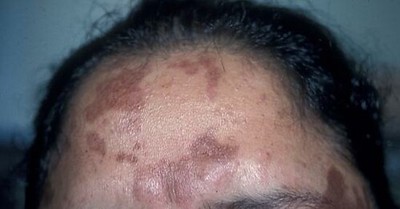
Inflammation may be acute, i.e. a short-term reaction to a specific event, or chronic, i.e. it may persist over time and may contribute to the emergence of various diseases, such as heart disease, diabetes and cancer. Inflammation can be both beneficial and harmful, depending on the cause and severity of the reaction.
What's the theory behind chronic scalp inflammation As a cause of hair loss and does it occur around and in the hair follicles?
It is believed that inflammation plays a role in hair loss because they can damage the hair follicles and disrupt the normal hair growth cycle. Chronic inflammation can lead to the production of cytokines and other factors that can inhibit hair growth and lead to hair loss and thinning.
Inflammation can occur both around and in the hair follicles. For example, conditions such as psoriasis of the scalp and seborroic dermatitis can cause inflammation of the skin around the hair follicles, resulting in hair loss. Autoimmune diseases such as alopecia areata and lupus may cause inflammation in the hair follicles, resulting in hair loss.
It is important to know that not all hair loss is caused by inflammation and that there may be several factors involved, including genetics, hormonal changes and nutritional shortages. It is also important to seek medical advice to determine the underlying cause of hair loss and to obtain an appropriate treatment plan.
What does scientific research say about inflammation as a cause of hair loss?
Inflammation is a complex biological reaction of the body's immune system to harmful stimuli such as infections, injuries or toxins. When the body detects a threat, it activates an inflammatory reaction to remove the harmful stimulus and promote healing. This reaction is characterized by redness, swelling, heat and pain, and is usually a temporary and beneficial process.

However, if inflammation becomes chronic, it may persist over time and contribute to the development of various diseases, including hair loss. Chronic inflammation can damage the hair follicles and inhibit hair growth, making the hair thinner and fall out. This can happen in the skin around the hair follicles or in the hair follicles themselves.
Research has shown that various factors that develop during inflammation can contribute to hair loss. For example, elevated levels of pro-inflammatory cytokines in the scalp have been associated with hair loss.
These cytokines can cause the hair follicles to enter a dormant phase, leading to hair loss. In addition, chronic head conditions such as psoriasis and seborroic dermatitis, which cause inflammation of the skin around the hair follicles, may lead to hair loss. Autoimmune disorders such as alopecia areata and lupus, which cause inflammation in the hair follicles, may also lead to hair loss.
Is there any connection between hair loss from chronic scalp inflammation and androgenic alopecia?
Studies have shown a link between inflammation and alopecia androgenics, also known as baldness according to the male or female pattern. Alopecia androgenica is the most common cause of hair loss and is characterized by progressive thinning of the hair on the scalp.
Studies have shown that inflammation can play a role in the development of alopecia androgenica. For example, studies have shown that the scalp of individuals with alopecia androgenica exhibits increased levels of pro-inflammatory cytokines and other inflammatory markers. Moreover, activation of certain immune cells, such as T cells, has been associated with the miniaturisation of hair follicles, a characteristic of alopecia androgenica.
Although inflammation can play a role in alopecia androgenica, they are not the only cause of this condition. Other factors, such as genetics and hormonal changes, also play a role in the development of alopecia androgenica.
Conclusion
It can be concluded that chronic inflammation can play a role in hair loss by damaging the hair follicles and inhibiting hair growth. Tackling chronic inflammation through a combination of lifestyle changes and medical treatments can promote healthy hair growth and reduce the risk of hair loss.
It is important to note that although inflammation can contribute to hair loss, it is only one of the many factors that can play a role. Other factors include: Genetics, hormonal changes and food shortages. It is also important to seek medical advice to determine the underlying cause of hair loss and to obtain an appropriate treatment plan





5 reacties
Pingback:
Pingback:
Pingback:
Pingback:
Pingback: