


What's the effect of Prednison on hair loss?
Let's be honest right now. When you read this, you're probably sitting in the bathroom staring at your hair and thinking, "What the hell is happening to me?"
After years of guiding people with medication-related hair loss and research research, I can assure you one thing: You're not crazy, it's not stress, and no, it's not "just in your head."
The problem is that doctors often dismiss these side effects as "temporary discomfort." Easy to say if it's not your hair that disappears in the shower drain.
Why Nobody Tells You This From Before
It is just in the leaflet: hair loss is a known side effect of prednisone. But in practice it is rarely discussed. Why not? Because doctors focus on your head disease logically, that's also more important than your haircut. But for you as a patient, it feels like you're coming out of the rain.
People regularly tell me: "My doctor said it was stress." Stress? While you're finally feeling better thanks to the prednisone? Come on.
The real problem is that most general practitioners just don't know much about medication-related hair loss. That's not their fault. They're not hair specialists. But it leaves you with questions and no answers.
🎯 PREDNISON SYMPTOOM METER
Measure your symptoms and get immediate advice on when action is needed
- Your symptoms are currently minimal
- Keep monitoring your symptoms
- Contact your doctor if you have any changes
How Prednison Ruin Your Hair (The Fair Version)
Prednisone mimics cortisol - your natural stress hormone. But where real cortisol comes through the day in waves, prednisone just hangs in your system continuously. It's like your body thinks you're under extreme stress all the time.
Your hair grows in cycles. Normally, about 85% of your hair grows, 10% in transition, and 5% rest. Under the influence of prednisone many more hairs suddenly get the signal: "Okay, we're going to rest." And resting means falling out.
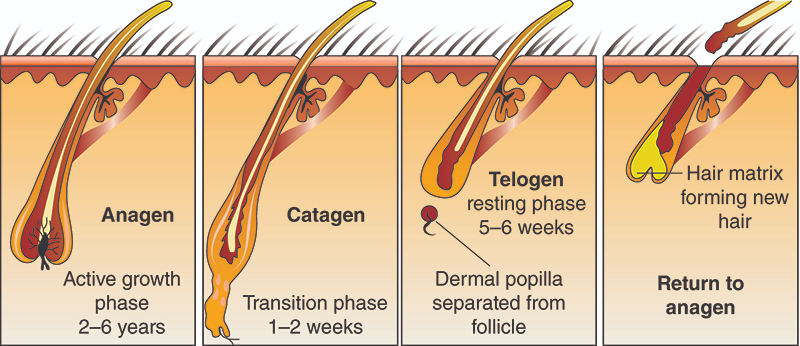
The trouble is that you only notice this three months later, because that's the time a hair growth cycle takes. Just when you think your new medicine's going well, you start to lose her massively. Timing is everything, isn't it?
What People Discover (If They Have Happiness)
Over the years, I've noticed that people who recover best have a few things in common:
They don't panic. Easier said than done, but stress only makes hair loss worse. And let's be honest -- if you already have a chronic disease that you need prednisone for, you got something else on your mind.
They act systematically. No miracel shampoos or expensive treatments, but just step by step get the basics in order.
They have realistic expectations. It'll take months, not weeks. And it's usually not 100% as it was.
The Things That Really Help (According to People's Experiences)
Food supplements that make the difference
After following hundreds of people with prednisone-related hair loss, you see patterns emerging:
Zinc (15mg daily): Crucial for hair growth, but do not take it together with prednisone because they can affect each other in absorption.
Iron: Only if you're short. Have this tested - too much iron is not good either.
Vitamin D: Most Dutch people are short, especially in winter. And vitamin D plays a role in hair follicle health.
Omega-3 vetzuren: Not that cheap of the drugstore, but quality fish oil with high EPA/DHA content.
💊 PREDNISON & HAIR OUTLOOK
Everything you need to know about medication-related hair loss
- Hair loss due to stress, not prednisone
- Expensive shampoos can prevent it
- The hair never comes back.
- It only affects women
- Vitamins stop the failure immediately
- You can't help it.
- Prednisone directly disrupts hair follicles
- Cheap mild shampoo is the best
- 75% gets their hair back largely
- Men and women are both affected
- Recovery takes months, not weeks
- Many strategies can help
What is often recommended but rarely works: biotin. Everyone says it helps, but unless you have a biotin deficiency (which is rare), it generally does little.
Head care that Senses
Massage: Daily 5-10 minutes with rosemary oil. Sounds alternative, but research shows it improves blood circulation. Do not exaggerate - soft, circular movements.
Less washing: Twice a week is enough unless your hair is really dirty. More washing means more manipulation, and your hair is already stressed by the prednisone.
Soft treatment: Hair dryer at lowest position or just let it dry. No tight ponytails or rubber bands pulling.
What Does NOT Work (And Saves Money)
Expensive hair growth shampoos: Complete waste of money. Shampoo's too short on your scalp to do anything.
Internet Miracel Treatments: Most are simply expensive multivitamins with a fancy name.
Minoxidil during prednisone use: May work for other types of hair loss, but if the cause (prednisone) is still present, it makes little sense.
The Mental Side
Hair loss from medications just sucks for your confidence. Period. Especially since you already deal with a chronic disease, and then you get this.
People tell me they:
- Less frequent dating
- Always wear hats
- Shame on social situations
- Consider stopping their medicine (which may be dangerous)
Which helps, according to people who have gone through it:
- Being honest with friends and family about what happens
- Find a good hairdresser who knows about thin hair
- Taking photos to keep track of progress (otherwise, it looks like nothing is happening)
- Accept that this is a phase, not your new reality

The Timeline (Without Bullshit)
Everyone wants to know: when will it get better? Here's what people usually experience:
Month 1-3: It probably gets worse first. Sorry, but that's reality. Month 4-6: Stabilisation. The hair loss is getting worse, but you don't see any new growth. Month 7-9: First baby hairs appear. Thin and light in color. Month 10-12: Remarkable improvement, but not as before the prednisone.
Most people get back 70-80% of their original hair density. Not perfect, but acceptable.
Stopping Prednisone (The Great Question)
This is where it gets complicated. A lot of people want to stop as soon as they notice hair loss. Understandable, but usually not wise.
Prednisone is used for serious conditions. Rheumatoid arthritis, asthma, inflammatory bowel disorders - these are not colds. Stopping suddenly can be dangerous.
What you can do is ask for a phasing-out schedule as soon as your disease is stable. Slow down gives your body the chance to adjust and reduces the side effects.
But never do this on your own. Your joints, lungs or intestines are more important than your hair, however hard it is to accept.
When to a specialist?
Consider a dermatologist if:
- You lose more than 50% of your hair
- You get bald spots (instead of general breakdown)
- Your scalp gets itchy, red or painful
- There are signs of infection
A dermatologist may:
- Exclude other causes
- Proposals for specific treatments
- Put you through for blood tests.
- Creating realistic expectations
Questions People Counting (And Fair Answers)
"Is my hair really coming back? ' Most people do, but rarely 100%. The texture can be different and the hairline can change.
"Can vitamins hurt? ' Overdose is. B6 too much can cause nerve damage, too much iron is toxic. Keep your recommended dosage.
"Help to change my diet? ' A healthy diet always helps, but does not expect miracles. Hair loss from prednisone is hormonal, not nutritional.
"Should I try other medications? ' Talk to your doctor about this. Sometimes there are alternatives, but often prednisone is the best option for your condition.
The Practical Approach
Now, if you're in the middle of the hair loss:
- Have blood tested: Iron, vitamin D, thyroid function, zinc
- Start with basic supplements: Only where there are deficits
- Take care of your scalp: Soft massage, do not wash too often
- Document your progress: Photos in the same light, same angle
- Find support: Family, friends, online communities
- Be patient. It takes months, not weeks.
Why This Is All Important
Hair loss from drugs feels like betrayal. You try to get better and then this happens. It's understandable that you feel frustrated.
But it's not permanent. It's not the end of the world. And you're definitely not alone - thousands of people go through this.
With the right approach, realistic expectations and patience, most people can achieve an acceptable result. It may not be exactly as it was, but it might get close.
And remember: Your health goes for your hair. Always. But that doesn't mean that your concerns about hair loss are not valid. They are, and there are things you can do to help.
It gets better. Not fast, not easy, but better.


You might like this too.

Will Finasteride influence my results at the gym?

Can Nutrafol products replace other Hair loss Treatments?


