


Is there a connection between sleep deprivation as a cause of hair loss?
Sleep and hair loss are two things that may not have much in common, but did you know that sufficient sleep every night can have a big impact on your health? That's right, people! So if you've been losing more hair than you'd like lately, maybe it's time to review your sleep habits.
Lack of sleep may contribute to hair loss, but there are several things you can do to prevent hair loss and improve the health of your hair. By improving sleep quality, reducing stress, eating healthy, moving regularly and limiting stimulants, you can help prevent hair loss and maintain a healthy hairdo.
In this blog we investigate the relationship between sleep and hair loss and answer the question that concerns everyone: Can sleep deprivation really cause hair loss?
We also discuss some fun and creative ways to combat sleep deprivation and make sure that your hair looks at its best.
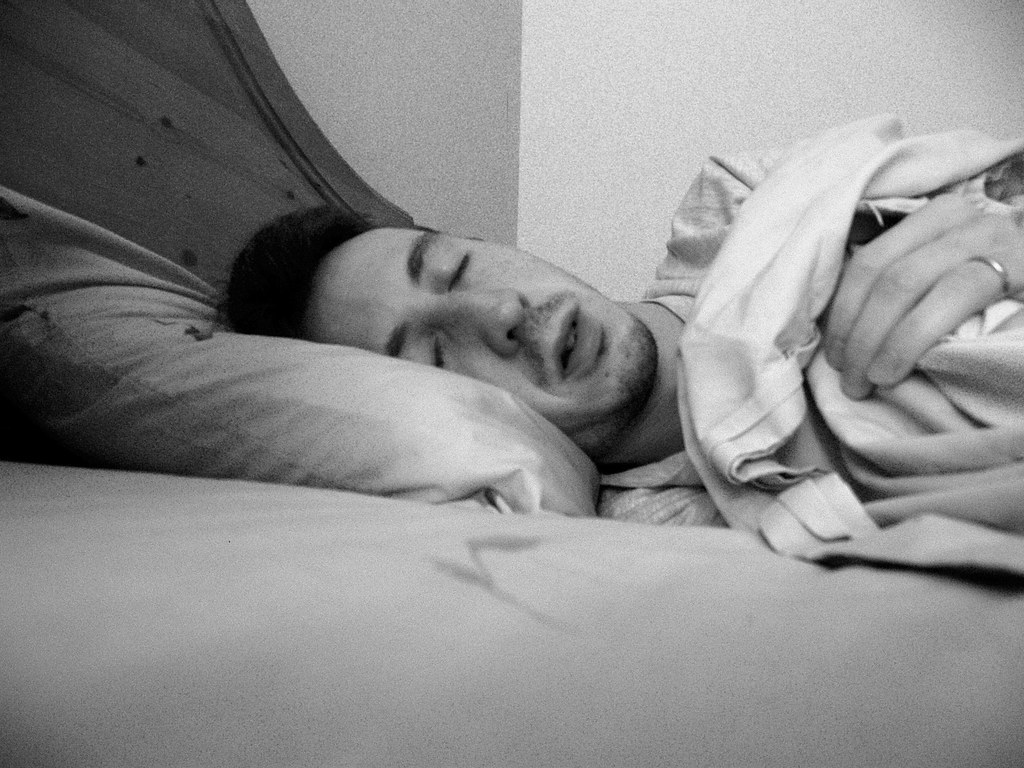
So whether you're a sleepless sleeper or just curious about the influence of sleep on the health of your hair, grab a cup of coffee (or tea) and get ready to dive into the wild world of her and sleep!
Can sleep deprivation cause hair loss?
Sleep is an essential part of our general health and well-being. It helps our body to recharge, refresh and regenerate. Sleep, however, is also an important factor for the health of our hair. The relationship between sleep and hair loss is complex and a lack of sleep can lead to various problems related to the health of the hair.
Hair loss can be caused by various factors including genetics, age, hormonal changes and lifestyle factors such as stress, diet and sleep deprivation. Sleep deprivation can interfere with the normal functioning of the hair follicles, which can lead to hair loss.
What problems can cause sleep deprivation regarding hair loss?
1. Hormonal imbalance: Sleep deprivation can cause hormonal imbalance, leading to changes in testosterone, cortisol and other levels. hormones In the body. These changes can affect hair growth and contribute to hair loss.
2. Stress: Lack of sleep can increase stress levels, which can cause hair loss. Stress can cause haarzakjes come to rest, leading to temporary hair loss.
3. Inflammation: Sleep deprivation may occur inflammation in the body, which can also contribute to hair loss. Inflammation can cause the hair follicles to shrink, leading to hair loss.
4. Deficiencies nutrients: Sleep deprivation can also lead to nutrient shortages, which can affect the health of the hair. Deficiencies nutrients can cause hair to become weak and fragile, leading to hair loss.
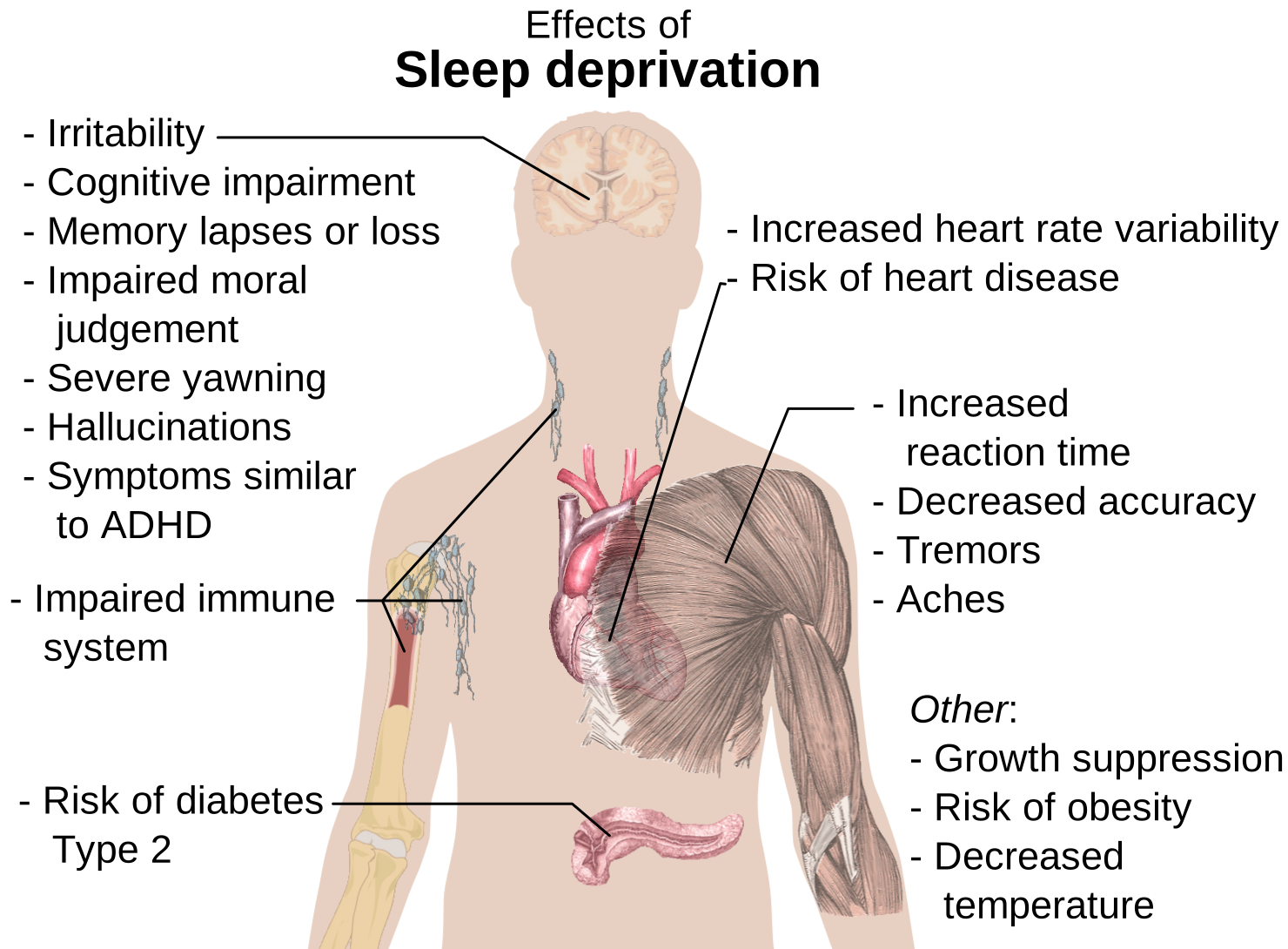
Stress and sleep deprivation often go hand in hand. For example, if you have work-related problems, stress can keep you awake at night and lead to hair loss at the same time.
Insomnia and hair loss are both expressions of stress and therefore often go together. In addition, sleep deprivation can increase stress levels, increasing the problem.
When stress causes hair loss, this often leads to thinning hair all over the head. But once the stress is gone, the hair usually grows back. It may take you six months to see noticeable results, so it's important to be patient.
Unfortunately, stress can also hereditary hair loss in both men and women. If you can solve the stress factors in your life, your hair loss should decrease and you will probably sleep better.
How to combat sleep deprivation to prevent hair loss?
If you suffer from sleep deprivation, there are several things you can do to prevent sleep deprivation and hair loss:
1. Improve sleep quality: Try to get a full night's sleep and strive for 7-8 hours of sleep per night. Make sure your sleeping environment is conducive to sleep, with a comfortable bed, a quiet room and a cool temperature.
2. Reduce stress: Try to reduce stress in your life by relaxation techniques to practice, such as yoga, meditation or deep breathing.
3. Eat a healthy diet: Eat a diet rich in vitamins and minerals, especially those essential to the health of the hair, such as biotin, vitamin C and Iron.
4. Move regularly: Body movement can help to reduce stress, improve sleep quality and boost overall health, all of which can help to prevent hair loss.
5. Limit stimulants: Limit your intake of caffeine, alcohol and nicotine, because these stimulants can disrupt sleep quality.
Supplements to help with sleep deprivation
1. Melatonin: Melatonin is a hormone produced by the body to regulate sleep. Taking a melatonin supplement before bedtime can help to improve sleep quality and prevent hair loss.
In this blog message I go deeper into how melatonin Very promising against hair loss. Are you hereditaryly interested read more here!
2. B-Vitamins: B vitamins, such as B6 and B12, play a crucial role in the production of red blood cells, which are responsible for transporting oxygen to the hair follicles. Taking a B-complex supplement can help to improve your hair health and prevent hair loss.
3. Omega-3 fatty acids: Omega-3 fatty acids are essential for overall health and can help to reduce inflammation, which can contribute to hair loss. Foods with high omega-3 fatty acids include salmon, walnuts and linseed and Fish oil.
4. Iron: Iron is an essential nutrient for healthy hair, because it helps to transport oxygen to the hair follicles. If you're short on iron, you might get hair loss. Eating iron food, such as red meat, poultry and beans, can help to iron deficiency and prevent hair loss.
Conclusion
Lack of sleep may contribute to hair loss, but there are several things you can do to prevent hair loss and improve the health of your hair. By improving sleep quality, reducing stress, eating healthy, moving regularly and limiting stimulants, you can help prevent hair loss and maintain a healthy hairdo.

It is also important to bear in mind that hair loss due to sleep deprivation and other factors may be temporary, and that hair can grow back once the underlying cause is addressed. If you are worried about hair loss, it is always a good idea to talk to a doctor or dermatologist who can help you identify the cause and develop an effective treatment plan.





2 reactions
Pingback:
Pingback: