

Can head lice cause hair loss? What can you do about this?
Your kid comes home from school with a note about head lice in class. Suddenly, you feel your scalp itchy and that while you don't even know if you're infected. Welcome to the world of every parent who has ever had to deal with these small but persistent visitors.
Let's face it. head lice are among those subjects that no one likes to talk about, but which everyone sometimes has to deal with. And then when you hear that they might cause hair loss, the panic strikes. But before you switch to full crisis mode, it's time for some facts instead of fables.
🔬 Main lice Treatment Planner & Tracker
Get a personalized treatment schedule, track your progress and receive daily tips
📋 Personal Data
🐛 Situation Assessment
📅 Your Personal Treatment Plan
Progress: 0%
💰 Estimated cost
Why head lice be such a taboo (and why that is nonsense)
In our society, a main lice plague is still often associated with poor hygiene or neglect. Nothing less true. Head lice have no preference for dirt or clean hair even more, they like clean hair because they can attach to it more easily. These small parasitic insects are simply very good at what they do: survive and reproduce.

The stigma surrounding head lice makes many parents ashamed when their child comes home with it. This shame often means that treatment is delayed or that people are not open about it, thereby promoting dissemination. It's time to crush this taboo and see head lice for what they really are: An annoying but normal part of growing up children.
The Anatomy of a Head lice: Knowing is Can
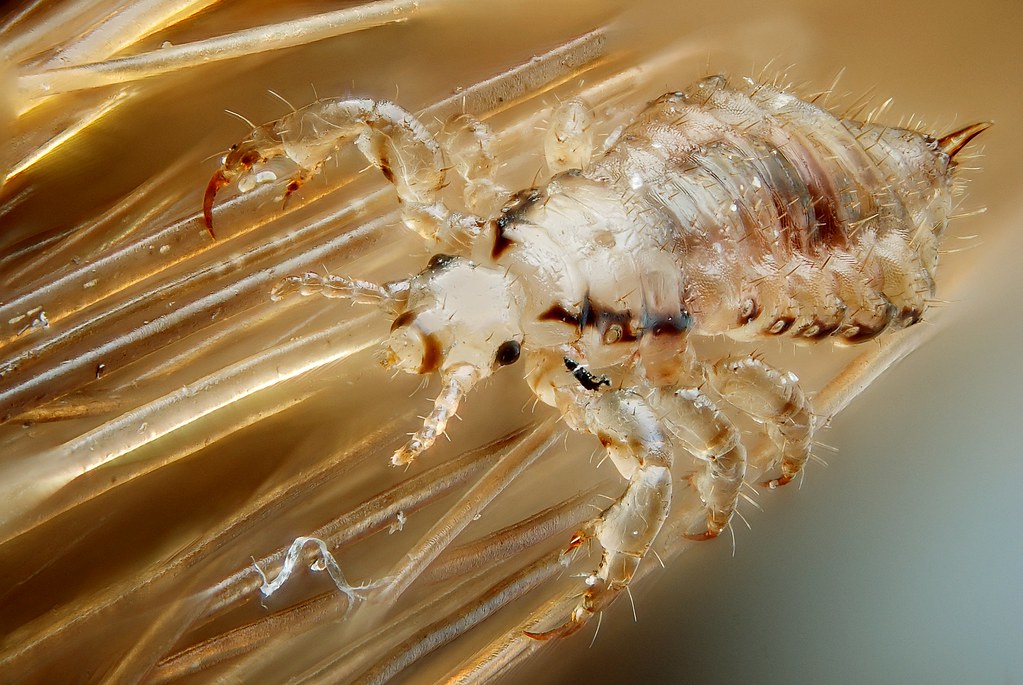
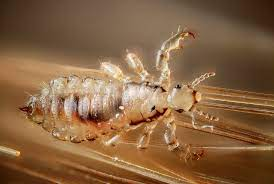
To deal effectively with head lice, it is important to understand what you are dealing with. Head lice are about the size of a sesame seed and vary in colour from light brown to dark grey. They have six legs with claw-like ends that allow them to grip firmly on hair shafts.
These little bugs are surprisingly specialized. They can only live on human scalp and die within 24-48 hours when they have no access to their food source: human blood. This explains why they have adapted so efficiently to life in our hair and why they are so difficult to eradicate.
An adult female louse can lay up to 8 eggs (nets) per day, which she attaches to the hair base with a strong glue-like substance. These netes are white to yellowish in colour and are usually within 6 millimetres of the scalp, where the temperature is optimal for their development.
The Great Hair loss Mystery Ontrafeld
Now we come to the question that concerns many people: can head lice really cause hair loss? The short answer is: in most cases not. Head lice feed on blood from the scalp, not the hair itself. So they do not directly damage the hair follicles and do not cause permanent baldness.
However, the situation is a little more nuanced than this simple answer suggests. However, there are some ways in which a head lice infection can indirectly lead to hair loss:
Scratch damage: This is by far the most common cause of hair loss related to head lice. The intense itching these bugs cause can lead to intense crabs, especially at night when lice are most active. This scratching can literally pull the hair out of the scalp or cause hair to break down.

Skin infections: When scratching leads to open wounds, bacterial infections can occur. In rare cases, these infections can become so serious that they cause temporary hair follicle damage.
Stress-related hair loss: The psychological stress of a persistent head lice disease can in extreme cases contribute to temporary forms of hair loss such as teologists effluvium.
The Dissemination Routes: How Little Bugs Cause Big Problems
Understanding how head lice spread is crucial to both prevention and treatment. Head lice can't jump or fly. They can crawl alone. This means that direct transfer takes place mainly through head-to-head contact, which explains why children are so susceptible.
Schools and daycare centres are ideal breeding places for head lice. Children often play close together, share stuff and have less understanding of personal space. During playing time, group activities or just sitting together, lice get plenty of opportunities to move from one head to another.
Indirect transfer via objects is less common but possible. Head lice can survive briefly on combs, brushes, hats, scarves, headbands and even on cushions or car seats. Although they cannot survive long without a human host, the risk is large enough to take precautions.
Treatment options: From Traditional to Innovative
The landscape of head lice treatments has changed considerably in recent years. Where we used to rely mainly on chemical treatments, we now see a wider range of options, each with their own advantages and disadvantages.
Traditional Chemical Treatments
The classic approach with pyrethrin and permethrin-based products is under pressure due to increasing resistance. Many lice populations have developed resistance to these substances, significantly reducing their effectiveness. In addition, these treatments can cause skin irritation and are not suitable for pregnant women or children under two years of age.
New Generation Treatments
Modern alternatives such as dimethicon-based products work through a physical mechanism instead of chemical. They literally suffocate the lice by closing their breathing vents. This mechanism makes resistance much less likely.
Natural and Home remedies: Reality vs. Marketing
The market is flooded with "natural" head lice treatments, from essential oils to mayonnaise and olive oil. Although some of these substances can work theoretically (especially those with a suffocating effect), scientific evidence of their effectiveness is often limited.
Essential oils such as tea tree oil, lavender and eucalyptus are often promoted as natural lice killers. Although some studies suggest that certain oils may reject or kill lice, the concentrations required are often so high that they can cause skin irritation.
The Psychological Impact: More Than Just Ituk
What is often overlooked with head lice pads is the emotional and psychological impact, especially on children. The stigma, the shame and the feeling of being "vies" can have profound effects on the self-image of a child.
Children can be bullied at school, feel excluded or even refuse to go to school for fear of the reactions of classmates. Parents often experience feelings of failure, frustration and exhaustion, especially when treatments are not immediately successful.
This stress can manifest itself in various forms of hair loss. Trichotillomania (the unconscious removal of hair) can occur in response to stress or anxiety. Also diffuse hair loss due to stress is possible, although this usually becomes visible only weeks after the stressful period.
Prevention: The First Defence Line
Preventing is better than cure. Effective prevention is about awareness, hygiene measures and breaking the transfer chains.
Education as a weapon
Learning kids about head lice doesn't have to be scary or dramatic. Explain that lice are little bugs who like to live in her, just like birds like to live in trees. Tell them it has nothing to do with being dirty and it can happen to anyone.
Practical prevention measures
Using personal items like combs, brushes and hats together is an important risk factor. Teach children to use their own things and not to borrow others'. This also applies to helmets, caps and headbands.
Regular checks are essential. Make checking your children's hair part of the weekly routine, especially during school outbreaks. Early detection makes treatment much easier and more effective.
Treatment vs. Hair Health: Finding the Balance
One of the main concerns of parents is whether the treatment of head lice will damage their child's hair. This concern is not unfounded . . . some treatments may indeed affect the hair.

Chemical Treatments and Hair Damage
Strong chemical treatments can dry the hair and make brittle. This is particularly problematic with repeated treatments or when instructions are not followed correctly. Overtreatment may lead to hair fracture and temporary dilution.
Mechanical Damage Through Combing
The use of lice combs, although essential for effective treatment, can also cause hair damage. Wet hair is more vulnerable and can break more easily when it is vigorously combed through. It is important to be patient and use conditioner to facilitate the combing process.
Protective measures
To minimise hair damage during treatment, it is important to condition the hair well before combing, treat small sections simultaneously and never comb dry or unconditioned hair. Also avoiding hot hair dryers immediately after treatment can help to prevent the hair from drying out further.
The Role of Nutrition and General Health
What many people don't realize is that the general health of your hair and scalp can play a role in both sensitivity to head lice and recovery after a plague. A healthy scalp is more resistant to irritation and infections.
Nutrition plays an important role in hair health. Vitamins such as biotin, vitamin D, iron and zinc are essential for strong, healthy hair. When the hair is already weakened by nutritional shortages, it is more vulnerable to scratching or treatment damage.
Hydration is also crucial. A well hydrated scalp is less sensitive to irritation and heals faster from small wounds caused by crabs.
When to Search Professional Help?
Although most head lice pads can be treated at home, there are situations where professional help is required. If multiple treatments have failed, if there are signs of secondary infections, or if there is actual significant hair loss, it is time to consult a doctor.
Dermatologists can prescribe strong medications that are not freely available, and they can also assess other causes for hair problems that coincide with lice plague.
The Future of Head lice Treatment
Science does not stand still in the fight against head lice. New treatment methods are being developed continuously, from heat treatments to innovative topical formulations. Some clinics now offer heat treatments that kill the lice and net without using chemicals.
The development of resistance-proof treatments is also high on the agenda of researchers. Understanding the genetics of lice helps to develop treatments against which no resistance can arise.
Conclusion: Perspective Maintaining in the Battle Against Head lice
Head lice are undoubtedly annoying, but they are not dangerous and rarely cause permanent hair damage. The fear of hair loss from head lice is largely unfounded, although caution in treatment is important.
The important thing is to see head lice for what they are: a temporary problem with proven solutions. With the right approach, patience and sometimes some professional help, any lice plague can be overcome without lasting damage to its or self-confidence.
Remember, almost every parent ever has head lice to deal with. It's a normal part of having children in our society. By being open to the problem, knowing the facts and acting appropriately, we can break the stigma and ensure that head lice remain what they have always been: A little temporary annoyance in the big story of raising children.
Remember: You're not alone in this fight, and with the right information and approach, you'll come out stronger with your hair and your confidence intact.


You might like this too.
All about postpartum hair loss! Can you stop it?

Fantastic Hair Transformation with Dutasteride, Minoxidil and Derma Rolling


