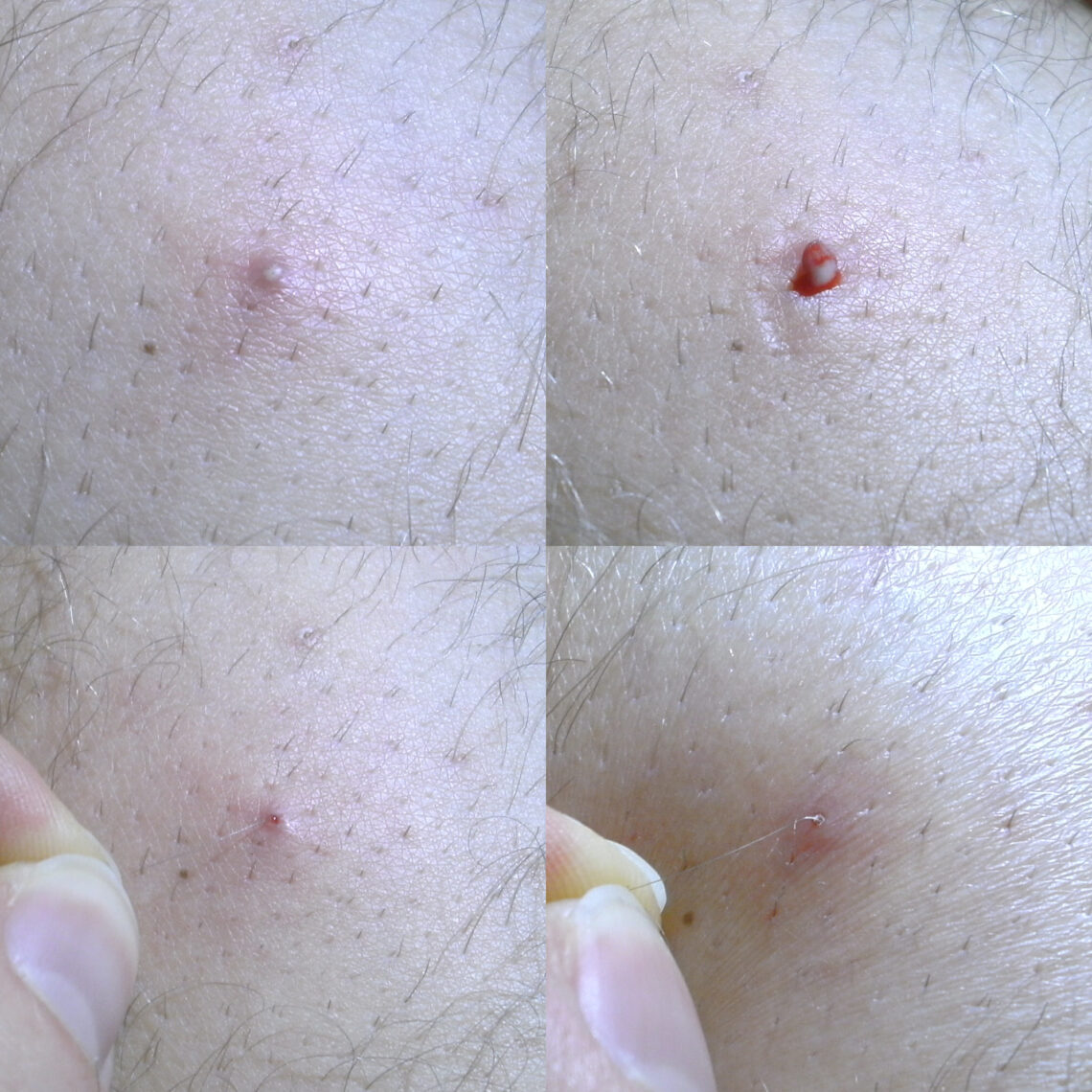
Alles over ingegroeide haren! Hoe kun je ze voorkomen?
The Ultimate Guide to Ingrown Hares: From Prevention to Healing
Ingrown hair. They irritate. They're igniting. They're ruining your day.
But they don't have to win.
Let's come straight to the point: Ingrown hairs are a painful problem that affects almost everyone. Whether you're shaving, resinating or using other hair removal, these nasty intruders can conquer your skin.
Don't worry. This guide gives you everything you need to know. No fluff. 🚀
This video Doctor Youn Explain quickly how to prevent ingrown hair.
What Is An Ingrown Hair (And Why Do You Get It)?
An ingrown hair is exactly what it sounds like:
A hair that grows back in your skin instead of out.
The result? Red bumps. Inflammation. Pain.
Why do you get them?
• Curly or stiff hair Bend back to the skin before • Wrong shaving too short or against hair growth in • Resin hair breaks down under the skin • Tight clothing Friction worsens the problem • Dry or irritated skin Oh, my God.
Know your enemy. Then you can win. 💪
• Pus or other signs of infection
• Painful bumps that don't disappear
• Skin changes around the ingrown hair
The Real Cause of Ingrown Hares
Let's dig deeper.
The problem starts with your hair follicles. They're designed to grow her in one direction: out.
But what happens to an ingrown hair?
- You remove the hair (shaving, resins, epilation)
- The new hair begins to grow
- Instead of going straight, it makes a U-turn
- The hair penetrates your skin
- Your immune system is responding: inflammation, redness, pain
This isn't a coincidence. It's an anatomical problem affecting millions of people.
And how your skin looks? That's just the tip of the iceberg.
Fastest Way To Heal Ingrown Hair
Are you in trouble now? Let's do this right now:
- Hot compresses Soothes the skin, opens pores
- Careful exfoliation . . removes dead skin cells
- Hydratatie Odour prevents dehydration and irritation
Pro tip: Stop shaving in the affected area until it's healed!
Accelerate the cure? Use products with salicylic acid or glycolic acid. They exfoliate softer and more effective than scrubs.
But remember, recovery time varies. Some ingrown hairs disappear within days. Others may take weeks.
Why this difference? Your unique combination of: • Skin type • Hair thickness • Location of the ingrown hair • Previous trauma to the area
Patience is crucial. But that doesn't mean waiting patiently.
The Ingrown Hair Dilemma: Take off or leave?
Here's the truth: taking it off makes sense. But it's usually the wrong answer.
Why not take it off? • Increases infection risk • Can embed the hair deeper • Causes more irritation • Can leave scars
Patience pays off. Let the natural process do its job.
But... there's an exception.
If the hair is clearly visible on the surface and you can remove it without digging into the skin? Then careful removal with sterile tweezers can help.
The keywords here: Sterile and Caution.
The 5 Deadly Prevention Tactics
Rather prevent than cure? That's how you do it:
- Exfolier regularly 2 - 3 times a week to remove dead skin cells
- Shave smart Always with hair growth, never too short
- Keep your skin hydrated Dry skin = more ingrown hair
- Wear loose clothing Less friction = less problems
- Use an electric shaver less close = less risk
These simple habits literally save you weeks of discomfort. Implement them now.
Secret Psychology of Ingrown Hares
Here's something you rarely hear:
Ingrown hairs have a psychological impact.
They cause: • Reduced confidence • Social fear • Obsessive behaviour (constant checking, touching) • Frustration and stress
This emotional burden is real. And it amplifies the physical symptoms.
Stress increases inflammation in your body. More inflammation = worse ingrown hair.
The solution? Treat both physical and mental aspects.
Accept that perfectly smooth skin is a myth. Everyone has skin problems. Even models and movie stars.
Focus on healthy skin, not "perfect" skin.
Ingrown Haar vs. Cyste: Ken The Difference
They look alike. But they're not the same.
Ingrown hair: • Caused by regrown hair • Forms small bumps/pimples • Hair often visible in the middle • Sees where you shave/resist
Cyste: • Liquid-filled bag under the skin • Can vary in size • Not always connected to hair follicle • Could be anywhere
Not sure what you got? Consult a doctor. Self-diagnosis leads to mistreatment.
Exact Steps To Remove An Ingrown Hair
Okay, you got a visible ingrown hair that doesn't just disappear. Here's your action plan:
- Wash your hands thoroughly Preventing infections is crucial
- Apply a warm compress 10-15 minutes, several times a day
- Exfoliate gently Use a soft scrub or chemical exfoliant
- disinfect the area Alcohol or mild antiseptic solution
- Use sterile needle or tweezers only to bring the hair to the surface, not to dig into the skin
- Remove the hair gently only if it is already above the skin
- Apply antiseptic cream Olanzapine
- Leave the area alone. Do not shave or exfoliate for at least 24 hours
Key: If you have any doubts as to whether the hair is difficult to reach, stop.
Ingrown Hares And hair loss: The Hidden Link
A frequently asked question: can ingrown hair cause hair loss?
The short answer: usually not permanent.
The long answer: • Repeated inflammation may lead to scarring • Scarring can hinder hair growth • Chronic folliculitis (inflammation of hair follicles) may cause hair loss
The solution? Consistent prevention. Treat ingrown hair directly. Don't let chronic problems persist.
Scientific Proven Ingredients Working
Not all products are the same. These ingredients have scientific support:
- Salicylic acid (BHA) Odour penetrates deep into pores, dissolves oil, reduces inflammation
- Glycolic acid (AHA) Exfoliates superficially, removes dead skin cells
- Lactic acid Gentler than glycolic acid, ideal for sensitive skin
- Tea Tree Oil Natural antiseptic, reduces bacteria and inflammation
- Aloe Vera Soothes, moisturizes, reduces redness
- Aspirin (solved) It contains salicylic acid, reduces inflammation
- Retinol Olanzapine increases cell renewal, prevents clogged pores
Find products with these ingredients at the right concentrations: • Salicylic acid: 0.5-2% • Glycolic acid: 5-10% • Lactic acid: 5-10% • Tea Tree Oil: 5%
Higher concentrations are not always better. They can irritate the skin.
The Kale Skin Challenge
A bald head doesn't mean the end of ingrown hair. On the contrary.
Optimal care for a bald head: • Regular soft exfoliation • Use an electric shaver instead of razor blades • Hydrate daily • Avoid shaving close
Pro tip: A special brush for scalp exfoliation can do wonders!
Why do bald heads get ingrown hair at all?
- Frequency of shaving daily shaving increases risk
- Skull shape Some forms are more sensitive
- Shaving method Resistance to hair growth in increased risk
- Hair texture Swirls tend to bend back into the skin
The solution varies from one cause to another. Know your specific trigger factors.
Vaseline: Friend or Enemy?
Vaseline gets a lot of attention for treatment. But does it work?
Benefits: • Creates a protective barrier • Decreases friction • Prevents further irritation
Cons: • Does not treat the underlying cause • Can hide pores • Not suitable for long-term use
Optimum use: Apply sparingly after exfoliation or hot compresses.
Best result? Combine with other treatment methods.
The Role of Food At Ingrown Haren
Few people make this connection. But your diet affects your skin.
Foods that may worsen ingrown hair: • Sugar-rich diet • Milk products hampered by hormonal imbalance • Processed foods . . . . . . contain pro-inflammatory ingredients
Foods that can help: • Omega-3 fats (greasy fish, walnuts) Omega-3 oils reduce inflammation • Zinc-rich power supply (pumpkin seeds, oysters) . . • Antioxidant-rich fruit and vegetables • Protect against oxidative stress • Water hydrolyzes from the inside
An anti-inflammatory diet can lower your overall level of inflammation. And that can reduce ingrown hair.
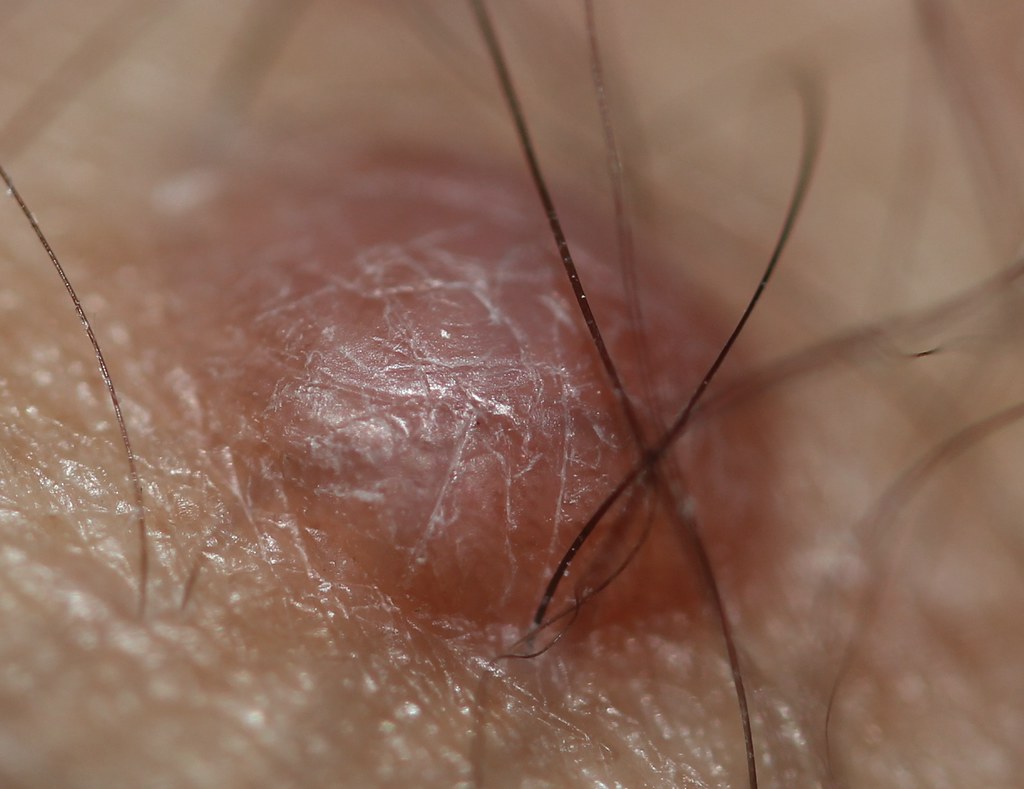
Infections: The Hidden Threat
An untreated ingrown hair can become dangerous.
Warning signs of infection: • Increasing redness • Heat in the area • Pus or secretion • Fever • Increased pain
See these signals? Get medical attention. Self-medication stops here.
What can a doctor do that you can't? • Incision and drainage of infected areas • Prescription of antibiotics (oral or topical) • Sterile removal of deep ingrown hair • Cortisone injections for severe inflammation
Prevention of infection is crucial: • Always use clean instruments • disinfected before and after treatment • Wash your hands thoroughly • Avoid scratching or pinching
Hair Types and Risk Types: Know Your Genetics
Not everyone has the same risk of ingrown hair.
Highest risk: • Curly hair (bends back naturally) • Stug hair (pierce skin easier) • Thick hair (more strength when growing back)
Do you have a high-risk hair type? Extra prevention is crucial to you.
Specific tips per hair type:
For curly hair: • Avoid too short trimming • Use a trimmer with guard instead of razor • Brush regularly to "train" the direction of growth
For stiff hair: • Pre-softs with warm compresses for shaving • Use pre-shave oil to reduce resistance • Shave with light pressure, avoid multiple passes
For thick hair: • Consider permanent hair reduction (laser, electrolysis) • Use razor blades with fewer blades • More exfoliated than people with fine hair
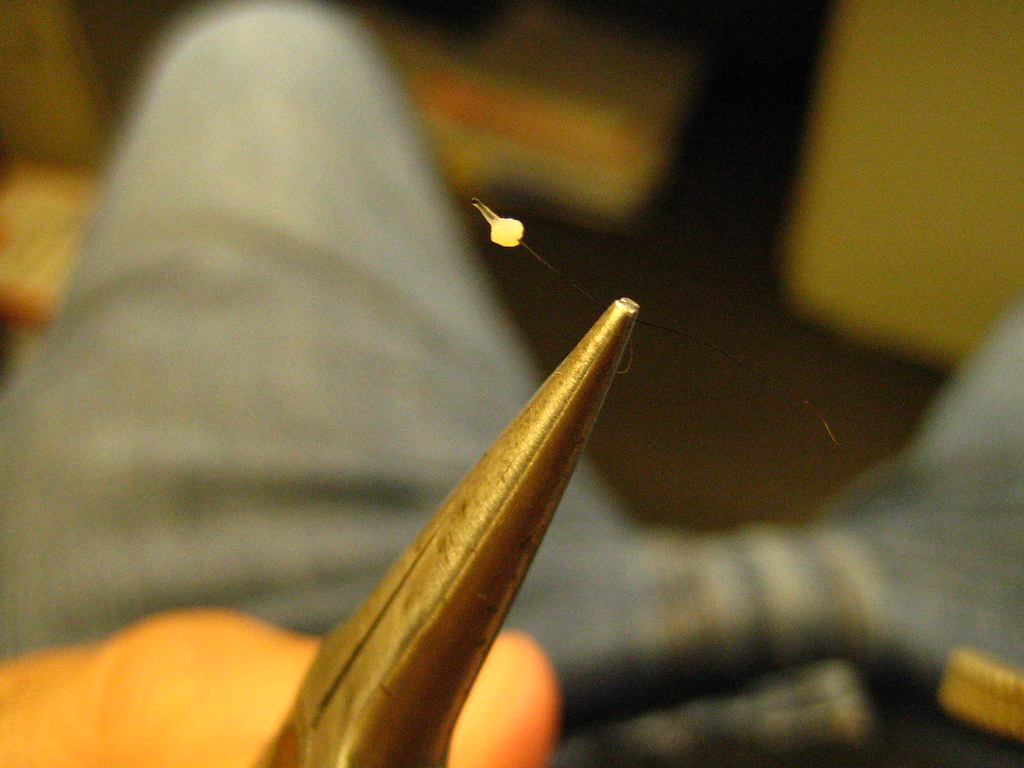
The Natural Recovery Phase
Good news: The hair grows back after an ingrown hair. The natural cycle recovers.
What to expect: • Normal hair growth cycle resumed after healing • New hair grows in the right direction (if prevention follows) • Minimum risk of permanent damage (appropriate treatment)
Patience is key. The recovery process takes time.
Timeline of recovery: • Day 1-3: Inflammation begins to decrease • Day 4-7: Redness significantly reduces • Day 7-14: Hair breaks through the skin or dissolves • Day 14-30: Complete skin healing
Accelerating factors: • Good hydration (internal and external) • Enough sleep • Stress reduction • Consistent skin care
Ingrown Hares And Folliculitis: The Double Threat
Folliculitis . . . . inflammation of hair follicles . . . . . often goes hand in hand with ingrown hairs.
Recognize the difference: • Folliculitis: multiple red bumps, often itchy, clustered • Ingrown hair: usually isolated bumps where you can see where the hair grows in
Treatment overlaps, but chronic folliculitis requires medical attention.
Risk factors for folliculitis: • Excessive sweating • Hot, humid environments (sauna, hot tubs) • Synthetic non-breathing clothing • Certain medicines • Attenuated immune system
Prevention strategies: • Shower right after exercise • Wear breathable cotton clothing • Avoid shared towels or washcloths • Keep hot tubs and hot tubs clean
Professional Treatments: When Home Remedies Not Enough
Sometimes you need professional help. These treatments are game changers:
- Chemical peels Deeper exfoliation than home products can offer
- Microdermabrasion Occurrence removes the outer skin layer, promotes cell renewal
- Laser hair removal • reduces hair growth permanently, eliminates the problem at source
- Electrolysis permanent hair removal ideal for smaller areas
- Corticosteroid injections Reduce severe inflammation quickly
- Medical treatments Antibiotics, retinoids, or other prescription drugs
Costs versus benefits: • Chemical peels: €70-150 per treatment, 3-6 treatments required • Microdermabrasion: €80-200 per session, 6-10 sessions recommended • Laser hair removal: €150-500 per session, 6-8 sessions required • Electrolysis: €60-120 per hour, multiple hours over multiple sessions
Investing in permanent solutions can break the endless cycle of ingrown hair.
Professional Help: When The Doe-It-Self Method fails
When do you need help?
• Persistent or recurrent ingrown hair • Signs of infection • Scarring or hyperpigmentation • Significant pain or discomfort • Cyst formation
Dermatologists have advanced treatments that you can't replicate at home.
Self-care For Chronic Sufferers
Life with repeated ingrown hairs can be frustrating. These strategies help to:
- Develop a consistent routine daily prevention is more effective than occasional treatment
- Invest in quality products Inexpensive in skin care
- Document triggers Keep track of the factors that make your outbreaks worse
- Accept imperfection Perfect skin is a myth, striving for healthy skin is more realistic
- Stress management stress worsens skin problems, find effective relaxation techniques
- Consider permanent solutions enoate laser or electrolysis can provide life-long lighting
Remember: chronic skin problems can be emotionally incriminating. Be kind to yourself.
The Truth About Popular Remedies
The Internet is full of "miracles." Let's separate fact from fiction:
Aspirin pasta Claim: Solves hair, reduces inflammation Truth: Contains salicylic acid, may help, but risk irritation
Toothpaste Claim: Drys pimples Truth: Irritates more than it helps, avoid this
Honey Claim: Natural antibacterial, reduces inflammation Truth: Has antibacterial properties, but sticky and inefficient
Vinegar Claim: Changes pH, kills bacteria Truth: Too acidic for direct application, can cause burns
Coconut oil Claim: Hydrates and has antimicrobial properties Truth: May help moisturize, but comedogen for some
Tea Tree Oil Claim: Natural antiseptic, reduces inflammation Truth: Effective when properly diluted (5%), pure use causes irritation
Evidenne-based remedies work better than anecdotal miracle remedies.
Prevention: The Ultimate 30-Dagen Strategy
You want to deal with ingrown hair once and for all? Follow this 30-day plan:
Week 1: Detox phase • Stop shaving/resins • Daily hot compresses • Soft exfoliation every other day • Hydrate 2x per day
Week 2-3: Recovery phase • Introduce new shaving methods • Daily exfoliation (chemical or mechanical) • Invest in quality products • Wear loose clothing
Week 4: Maintenance Phase • Regular preventive routine • Weekly intensive exfoliation • Daily hydration • Monitoring of problem areas
After 30 days? A new skin. A fresh start.
Ingrown Hair Per Body Area: Specific strategies
Different areas require different approaches:
Face and neck • Use single-blade razor blades • Avoid shaving against hair growth • Consider a beard trimmer instead of razor • Mild chemical exfoliants (2% salicylic acid maximum)
Foil • Shave after showering, never dry • Consider a trimmer instead of a full shave • Avoid deodorant immediately after shaving • Wear cotton clothing to minimize friction
Bikini line • Shave towards hair growth • Use pre-shave oil • Consider professional waxing treatments • Wear cotton underwear
Legs • Shaving exfoliator • Use a fresh razor • Hydrate immediately after shaving • Weekly deep exfoliation
Hoofdhuid • Use clipper guards to maintain minimum length • disinfected clippers regularly • Use antimicrobial shampoo • Daily brush with soft brush
DNA and Ingrown Hares: The Genetic Factor
What few people know: Your genetics play a major role.
What we know: • Genetics determines your hair type (curly, stiff, thick) • Some ethnicities have higher prevalence of ingrown hair • Family patterns are visible in sensitivity
This explains why some people never have problems, regardless of their routine, while others struggle despite perfect care.
Does this mean you're powerless? Absolutely not.
Genetics is loading the gun. Lifestyle pulls the trigger.
Conclusion: Your Action Plan
Ingrown hairs need not be a permanent burden. With the right knowledge and consistent approach, you can beat them forever.
Remember these key points: • Prevention is more effective than treatment • Consistent exfoliation prevents most problems • Know the difference between normal and infected ingrown hairs • Find help when self-care is not enough
Implement these strategies today. Your skin will thank you.
Ready to apply this knowledge directly? Start with one simple change: exfoliate tomorrow morning. One step. One change. Big results.
Your skin deserves the best. Don't give it less. 💪
Your Skin, Your Rules
The truth? Every skin is different.
What works for you may not work for others.
Be prepared to experiment. Document what works. Create your own protocol.
The path to healthy, ingrown-hair-free skin is no sprint. It's a marathon.
One last thing: you are more than your skin.
Ingrown hairs don't define you. But they'll strengthen you.
Let's go. You can do this. 🔥
Important disclaimer: This article is purely informative and not intended for medical advice. If in doubt, always consult a doctor or dermatologist for personal advice.


You might like this too.

What is the best Finasteride brand and is there any difference at all?

Does Intermittent Fasting also provide periodic fasting for hair loss or does it help?