The relationship between nicotine and hair loss: what you need to know
Nicotine is a highly addictive chemical found in tobacco products, including cigarettes, cigars and smokeless tobacco. While most people are aware of the health risks of smoking, including lung cancer and heart disease, fewer people are aware of the potential effects of nicotine on hair health.
Although the exact mechanism by which nicotine can cause hair loss is not fully known, it is believed to be related to the effects on blood flow, oxidative stress and inflammation in the body.
In this blog post we explore the theory that nicotine may be a cause of hair loss, we investigate what the research says about the effects on the hair and discuss other possible dangers of nicotine use.
The theory behind nicotine as the cause of hair loss
The theory behind nicotine as a cause of hair loss is that it can negatively affect the blood vessels that supply the hair follicles with blood and nutrients. Hair follicles need a constant supply of oxygen and nutrients for healthy hair growth, and anything that disrupts this supply can lead to hair loss.
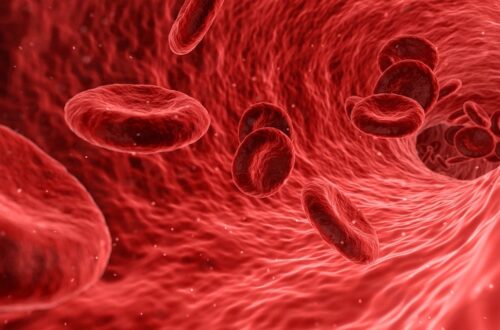
nicotine has been shown to have vasoconstrictive properties, which means it can narrow blood vessels and reduce blood flow to different parts of the body, including scalp. This reduced blood flow to the hair follicles can lead to decreased action and ultimately hair loss.

In addition, nicotine is known to increase oxidative stress and inflammation in the body. Oxidative stress occurs when there is an imbalance between the production of harmful free radicals and the ability of the body to neutralize them with antioxidants. This can cause damage to cells and tissues throughout the body, including the hair follicles. Inflammation is also associated with hair loss, as it can disrupt the normal hair growth cycle and put the hair into an early rest phase.
Although the exact mechanism by which nicotine can cause hair loss is not fully known, it is believed to be related to the effects on blood flow, oxidative stress and inflammation in the body.
What does research say about the possible effects of nicotine on hair health?
There are a few studies that investigate the potential effects of nicotine on hair health, although more research is needed to fully understand the relationship.
One study, published in the Archives of Dermatology in 2007, showed that smoking was associated with an increased risk of baldness in men under 30 years of age. The study followed over 800 men, and those who smoked were more likely to have premature male baldness than non-smokers. The researchers assumed that the connection could be due to the negative effects of smoking on the blood vessels and the resulting decrease in blood supply to the hair follicles.
Another study, published in the Journal of Investigative Dermatology in 2002, showed that smokers had less hair density than non-smokers. The study analysed biopsies of the scalp of smokers and non-smokers and found that smokers had significantly fewer hair follicles per square inch scalp than non-smokers. The researchers suggested that this could be due to the negative effects of nicotine on the hair growth cycle.

A more recent study, published in the International Journal of Trichology in 2019, investigated the effects of smoking and alcohol consumption on hair loss in men. The study showed that both smoking and alcohol consumption were significantly associated with hair loss, with smokers at higher risk of hair loss than non-smokers. The researchers suggested that the negative effects of smoking and alcohol on the blood vessels and the resulting decrease in blood supply to the hair follicles could be the underlying mechanism.
Although these studies indicate a possible link between nicotine and hair loss, it is important to note that other factors may also contribute to the relationship. Smoking is associated with increased oxidative stress and inflammation in the body, both of which can affect the health of the hair. More research is needed to fully understand the potential effects of nicotine on hair health and to determine the underlying mechanisms.
What are other potential risks of nicotine use?
In addition to the potential effects on hair health, nicotine use is associated with a range of other potential hazards.
One of the most famous dangers of nicotine use is the addictive effect. Nicotine is highly addictive, and regular use can lead to dependence and withdrawal symptoms when trying to stop. This may make it difficult for people to stop taking nicotine, even if they are aware of the potential health risks.
Nicotine use is also associated with an increased risk of various health conditions, including heart disease, strokes, lung cancer and other types of cancer. It can also contribute to the development of respiratory problems such as chronic bronchitis and emphysema.
In addition, nicotine use may have adverse effects on reproductive health. Women who smoke or use nicotine products during pregnancy are at increased risk of complications such as premature birth, low birth weight and stillbirth. Nicotine use in men can also reduce sperm count and motility, making it harder for them to father children.

Nicotine use can also have negative effects on teeth. It can contribute to the development of gum disorders and tooth decay, as well as stains and discoloration of the teeth.
While more research is needed to fully understand the potential dangers of nicotine use, it is clear that regular use of nicotine products can have negative effects on both physical and reproductive health, and can contribute to a series of chronic health problems.
Conclusion
Although more research is needed to fully understand the potential effects of nicotine on hair health, it is clear that smoking and other types of nicotine use involve a range of health risk derivatives. If you are concerned about hair loss, it is important to talk to a doctor about possible underlying causes and treatment options. And if you are using tobacco products, stopping smoking or using nicotine replacement therapies may have numerous health benefits, including possibly a better health of your hair.


You might like this too.

Hair loss after Gastric Bypass: What No One Tells You (But Should)

Is the Keto diet good or bad for hair loss?