


The Full Guide on Chemotherapy and Hair loss: What No One Tells You
Let's get right to the point.
Cancer treatment is hard enough without worrying about your appearance. But for many, hair loss becomes that visible sign of what they're going through.
Today I'm treating everything you need to know about chemotherapy and hair loss. No sugar. Just practical advice you really need.
Watch first this handy video of Dr Tasha Who explains how to deal with hair loss from chemo.
Chemotherapy Hair loss: Why It Happens
First, let's understand the enemy.
Chemo makes no distinction. It targets fast-growing cells, mainly cancer cells, but also the cells in your hair follicles.
The result? Hair loss.
But this is what most doctors don't explain clearly:
- Your scalp contains about 100,000 hair follicles
- Chemomedics put these follicles in a "rest phase"
- When the follicle rests, the hair shaft weakens
- Even in the end, even gentle brushing can cause hair to fall out.
It's not your fault. It's chemistry.
What chemo hair loss? Not All Treatments Are Equal
The hard truth: Not all chemotherapy causes hair loss. Use this profile below to get clarity and a concrete action plan.
Your Personal Chemo Hair loss Profile
In 30 seconds insight into what to expect
Your Personal Results
Based on your answers
Expected Timeline
First sign: Day 14-17
Significant hair loss: Day 21-28
Regrowth Expectation
First sign: 4 weeks after last treatment
Full regrowth: About 12 months
Chance of chemo curls: 65%
Top 3 Personal Tips
- Use a silk pillowcase to minimize hair fracture
- Cut your hair shortly before treatment
- Ask your insurer for fees for wigs (until €452)
High-risk medicines for hair loss:
- Doxorubicin (almost 100% probability)
- Paclitaxel (Taxol)
- Docetaxel (Taxotere)
- Cyclophosphamide
Drugs with lower risk:
- 5-Fluorouracil (5-FU)
- Methotrexate
- Capecitabine (Xeloda)
Almost no hair loss:
- Bleomycin
- Vincristine
- Many targeted therapies
Ask your oncologist directly: "What is the chance of hair loss in my specific protocol?"
Don't settle for vague answers. Ask for percentages. Plan accordingly.
After how much chemo hair loss? The Timeline You Must Know
When does it start? Here's your timeline:
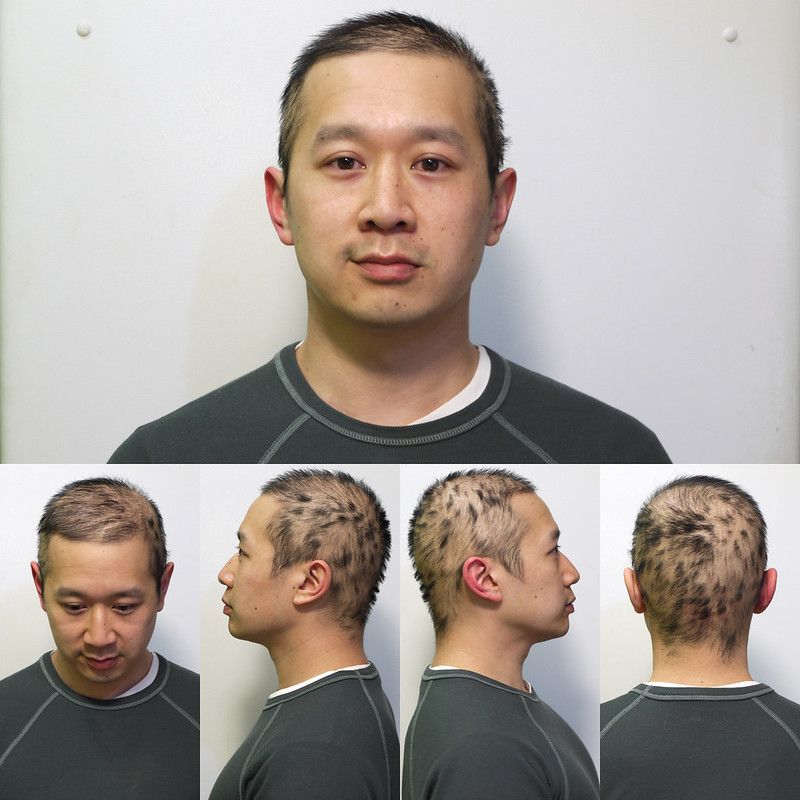
2-3 weeks after first treatment: You might notice more hair on your pillow or brush.
Around Week 4-6: Most people experience significant hair loss.
1-2 months: If hair loss is going to happen, it's usually completely at this point.
Pro tip: The drop-out phase is often the most emotionally challenging. Having a plan before it starts can make a world of difference.
Most patients report that their scalp feels sensitive or tingling just before hair loss begins. Consider this your early warning signal.
Chemo without hair loss: Is it possible?
Can you completely avoid hair loss? Sometimes.
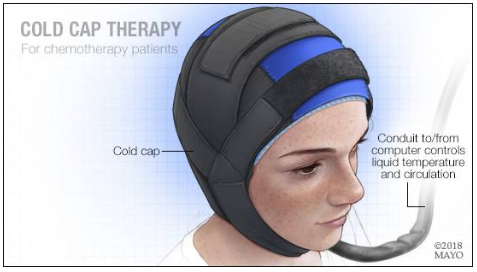
Cold cap therapy has shown promising results:
- Reduces blood flow to hair follicles during treatment
- Reduces the amount of chemotherapy reaching follicles
- Percussion rates range from 50-80% depending on your specific treatment
Important: Cold caps work better with some chemo regimens than others. They are also:
- Not always covered by insurance
- Can be uncomfortable (think of brain freezing for hours)
- Demand that you arrive early and stay late for treatments
Is it worth it? Only you can decide that.
Chemo Hair loss Eyebrows: More Than Just Your Head
Here's what nobody tells you: chemo affects ALL the hair.
This means:
- Eyebrows may shrink or disappear
- Wimpers may fail
- Body hair decreases
- Facial hair (for men) may become thinner or fall out
Specific for eyebrows:
- Start with brow make-up before they become thinner (exercise makes art)
- Consider microblade as a semi-permanent solution
- Use eyebrow templates for consistency
- Remember: Eyebrows framed your face ♪ They're more important than you think
Chemo Hair loss Prevention: Prevention strategies
Can you completely prevent hair loss? Rare. But you can minimize the impact:
Head skin cooling: As mentioned above, cold caps can help some patients.
Minoxidil (Rogaine): Studies show mixed results. It does not prevent the first hair loss but can accelerate the regrowth.
Soft Haircare:
- Switch to wide-tooth combs
- Use sulphate-free, soft shampoos
- Avoid heat styling completely
- Sleep on a silk pillowcase to reduce friction
Supplements: Be careful. Always consult your oncologist before taking:
- Biotin
- Collagen
- Vitamin D
- Omega-3 fatty acids
Remember: Nothing must interfere with your cancer treatment. Hair grows back. Your health comes first.
Chemo Hair loss Beard: What Men Should Know
Men have unique challenges with chemo-related hair loss.
The reality:
- Facial hair is often lost along with head hair
- Beard hair can grow back with other texture or color
- The regrowth timeline may vary considerably
Practical advice for men:
- Consider shaving your beard before treatment begins
- Use soft cleaners and moisturizers on your face
- Be prepared for irregular regrowth in the beginning
- Remember that beard hair often returns faster than head hair
Many men discover that embracing a smooth shaved look during treatment eliminates the stress of gradually seeing facial hair fall out.
The Great Cold Cap Dilemma: What You Must Know Before Your Decision
Cold cap therapy is getting more attention. But does it really work? Here's the in-depth analysis no one gives you:
How it works exactly:
- The scalp is cooled to approximately 3-5°C
- This cold narrows blood vessels in the scalp
- Reduced blood flow = less chemo reaching the hair follicles
- Follicles in "winter sleep" are less susceptible to damage
The Dutch situation:
- Many Dutch hospitals offer scalp cooling
- Most health insurers compensate for the treatment
- However, not all departments have the equipment
- Withdrawal periods may be due to limited availability
Percussion rates per chemotype:
- Anthracyclines (such as doxorubicin): 50-65% success
- Taxians (such as paclitaxel): 70-85% success
- Platinum compounds: 80-90% success
- Combination treatments: percentage drop to 40-60%
What patients rarely hear:
- The cap should be applied 30-45 minutes before infusion
- You have to stay 90-120 minutes after treatment for cooling
- Headache and brain freeze are very common
- Some patients stop due to discomfort
The decision to try cold cap therapy is personal. For many, retaining any hair is worth the extra time and inconvenience. For others it will be an extra load during already heavy treatment.
What No One Tells You About Hair Regrowth After Chemo
The comeback story starts about 3-6 weeks after your last treatment.
But here's the reality check:
First growth phase (1-2 months):
- Often appears as fine, soft "baby hair"
- May be darker or lighter than your original color
- May be more curly or judge than before
- Feels like down hair.
Second growth phase (3-6 months):
- Hair gets thicker and stronger
- More of your natural texture can return
- Growth rate increases to normal (approximately 1.3 cm per month)
- Color can still be different than before
Full regrowth (12-18 months):
- Most people have full hair at this point
- New normal texture and color settle
- All chemoinduced changes usually stabilize
The most surprising fact? About 65% of patients report their hair growing back differently than before. Steep hair gets curly. Dark hair grows back lighter. This is temporary for some, permanent for others.
The Chemo Curly: The Phenomenon That No One Understands
One of the most fascinating but least discussed aspects of hair growth after chemotherapy is the phenomenon of "chemo curls."
What are chemo curls?
- People with previously steep hair suddenly develop curls
- The texture is often different.
- The curls may be tight or loose
- They can be temporary (6-12 months) or permanent
Why is this happening? Scientists have different theories:
- Follicle change: Chemotherapy changes the shape of the hair follicle, resulting in a differently shaped hair channel.
- Protein structure change: The proteins that determine the hair structure (keratines) are produced differently.
- Hormonal influences: Chemo can temporarily affect hormone production, which has an effect on hair growth.
- Genetic expression: Certain "sleeping" genes can be activated by the stress of chemotherapy.
A small study in the Netherlands followed 28 patients following chemotherapy and found that:
- 78% reported texture changes
- 63% developed more curls than before treatment
- At 42% the changes were still present after 2 years
Although chemo curls are an undesirable change for some, many patients see it as a symbol of survival and a fresh start.
Your Emotional Survival Guide For Hair Loss
Let's talk about the elephant in the room: Hair loss hurts emotionally.
It's not vanity. It's identity.
Strategies that really help:
1. Take control before it takes you
- Consider a preventative haircut
- Shop for head covers before you need them
- Take pictures of your current hair (for later reference)
2. Allow yourself to mourn
- Hair loss is a legitimate loss
- Recognising the emotions makes them easier to process
- Imagine a time limit for how long you allow yourself to feel bad about it.
3. Find your hair loss community
- Online support groups
- Local cancer centres often have workshops on appearance
- Make contact with others who really understand
4. Prepare answers to questions/comments
- Have a short explanation ready for strangers
- Decide how much you want to share
- Remember: You don't owe anyone an explanation.
The Microblading Revolution: Permanent Eyebrows During Chemo?
The loss of eyebrows can be surprisingly impactful. They frame our faces and give expression. Luckily, there's microblade.
What is microblade?
- Semi-permanent tattoo technique for eyebrows
- Used fine needles to make hair precision stripes
- Results last 1-3 years depending on skin type
- Looks more natural than traditional eyebrow tattoos
During chemotherapy:
- Some oncologists advise to wait until after treatment
- Others give consent if blood levels are acceptable
- Timing is crucial hindered before hair loss or after regrowth
- Infection risk should be discussed with your medical team
Benefits specific to cancer patients:
- Eliminates daily makeup routine during tiring period
- Psychological boost You look more like yourself
- Do not worry about wiping during nausea/ vomiting
- Consistent appearance during treatment
Costs and practical considerations:
- €350-€750 in the Netherlands, depending on the salon
- Often not covered by insurance (as considered cosmetic)
- Careful examination of the technician is essential
- Ask for experience in cancer patients
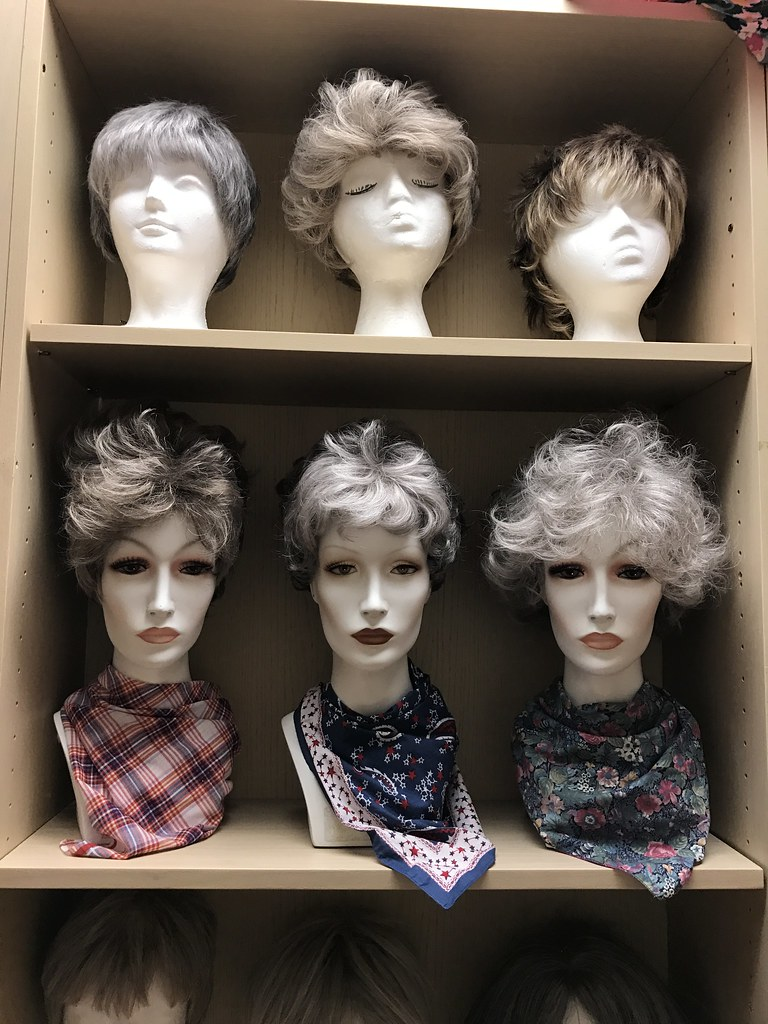
Many cancer patients call microblading one of their best decisions during treatment, despite the costs.
The Practical Toolkit: What You Got To Buy Now
Stop wasting money on products that don't work. Here's what really helps:
Essential purchases:
- 2-3 soft cotton or bamboo caps before sleeping
- A silk cushion cover (reduces friction and fracture)
- Soft, sulphate-free shampoo
- SPF 30+ sunscreen for your scalp
- Wenkbrow pencil/powder (even if you don't normally wear makeup)
Worth considering:
- 1-2 stylish main wraps or scarves
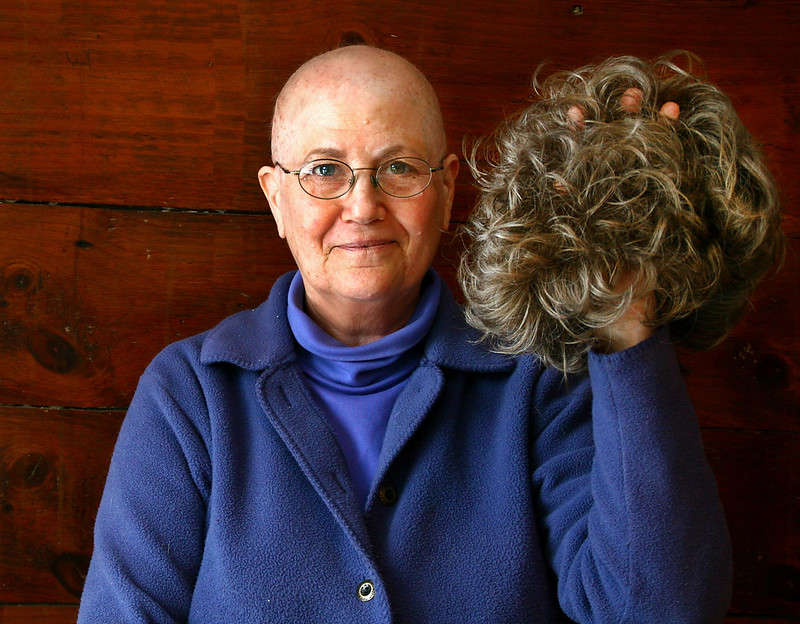
- A wig (real hair or synthetic)
- Browse templates or stamps
- Wimp serum (doctor approved)
- Cooling gel for scalp discomfort
Pro tip: Many cancer centers have appearances that offer free head covers and makeup. Ask your nurse specialist.
Wigs in the Netherlands: The Ultimate Guide No One Gives You
Choosing a wig can be overwhelming. Here's what you should know specifically in the Netherlands:
Compensation by health insurers:
- Basic insurance: Compensation up to approximately €452 for a wig
- Additional insurance: Some offer additional remuneration
- Own risk: The fee falls under your own risk
- Recipe: You need a prescription from your doctor.
Where to buy in the Netherlands:
- Specialist wig shops (often with private appointments)
- Large hospitals sometimes have wig service
- Online options exist, but fitting is recommended
Synthetic vs. real hair:
- Synthetic: €300-€800, less maintenance, shorter service life
- Real hair: €1000-€3000, more natural, more styling options
- Hybrid options: €800-€1500, combining benefits of both
Insider tips:
- Go shopping before hair loss starts (emotionally easier)
- Take someone whose opinion you trust
- Ask for "toppers" you can add small hairpieces for volume
- Consider two wigs if your budget allows (for variety)
- Ask about the "donor hair" origin of real hair wigs
Maintenance specific to the Netherlands:
- Our humid climate can make synthetic wigs deteriorate faster
- Crane water in the Netherlands is hard and can influence wigs
- Consider demineralised water before washing
- Do not store your wig in the bathroom (too humid)
Many people discover that a combination of wigs for special occasions and comfortable headscarves for everyday use works best.
New Scientific Developments in hair loss prevention
Science doesn't stand still. Here are promising developments that you may not have on your radar:
1. Improved cooling technologies
- New generation cooling caps are more comfortable
- Computer-guided temperature control improves results
- Some systems reach up to 89% retention in certain chemotherapy regimens
2. Topical Medicine
- Bimatoprost (known for Latisse for eyelashes) is being studied for scalp
- Minoxidil with modified formulas specific to chemotherapy patients
- Peptide-containing serums show early promising results
3. Low Power Laser Therapy (LLLT)
- Stimulates follicles via "photobiomodulation"
- Portable options such as laser combs and helmets
- Small studies show potential for hair growth during recovery
4. Genetic Interventions
- Research on follicle-specific genetic "switches"
- Potential to put follicles to sleep before treatment
- Experimental medicines providing targeted protection
5. Microbiome Approaches
- New research on scalp microbioma (bacteria)
- Microbiome disturbance coupled to increased failure
- Probiotic treatments in early study phases
Ongoing clinical trials in the Netherlands:
- Amsterdam UMC investigates optimised cooling protocols
- Erasmus MC tests new topical formulas
- Antoni van Leeuwenhoek evaluates laser interventions
Although most of these approaches are not yet generally available, they show that there is hope for better solutions in the near future.
The Psychological Impact: Further Than The Appearance
Let's dive deeper into the emotional aspects of hair loss during cancer treatment.
The hidden emotional layer:
- Hair loss can trigger grief feelings about diagnosis
- Many patients report feeling a "second diagnosis"
- It often marks a shift from "sickness" to "sickness"
- Partners and family can also struggle with visual change
Gender-specific challenges:
- Women often report greater psychological impact
- Men sometimes struggle in silence because of expectations of "strength"
- Non-binary persons may experience unique identity issues
- Cultural background strongly affects emotional response
Less discussed aspects:
- Intimacy and relationship effects of altered self-perception
- Professional concerns about visible illness at the workplace
- Impact on children seeing a parent change
- "Survivor guilds" when hair loss confronts others with your disease
Which really helps (according to psychooncological research):
- Expressive writing therapy about feelings of hair loss
- Create small, controllable choices in appearance
- "Look Good Feel Better" programs show measurable psychological benefits
- Support groups specifically about body image changes
Although it is easy to say "it is but her," modern oncological care recognises that hair loss has a significant psychological dimension that deserves attention.
Stories van Hoop: After The Storm
Let me share some stories about real people who've been through chemotherapy-related hair loss.
Eva (45, breast cancer): "My greatest fear was not cancer, but that my daughter of 6 would no longer recognize me. We made it a game of "Mama's Hat Parade." She helped me choose every morning. It turned something scary into something special between us."
Marco (38, lymphoma): "As a bald man, I didn't think hair loss would hurt me. But losing my eyebrows and beard changed my whole face. The hardest part was looking in the mirror and seeing a sick stranger. What helped? Sign self-portraits during the process. It gave me back control."
Fatima (29, ovarian cancer): "I decided to donate my hair before it fell out. That one decision completely changed my mindset from victim to someone who could still give, even in crisis. My hair is growing back now, curly than ever, and I call it my battle curls.
Willem (67, colon cancer): "I never thought I'd become a hipster at my age! When my hair grew back, it came back grey and white and very trendy. My grandkids say I look cooler than the cancer. We should be able to laugh, even at this."
These stories share a common thread: finding personal meaning and small victories in the process. They show that there is no "right way to deal with hair loss" just your way.
Practical: What to ask your doctor before you start treatment
Print out this list and take it to your next appointment:
Questions about hair loss for your oncologist:
- What specific percentage of patients with my exact chemotherapy protocol experience hair loss?
- When will hair loss probably start with my specific treatment schedule?
- Is scalp cooling (cold cap) an option for my type of treatment? Why shouldn't I?
- Have you seen any patients with my chemo combination who had no significant hair loss? What was different about their situation?
- Which specific products or interventions have your patients experienced as most helpful?
- Does this hospital offer programs for wigs, head covers or beauty workshops?
- How will hair loss be affected if my dose is adjusted during treatment?
- What signals should I notice that would suggest that my scalp needs extra care?
- When can I expect hair growth to begin after my last treatment?
- Are there clinical trials here or at nearby facilities studying hair loss interventions?
Your Action Plan: What To Do Now
- Talk to your oncology team.
- Ask specific questions about the likelihood of hair loss in your treatment
- Discuss cold cap therapy if interested
- Request a time estimate scenario based on your protocol
- Make practical preparations
- Schedule a short haircut
- Buy soft hair care products
- Consider wigs shopping if interested
- Build your support system
- Identify on whom you will lean emotionally
- Join online support communities
- Connect to a cancer-program
- Focus on the bigger picture
- Remember that hair loss is temporary for most patients
- Create a photo album of inspiring post-chemo hair transformations
- Develop affirmations that enhance your value beyond appearance
The Bottom Line
Chemo hair loss is challenging, but not insurmountable.
With preparation, the right products and emotional support you can navigate this part of your cancer journey with confidence.
Remember: This is temporary. You're not your hair. And you're stronger than you think.
Have you experienced chemo-related hair loss? Share your tips and questions in the comments below.
Disclaimer: This article provides general information and does not replace professional medical advice. Always consult your health team about your specific situation.






3 reactions
Pingback:
Pingback:
Pingback: