

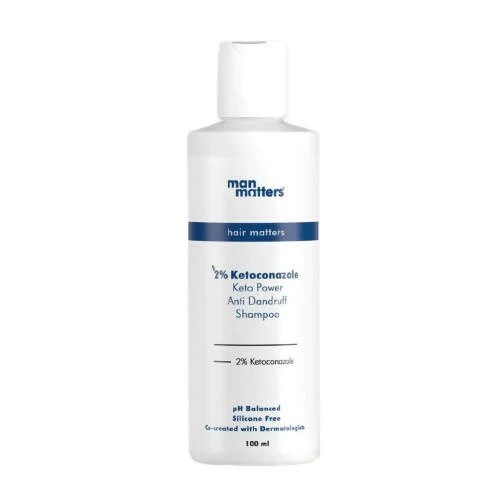
Can ketoconazole shampoo be used as an isolated treatment for hair loss?
Ketoconazole shampoo, primarily recognized for its antifungal properties, has unexpectedly got the spotlight in the world of hair loss treatments due to its potential to inhibit dihydrotestosterone (DHT), a hormone associated with androgenic alopecia.
Although ketoconazole shampoo is promising in DHT inhibition, it is often recommended as part of a comprehensive approach to hair loss. Combining it with other evidence-based treatments can produce more robust results.
In this in-depth exploration we dive into the scientific landscape to understand the degree of DHT blockade by ketoconazole shampoo, to explore frequently asked questions and to draw conclusions based on available research.
What does the investigation say?
Studies supporting DHT inhibition
Several studies have investigated the impact of ketoconazole on DHT levels on the scalp. A study published in the International Journal of Dermatology (1998) showed a significant decrease in DHT levels after the use of ketoconazole shampoo. The study suggested that regular use of ketoconazole shampoo could contribute to a favourable environment for hair growth.

Although some studies show encouraging results, it is essential to recognise the limitations and variations in individual reactions. The duration and frequency of application of shampoo, as well as the overall health of the individual, may affect the results. In addition, the long-term effects and durability of DHT inhibition with ketoconazole shampoo remain areas of active research.
Research suggests that ketoconazole, in addition to its antifungal properties, may exhibit anti-androgenic effects by inhibiting the production of DHT.
However, the exact degree of DHT blockade is the subject of ongoing research. Studies, as published in the Journal of Dermatological Science (1998), have indicated that ketoconazole may reduce the levels of DHT on the scalp, contributing to the potential efficacy in the treatment of androgenic alopecia.
FAQ
How often should ketoconazole shampoo be used for optimal results?
- The optimal frequency of use may vary. Some studies have investigated the effects of taking ketoconazole shampoo two to three times a week. However, individual reactions and tolerances differ, and it is advisable to contact a care professional for personal recommendations.
Can ketoconazole shampoo be used as an isolated treatment for hair loss?
- Although ketoconazole shampoo is promising in DHT inhibition, it is often recommended as part of a comprehensive approach to hair loss. Combining it with other evidence-based treatments can produce more robust results.
Are there any possible side effects associated with ketoconazole shampoo?
- In general ketoconazole shampoo is well tolerated. However, like any product, it may cause skin irritation or allergic reactions in some individuals. If adverse effects occur, it is recommended to stop use and consult a healthcare professional.
Ketoconazole Shampoo vs. Finasteride, which is better?
Effectiveness and Research Results
Ketoconazole Shampoo: Studies, as published in the Journal of Dermatological Science (1998), suggest that ketoconazole shampoo may contribute to a reduction in DHT levels on the scalp. Although the evidence is promising, the degree of long-term effectiveness as a standalone treatment remains an area of ongoing research.
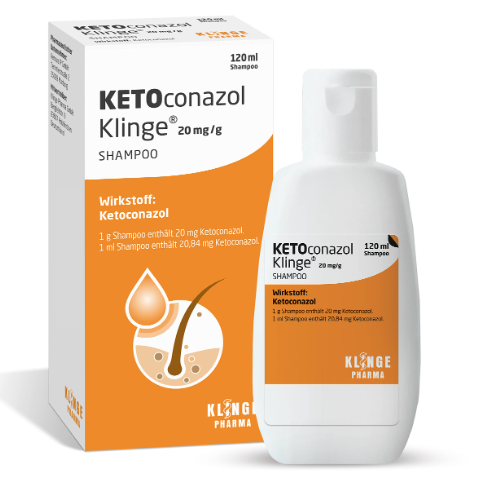
Finasteride: Finasteride has been extensively studied and FDA-approved for the treatment of androgenic alopecia in men. Research indicates that finasteride is effective in reducing hair loss and promoting hair growth. The medicine has demonstrated a higher level of consistency in achieving positive results compared to ketoconazole shampoo.
Recitals: Adverse reactions and Application
Ketoconazole Shampoo: Ketoconazole shampoo is generally well tolerated, with minimal side effects. However, some people may experience skin irritation or allergic reactions. The application includes regular use, usually two to three times a week, as part of the hair care routine.
Finasteride: Finasteride, although effective, is associated with possible side effects, including sexual dysfunction, although not experienced by all users. It is essential that individuals are aware of these side effects and consult a healthcare professional if there are concerns. Finasteride is taken orally, usually as a daily tablet.

Individualised Approach and Consultation
The choice between ketoconazole shampoo and finasteride often depends on individual preferences, tolerances and treatment tips. Some people may choose ketoconazole shampoo as a milder or complementary approach, while others may prefer the systemic effects of finasteride for more robust results. Consultation of a healthcare professional is crucial to determine the most appropriate option based on individual circumstances and health considerations.
Conclusion:
In conclusion, the role of ketoconazole shampoo in DHT-blockade offers a fascinating dimension to its therapeutic potential in addressing hair loss. While research suggests promising results, ongoing studies are essential to deepen our understanding of long-term effectiveness, optimal usage patterns and possible synergies with other treatments.
Individuals who consider ketoconazole shampoo as part of their hair care regimen should approach this with informed expectations, understanding that results may vary and consulting healthcare professionals for personal guidance is wise.
The evolving landscape of hair loss treatments invites continuous exploration, and ketoconazole shampoo, with its versatile benefits, stands as a remarkable player in this quest.
In the search for effective hair loss treatments both ketoconazole shampoo and finasteride offer unique approaches to addressing the role of DHT.
While ketoconazole shampoo is a topical option with promising findings, finasteride stands out as an FDA-approved oral drug with a well established track record of effectiveness.
Ultimately, the choice between the two depends on individual factors, preferences and the advice of healthcare professionals. The constantly evolving landscape of hair loss treatments encourages individuals to explore various options, taking into account both science and their unique needs in the search for healthier, fuller hair.


You might like this too.

Thyme oil as a possible effective treatment of hair loss?

Does Emo oil help to prevent hair loss?


