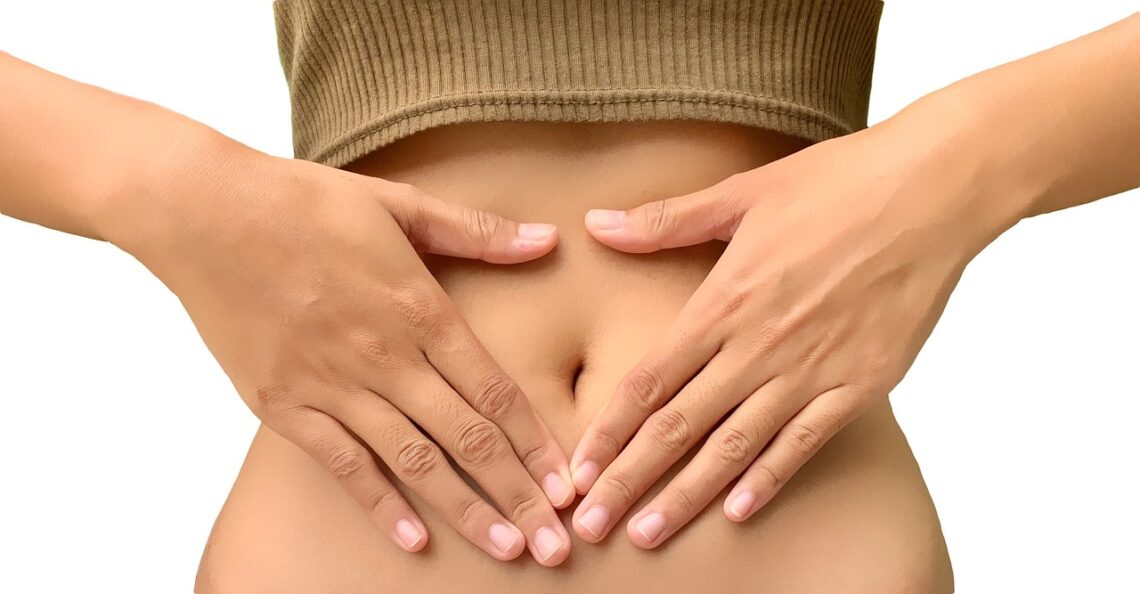
Is er een verband tussen spijsverteringsstoornissen en haaruitval?
Hair loss is a common problem affecting millions of people worldwide, and there are many factors that can contribute to it. Although genetics, hormonal imbalances and environmental factors are the most common causes of hair loss, digestive problems and gut health can also play an important role.
Recent research suggests that there is a strong link between the health of our digestive system and the condition of our hair.
In this blog post we investigate how digestive problems and intestinal health affect hair loss and discuss ways to prevent it.
What does research say about the relationship between digestive problems and hair loss?
Research has shown that the health of our intestines is closely related to our overall health and can have a major impact on various body functions, including our hair growth.
Our digestive system is responsible for breaking down the food we eat and absorbing the nutrients we need to keep our body healthy. If our intestines are unhealthy, this can lead to malabsorption of essential nutrients, which can affect hair growth.

Research has shown that people with digestive problems such as Irritable Darm Syndrome (IBS) and Inflammatory Darm Syndrome (IBD) suffer more often from hair loss than people with healthy digestion. This is because digestive problems can cause inflammation in the gut, which can lead to nutrient shortages and disrupt the hair growth cycle.
A study, published in the Journal of Investigative Dermatology, showed that mice with intestinal inflammation experienced hair loss and delayed hair growth, suggesting that intestinal inflammation may affect the hair growth cycle.
Another study showed that people with alopecia areata, an autoimmune disease that causes hair loss, have more digestive problems than people without this condition.
Symptoms of digestive problems with your hair:
If you have digestive problems, you can also notice changes in your hair. Here are some symptoms to look out for:
Thinning hair or hair loss
Pink or weak hair
. Deaf or lifeless hair
Slow hair growth
Dry or itchy scalp
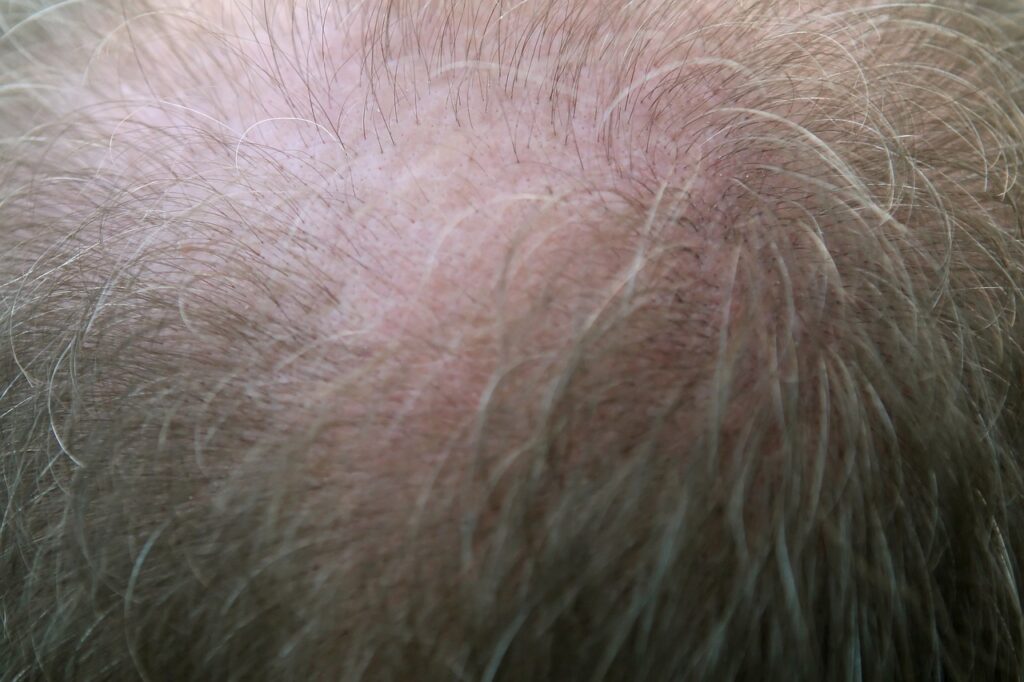
Picturing scalp
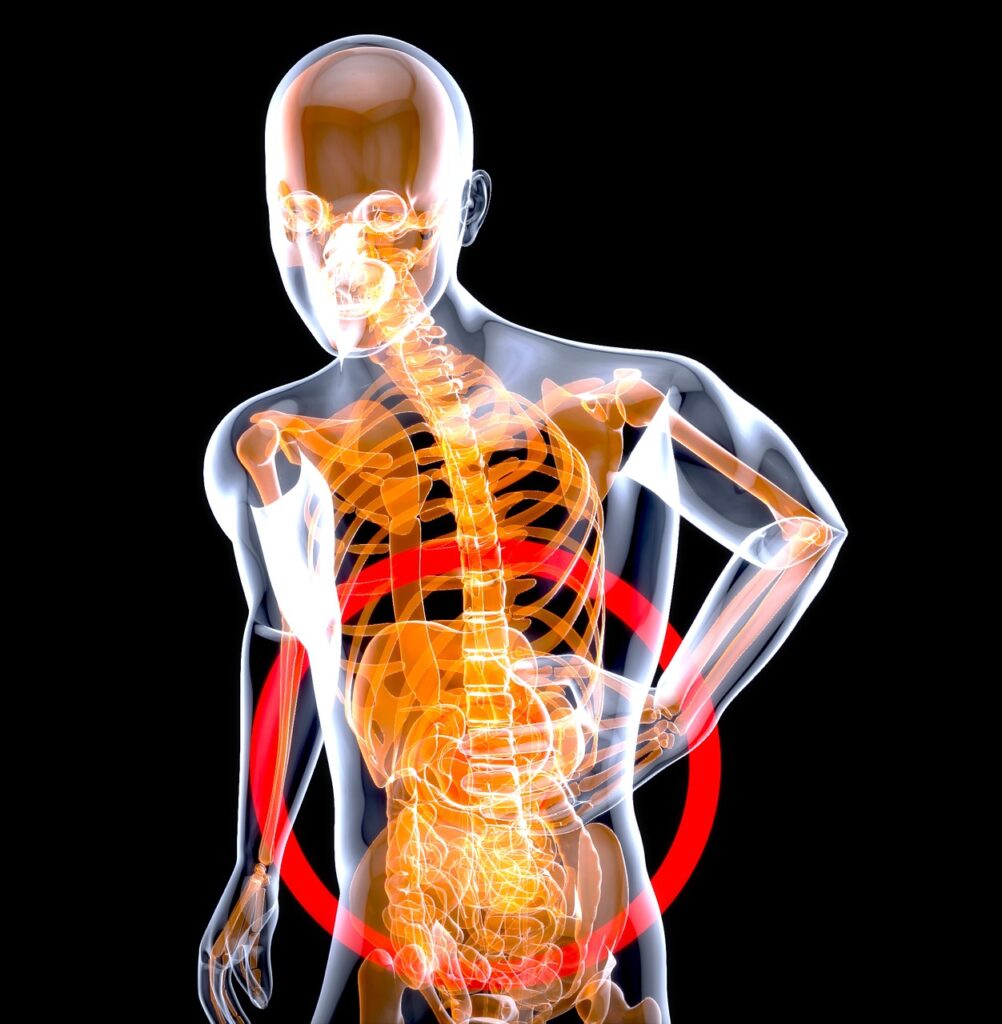
Digestion problems and hair loss prevent:
There are several steps you can take to prevent digestive problems and promote healthy hair growth:
1. Eat a healthy diet: A healthy diet rich in essential nutrients, such as proteins, iron and vitamins, can help promote healthy hair growth. Take lots of fruits, vegetables, whole grains and lean protein into your diet.
2. Stay hydrated: Drinking a lot of water can help keep your digestive system healthy and prevent dehydration, which can lead to dry and fragile hair.
3. Control stress: Stress can affect both your digestive system and your hair growth cycle. Try to control your stress levels through relaxation techniques such as meditation, yoga or deep breathing exercises.
4. Move regularly: Regular exercise can help improve digestion and promote healthy hair growth by increasing blood flow to the scalp.
1. Avoid aggressive hair products: Avoid using aggressive hair products that may damage your hair, such as hair dye, bleach and heat styling tools.
How malabsorption can lead to hair loss?
malabsorption is a condition in which the body cannot properly absorb the nutrients from the food we eat. This can be caused by various factors such as digestive problems, food intolerances and certain medical conditions. malabsorption can have a significant impact on our overall health, including our hair growth. In this chapter we discuss how malabsorption can lead to hair loss.
1. Deficiencies in nutrients:
When the body is unable to absorb essential nutrients such as vitamins, minerals and proteins, this can lead to a shortage of nutrients. These deficits can affect the health of our hair and lead to hair loss. Biotin is an essential nutrient that plays a crucial role in hair growth. It helps to strengthen the hair shaft, promotes hair growth and prevents hair fracture. A shortage of biotin can lead to hair loss, fragile hair and slow hair growth.
Iron is also an essential nutrient that is important for hair growth. It helps bring oxygen to the hair follicles and promotes healthy hair growth. A shortage of iron can lead to thinning hair, hair loss and dull, dry and fragile hair.
2. Hormonal imbalances:
malabsorption can also cause hormonal imbalances, which can contribute to hair loss. Hormonal imbalances can disrupt the hair growth cycle and cause hair loss. A deficiency of thyroid hormones, for example, can lead to hair loss, because these hormones are important for healthy hair growth. malabsorption can also lead to a shortage of sex hormones, such as oestrogen and testosterone, which can cause hair loss.
3. Inflammation:
malabsorption can cause inflammation in the gut, which can affect the hair growth cycle. Inflammation can interfere with the normal functioning of the hair follicles and lead to hair loss. Studies have shown that intestinal inflammation can lead to hair loss in both humans and animals.
4. Attenuated immune system:
malabsorption can weaken the immune system, which can lead to autoimmune diseases that cause hair loss. Autoimmune disorders occur when the immune system attacks the hair follicles, leading to hair loss. malabsorption can also lead to an overgrowth of bacteria in the gut, which can trigger an immune response and lead to hair loss.
The relationship between intestinal permeability (leaky gut) and hair loss
Depth permeability, also known as leaky gut, is a condition in which the intestinal wall becomes more permeable than should be, allowing substances to leak into the bloodstream that should not be. This can cause inflammation and other health problems, including hair loss. In this chapter we discuss the relationship between intestinal passivity and hair loss.
1. Inflammation:
Darmpermeability can cause inflammation, which can affect the hair growth cycle. Inflammation can interfere with the normal functioning of the hair follicles and lead to hair loss. Studies have shown that intestinal inflammation can lead to hair loss in both humans and animals.
2. Deficiencies in nutrients:
Dempravability can lead to malabsorption of essential nutrients, which can affect hair growth. As discussed earlier, nutrient shortages can lead to hair loss, and intestinal permeability can exacerbate this problem. Zinc, for example, is an essential nutrient that is important for hair growth. A shortage of zinc can lead to hair loss and thinning hair. Dempravability can lead to malabsorption of zinc, leading to a deficiency and subsequent hair loss.
3. Hormonal imbalances:
Darmper meability can also cause hormonal imbalances, which can contribute to hair loss. Hormonal imbalances can disrupt the hair growth cycle and cause hair loss. For example, an imbalance in oestrogen and testosterone can lead to hair loss. Dempravability can affect hormone uptake, leading to imbalance and subsequent hair loss.
4. Autoimmune disorders:
Heart permeability can also lead to autoimmune diseases, which can cause hair loss. Autoimmune disorders occur when the immune system attacks the hair follicles, leading to hair loss. Arm permeability can trigger an immune response, leading to autoimmune diseases affecting hair growth.
5. Toxines:
Due to intestinal permeability, toxins can enter the bloodstream, causing damage to the hair follicles and hair loss. Toxic substances such as heavy metals, pesticides and other harmful substances can affect hair growth and contribute to hair loss.
Conclusion:
In conclusion, digestive problems and intestinal health can have a significant impact on our hair growth. If you experience digestive problems and hair loss, it is essential to address the underlying cause and take steps to promote intestinal health and healthy hair growth.
By following a healthy diet, staying hydrated, controlling stress, moving regularly and avoiding aggressive hair products, you can prevent hair loss and promote healthy hair growth. If you are concerned about your hair loss, consult a doctor for accurate diagnosis and treatment options.


You might like this too.

Opmerkelijke Transformatie en Herwonnen Zelfvertrouwen door Finasteride en Minoxidil

Why You Don't Have To Wait With Treatment of Hair Loss!