

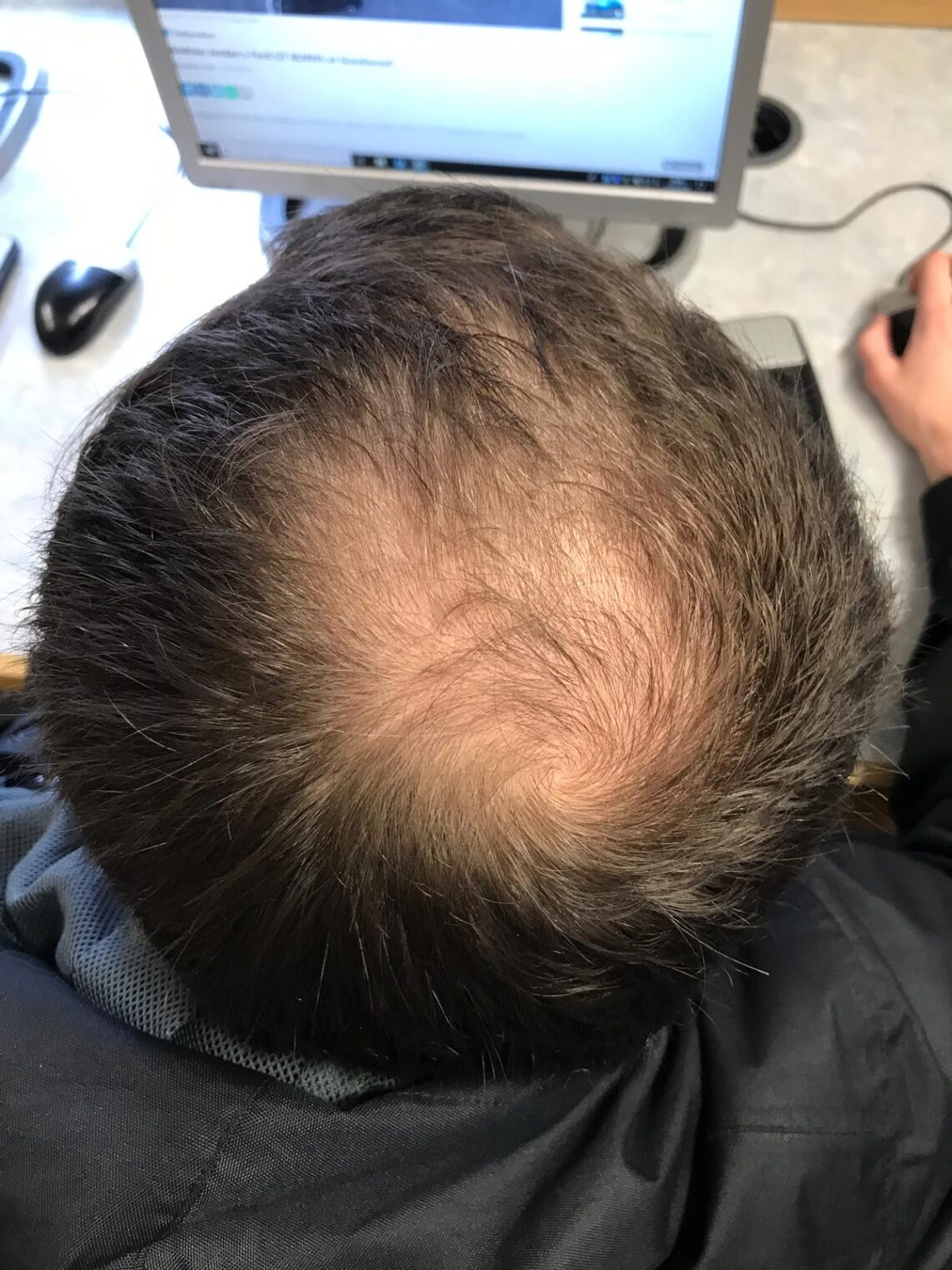
Will there ever be a permanent solution to hair loss?
Hair loss is a common condition affecting millions of people worldwide and can have a major impact on self-esteem and quality of life. Although different treatments are available to promote hair growth and slow down or stop hair loss, there is no definitive permanent solution yet. This raises the question: will there ever be a permanent solution to hair loss?
The answer to this question is complex, because there are several factors that influence the development of treatments against hair loss. One of the main challenges is the complexity of the hair growth cycle and the underlying factors contributing to hair loss.
Hair growth is a complex process that is regulated by a variety of genetic, hormonal and environmental factors, and these factors can vary greatly per individual. This makes it difficult to develop a uniform solution to hair loss.
In addition, hair loss is often a progressive condition that worsens over time. This means that any treatment developed should not only promote hair regrowth, but also prevent further hair loss in the future.
In addition, any treatment should be safe, effective and have minimal adverse reactions to be considered a viable option for long-term use.
Despite these challenges, there are several promising avenues for research into a permanent solution to hair loss. These include new technologies such as stem cell therapy and gene therapy, but also the development of new medicines and topical treatments. However, developing a permanent solution to hair loss requires substantial investment in research and development, as well as legal approval, which may take years or even decades.
In this blog we discuss the current state of research into hair loss, the challenges of developing a permanent solution and possible treatments on the horizon. We also examine the actual cost of hair loss treatments and what people can do to control their hair loss in the meantime.
What are the best current hair loss treatments?
Various medicines are available to treat alopecia androgenic agents, including minoxidil and finasteride. Minoxidil is a topical solution applied to the scalp, while finasteride is an oral medicine that blocks the production of the hormone dihydrotestosterone (DHT), known to contribute to hair loss.

Although these medications can slow hair loss and promote hair growth, they are not considered permanent solutions because they need to be used continuously to maintain their effect.
A hair transplant is another option for people who want a more permanent solution to hair loss. In a hair transplant, hair follicles from a donor site are taken on the patient's scalp and transplanted into the balding areas.
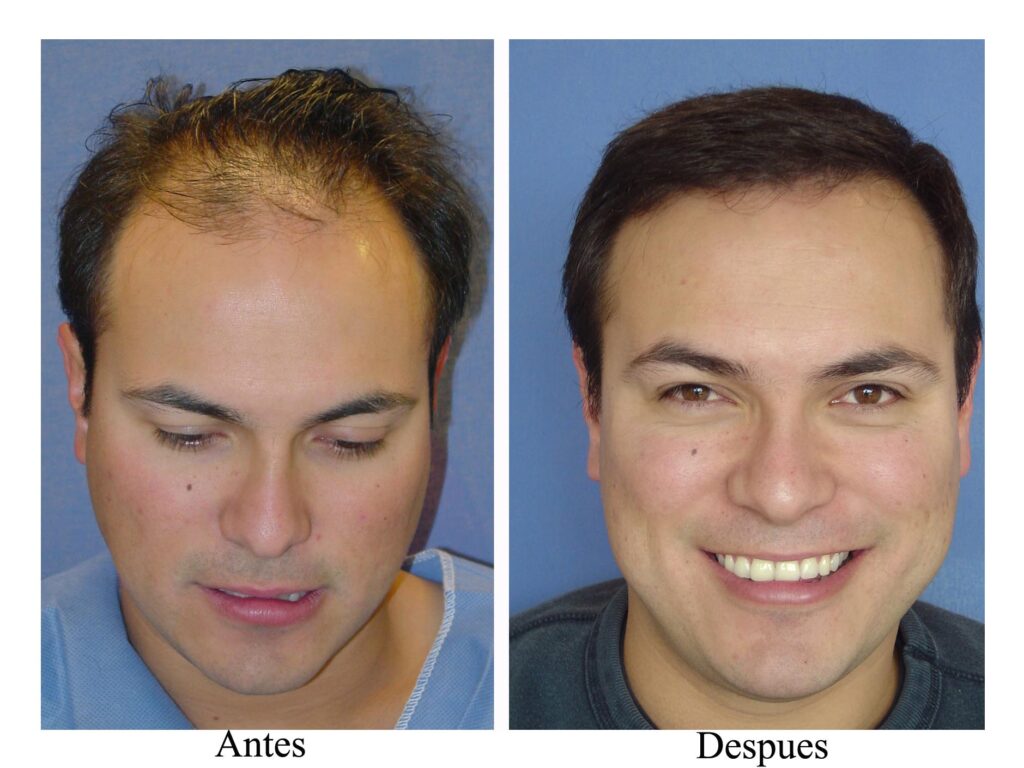
The transplanted hair will continue to grow in the new location, creating a fuller, more natural-looking hairdo. However, hair transplantation surgery is expensive and requires a considerable amount of rest and recovery.
In recent years researchers have investigated new hair loss treatments that may offer a permanent solution. A promising research area pertains to stem cells, which have the ability to regenerate and repair damaged tissue. Some researchers believe stem cell therapy can be used to stimulate hair follicle growth and to promote hair growth in people with hair loss.
Another possible solution is gene therapy, changing the genes responsible for hair growth to promote thicker and healthier hair. Although gene therapy is still at an early stage of development, it has proved promising in animal studies and could one day be a viable option for treating hair loss in humans.
So, why isn't there a permanent solution to hair loss?
There are several reasons why there is no definitive permanent solution to hair loss. One of the main reasons is the complexity of the hair growth cycle and the underlying factors contributing to hair loss. Hair growth is a complex process that is regulated by various genetic, hormonal and environmental factors. These factors may vary widely between individuals, making it difficult to develop a uniform solution to hair loss.
Another challenge is that hair loss is often a progressive disorder that worsens over time. This means that any treatment developed should not only promote hair regrowth, but also prevent further hair loss in the future. In addition, any treatment should be safe, effective and have minimal adverse reactions to be considered a viable option for long-term use.
Finally, the development of a permanent solution to hair loss requires considerable investment in research and development. This includes clinical tests, research into new technologies and treatments and obtaining legal approval. These processes may take years or even decades and there is no guarantee that treatment will ultimately be successful.
Although there are several promising avenues for research into a permanent solution to hair loss, the complexity of the condition and the challenges in developing safe, effective and long-term treatments mean that it may take some time to find a definitive solution.
Does money play a role in the fact that there is no solution to hair loss?
Money plays a role in research into hair loss and the development of possible treatments. Developing new treatments for hair loss requires considerable investment in research and development, which can cost a lot of money. This includes conducting clinical trials, examining new technologies and treatments and obtaining legal approval.
Moreover, pharmaceutical companies and other organisations investing in research and development generally expect a return on their investment in the form of profit. This may affect which treatments are developed and how they are marketed, as well as the price of the treatments.

However, it is important to note that money is not the only factor influencing research into hair loss and the development of possible treatments. The complexity of the hair growth cycle and the underlying factors contributing to hair loss, as well as the challenges of developing safe, effective and long-term treatments, are also important factors. The investigation of hair loss is still ongoing and although financial considerations play a role, they are not the only factor involved.
Conclusion
Although different treatments are currently available to prevent hair loss, there is no definitive permanent solution. However, continuous research and technological progress may lead to the development of a permanent solution to hair loss in the future. In the meantime, it is important for people with hair loss to talk to a qualified healthcare provider to determine the best treatment options for their individual needs.


You might like this too.

Does heermouse extract also act as a natural remedy against hair loss?

What are the benefits of wheat germ oil use in hair loss?


