All What You Must Know About Hair Outage After Narcosis: Causes, Timeline & Solutions
Imagine your operation is over. The pain's dropping. The recovery is going well.
But then... pick her on your pillow. A full hairbrush. Thinning hair.
Panic? Absolutely understandable.
Hair loss after anesthesia is real, confusing and often unexpected. But here's the good news: It's usually temporary. 🌱
In this guide we break the myths, we share the facts, and give you practical tools to get through this challenging period.
These youtube shorts from WilliamGaunitzTrichologist Explain it very well.
Adverse reactions After Narcosis: More Than Nausea Only
Most people know the standard side effects of anesthesia:
- Nausea ✓
- Dizziness ✓
- Fatigue ✓
But hair loss? That's rarely on the list your doctor's been going through.
However, it is a real side effect that many patients experience. According to research, up to 30% of patients may develop some form of hair loss after major surgery.
Why is this happening?
Your body sees anesthesia as a profound stressor. It reacts by temporarily pause non-essential functions (such as hair growth). This process is called "retrogen effluvium" "a fancy term for stress-related hair loss."
It's like your body says, "Hey, we got more important things to do now than let her grow!"
The severity varies greatly per person and depends on:
- Duration of the operation
- Medication used
- Your physical condition
- Nutrition status before/after surgery
The Invisible Impact of Anesthetics on Cellular Level
What many people don't know: Anesthetics directly affect your cells. 💉
Studies show that certain anesthesia agents can temporarily disrupt mitochondria (the power plants in your cells). Hair follicles, which need a lot of energy to produce her, are particularly hard hit.
The most commonly used anaesthetics and their impact:
| Anesthesia type | Impact on hair follicles | Recovery period |
|---|---|---|
| Propofol | Moderate disturbance | 3-6 months |
| Sevoflurane | Slight disturbance | 2-4 months |
| Ketamine | Minimum disturbance | 1-3 months |
| Fentanyl | May exacerbate hormonal imbalance | 4-8 months |
This explains why some patients experience more hair loss than others, even after similar surgeries.
How long does hair loss take after Narcosis?
Here's what to expect:
| Phase | Timeline | What's going on? |
|---|---|---|
| Home | 2-4 months after surgery | You notice more hair loss than usual |
| Peak | 4-6 months after surgery | Maximum hair loss reached |
| Recovery | 6-12 months after surgery | New hair growth becomes visible |
| Full recovery | 12-18 months after surgery | Hair density returns to normal |
This timing explains why many people miss the link to their surgery. If you start her out after three months, you might not be thinking about that knee surgery a few months ago.
Important: This timeline is an average. Your recovery can be faster or slower.
Your Hair Cycle Ontrafeld: Why The Delay?
You wonder why hair loss starts months after your surgery? 🤔
The answer is in your hair cycle:
- Anagenic phase (growth): 2-7 years
- 85-90% of your hair is in this phase
- Narcosis forces follicles out of this phase
- Catagenic phase (transition): 2-3 weeks
- Hair growth stops
- Follicle shrinks
- Telogenic phase (rest): 3-4 months
- Hair is loose but doesn't fall out yet
- This explains the delay!
- Exogenous phase (outage):
- The moment when the hair actually falls out
- New anagenic phase begins
Narcosis pushes hair follicles prematurely to the tealous phase. But since this phase lasts months, you'll notice the fallout much later.
This insight is crucial: Your hair loss is not the beginning of the problem, but the end of a process that was initiated months ago.
Move the slider to see what to expect:
2-4 months after surgery: You may begin to notice more hair loss than usual. This is when the first signs become visible.
Check the symptoms:
Discover the best approach to your situation:
- Start with food supplements (biotin, iron, vitamin D)
- Switch to sulphate-free, mild shampoo
- Use a satin pillowcase
- Avoid heat styling complete
- Start making photos for comparison
- Add scalp massage (5 min, daily)
- Consider rosemary oil (diluted)
- Experiment with different hairstyles
- Reduce wax frequency (max 2-3x per week)
- Focus on stress reduction (meditation, yoga)
- Consider dermatologist consultation in case of extreme failure
- Be careful with new baby hairs
- Continue dietary supplements
- Protect new growth from sun
- Avoid chemical treatments still
- Use conditioner specifically for hair growth
- Stay patient growth is slow but steady
See immediately a dermatologist at:
- Kale spots larger than 2cm
- Painful or itchy scalp
- Redness or inflammation
- Failure over 12 months
- Extreme dunning in a short time
- Accompanying symptoms (fatigue, weight change)
Dry Hair After Narcosis: A Common Problem
Not only hair loss, but also the texture of your hair can change after anesthesia.
Many patients report:
- Dryer hair
- Broker hair
- Change in curl pattern
- Less shine
This is because anesthesia and surgical stress can disrupt your hormone balance. These hormonal fluctuations affect the sebum production in your scalp, your natural conditioner.
The Thyroid Connection: A Hidden Cause
A less known but important factor: anesthesia can temporarily affect your thyroid function. 🦋
The thyroid regulates your metabolism and your hair quality. If it loses balance, often due to surgical stress, this can lead to:
- Dryer hair (with slower thyroid action)
- Fat hair (overactive thyroid gland)
- Breakable hair (in both situations)
Symptoms that may indicate temporary thyroid disturbance after anesthesia:
- Unexplained fatigue
- Weight fluctuations
- Temperature sensitivity
- Voting changes
If you recognize these symptoms, consider a thyroid test. A temporary support can improve both your overall recovery and your hair condition.
What Helps With Dry Hair:
- Avoid heat styling as much as possible
- Use mild, sulphate-free shampoos
- Invest in a good conditioner with nourishing ingredients
- Try a weekly hair mask with ingredients like:
- Argan oil
- Coconut oil
- Sheaboter
Ultimate SOS Hair Mask for Post-Operation Hair
This mask repairs damaged hair after anesthesia very quickly:
Ingredients:
- 1 avocado (rich in healthy fats)
- 2 tablespoons of honey (hydrating)
- 1 tablespoon of coconut oil (penetration deep)
- 5 drops of rosemary oil (stimulates growth)
Application:
- Mix to smooth paste
- Apply to damp hair
- Wrap in warm towel (20-30 min)
- Rinse with cool water
Use weekly for transformative results. 👑
Fat Hair After Operation: The Other Side of the Medal
While some struggle with dry hair, others experience the opposite: excessive fat hair.
This paradoxical effect is due to the same hormonal imbalance. Your scalp can overcompensate by producing more sebum than necessary.
Praktische tips:
- Wash your hair with mild, balancing shampoo
- Avoid washing daily (this precisely stimulates more sebum production)
- Try drying shampoo between washes
- Massage your scalp regularly to stimulate blood circulation
Microbiome Disruption: The Forgotten Factor
A revolutionary discovery in her health: Your scalp has a microbioma just like your bowels! 🦠
Antibiotics (often used around operations) and anesthesia can disrupt this delicate ecosystem. The result? An overgrowth of yeast or bacteria:
- Promote more sebum production
- Cause inflammation
- Delay hair growth
How do you fix your scalp microbiome?
- Prebiotic hair products
- Contains inulin or fructo-oligosaccharides
- Feeding the good bacteria
- Probiotic sprays
- Returning healthy bacteria
- Recover the natural pH balance
- Apple Cider Vinegar Rinsing
- Diluted (1 part ACV: 4 parts water)
- Restores pH and reduces fungus growth
- Tea-tree oil
- Natural antifungal
- Use diluted in your shampoo (5-10 drops)
This microbiome perspective explains why some patients suddenly struggle with fat hair, while others experience dryness. It all depends on which microorganisms prevail after the disturbance.
Hair Painting After Narcosis or Operation: Waiting or not?
A frequently asked question: "Can I paint my hair after surgery?"
The short answer: wait at least 4-6 weeks.
Here's why:
- Your scalp is more sensitive due to the stress of surgery.
- Hair dye contains chemicals that may damage your weakened hair
- Your immune system may still be recovering.
- The risk of allergic reactions is higher after surgery.
If you want to paint sooner, consider:
- Herbal hair dye (henna)
- Highlights instead of full colouring (less contact with scalp)
- A patch test 48 hours in advance
The Chemistry Behind Hair Color: Why Waiting Crucial Is
What exactly makes hair dye so problematic after anesthesia? 🧪
Most permanent hair colors contain:
- Ammonia
- Opens the hair shaft
- May irritate scalp
- Extra harmful for vulnerable post-operation hair
- Para. (PPD)
- Main element of dark colours
- Allergen with increased risk after surgery
- May cause oxidative stress
- Resorcinol
- Bind color to hair
- May further disrupt thyroid function
- Potential hormone disrupting
After anesthesia, your immune system is tuned differently. Substances you used to be able to handle, can now cause a reaction.
Safer Alternatives Per Hair Type:
| Hair Type | Safe Alternative | Withdrawal period |
|---|---|---|
| Fine, fragile | Temporary colour shampoo | 2-3 weeks |
| Normal | Henna or plant colouring | 3-4 weeks |
| Thick, resilient | Semi-permanent colour without ammonia | 4 weeks |
| Grey/white hair | Purple shampoo (neutralizes yellow tint) | Safe immediately |
Remember: Your hair is already vulnerable. Each chemical treatment adds stress to a system that already works hard to recover.
Hair loss After Backprick: A Special Case
An epidural or spinal anesthesia is often used in childbirth or certain lower limb surgery.
Interestingly, this form of anesthetic can also cause hair loss, although it is less common than overall anesthesia.
Why is this happening?
- Physical stress of the procedure
- Hormonal changes (especially in childbirth)
- Medication given by epidural injection
The good news: hair loss after spinal puncture is usually milder and often recovers faster than after general anesthesia.
Post-Dural Puncture Headache: The Hidden Link
There is a fascinating connection between hair loss and a specific complication of spinal punctures: post-dural puncture headache (PDPH). 🧠
This headache occurs when cerebrospinal fluid leaks after the puncture. Studies show that patients who develop PDPH are at higher risk of hair loss. This suggests a systemic effect via:
- Inflammation reactions due to fluid leakage
- Long-term stress due to intense headaches
- Vascular changes that also affect scalp
If you experience persistent headaches and hair loss after an epidural, report to your doctor. Treatment of headaches (often via a . . . . . . . . . . . . . . . . . . . . .
Unique Recovery Factors In Back stings:
- Recovery starts on average 1-2 months earlier than with general anesthesia
- Failure is often less diffuse/spread
- Response to topical treatments is usually better
- Food supplements show faster result
These differences underline the unique nature of hair loss after spinal punctures versus general anesthesia.
7 Natural Remedies For Hair Loss After Narcosis
You want to speed up the recovery of your hair? Try these natural approaches:
- Nutritional diet
Focus on:- Protein-rich food (fish, eggs, legumes)
- Omega-3 fatty acids (Salm, linseed)
- Iron-rich foods (spinazie, beetroot)
- Vitamins B, C, D, E and zinc
- Skin massage
Spend 5 minutes a day massaging your scalp. This stimulates the circulation and activates sleeping hair follicles. - Essential oils
Rosemary, lavender and peppermint oil can help stimulate hair growth. (Always dilute with a carrier oil such as coconut oil or jojoba) - Aloe vera
The enzymes and anti-inflammatory properties of aloe vera can soothe the scalp and promote hair growth. - Green tea washing
Rich in antioxidants that can strengthen hair follicles. - Reduce stress
Meditation, yoga or other relaxation techniques can reduce stress hormones that worsen hair loss. - Enough sleep
During the deep sleep phase, your body produces growth hormones that are essential to hair recovery.
The Power of Adaptogenic Herbs For Hair Recovery
Adaptogens are a game changer for hair growth anesthesia. 🌿
These particular herbs help your body to deal with stress and normalize hormonal functions.
Top 5 adaptogens for hair growth:
- Ashwagandha
- Decreases cortisol (stress hormone)
- Improves thyroid function
- Reduces inflammation in scalp
- Holy Basil (Tulsi)
- Balances hormones
- Rich in hair-enhancing antioxidants
- Improves circulation to scalp
- Rhodiola Rosea
- Protects hair follicles from stress damage
- Improves oxygen supply to scalp
- Normalizes cortisol levels
- Maca Root
- Rich in minerals for hair growth
- Balances hormones, especially after surgical stress
- Improves energy levels during recovery
- Siberian Ginseng
- Strengthened immune system during recovery
- Improves micronutrient uptake for hair growth
- Supports adrenal health
These adaptogens work synergistically with your body's natural recovery processes, without the side effects of pharmaceutical options.
The Microneedling Revolution: DIY or Professional?
A breakthrough technique for hair repair anesthesia: microneedling. 📌
This treatment uses tiny needles to create microscopic channels in your scalp. The result?
- Up to 4x better absorption of hair growth agents
- Blood circulation increased to follicles
- Activation of natural growth factors
- Collagen and elastin production (crucial for hair follicle health)
The science behind it: Microneedling triggers a controlled wound healing response. Your body sends growth factors and stem cells to the area, which "accidentally" also reactivate your hair follicles.
DIY vs Professional:
| DIY Dermaroller | Professional Treatment |
|---|---|
| 0.25-0.5mm needles | 0.5-1.5mm needles |
| €15-50 cost | €150-300 per session |
| Weekly use | Monthly treatments |
| Moderate results | Superior results |
| Misuse infection risk | Sterile environment |
Safety warning: Never start microneedling without consulting your doctor, especially after a recent surgery. Wait at least 3 months post-op before you try this technique.
Medical Treatments: When Natural Remedies Not Complete
If hair loss is severe or persists, consider these medical options:
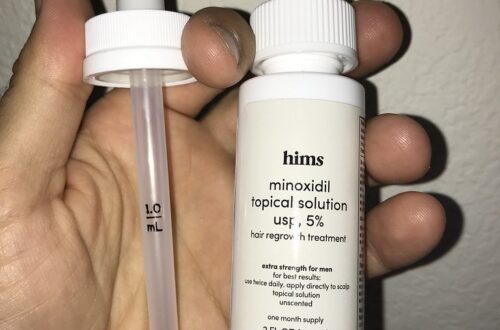
- Minoxidil (Rogaine)
An over-the-counter treatment that improves blood flow to the scalp. Results usually become apparent after 3-6 months of consistent use. - Food supplements
- Biotin
- Iron (after blood test to establish deficiency)
- Zinc
- Vitamin D
- Hormonal treatments
In some cases, your doctor may prescribe hormone therapy if hormonal imbalance is the main cause. - PRP treatments
Platelet-Rich Plasma therapy uses your own platelets to stimulate hair growth. - Laser therapy low power
Stimulates hair follicles with red light technology.
Important: Always consult a doctor or dermatologist before starting medical treatment.
The Golden Standard: PRP Treatment Ontrafeld
PRP (Platelet-Rich Plasma) is a groundbreaking treatment for hair loss after anesthesia. 💉
Here's how it works:
- A small amount of your own blood is taken
- This is centrifuged to concentrate the platelets
- This platelet-rich solution is injected into your scalp
- The growth factors in your platelets activate sleeping hair follicles
Why this works for post-narcosis hair loss:
Narcosis disrupts blood flow to hair follicles. PRP restores this circulation and provides a concentrated dose of exactly what your follicles need to recover.
The results speak for themselves:
- 80% of patients see improvement
- Average 30% increase in hair density
- First results within 3-4 months
- Sustainability: 12-18 months per treatment
Treatment protocol:
- 3 treatments with 4-6 weeks apart
- Maintenance treatment every 6-12 months
- Costs: €300-700 per session
Advantages versus medicines:
- No daily application required
- No chemicals or hormones
- Uses your body's own recovery mechanisms
- No side effects as with minoxidil or finasteride
New hair growth medication: The most recent developments
Science doesn't stand still when it comes to hair growth medication. Here are the latest developments that are promising for post-narcosis hair loss: 🔬
- JAK inhibitors
- Originally developed for autoimmune diseases
- Block ignition signals that suppress hair growth
- Topical formulas show impressive results
- Status: Phase III clinical trials
- Exosome Therapy
- Microscopic vesicles with growth factors
- Similar to PRP but more concentrated
- Can be used without injections
- Status: Early clinical studies available in premium clinics
- Stamceltherapie
- Use your own stem cells to stimulate new hair follicles
- Shows promising results in severe hair loss
- Status: Limited availability in specialised centres
- Clascoterone
- New anti-androgen specific to scalp
- Prevents hormone-controlled hair loss
- Less side effects than oral anti-androgens
- Status: Recently approved in some countries
- Photobiomodulation Caps
- Portable light therapy devices
- Stimulate mitochondria in hair follicles
- Daily home use possible
- Status: Commercially available, growing research
Although these treatments are promising, it is important to remain realistic. Ask your doctor what might be appropriate to your particular situation.
When to Make Your Worry
In most cases, hair loss after anesthesia is temporary. But when do you need to see a doctor?
Find medical help if:
- Hair loss exceeds 12 months
- Your large bald spots develop (not even out)
- The hair loss is accompanied by itching, pain or redness
- You will experience other symptoms such as extreme fatigue, weight change or skin problems
These symptoms may indicate underlying conditions that happen to come to light after your surgery.
Narcosis Alopecia Connection: Rare But Severe
A rare but serious phenomenon: permanent alopecia after prolonged anesthesia. ⚠️
In rare cases (less than 1%) prolonged pressure on the scalp during surgery may lead to ischaemic damage to hair follicles. This is known as "pressure alopecia" or "post-anesthetic alopecia."
Risk factors:
- Operations over 5 hours
- Hypotensive periods during surgery
- Specific positioning (especially back position)
- Pre-existent circulation problems
- Old age and diabetes
How do you recognize it:
- Hair loss in specific patterns (often occipital)
- Clearly demarcated bare spots
- Sensitive or painful scalp
- Failure starting within 3-5 days after surgery
- No signs of natural recovery after 3 months
If you suspect you're suffering from this, consult a dermatologist immediately. Although rare, this condition requires specialized care and early intervention may limit follicle damage.
Psychological Impact: Not to be underestimated
Let's face it, hair loss can be emotionally debilitating.
Your hair is part of your identity. Its loss may lead to:
- Reduced confidence
- Social fear
- Depression
- Frustration and powerlessness
Which helps:
- Talk to friends, family or a therapist about it
- Join online support groups for people with hair loss
- Experiment with new hairstyles that make the most of your remaining hair
- Consider temporary solutions such as a hairpiece or scarf
Remember, you're more than your hair. This phase is temporary.
The Neurobiology of Hair-Related Stress
The emotional impact of hair loss isn't an imaginary. It has a neurobiological basis. 🧠
Studies show that hair loss activates the amygdala, our "fear center." This causes a cascade of stress reactions including:
- Increased cortisol production
- Activation of the sympathetic nervous system
- Inflammation reactions
The irony: This stress reaction can further exacerbate hair loss, creating a vicious circle.
Breaking the mind-hair connection:
- Mindfulness Based Stress Reduction (MBSR)
- 8-week programs show significantly reduced cortisol levels
- Reduces inflammation markers associated with hair loss
- Improves sleep quality, crucial to hair recovery
- Cognitive Frameworking
- Technique to break negative thought patterns about your hair
- Example: "My hair doesn't determine my value" versus "I'm ugly without my hair"
- Proven effective in reducing hair-related anxiety
- Social Connection
- Isolation increases cortisol; social contact increases oxytocin
- Oxytocin reduces inflammation reactions that may worsen hair loss
- Online hair loss communities offer understanding and practical tips
By taking the psychological component seriously, you're not only working on your mental health, but you're also undermining the physical recovery of your hair.
Stories From Recovery: There's Hope
Maria (42): "After my gallbladder surgery, my hair fell out. I panicked. My doctor assured me it was temporary, but it was hard to believe. Eight months later, I started seeing new hair growth. Now, two years later, my hair is thicker than ever."
Pieter (35): "The hair loss after my back surgery was an unexpected blow. I started using minoxidil and taking supplements. It took a year, but my hair came back completely."
Anouk (28): "My hair became extremely dry after anesthesia. Weekly coconut masks and a good diet have done wonders. Within 6 months, my hair was not only stopped, but also healthier than before."
Travel: A Detailed Recovery Process
Sophie (31) underwent a complex knee surgery that lasted 4 hours. Here is her trip in detail:
Month 1-2: "I didn't notice my hair yet. My focus was entirely on my knee recovery."
Month 3: "It started with a few extra hairs in my brush. Within two weeks it was alarmingly handful of hair in the shower. My tail was half as thick. No one had warned me about this."
Month 4-5: "At my most desperate moment I ordered a wig online. My doctor referred me to a dermatologist who suggested PRP. I decided to try supplements first: biotin, zinc, iron."
Month 6: "The excessive failure finally stopped. My hair still fell out, but more normal. I saw tiny new hairs along my hairline. This gave me hope!"
Month 8: "The new growth was clearly visible. I got volume shampoo and started scalp massages with rosemary oil. My hair changed from texture to curly than before."
Month 12: "My hair was back at 80% of the original density. The new hairs were stronger and healthier. I realized that this experience had made me take better care of my hair than ever before."
Advice from Sophie: "Document your recovery with photolocators. It gives perspective. And be patient. Hair grows slower than you think, but it comes back!"
The Hidden Benefits: A New Perspective
Maybe it sounds crazy, but many people discover unexpected benefits in their hair loss-travel after anesthesia:
- Renewed her
New hair is often thicker, healthier and has more natural pigmentation than before the dropout. - Better hair care habits
The experience forces you to learn about hair care at a level you would never have investigated otherwise. - Review
90% of ex-patients report that they appreciate their hair more and take better care of it after this experience. - Stronger resilience
Passing temporary hair loss builds emotional resilience that continues in other life domains. - Unexpected upgrades
Many people discover during the recovery process products, nutrients and routines that make their hair better than ever before.
As Lisa (38) puts it: "My hair loss after anesthesia was a blessing in disguise. My new hair is thicker, healthier and fuller than it has been in ten years. I finally learned how to really take care of my hair."
Conclusion: This goes beyond
Hair loss after anesthesia is annoying, but almost always temporary.
With patience, proper care and possibly professional help, you will restore her. In the meantime, be nice to yourself and remember that your body is engaged in an impressive recovery process.
Your Action Plan In 5 Steps:
- Watch & Document
Take photos and note patterns to follow your recovery and share with professionals. - Feed & Protect
Focus on nutrient-rich nutrition, minimize heat styling, use soft products. - Patience Culture
It'll feel like an eternity, but your hair's back. Mark important data on your calendar for perspective. - Professional Advice Search
If the loss is severe or lasts longer than 6 months, consult a dermatologist specializing in hair loss. - Emotional Care
Your feelings are valid. Find support and be kind to yourself during this process.
Do you have any experience with hair loss after surgery? Share your story in the reactions. Your experiences can help others who are now going through the same situation.
Disclaimer: This article is intended for information purposes only and not as a replacement for professional medical advice. Always consult a doctor or specialist for health problems.


You might like this too.

Unreal Hair Transformation after 2 Years with Finasteride and Minoxidil and Nizoral!

9 Foods Possible Contributing to Hair Loss