

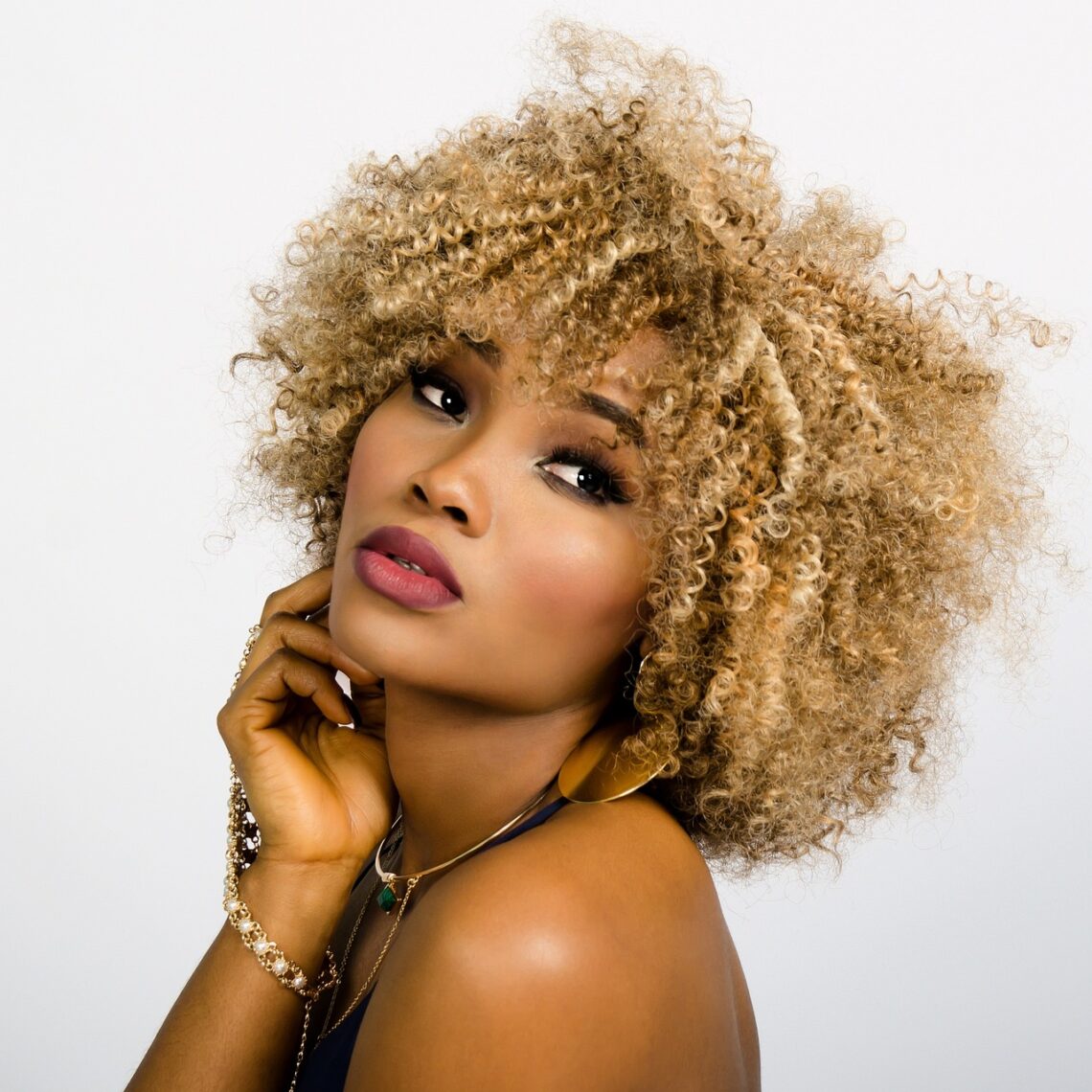
What are the different hair types and textures of the Andre walker system?
Have you ever wondered why some people have thick curly hair and others steep, fine hair? It's all being treated in the Andre Walker's system.
Another its classification system that we have dealt with is the Norwood scale. This scale deals with the successive patterns of male baldness and the associated phases. Are you more interested in this read here more.
The female variant of this system specifically for female baldness is the Ludwig scale. I also have a comment on this. Article Written. Read here More.
What is the Andre Walker system for hair types?
The Andre Walker Hair System is a hairtype classification system created by Andre Walker, a hairstyler and author who has been working with Oprah Winfrey for over 25 years. This system categorizes her into four types: Type 1 (stile), Type 2 (wave), Type 3 (curly) and Type 4 (coily).

The Andre Walker Hair System is designed to help people understand the specific needs and characteristics of their hair so they can choose products and styling techniques that work best for their hair type.
By identifying their hair type, people can customize their hair care routine to achieve healthy and beautiful hair.
What are the different hair types according to Andre walker?
The Andre Walker's system consists of four main hair types, some with subtypes A, B and C. The system has been updated since the original version to include more subtypes under type 1.
What are the four main hair types and their subtypes are described as follows:
Type 1a: Straight (fine) .Soft, shiny and fine in texture, with difficulty to hold a curl. The hair tends to oil and is hard to damage.
Type 1b: Straight (medium)
Type 1c: Steil (groove) . Hard to curl and usually straight candle.
Type 2a: Waving (loose waves) • Can easily achieve different styles, with a loose "S" pattern. The hair stays close to the head.

Type 2b: Waving (defined waves) . . Has a little styling resistance, with a more defined "S" pattern. The hair tends to fluff.
Type 2c: Waving (wide waves) . . Has wider waves, is resistant to styling and tends to fluff.
Type 3a: Curly-curly-curly-curly-curly- The hair tends to puff and can have a combined texture.
Type 3b: Curly-curly-curly-curly-curly-curly-curly-like average distance, with the possibility of a combined texture.
Type 3c: Curly (corking tractors) . Tight curls in cork tractors, with very tight curled hair.
Type 4a: Kinky-coily (defined coil) .
Type 4b: Kinky-coily (z-spool) hindered, with a less defined nod pattern and a more "Z"-shaped pattern.
Type 4c: Kinky-coily (tight coil) hindered, with almost no visibly defined nod pattern, unless seen from close range. Has more of a very tight "o"-shaped pattern.
A deeper dive into each hair type
Type 1: steep hair
Steil hair is classified as Type 1 on the Andre Walker's scale and is characterized by a lack of texture or curl pattern.
Steil hair can be fine, medium or coarse in density, and can vary from thin to thick in thickness. People with type 1 hair may have difficulty holding a curl, but can easily achieve tight, straight styles.
Type 2: Waving hair
Waving hair is classified as Type 2 on the Andre Walker's scale and is defined by a light wave pattern.
Type 2 hair can be fine, medium or coarse, and can vary from thin to thick in thickness.
People with type 2 hair may find their hair sensitive to frizz and hard to stylize, but with the right products and techniques they can achieve defined, resilient waves.
Type 3: Curly hair
Curly hair is classified as Type 3 on the Andre Walker's scale and is defined by tight,piralized curls.
Type 3 hair can be fine, medium or coarse, and can vary from thin to thick in thickness. People with type 3 hair often struggle with frizz and find their curls have no definition, but with the right products and techniques they can get defined, resilient curls.
Type 4: Coily hair
Coily hair is classified as type 4 on the Andre Walker's scale and is characterized by tight, springing curls that are often S- or Z-shaped.
Type 4 hair can be fine, medium or coarse, and can vary from thin to thick in thickness. People with hair type 4 may notice that their hair is sensitive to fracture and difficult to stylize, but with the right products and techniques they can achieve defined, resilient coils.
Advantages and Disadvantages of the Andre Walker Hair Typing System
Benefits:
Clarity and Understanding: The Andre Walker hair type system provides a simple and clear classification, making it easier for individuals to identify their hair type.
Custom Made Haircare: The system suggests specific hair care tips and products for each type, allowing individuals to adapt their hair care routine to the unique needs of their hair.
Community aid: The classification system has fostered a sense of community among people with similar hair types, encouraging sharing of tips and experiences.
Accessible to the Public: The system is widely available to the public and can be easily understood by individuals without a professional hairdressing background.
Cons:
Simplistic nature: Critics argue that the system simplifies too much the diversity of hair textures by reducing them to just four main categories, which may not fully reflect the complexity of individual hair types.
Limited Recital of Other Factors: The system essentially focuses on curl patterns and does not take into account other factors such as porosity, density or hair thickness, which are essential for a comprehensive understanding of hair care needs.
Lack of Universality: Some individuals find that their hair does not fit neatly in one category, leading to confusion and frustration in selecting the right products and routines.
Possibility to stereotype: There is a risk of strengthening stereotypes or prejudices associated with specific hair types, which may maintain social standards and beauty standards.
How do I determine my hair type according to the Andre Walker system?
To determine your hair type according to the Andre Walker system, it is important to observe the natural curl pattern of your hair.
Walker's classification scale from Type 1 (stile) to Type 4 (kinky) offers a guide.
Scientific studies have shown that the shape of the hair follicle and the angle at which the hair grows from the scalp affect the curl type (ex. "Hair Diameter Variation Shape of Cross Section and Ethnic Hair Types").
A detailed observation can help you to accurately identify your curl type and to determine the right hair care approach.
Can my hair type change over time?
Research shows that hormonal changes, age and genetics affect hair structure (ex. "Ageing of the hair follicle pigmentation system").
Hormonal shifts during different stages of life, such as puberty, pregnancy or menopause, can lead to changes in the curl pattern.
External factors such as climatic conditions and chemical treatments can also play a role (ex. "Hair weathering: the final frontier of hair damage").
So it is possible that your hair type changes over time.
Are there recommended products for each hair type?
In support of the Andre Walker system, research confirms that different hair types have specific needs.
For example, curly hair often exhibits higher porosity, which means it is more susceptible to moisture loss.
Recommended products for curly hair should therefore contain ingredients that promote hydration.
Scientific studies such as this can serve as a guideline for choosing suitable hair care products.
How important is it to follow the recommended hair type care tips?
Research highlights the importance of personalised hair care based on individual needs.
Different hair types have different degrees of porosity, density and elasticity, all affecting the required care (ex. "Hair and fibre differentiation: a guide").
It is essential to consider the recommended tips as a basis, but to make adjustments based on scientifically substantiated knowledge about your specific hair condition.
Can the system be applied to all ethnicities and hair textures?
Although the Andre Walker system has been designed inclusive, scientific studies recognise the diversity of hair textures within ethnic groups (ex. "Ethnic Hair Update: Past and Present").
The system can be a useful start, but additional considerations, such as hairporosity and elasticity, are needed for a holistic understanding of haircare needs.
Integrating scientific insights can help to develop a more balanced and customised hair care routine.
Conclusion
It is important to note that hair type is not a uniform classification and that people can have a combination of hair types. For example, some people have a mix of type 2 and type 3 hair, resulting in waves and curls.
For the care of each hair type it is important to understand the specific needs and challenges of each type.
For example, people with type 1 hair can benefit from the use of light, nourishing products to prevent their hair from becoming weighted or fat.
On the other hand, people with type 4 hair may need heavier, more moisturizing products to prevent fracture and to maintain definition.

Regardless of the hair type, it is important to use a soft and nourishing hair care routine.
This may include the use of a soft shampoo and conditioner keeping the hair healthy and hydrated.
In short, understanding your hair type and the specific needs of your hair is the first step to healthy and beautiful hair.
By taking the time to learn about your hair type and the best products and techniques for your hair, you can ensure that you take the best possible care of your hair.
The Andre Walker scale gives a comprehensive insight into the different hair types and textures and helps people identify their own hair type and learn how to take care of it properly.
By understanding the characteristics that define each hair type, people can customize their hair care routine and achieve their desired hair goals. Whether you have steep, wavy, curly or frizzy hair, insight into your hair type and texture is the first step to healthy and beautiful hair.


You might like this too.
Candida and hair loss! Is there a possible connection?

Finasteride or Dutasteride? Which one works better against hair loss?


