

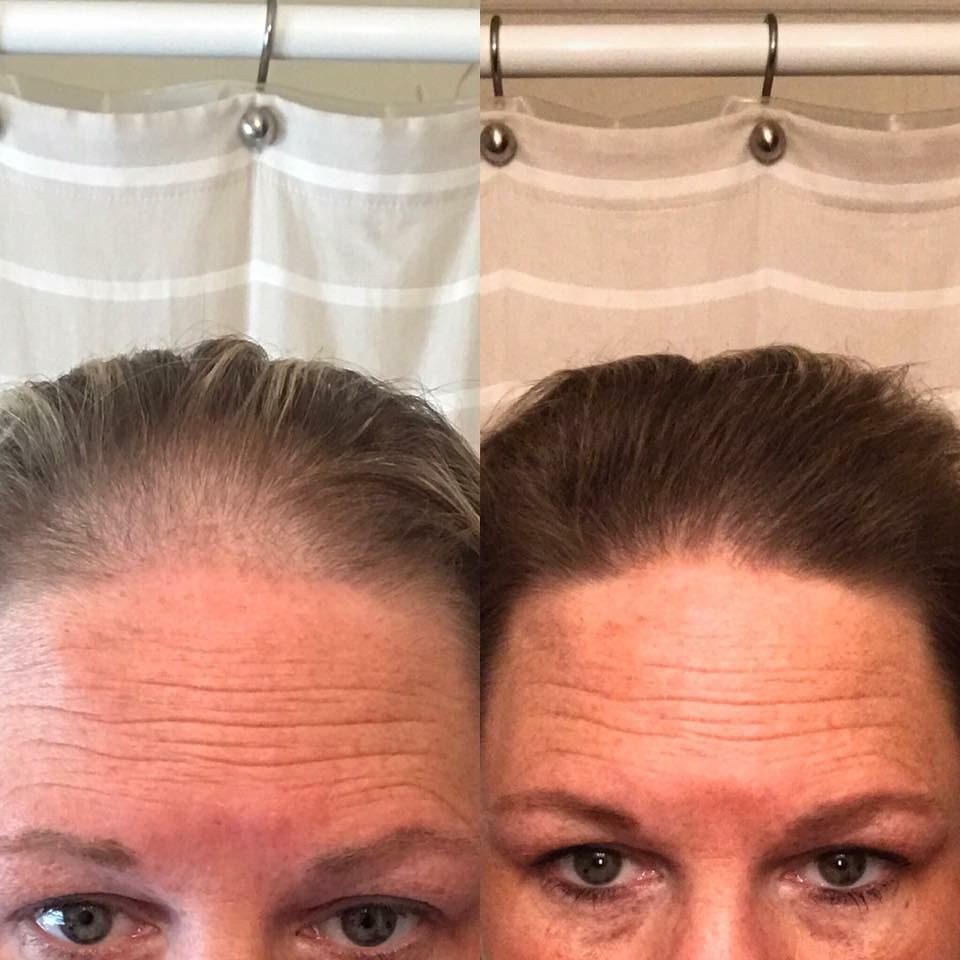
Are medications for hair loss causing changes in hair color?
Have you ever noticed that your hair color seems to change as it grows out? Whether it goes from brown to blonde or vice versa, the phenomenon can be rather mysterious.
But fear not, we are here to shed some light on the science behind this curious process.
Hair loss and hair color changes are two common problems that can affect a person's confidence and overall well-being.
Although anti-hair loss medicines such as minoxidil and finasteride are often used to treat hair loss, many people wonder if these medicines can also cause changes in hair colour.
Moreover, some people may notice changes in their hair color when new hair grows back after hair loss.
Anti-hair loss medications such as minoxidil and finasteride are not known to cause changes in hair colour, but all medicines may have side effects.
It is important to talk to a doctor about any concerns you may have about hair loss treatments and their possible side effects.
In this blog we go deeper into the question why hair changes color as it grows back and examine the current scientific knowledge about the relationship between hair loss medications and hair color changes.
We also investigate the possible effects of other treatments against hair loss, such as hair dye and bleach, on hair colour.
Medicine and Hair Color Change
First of all, did you know that some medications can actually change the color of your hair?
I remember being astounded when I discovered that certain medications, such as some types of antibiotics, chemotherapy medications, and medication for malaria, could lead to changes in hair color.
This can range from subtle highlights to a complete colour change. The science behind it? These medicines can interfere with the pigment production of your hair, resulting in a surprising new shade.
When I first heard that certain medications could change your hair color, I had to blink twice. But after some research, this really turned out to be a thing.
Not that you suddenly jump her from blonde to black, but subtle changes are definitely possible. The most interesting thing about this?
Science is still trying to figure out exactly how this all works.
We'll start with chloroquine, a medicine commonly used to treat malaria. Then there are the cancer chemotherapy agents, which are probably the most famous in this list. But wait, there's more!
Other medicines such as p-aminobenzoic acid, calcium pantophenate, and yes, even minoxidil (which is used ironically enough to stimulate hair growth) can change your hair color.
And let's valproic acid and verapamil Don't forget.
Now you might be wondering, "What does this mean to me?" Well, first of all, don't panic. Changes in hair colour due to drug use are rare and often subtle.
The most important thing is to be aware of this possible side effect, especially if you notice that your hair color changes for no obvious reason.
Effects of Hair Loss Medication
Hair loss medication, a subject that often comes up in conversations about personal care.
While some medicines such as finasteride and minoxidil are praised for their ability to prevent hair loss, they also come up with their own set of possible side effects. Finasteride, for example, may sometimes have side effects such as decreased libido or a small risk of depression.
Minoxidil, on the other hand, is generally well tolerated, but some people report a change in hair structure or even the growth of unwanted facial hair.
Does Dunner Becoming Hair Change Color?
Have you ever noticed that your hair seems to change color when it gets thinner? It's not just your imagination.
Thinning hair can sometimes appear lighter due to reduced density, which makes the scalp more transparent.
Although this is not a direct result of colour change at pigment level, it is an interesting effect that can affect the perception of your hair color.
Can Medicine Make Her Darker?
Yeah, you read it right. Some medications can make your hair darker.
This is particularly rare and usually associated with drugs with a high concentration of certain metals or chemotherapy drugs. H
The mechanism behind this change is still the subject of research, but it is fascinating how our body and hair follicles react to different substances.
Can Minoxidil change hair color?
Minoxidil, often used to prevent hair loss, has interesting effects. Although it is primarily known for stimulating hair growth, there are no strong indications that it changes hair color.
However, some users report a change in texture or an increase in grey hair, which may have more to do with the natural ageing process than with the medication itself.
Why does hair color change sometimes when it grows?
To understand why hair changes color as it grows, we first need to understand the structure of the hair.
Hair is made up of a protein called keratin, which is produced by cells in the hair follicles.
The cells that produce hair color are called melanocytes and are at the base of the hair follicle. Melanocytes produce the pigment melanin, which gives hair its color.
This is where it gets interesting.
As the hair grows, it is exposed to various environmental factors that can damage the hair and melanocytes that produce the pigment.
UV radiation from the sun, chemical treatments such as hair dye, and even stress can all contribute to damage to the hair and to the melanocytes.
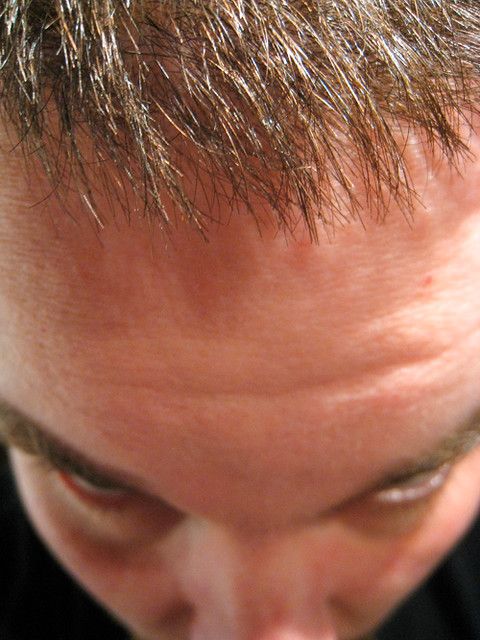
Over time, this damage can lead to a reduction in melanin production or changes in the type of melanin produced, which may result in changes in hair colour.
For example, if the melanocytes produce less melanin, the hair may appear lighter or greyer. If the melanocytes produce a different type of melanin, the hair can get a different shade.
In addition, age decreases the number of melanocytes in the hair follicles, which can lead to grey or whitening of the hair. Therefore many people associate gray hair with old age.
It is also worth noting that genetics plays a role in hair colour.
The genes we inherit from our parents can determine the amount and type of melanin produced by the melanocytes, which can affect our hair color.
What does research say about hair loss medications and hair color changes?
Little research has been done on the possible relationship between hair loss medications and hair color changes. However, a few studies have been carried out on the subject.
A 2015 study, published in the Journal of Clinical and Aesthetic Dermatology, investigated the effects of finasteride on hair quality, including hair colour, in men with alopecia androgenics (male baldness). The study found no significant changes in hair colour in participants taking finasteride for six months.
Another study, published in the Journal of Dermatology in 2019, investigated the effects of topical minoxidil on hair colour in patients with alopecia androgenics. The study found no significant changes in hair colour after six months of treatment.
The relationship between these drugs and hair color. It is also important to remember that all medicines can have possible side effects, and it is always a good idea to discuss concerns or questions about medicines with a doctor.
So are medications for hair loss causing changes in hair color?
Anti-hair loss medicines, such as minoxidil and finasteride, are not known to cause changes in hair colour.
However, it is important to note that all medicines may have side effects and that some people may experience rare or unexpected reactions.
Minoxidil, a local anti-hair loss medicine, would increase blood flow to the hair follicles and prolong the growth phase of the hair cycle.
Although it generally does not cause a change of color of the hair, it can sometimes cause irritation of the scalp, itching and dryness.
Finasteride, an oral anti-hair loss medicine in men, blocks the conversion of testosterone to dihydrotestosterone (DHT), a hormone that can contribute to hair loss.
Although finasteride is generally well tolerated, some people may experience side effects such as decreased libido, erectile dysfunction and reduced ejaculation volume.
It is also worth mentioning that some treatments against hair loss, such as hair dye and bleach, can cause changes in hair colour.
These treatments can damage the hair scales and cause melanocytes to produce less or another type of melanin, which can change the hair color.
In addition, some hair dye products contain chemicals that may cause allergic reactions, which may manifest in scalp irritation, redness and even hair loss.
Personal Stories and Relatable Examples
As I went through my own journey with hair health and the impact of medication, I realized how important it is to have open conversations about these experiences.
I have friends and family members who have experienced varying effects, from subtle color changes to navigating through the complexity of hair loss medication. These stories remind us that we are not alone in our concerns and questions.
I'm curious. Have you ever experienced that your hair color changed by medication? Share your story in the comments below and let's keep the conversation going.
Don't forget to share this post on your social media if you found it interesting. Together we can create more awareness about this rare but interesting side effect!
Conclusion
The color of our hair is influenced by a complex interplay of genetics, environmental factors and the natural aging process.
As our hair grows, it is exposed to various stress factors that can damage the melanocytes and affect the production of melanin, which can lead to changes in hair colour.
Although these changes can be subtle, for many of us they are a source of fascination and intrigue.
In short, medications against hair loss such as minoxidil and finasteride are not known to cause changes in hair color, but all medicines can have side effects.
It is important to talk to a doctor about any concerns you may have about hair loss treatments and their possible side effects.


You might like this too.

The Truth about Masturbation and hair loss: At last Clarity 🔍

Murumuru butter for hair loss helps?


