How can you make your hair fatter? Natural and Artificial Methods Explore
Thick, shiny hair is always associated with beauty and vitality. Many people strive to get voluminous locks, which leads them to explore an abundance of methods ranging from natural remedies to advanced artificial treatments.
The search for thicker hair has created a growing market for hair care products and solutions, which raises the question:
Is it possible to get thicker hair naturally or by artificial means?
Yes, maintaining a consistent hair care routine is essential. Use a mild shampoo and conditioner that suits your hair type.
Avoid excessive styling with heat and hard treatments that can damage the hair.
Regular cutting to prevent split hair tips and use a coarse comb to minimize fracture can also contribute to the overall health of the hair.
In this blog we dive into the research behind both options, we discuss popular methods that people try, the science behind it and how to approach the search for thicker hair.
The Wish for Thicker Hair
Through history, voluminous hair has been a symbol of youthfulness and attractiveness.
Both men and women want to hair thickness improve for personal reasons, whether to increase self-confidence, to meet social standards of beauty, or simply to enjoy the aesthetics of fuller hair.

With a wide range of methods available, individuals often find themselves in an overwhelming choice between natural remedies and artificial interventions.
Which Natural Methods are there to make her possibly thicker?
- Diet and Food: Many people believe a balanced diet rich in essential nutrients plays a crucial role in the health of the hair.
Nutrients such as biotin, vitamin E and omega-3 fatty acids are often praised as promoters of hair growth and thickness. Foods such as eggs, nuts, spinach and fish can provide these essential nutrients. - Head massage: Massage of the scalp is supposed to stimulate blood flow to hair follicles, which may stimulate hair growth.
Although scientific evidence that supports this claim is limited, soft scalp massages may be relaxing and may indirectly contribute to the overall health of the hair. - Herbal remedies: Herbal extracts such as aloe vera, onion juice and coconut oil are often used in home remedies for hair thickness.
It is assumed that these natural ingredients have anti-inflammatory and moisturizing properties that can benefit the scalp and hair follicles.
What does scientific research say about natural methods to get thicker hair?
The effectiveness of natural methods for achieving thicker hair varies.
Although certain nutrients such as biotin playing a role in maintaining healthy hair, the influence of nutrition on hair thickness is not always dramatic.
Similarly, scalp massages can promote relaxation and possibly improve circulation, but their direct impact on hair growth remains inclusive.
Herbal remedies, although widely used, lack extensive scientific support, which makes it important to approach them with realistic expectations.
What are the Artificial Approaches to Thikker Hair?
Topical Treatments
Topical treatment which minoxidil have become popular as an artificial method to promote hair growth.
Minoxidil is a medicine approved by the FDA that, when applied directly to the scalp, is believed to prolong the growth phase of hair follicles, leading to increased hair density.
Hair extensions and wigs
For immediate and temporary results people choose hair extensions and wigs.
These solutions give the appearance of thicker hair without directly affecting natural hair growth.
Hair transplants
Surgical procedures such as hair transplantation changed the world of hair recovery.
Hair follicles are harvested from areas with dense hair growth and transplanted to areas with thinning hair, providing a permanent solution to hair loss.
What does Science say about Artificial Methods Decrypt
The effectiveness of minoxidil hair growth has been demonstrated in clinical trials.
However, it is important to note that results may vary and consistent application is necessary to maintain the effects.
Hair extensions and wigs provide a cosmetic solution, while hair transplants involve surgical procedures and require careful consideration, because success depends on factors such as the availability of donor areas and the skill of the surgeon.
How can you combine Natural and Artificial Strategies to thicken your hair?
Instead of seeing natural and artificial methods as competing options, a more effective approach is to combine them wisely.
Focus on the overall health of the hair through a balanced diet, proper hair care and stress management can provide a strong basis for any intervention related to hair.
The inclusion of natural remedies such as herbal treatments and scalp massages can improve this base and potentially contribute to improved hair quality.
For those who want more direct and substantial results, artificial methods such as minoxidil whether hair transplants are being considered.
However, it is essential to seek advice from qualified professionals prior to artificial interventions, as individual factors such as health problems and expectations play a crucial role in the suitability of such treatments.
Are there specific hair care routines that can promote hair thickness?
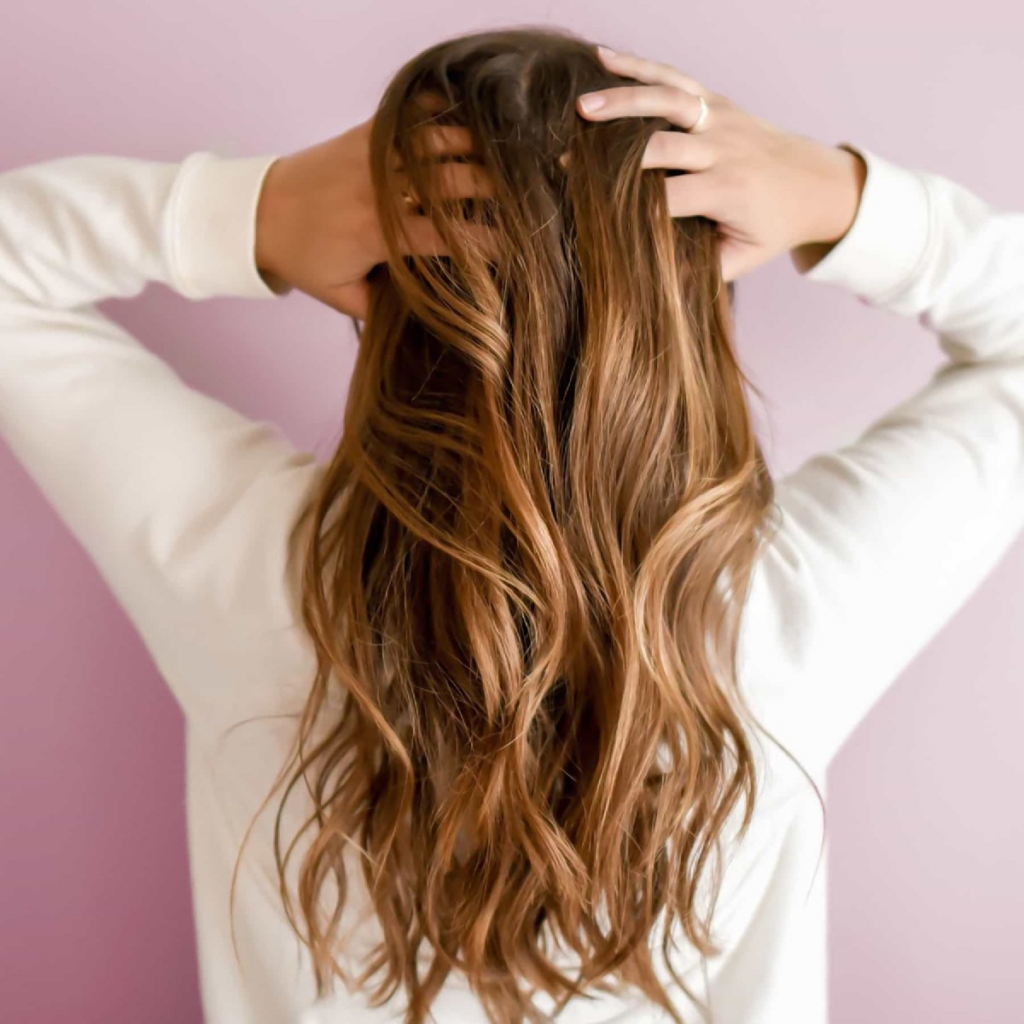
Yes, maintaining a consistent hair care routine is essential. Use a mild shampoo and conditioner that suits your hair type.
Avoid excessive styling with heat and hard treatments that can damage the hair.
Regularly Cut split ends to prevent and use a coarse comb to minimize fracture, may also contribute to the overall health of the hair.
How long does it take to see results from natural methods such as changes in diet or herbal remedies?
Results of natural methods can vary widely between individuals. It is important to have realistic expectations and to understand that any changes may take a few months to become noticeable.
Consistency in the chosen method is essential to observe possible improvements.
Can stress and lifestyle affect hair thickness?
Absolutely.
Chronic stress, insufficient sleep and an unhealthy lifestyle can negatively affect the health of the hair.
Stress can lead to hair loss and thinning of the hair, while a balanced lifestyle with good nutrition and exercise can support hair growth and thickness.
What are some common misconceptions about hair growth and thickness?
One misconception is that frequent hair washing leads to hair loss. In reality, wash regularly with a suitable shampoo can help to maintain a healthy scalp environment.
Besides, shaving your head doesn't make your hair thicker; It simply gives the appearance of thicker hair because of the cut ends.
Do hair supplements or vitamins work to increase hair thickness?
Hair supplements with essential nutrients such as biotin, zinc and vitamins can support the overall health of the hair, but they will not significantly change thin hair into significantly thicker hair.
They work best in combination with a balanced diet and proper hair care.
What is the difference between hair dilution by age and hair dilution by other factors?
Her dilution by age, often called androgenic alopecia, is a common cause of hair loss as we get older. It's influenced by genetics and hormones.
Hair dilution due to other factors such as stress, nutritional shortages or medical conditions can be reversible with appropriate treatments.
Are there side effects associated with artificial methods such as minoxidil or hair transplants?
Minoxidil may cause scalp irritation or dehydration in some people, but serious side effects are rare.
Hair transplantation procedures are generally safe, but there are risk complications associated with the operation, such as infection or scars.
Consult a qualified medical professional before choosing artificial interventions.
Is there a maximum age at which hair thickening methods become less effective?
Hair thickening methods can be effective at any age, but results may vary due to factors such as hormonal changes and overall health.
It is recommended to consult with a dermatologist or trichologist to determine the best approach based on individual circumstances.
Can the excessive use of hair products have a negative impact on hair thickness?
Excessive use of hair products, especially those with hard chemicals, can weaken the hair shaft and lead to fracture.
It is important to use products with moderation and to choose products with natural or mild ingredients whenever possible.
Are there alternatives to artificial methods for people who do not feel comfortable with medication or surgery?
Yes, for those who prefer non-medical, non-surgical options, there are cosmetic approaches such as hair fiber and thickening shampoos that offer temporary volume and covering of thinning areas.
These products can provide direct results without the need for invasive treatments.
Conclusion
The desire for thicker hair is a universal aim, which often confronts individuals with a wide range of options and information.
Understanding frequently asked questions about this topic can provide valuable insights to make informed decisions.
Whether you choose natural methods, artificial interventions, or a combination of both, it is crucial to prioritize the overall health of the hair, consult professionals when needed, and embrace a patient and realistic approach to achieving the desired hair thickness.
Remember, the journey to thicker hair is personal and there is no universal solution.
By staying well informed and making choices that suit your preferences and needs, you can step on a satisfactory path to thicker and healthier hair.


You might like this too.

Can shampoo use daily cause hair loss?

Did Spider-Man actor Andrew Garfield have a hair transplant?